Pontiac Chieftain classic cars for sale
The Pontiac Chieftain, produced from 1949 to 1958, stands out for its rich variety of body styles, distinctive American styling cues of the 1950s, and robust straight-eight as well as V8 engines. These vehicles are sought after in the classic car market thanks to their technical innovation, comfort features, and striking road presence.
Search results
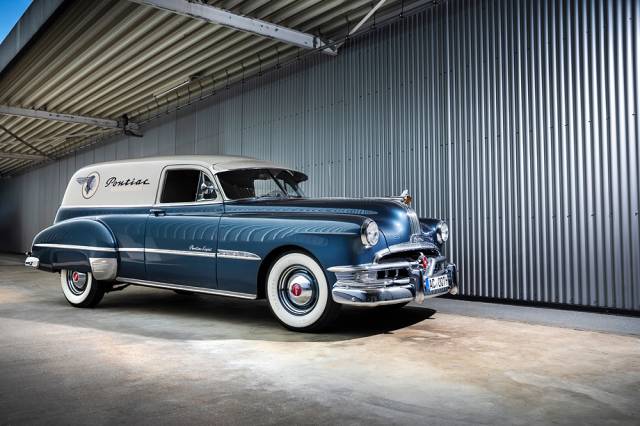
1951 | Pontiac Chieftain Sedan Delivery
Extremely rare and completely original, fully restored, excellent condition

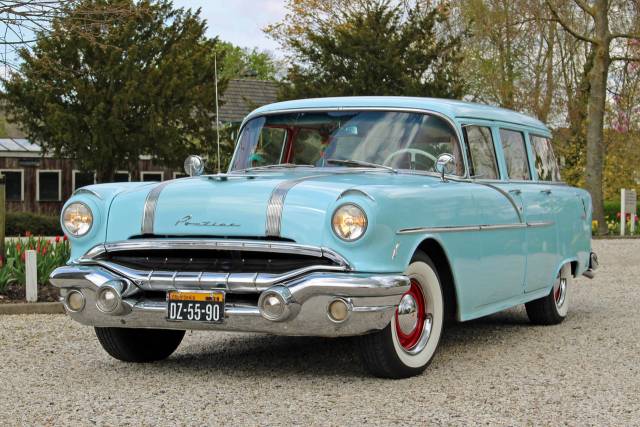
1956 | Pontiac Chieftain
"Surf Wagon"

Pontiac Chieftain listing references from Classic Trader
Below you will find listings related to your search that are no longer available on Classic Trader. Use this information to gain insight into availability, value trends, and current pricing for a "Pontiac Chieftain" to make a more informed purchasing decision.
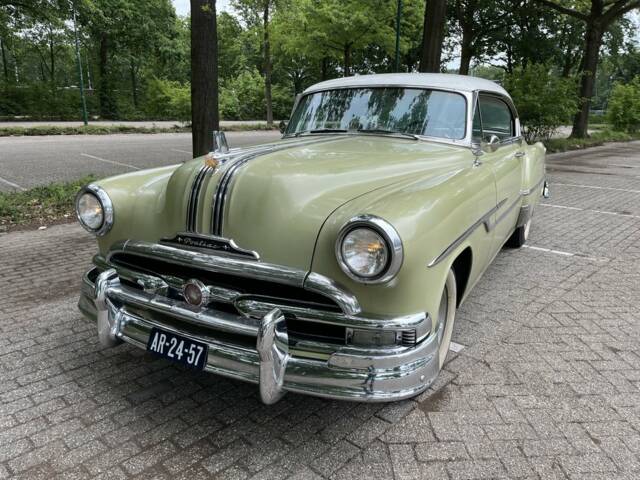
1953 | Pontiac Chieftain
Pontiac Chieftain | 1953 | Route 66 Auctions - For sale by auction. Estimate 11500 EUR
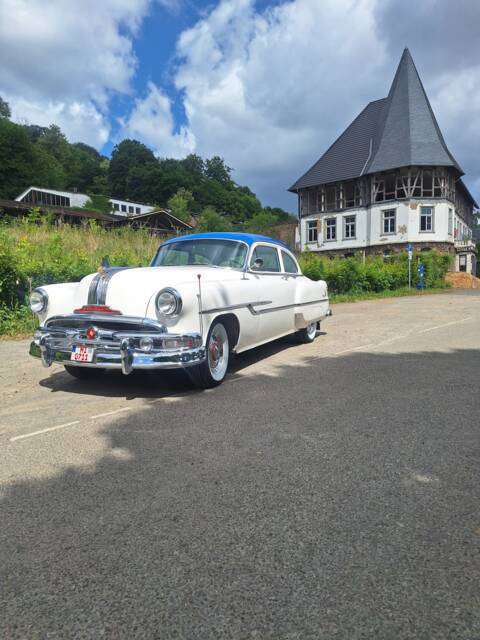
1953 | Pontiac Chieftain
Hardtop-Coupé
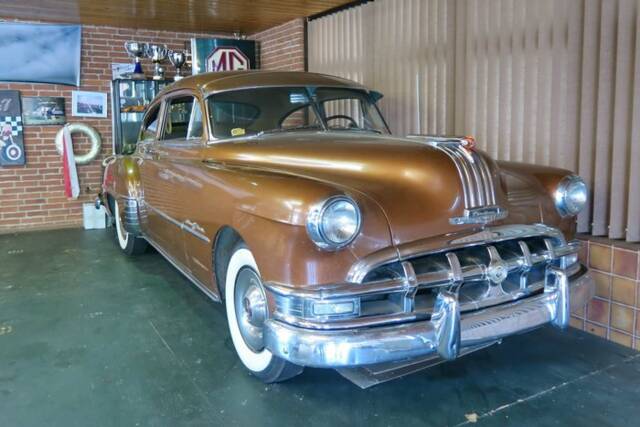
1950 | Pontiac Chieftain 8
Pontiac - Chieftain Silver 8 Streak Streamliner - 1950
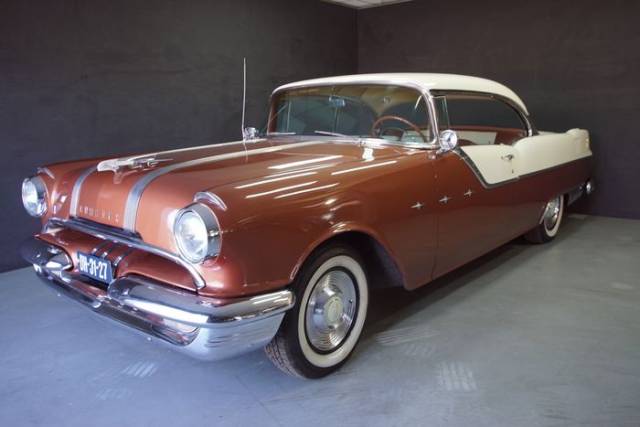
1955 | Pontiac Chieftain
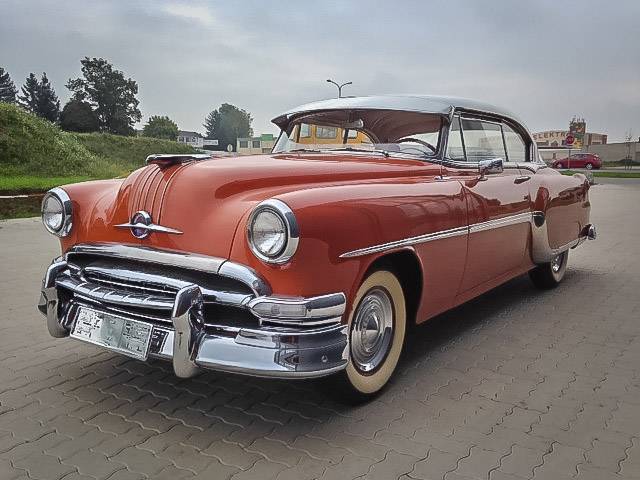
1954 | Pontiac Chieftain
Catalina Coupe Super De Luxe

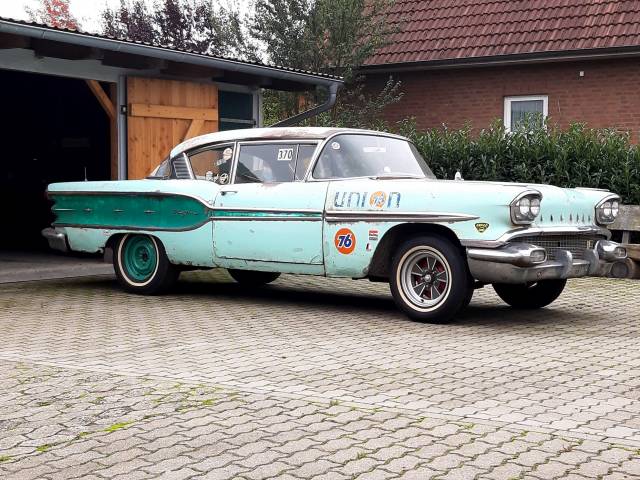
1958 | Pontiac Chieftain
Junior Stock Drag Racer
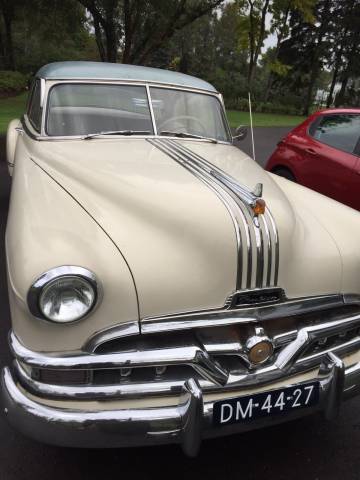
1951 | Pontiac Chieftain 8 De Luxe
Pontiac Chieftain Catalina

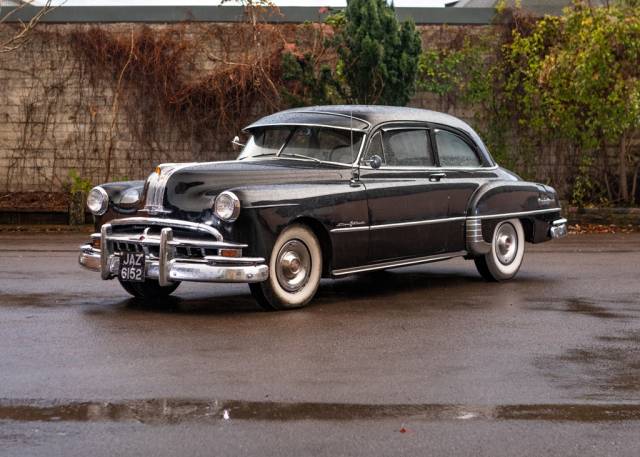
1949 | Pontiac Chieftain 8
Pontiac Chieftain Silver Streak 8

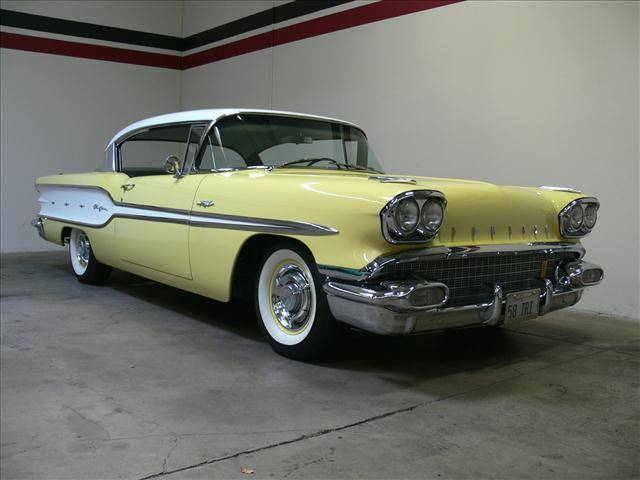
1958 | Pontiac Chieftain
1958 Pontiac Chieftain Catalina Tripower
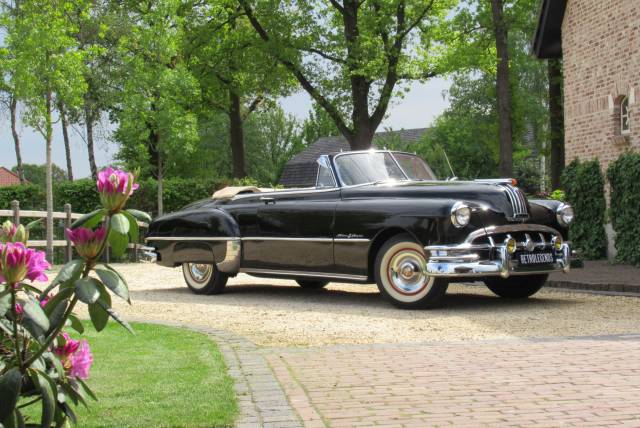
1950 | Pontiac Chieftain 8 De Luxe
Silver Streak 8 Convertible Hydramatic drive
Pontiac Chieftain Classic Cars: Prices & Market Values
History of the Pontiac Chieftain
The Pontiac Chieftain was introduced in 1949 as one of the first all-new post-war cars by the Pontiac division, alongside the Streamliner. It marked a departure from pre-war designs, offering fresh sheetmetal and modern engineering for the time. Over its three generations (1949–1958), the Chieftain evolved from straight-six and straight-eight engines, through the introduction of high-displacement V8s, and adopted the aesthetic trademarks of the era such as extensive chrome, wrap-around windows, and increasingly elaborate fins and trim. Its production ended in 1958, with the Catalina taking over as Pontiac’s entry-level full-size model in 1959.
Model Evolution and Generations
The Chieftain began as a replacement for the earlier Torpedo, initially available as a sedan, coupe, business coupe, and convertible. Early models featured straight-six and straight-eight engines with power in the 90–106 hp range. The lineup soon expanded with the Catalina hardtop and station wagon. The second generation in 1955 brought a rebuilt chassis, bigger V8 engines (up to 180 hp and later even 205 hp), and fresh bodywork with 'Star Flight' styling by 1957—rear fender 'V' extensions and missile-themed trim. The third-generation Chieftain (1958) showcased further revised styling, a honeycomb grille, squared lighting, and a powerful 6.1-litre V8. Major successors included the Catalina, while top-trim Super Chief models appeared as a subseries from 1957.
Notable Features and Market Highlights
Classic Chieftains are notable for technical detail—straight-eight or robust V8 engines, standard rear-wheel drive, and availability of Hydramatic automatic transmissions. Buyers appreciate original 'Chief' illuminated hood ornaments, spoke wheels, and wide choice of historical paint and trim options. Options like electric convertible roofs, power brakes, and tissue dispensers reflect a focus on comfort and uniqueness. The Chieftain's styling and robust American mechanicals made it both a standout on the road and a frequent base for period drag racing.
Technical Data
Special Editions and Unique Variants
Among collectors, the Super Chief (introduced 1957) stands out as the top-level Chieftain, distinguished by its upscale trim and additional features. The Catalina Two-Door Hardtop (from 1950), convertible variants, and export models built for Europe add further diversity. Limited-edition appearance packages and dealer-installed options, such as rare factory radios and shaving kits, make particular Chieftains especially interesting in today's market.
Maintenance, Weak Spots, and Tips
No manufacturer-specific weaknesses are noted in the current data. However, potential buyers should pay attention to typical points for classic American cars of this era: look for rust in frame rails, floor pans, and lower body panels; verify operation of rare accessories like factory heating, radios, and power tops; and inspect running gear, especially older Hydramatic gearboxes and drum brake functionality. Spare part availability is generally good, but authenticity is paramount for collectors.
Engine, Transmission, and Road Behaviour
Depending on the year, the Chieftain delivers distinctive American V8 or straight-eight power. Early six-cylinder models prioritise smoothness, while the post-1955 V8s (up to 270 hp in later years) brought significant performance increases. Hydramatic automatics enhance comfort, while manual options were rare. Rear-wheel drive and robust suspension enable the Chieftain to tackle longer journeys or serve as a base for period drag racing modifications. Road behaviour is typically American—comfort-oriented, stable, with a soft ride and little body roll. - 1958 Chieftain V8 6.1L (up to 270 hp): Highest performance variant, sought by power enthusiasts.
- 1954 Convertible: Electric roof, upscale trim.
- 1950–1952 Catalina hardtop: Innovative body style for its time.
Exterior, Interior, and Accessories
Design signatures of the Chieftain include dominant front grilles, chrome accents, illuminated hood ornaments, and elaborate dashboard layouts. Interiors feature full-width bench seats in vinyl or patterned cloth, with colour-keyed trim schemes, two-tone contrasts common. Later years added squared headlights, extra side mouldings, and striking rear fender profiles. Convertibles featured electric tops, and catalogues offered options like Remington shavers, tissue dispensers, and under-dash heaters—unique touches reflecting the era's focus on comfort. Export and left-hand-drive variants contribute further to model diversity.
Other Aspects
Classic insurance options and custom registration (such as 'historic' plates in Germany) are available for the Chieftain, facilitating easy operation as a classic. Many cars were imported to Europe and benefit from dedicated restoration networks and club support. Accessories and options—such as additional spotlight lamps, spoke wheels, and elaborate emblems—still define the appeal of surviving examples.
Summary
The Pontiac Chieftain offers technical innovation, striking American post-war styling, and a broad range of powertrains and body styles. With high demand among classic car enthusiasts—reflected in search and viewing statistics—the Chieftain remains one of the most interesting American classics from the 1950s, offering a blend of engineering, comfort, and unique road presence that continues to attract attention in the classic car scene.