Pontiac Streamliner classic cars for sale
The Pontiac Streamliner, produced between 1941 and 1951, represents the high end of Pontiac’s postwar offering. With an expansive body, fastback design, and available straight-six or straight-eight engines, it stood out for its size, comfort and presence on American roads. Variations included coupes, sedans, and even long wood-trimmed station wagons. Streamliners from the series 28 code account for the entire availability and demand in the classic Pontiac range listed here.
Search results
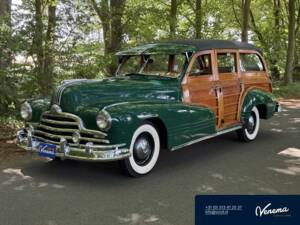
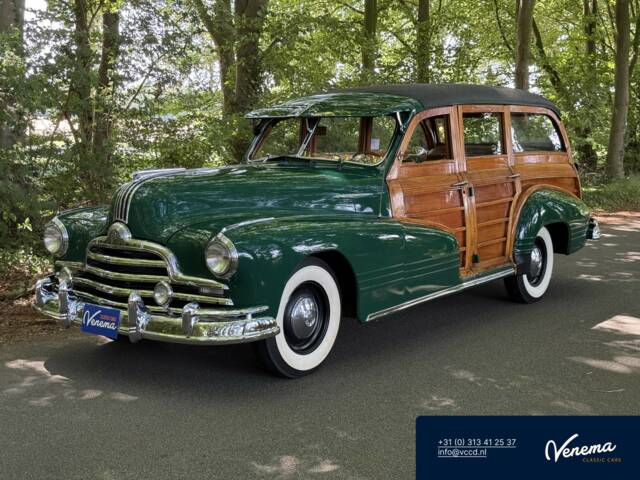
1948 | Pontiac Streamliner
Pontiac Streamliner Eight Station wagon
VAT is reclaimable

Pontiac Streamliner listing references from Classic Trader
Below you will find listings related to your search that are no longer available on Classic Trader. Use this information to gain insight into availability, value trends, and current pricing for a "Pontiac Streamliner" to make a more informed purchasing decision.
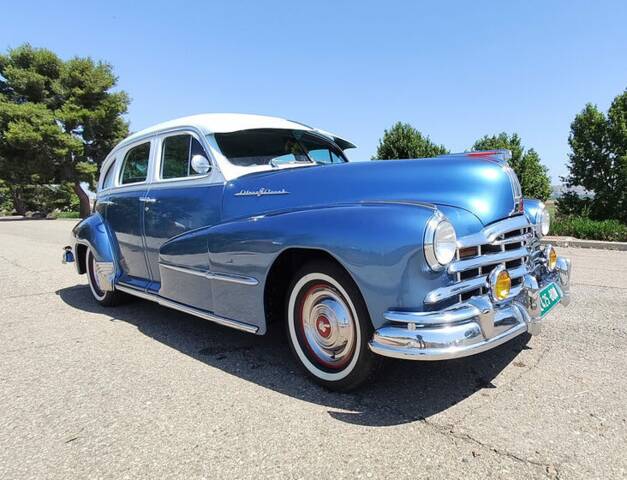
1948 | Pontiac Streamliner Silver-Streak
Pontiac Streamliner Silver Streak 8 Luxe | 1948 | Route 66 Auctions - For sale by auction. Estimate 20500 EUR
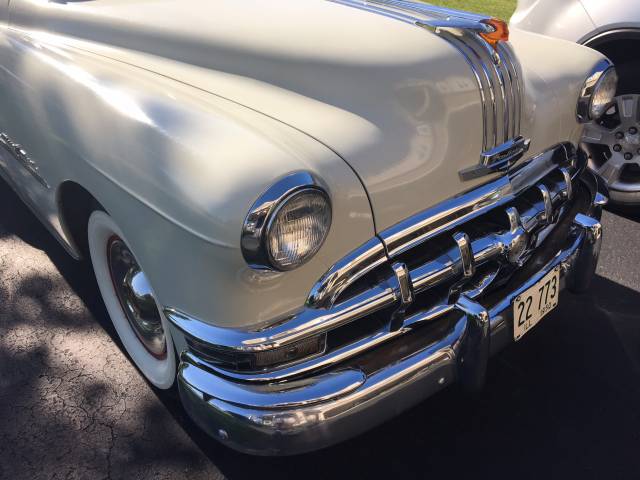
1950 | Pontiac Streamliner Silver-Streak
Pontiac Silver Strack, Eight Serie 27, 8 Zyl. Automatik Limousine

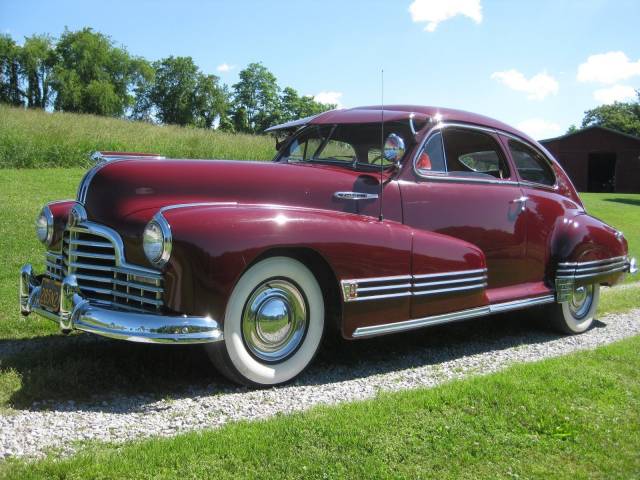
1946 | Pontiac Streamliner
PONTIAC STREAMLINER SEDANETTE

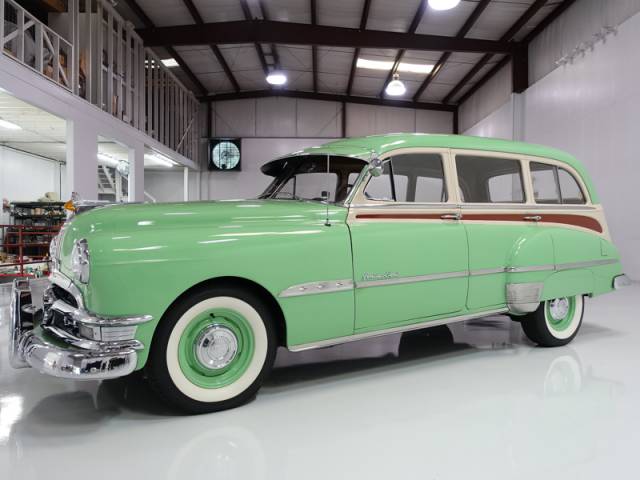
1951 | Pontiac Streamliner Station Wagon
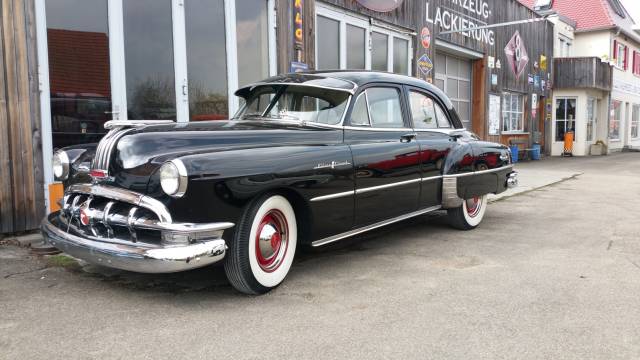
1950 | Pontiac Streamliner Silver-Streak
Silver Streak

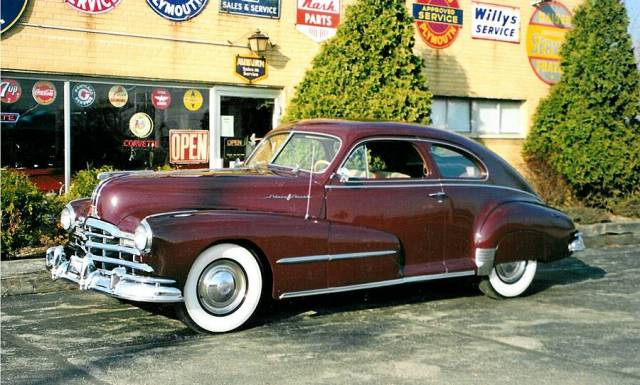
1948 | Pontiac Streamliner
Pontiac Streamliner
Pontiac Streamliner Classic Cars: Prices & Market Values
History of the Pontiac Streamliner
Pontiac launched the Streamliner in 1941, replacing the Deluxe and introducing a reworked B-body chassis within the upper-midsize class. The model was notable for its wide, horizontally barred chromed grille, available as both two-door coupés and four-door sedans. After production was interrupted in 1942 due to WWII, Streamliner returned in 1946 with minimal changes. Subsequent postwar updates included a revised grille and new chrome treatments. Between 1941–1942, 174,563 units were built; a further 382,248 rolled out from 1946 to 1948. The final generation (1949–1951) featured a modern ponton body and a prominent sharknose grille. No direct successor followed after its 1951 discontinuation.
Model Evolution and Lineage
The Streamliner replaced the Pontiac Deluxe and introduced fresh design cues to Pontiac’s range. Across its production, the model transitioned from fastback and sedan styles to also embrace wood-trimmed wagons — the longest Pontiac built at the time. The 'Blackout' version, introduced during wartime, saw all former chrome fittings finished in gunmetal grey. The lineup expanded to cover coupes, sedans, and wagons, with mechanical updates and distinct styling treatments each year, especially in the grille and chrome layouts. Automatic transmission became available in 1948. The Streamliner’s direct replacement did not follow; the nameplate ended in 1951 as Pontiac’s design language moved towards new decades.
Highlights and Market Standing
Streamliners are instantly recognizable for their pronounced fastback lines (except on the wagons), large interiors for up to six passengers, and the combination of smooth six- or eight-cylinder inline engines. Aerodynamics benefited from the sharply raked roof, a rare feature in the 1940s American market. Special factory editions like the blackout war models are especially notable. Interior fitment (in higher trims) included plush, two-tone upholstery and dashboard clocks—luxuries of the era.
Technical Data
Special and Limited Streamliner Models
The 'Blackout' Streamliner of 1942 stands out, manufactured in response to wartime shortages. These cars featured gunmetal-grey trim in lieu of chrome and all-black paint, making them visual outliers among otherwise chrome-laden American cars. Later, Deluxe luxury versions featured thicker seat cushions, two-tone interior fabrics and additional dashboard equipment.
Engine, Transmission and Roadholding
Streamliner models benefited from robust inline six- and eight-cylinder engines, known for their durability and smooth, torquey power delivery suited to extended American highways. The fastback’s shape modestly reduced wind resistance. Early models paired their engines with manual gearboxes, though from 1948, an early automatic option expanded drivability. Handling was comparatively soft, prioritizing ride comfort over dynamics, with long wheelbases ensuring a stable, comfortable journey even on rough surfaces. - 1946 Pontiac Streamliner Coupé (8-cylinder, manual)
- Streamliner Station Wagon (wood-trimmed, longest Pontiac of its era)
- 1949–1951 Streamliner (modern ponton design, up to 4.4 litres, 88 kW engine)
Design, Comfort, and Accessories
Distinctive fastback styling set the Streamliner apart, especially in coupé and sedan form, with a deeply sloped rear deck and large, low stance. The wagon variant featured signature US wood trim. Early grilles used broad horizontal chrome bars; later models moved to massive, four-bar arrangements with prominent Silver Streak chrome details. Interior layouts offered generous width and soft, two-tone upholstery. Accessories included dashboard clocks and thickly padded seats in luxury trims. War-era 'Blackout' models used matte dark trim for a unique look. Paint and material choices evolved annually, echoing contemporary tastes.
Summary
The Pontiac Streamliner stands out as a definitive postwar American classic in both design and engineering, with a unique place in mid-century automotive history. From its fastback profile and varnished wagons to robust straight-eight engines and rare factory variants, the Streamliner remains relevant for enthusiasts seeking authenticity, comfort, and a slice of genuine US automotive heritage.