Pontiac Safari classic cars for sale
The Pontiac Safari delivers a distinct American station wagon experience, renowned for its extensive production run from 1955 to 1989. As a Pontiac with heritage tying back to the Chevrolet Nomad, the Safari stands out for features like simulated woodgrain trim and spacious practicality. Learn more about the model’s evolution below.
Search results
Currently, there are no matching listings for your search.
Create search alert
Let yourself be notified as soon as a listing is published that matches your search filters.
Create listing
Do you have a Pontiac Safari that you want to sell? Then create a listing now.
Create listingPontiac Safari listing references from Classic Trader
Below you will find listings related to your search that are no longer available on Classic Trader. Use this information to gain insight into availability, value trends, and current pricing for a "Pontiac Safari" to make a more informed purchasing decision.
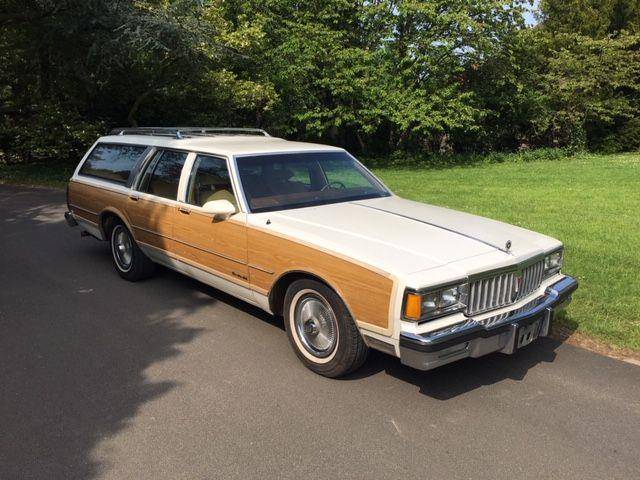
1988 | Pontiac Safari Station Wagon
Oldtimer Pontiac Block H-Zulassung

Create search alert
Let yourself be notified as soon as a listing is published that matches your search filters.
Create listing
Do you have a Pontiac Safari that you want to sell? Then create a listing now.
Create listingPontiac Safari Classic Cars: Prices & Market Values
History of the Pontiac Safari
The Pontiac Safari was introduced in 1955 as Pontiac’s answer to the Chevrolet Nomad, focusing on combining family-friendly utility with Pontiac’s mid-range positioning. By 1957, Safari branding was extended to cover all full-size Pontiac wagons, not just the two-door models. The mid-1960s marked a turning point as simulated woodgrain trim appeared on exteriors, offering a visual hallmark that enthusiasts easily recognise today. The Safari served as Pontiac’s mainstay wagon through several generations, always reflecting market trends and technical innovations of each decade until production ended in 1989.
Development and Model Evolution
Starting as a two-door station wagon in 1955, the Safari quickly shifted towards four-door configurations to match evolving market demand for family vehicles. Early generations drew heavily from platform sharing with Chevrolet, but from 1957 onward, Pontiac differentiated the Safari with unique trim levels and interior configurations. Mid-sixties models adopted simulated woodgrain—a visual cue that became synonymous with American wagons of the period. The Safari underwent regular facelifts, mechanical improvements, and trim upgrades, reflecting both the stylistic and engineering shifts of GM’s portfolio up to the late 1980s.
Special Features and Market Presence
Unique among American wagons, the Pontiac Safari featured simulated wood paneling, broad chrome elements, and a family-centric interior with flexible seating layouts. With its positioning between Chevrolet and the premium Buick and Oldsmobile lines, the Safari captured drivers seeking upscale practicality without venturing into the upper luxury bracket. The range of drivetrain and option combinations allowed buyers to tailor the Safari to their tastes, making it a favourite for those valuing both presence and practicality.
Technical Data
Special Editions and Collectible Models
Certain early Safaris, especially the two-door 1955–1957 models, are highly distinguished due to their low production numbers and distinctive design reminiscent of the Nomad. Later special trims with unique interior combinations or particularly rare exterior options (e.g., special colours or full woodgrain packages) can be found among collector circles, although no specific factory limited editions were named.
Weak Spots and Common Issues
No unique weak spots or widespread issues are specifically documented for the Pontiac Safari in the provided data. As with any classic GM station wagon, buyers should inspect for rust in body and chassis components, especially around the tailgate and underbody, and verify the condition of mechanical and trim elements, including woodgrain applique.
Engine Performance, Transmission, and Handling
The Safari’s powertrains evolved alongside GM’s full-size ranges, offering six-cylinder and, more commonly, V8 options, prioritising reliability and cruising comfort over outright performance. Automatic gearboxes became dominant from the late 1950s onwards, and the focus remained on smooth, relaxed handling with a suspension tuned for comfort and long-distance travel. • 1955–1957 Safari (two-door, Nomad-style) • Mid-1960s full-size Safari (V8, simulated woodgrain) • 1970s models with top-end trim and larger engines
Interior, Comfort, Exterior, and Design Elements
Safari interiors changed with GM’s design languages but consistently offered spacious seating, quality materials, and versatile layouts. Simulated woodgrain paneling on the exterior from the mid-1960s onwards is particularly notable. Available accessories often included roof racks, rear-facing third-row seats, and upgraded dashboard components. Factory and dealer options could add period-correct extras, which are prized by enthusiasts today.
Other Noteworthy Features
The Safari frequently served as the flagship of Pontiac’s wagon range, especially in the years before minivans and SUVs dominated. Its balance of mid-level pricing and high specification made it a favourite for families seeking space and status in the golden age of station wagons.
Summary
The Pontiac Safari occupies a unique position within classic American automotive history, embodying decades of station wagon evolution from the 1950s through the 1980s. Known for woodgrain styling and family practicality, Safari models attract enthusiasts valuing both versatility and heritage. Current supply and viewing statistics confirm strong dedicated attention for this model within Pontiac’s classic segment.