Plymouth Suburban Classic Cars for Sale
Spanning from 1949 to 1978, the Plymouth Suburban stands as one of America's quintessential post-war station wagons, offering a broad palette of engines and features over three decades of continuous production. Its versatility, robust engineering, and distinctive design have made it a favourite among classic car enthusiasts looking for practicality with unmistakable character.
Search results
Plymouth Suburban Classic Cars: Prices & Market Values
History of the Plymouth Suburban
The Plymouth Suburban made its debut in 1949 as one of the earliest all-steel station wagons available in the United States. Unlike the predominantly wood-bodied wagons of the era, the Suburban signalled a shift to more modern, durable materials post-war. Across its production timeline, the Suburban adapted to changing consumer needs, evolving from a basic utility vehicle into a more user-friendly family car, while always retaining its generous cargo capacity and straightforward engineering. Its longevity until 1978 is a testament to its appeal in the American automotive market.
Model History
The Suburban was originally introduced as the station wagon variant of existing Plymouth passenger cars, running parallel to the brand's sedan offerings. Each generation brought design tweaks, updated powertrains, and incremental improvements in comfort and safety. The model line saw various wheelbases and body configurations, reflecting Plymouth's efforts to cater to both family use and commercial needs. With the decline in demand for large wagons by the late 1970s, the Suburban line was ultimately phased out in 1978.
Highlights and Features
The Suburban distinguished itself by pioneering the all-steel bodied station wagon, a significant improvement over earlier woodies in durability and ease of maintenance. Throughout its production, the Suburban was available with a selection of robust six-cylinder and V8 engines, catering to diverse performance expectations. Its utilitarian rear tailgate, folding seats, and spacious interior made it particularly practical for long journeys or hauling cargo.
Technical Data
Special Editions and Collectible Models
Over the Suburban's nearly 30-year run, certain model years are particularly sought after by enthusiasts, such as early post-war examples for their pioneering steel bodywork or later V8-powered variants for their blend of utility and performance. However, no widely recognised factory 'special editions' were produced, making factory-original, low-mileage, well-optioned vehicles most desirable.
Weak Spots and Common Issues
While lacking wood construction avoids problems like rot, rust can be a significant concern, especially around the tailgate, wheel arches, and sills. Mechanical components are generally robust but require regular attention—especially cooling systems and suspension bushings which are prone to wear due to the vehicle's weight and load-carrying capability. Original interior materials can degrade over time and may be difficult to source for authentic restorations.
Engine and Performance, Transmission and Handling
Early Suburbans utilised straight-six engines known for their simplicity and reliability. Later models featured optional V8s, significantly enhancing highway performance. Manual gearboxes were standard initially, with automatics later becoming common. With its sturdy ladder-frame chassis and leaf-sprung rear axle, the Suburban delivers a predictable, no-nonsense driving experience—though not intended for sporty handling.
Popular models include:
- Early 1950s Suburbans with the 218 cu in straight-six for authenticity purists.
- Mid-1960s V8 Suburbans, balancing vintage style with improved cruising capability.
- Late-1970s models offering more contemporary ride quality and convenience features. undefined
Interior, Comfort, Exterior and Design
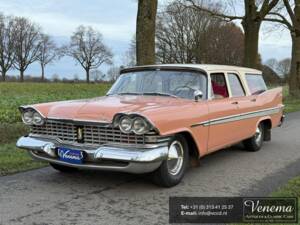
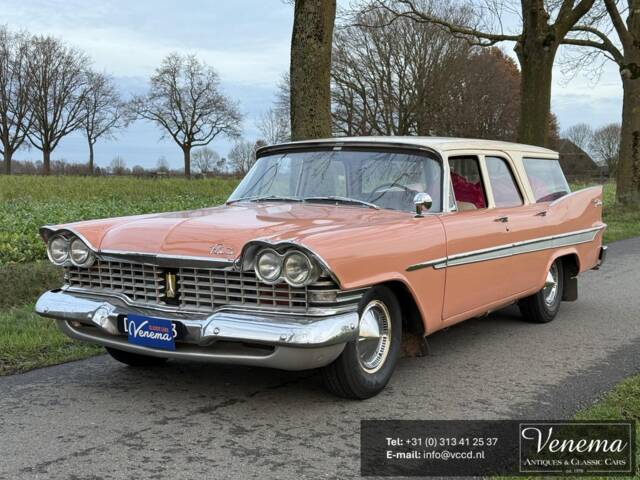
The all-steel body was a defining feature, both for aesthetics and practicality. Classic Suburbans are easily recognised by their long roofline, pronounced front grilles, and functional tailgate. Interiors ranged from utilitarian with rubber mats to more refined variants with better upholstery in later years. Factory options included roof racks, split-fold rear seating, and a variety of period-correct paint colours—often two-tone. Accessory options and dealer add-ons provide further points of interest for daily usability and personalisation.
Other Relevant Features
The Suburban's transformation from a basic hauler to a genuine family vehicle mirrored broader shifts in American automotive culture, reflecting both changes in manufacturing techniques and postwar social trends. Its popularity among collectors today stems as much from nostalgia for its role in American suburbia as from its mechanical qualities.
Summary
The Plymouth Suburban earned its place as a staple of mid-century American family motoring. Its robust construction, range of available engines, and balance between utility and comfort are key reasons for its enduring appreciation among classic car fans. Careful attention to rust and mechanical upkeep is crucial for prospective owners. With all current market demand and supply focused on this model series, the Suburban remains the classic Plymouth wagon to look for.