Plymouth GTX classic cars for sale
The Plymouth GTX is a genuine American muscle car from the golden age of performance. Built between 1967 and 1971, it stands out with its characteristic ‘Coke Bottle’ lines, robust V8 engines, and an upscale interior that marked its place above the famed Roadrunner. This model has earned renown both for its performance on the drag strip and its lasting impression as a star of its era.
Search results
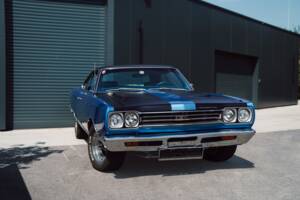

1969 | Plymouth GTX
1969 Plymouth GTX 440 Hardtop Coupe - beautifully restored - 440 cu in V8
VAT is reclaimable

Plymouth GTX listing references from Classic Trader
Below you will find listings related to your search that are no longer available on Classic Trader. Use this information to gain insight into availability, value trends, and current pricing for a "Plymouth GTX" to make a more informed purchasing decision.
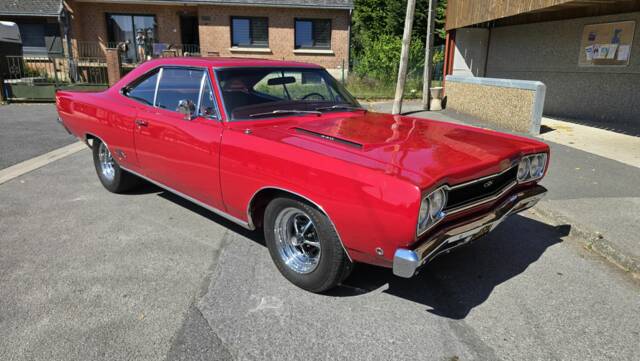
1968 | Plymouth GTX
Plymouth GTX | 1968 | Route 66 Auctions - For sale by auction. Estimate 29500 EUR

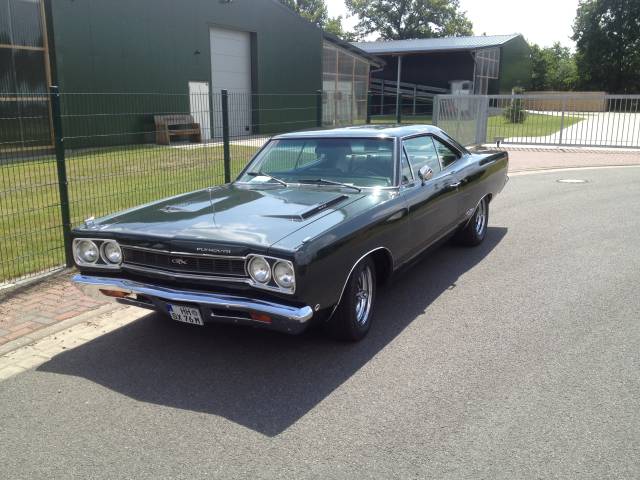
1968 | Plymouth GTX
Einer von 3 in Europa ! 440 CUI ! Roadrunner

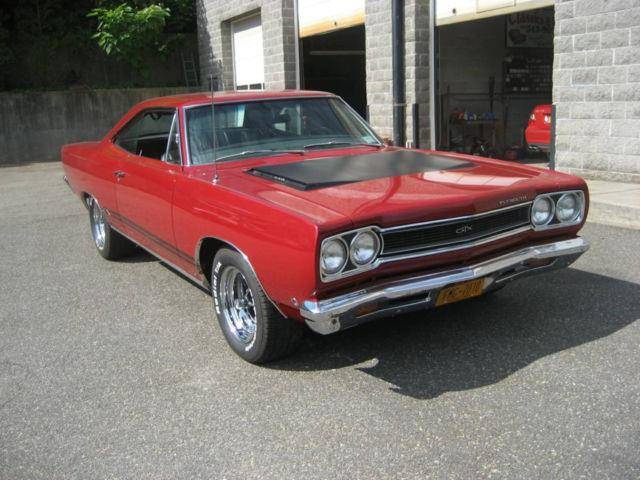
1968 | Plymouth GTX
Plymouth GTX - 440cui - Schalter - Rostfrei - #s Matching
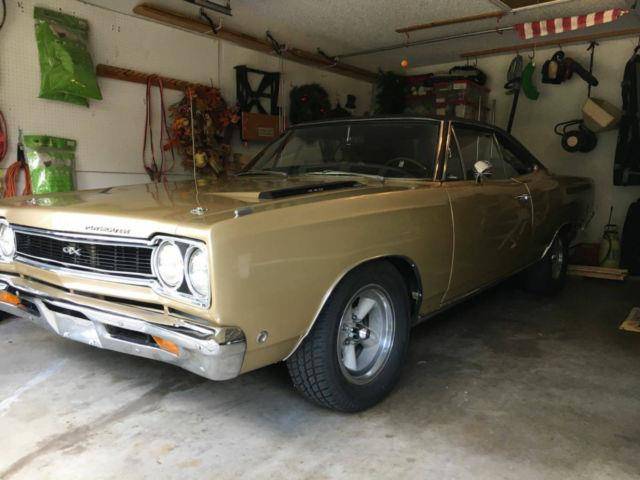
1968 | Plymouth GTX
Plymouth GTX - 440 cui - Automatik - Sehr gepflegt!
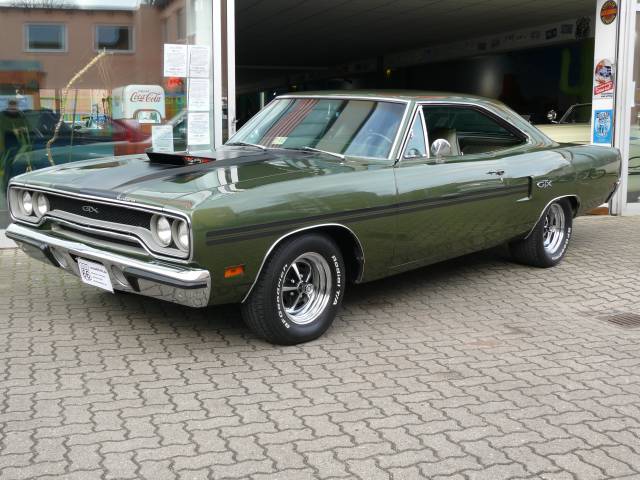
1970 | Plymouth GTX
Air Grabber Hardtop Coupe
Plymouth GTX Classic Cars: Prices & Market Values
History of the Plymouth GTX
The Plymouth GTX debuted in 1967 as Plymouth’s answer to the growing demand for mid-sized American muscle cars with a touch of luxury. Officially known as the Belvedere GTX upon launch, the model bridged the gap between pure performance and comfort, targeting buyers seeking a refined powerhouse. The GTX remained in production until 1971, retaining its place as the brand’s top-level muscle car, thanks to its superior trim and mechanical upgrades over the base Roadrunner. Its enduring presence on drag strips underscored its reputation as a formidable competitor and a statement piece of the late ’60s and early ’70s car culture.
Model history
GTX production ran from 1967 to 1971. Notably, the GTX occupied a slot above Plymouth’s more spartan Roadrunner in both performance and trim. The standard power plant in most years was the 440 cubic inch (7.2-litre) V8, pumping out 375 hp, with optional upgrades, including the legendary Hemi engine in certain years. The coupe body style dominated, and many cars featured distinctive vinyl roofs and upscale interiors, setting them apart visually and materially from lesser models. The project’s roots lie in the Belvedere series, and the GTX name disappeared after the 1971 model year, with Plymouth’s performance focus shifting to other lines.
Highlights of the Plymouth GTX
The Plymouth GTX delivered distinct performance and styling in the muscle car class. Its ‘Coke Bottle’ sculpted sides, exclusive trim, and well-appointed interior made it immediately recognisable. Unlike the basic Roadrunner, GTX buyers enjoyed decorative details, better seats, and additional equipment. Many carry their original colour finishes, V8s, and vinyl roofs. And technical documentation like Fendertags and Buildsheets often survives.
Technical data
Special Editions and Collectible Models
Special editions of the GTX included models featuring the 426 Hemi engine, manufactured in limited numbers and now highly sought after. Factory original cars with matching numbers, unique colour combinations, and preserved documentation like Fendertag and Buildsheet are especially prized. Additionally, original American Vintage wheels and rare interior materials add to a car’s collectible status.
Weak Spots and Common Issues
Spare and replacement parts are widely available, including interior trim, bumpers, glass, electrics, and vinyl roofing. Buyers should look for cars with complete documentation (Fendertag, Buildsheet), genuine engine and ignition components, and original finishes. While classic Mopar models are generally robust, attention should be paid to rust in body panels and undercarriage, mechanical wear on the driveline, and the condition of original interiors.
Engine, Performance, Transmission and Handling
The 440 cubic inch V8 delivers stout, linear power, making the GTX a favourite at quarter-mile races globally. With 375 hp in standard form and up to 425 hp with the 426 Hemi, acceleration and top-end performance are instantly noticeable. The improved suspension, steering, and braking compared to the Roadrunner ensured better road manners, though handling is classic muscle car—firm ride, straightforward feedback, and a focus on straight-line speed. - GTX 440 (1968–1970): 7.2L V8, 375 hp
- GTX Hemi (select years): 7.0L V8, 425 hp Both coupe configurations stand out for their blend of performance and luxury.
Interior, Comfort, Exterior and Design
The GTX is distinguished by its ‘Coke Bottle’ styling, featuring muscular flared fenders and an aggressive stance. Vinyl roofs and original paint colours typify surviving examples. Inside, the GTX came with improved upholstery, detailed trim, and an upscale dashboard—all upgrades over the more spartan Roadrunner. Special accessories, including period wheels and detailed badging, reinforce its premium position in the muscle car hierarchy. Buyers often seek examples with original seats, dash components, and upholstery for authenticity.
Other notable features
The GTX was frequently delivered with original Fendertags and Buildsheets, offering exact details about the build specs—a significant plus for authenticity and value. Many models retain their original production wheels and accessory kits, prized by collectors and restorers alike.
Summary
The Plymouth GTX embodies the high-performance, luxurious muscle car ethos of late-1960s and early-1970s America. With its exclusive blend of solid V8 power, improved interior comfort, and visually distinct touches, it was—and remains—the definitive top-tier Plymouth muscle car of its era. Surviving examples are well-documented, maintain high enthusiast demand, and offer a compelling experience for those seeking true Mopar power with refinement.