Plymouth Belvedere classic cars for sale
The Plymouth Belvedere, produced by Chrysler's Plymouth division from the early 1950s to 1970, stands out with its wide range of body styles, distinctive American design language, and rare high-performance variants. Notably, the 1966 Belvedere with the 426 Hemi V8 remains a highlight among collectors. Explore well-preserved examples boasting period-correct features and strong mechanical variety in our current offers.
Search results
Currently, there are no matching listings for your search.
Create search alert
Let yourself be notified as soon as a listing is published that matches your search filters.
Create listing
Do you have a Plymouth Belvedere that you want to sell? Then create a listing now.
Create listingPlymouth Belvedere listing references from Classic Trader
Below you will find listings related to your search that are no longer available on Classic Trader. Use this information to gain insight into availability, value trends, and current pricing for a "Plymouth Belvedere" to make a more informed purchasing decision.
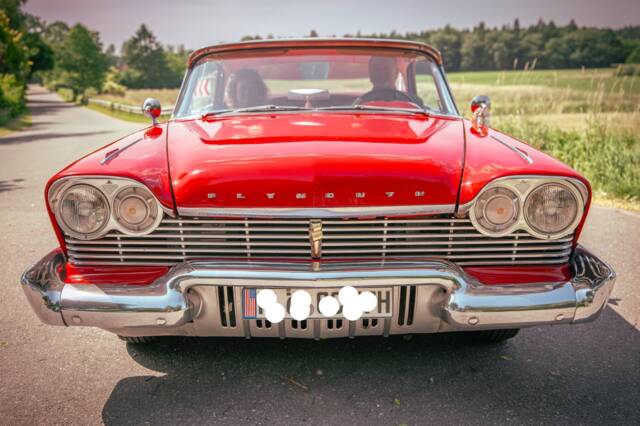
1957 | Plymouth Belvedere
1957 Plymouth Belvedere Sedan – Rock ’n’ Roll Ära pur im Traumzustand

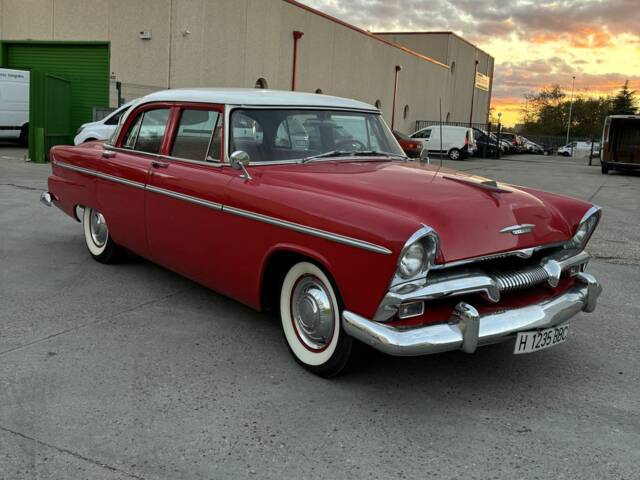
1955 | Plymouth Belvedere
Plymouth Belvedere Power FL | 1955 | Route 66 Auctions - For sale by auction. Estimate 10500 EUR

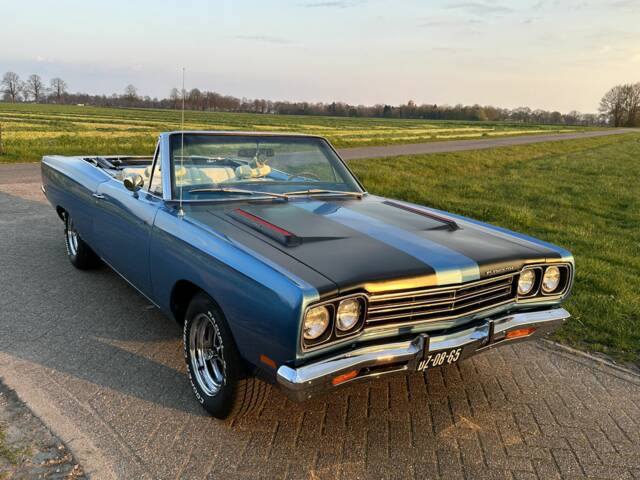
1969 | Plymouth Belvedere
Plymouth Belvedere cabriolet | 1969 | Route 66 Auctions - For sale by auction. Estimate 29500 EUR
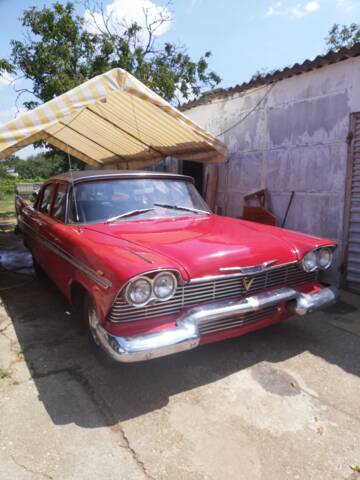
1958 | Plymouth Belvedere
fast "Christine", wurde 1958 in Schweiz ausgeliefert, seit 1964 österr. Papiere!

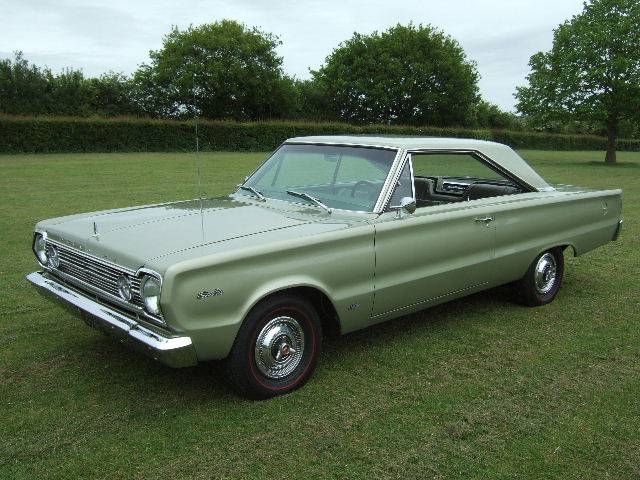
1966 | Plymouth Belvedere
Satellite genuine original Hemi 426 model

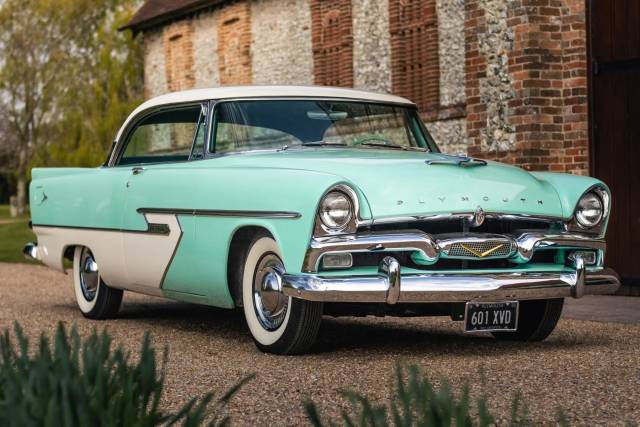
1956 | Plymouth Belvedere
Beautifully Restored & Running Without Fault
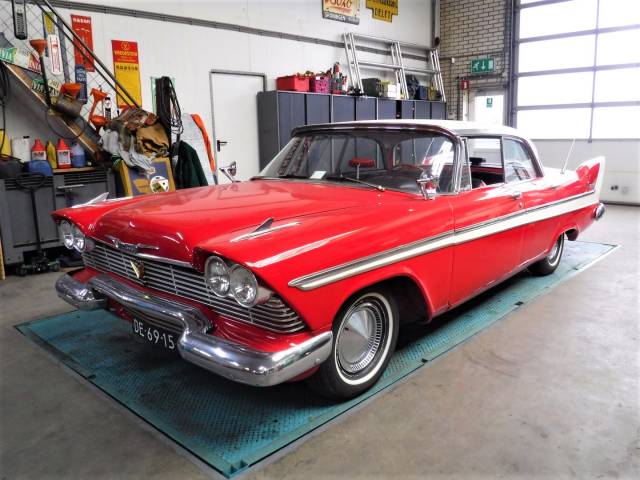
1958 | Plymouth Belvedere
Plymouth-Belvedere
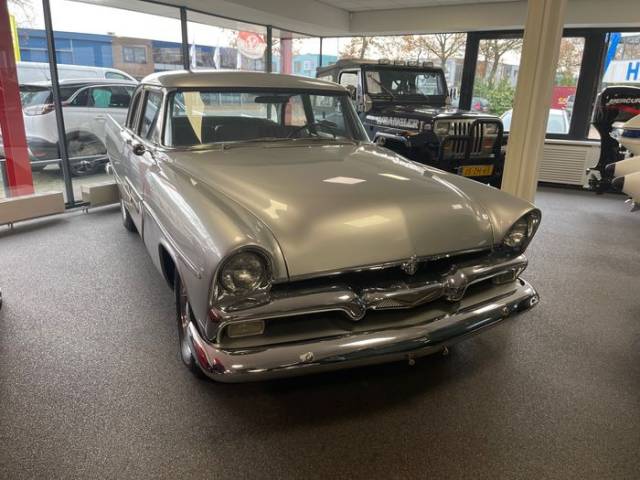
1956 | Plymouth Belvedere
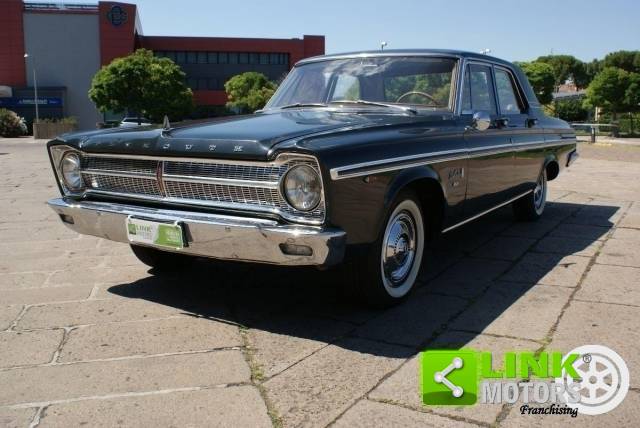
1966 | Plymouth Belvedere
Plymouth modello Belvedere II anno 1966

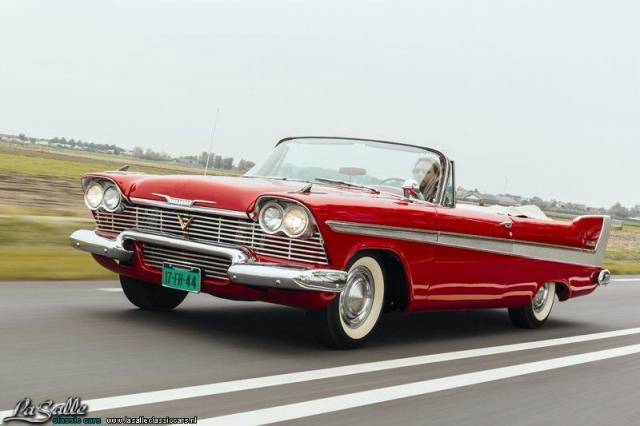
1958 | Plymouth Belvedere
Plymouth Belvedere
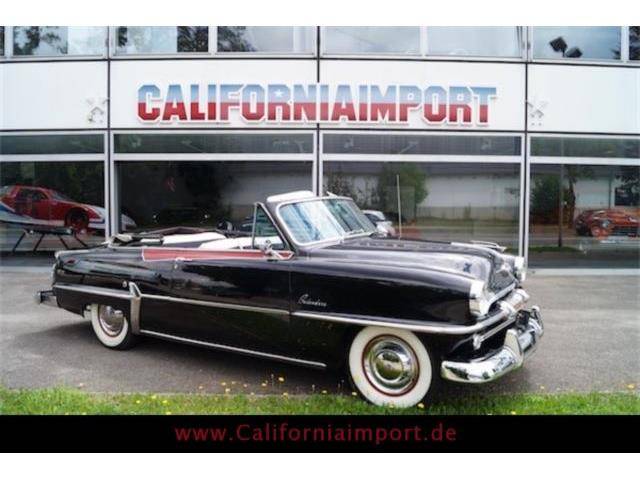
1954 | Plymouth Belvedere
Plymouth Belvedere Cabriolet
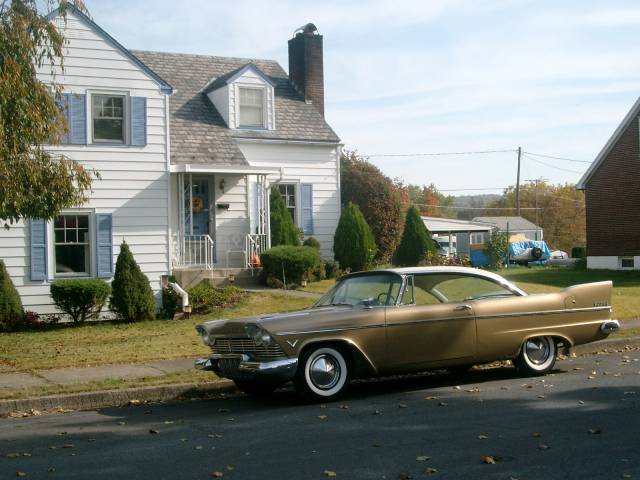
1957 | Plymouth Belvedere
Voiture d’origine y compris peinture et sellerie

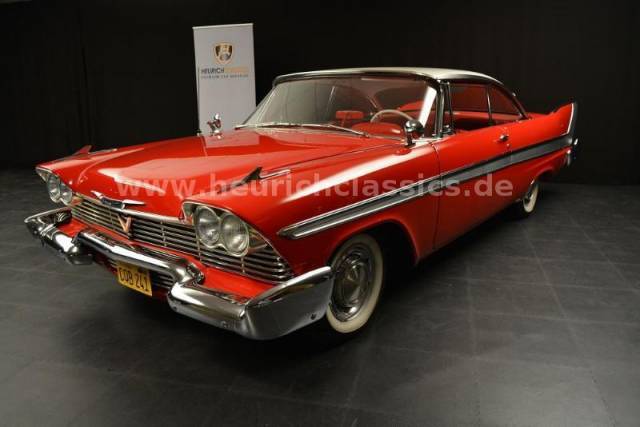
1958 | Plymouth Belvedere
Belvedere "Christine" Einmaliger Zustand
Create search alert
Let yourself be notified as soon as a listing is published that matches your search filters.
Create listing
Do you have a Plymouth Belvedere that you want to sell? Then create a listing now.
Create listingPlymouth Belvedere Classic Cars: Prices & Market Values
The Story of the Plymouth Belvedere
The Plymouth Belvedere debuted as the premium trim level of the Cranbrook series in 1951, intended to compete with rivals like the Chevrolet Bel Air. The first Belvedere was a two-door pillarless hardtop and was quickly distinguished by its accessibly priced package combined with then-modern features like a 3.6-litre inline six-cylinder side-valve engine. Within just two years, striking two-tone paintwork— known as the 'Saddletone' finish— allowed buyers to create highly individual looks. By 1953, the Belvedere matured to its own full model range, offering saloon, hardtop coupé, estate, and convertible variants, even gaining a mild tail-fin design. The mid-50s brought a focus on bold styling, with Plymouth’s ‘Forward Look’ emphasising bigger fins and a modernised profile, aligning with the exuberant postwar American design trends.
Through its life, the Belvedere adapted continually—automatic transmissions, new V8 engines, and safety innovations surfaced year over year. The brand left a mark in pop culture with film and TV appearances. In 1965, its role shifted: Belvedere became Chrysler’s mid-size contender, making way for the Satellite as the top trim level and, for a short while, the model also welcomed high-performance engines into its offering. By 1970, the name bowed out, succeeded by the Satellite and Road Runner as Plymouth evolved its muscle and full-size car lines.
Model History and Generation Overview
Beginning as a trim level in the early 1950s, the Belvedere spun off into its own line from 1953 and remained in production until 1970. The car moved through full-size and later mid-size roles within Plymouth’s line-up. Early models— post-1953— featured advanced (for their time) features like power accessories and automatic gearboxes, available in a variety of body styles. In the late 1950s, the Belvedere gained technical and safety improvements, such as automatic transmissions and seat belts. In 1962, a downsize gave the series smaller dimensions, ultimately improving performance and road manners as the market shifted. The model lineup continued to expand, with wagons, convertibles, and various coupes. The 'Satellite' took the flagship position from 1965 onwards, with the Belvedere focusing on value and variety, before being fully replaced at the dawn of the 1970s.
Highlights and Unique Features
Few classic Americans offer such a broad diversity as the Belvedere: available over the years as pillarless hardtops, convertible, wagon and saloon, with a palette of metallic or solid colour schemes true to the 1960s. In 1966, buyers could order the renowned 426 cubic inch (7.0-litre) Hemi V8, conservatively rated at 425 hp and paired with racing-spec suspension and heavy-duty drum brakes in police specification. The 1966 Hemi models, especially, are particularly rare— only 848 built that year, making them notable finds in the market. Luxury options like wood-rimmed steering wheels or premium vinyl bucket seats further underline the breadth of the range. Chrome accents, spinner-design hubcaps, and period-correct interiors in vinyl or restored original patterning distinguish surviving examples. The robust TorqueFlite three-speed automatic or, optionally, the rare Dana axle round off the technical package for performance-minded buyers.
Technical Data
Special Editions and Collectible Models
The most sought-after Belvedere special edition is the 1966 Hemi model—produced in only 848 units, with a significant proportion paired with the TorqueFlite automatic. These cars stand apart for their 426 cubic inch (7.0-litre) Hemi V8, reinforced chassis, and heavy-duty suspension and brakes echoing police specification. The 'Satellite' trim introduced in 1965 as the flagship brought higher-grade interiors and appearance upgrades—such as French-polished mahogany steering wheels and premium bucket seats—making early Satellite-badged Belvederes notable for their equipment level and presentation.
Weak Spots and Common Issues
No specific weak spots for the Plymouth Belvedere are currently provided in the records. Potential buyers should focus on standard classic car priorities: rust in body and chassis, integrity of suspension and brakes, and completeness of original equipment. Given the mechanical variety, particular attention is needed for Hemi and performance V8 cars, especially regarding drivetrain and cooling system health. Chrome elements and interior restorations, especially in rare colours or trims, can be challenging to source authentically.
Engine, Transmission, and Handling
With options spanning from robust inline-sixes to the formidable 426 Hemi V8, the Belvedere demonstrates the evolution of 1950s-1960s US engineering. The Hemi version, with its factory-quoted 425 hp and 490 lb/ft torque, achieved 0–60 mph in 5.3 seconds and covered the quarter-mile in 13.8 seconds—figures remarkable for a mid-size sedan of the era. Heavy-duty suspensions, police-specification 11-inch drum brakes, and rare Dana 60 rear axles could be specified on the most potent versions. Manual and automatic transmissions (notably the tough TorqueFlite 727) served both performance and cruising requirements adeptly. - 1966 Plymouth Belvedere Hemi: 426 Hemi V8, TorqueFlite 3-speed automatic, 534 examples automatic, police spec suspension, performance brakes.
- Plymouth Satellite (1965–1970): Flagship trim level of Belvedere with upgraded interiors, performance options.
Interior, Comfort, Exterior and Design
The Belvedere’s design fluctuated with automotive fashion: from rounded postwar bodies to expressive tailfins of the late 1950s, and then to cleaner, more squared lines from 1962 onwards. US-typical chromed bumpers, sweeping side trims, and two-tone or metallic paintwork—such as the period-correct Citron Gold—characterise exterior presentation. Interiors varied from basic benches to upmarket buckets with console options, in materials like black leatherette or restored period fabrics. Premium models included features such as mahogany wood steering wheels, original pattern hubcaps, and dealer-fitted accessories like power steering or brake boosters. Many survivors display extensively restored headliners, carpets, and door cards true to original specification. Accessories like BF Goodrich Red Line tyres and spinner caps are frequently seen in restored cars.
Other Features and Details
The Belvedere was frequently used as a base for performance upgrades, both in-period and by later enthusiasts: engine swaps, performance carburettors, and upgraded ignition systems are not uncommon. The model’s robust automatic and manual gearboxes, especially when combined with aftermarket shifters like the B&M, lend themselves to customisation. Exported examples may present unique factory or dealer options, and many survivors boast both authentic restoration work and sensitive upgrades for reliability and safety.
Summary
The Plymouth Belvedere’s historical breadth—from basic six-cylinder saloons to rare 426 Hemi-equipped muscle cars—makes it a standout in its class. With a rich palette of body and trim configurations, and matching mechanical variety, the Belvedere attracts both originality-seeking collectors and customisers. On Classic Trader, Belvedere listings account for the entirety of Plymouth interest, reflecting the nameplate’s enduring prominence. Outstanding options, like the 1966 Hemi variant, continue to define the model’s appeal in today’s classic car scene.