Plymouth Deluxe classic cars for sale
The Plymouth Deluxe stands out with its streamlined 1930s design, advanced engineering for its time, and luxurious, well-crafted interiors. Distinctive for its art-deco lines, flathead six-cylinder engines, and rare open-top versions, it is a centrepiece of American automotive history and a highly sought-after classic among vintage car enthusiasts.
Search results
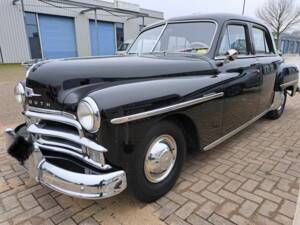
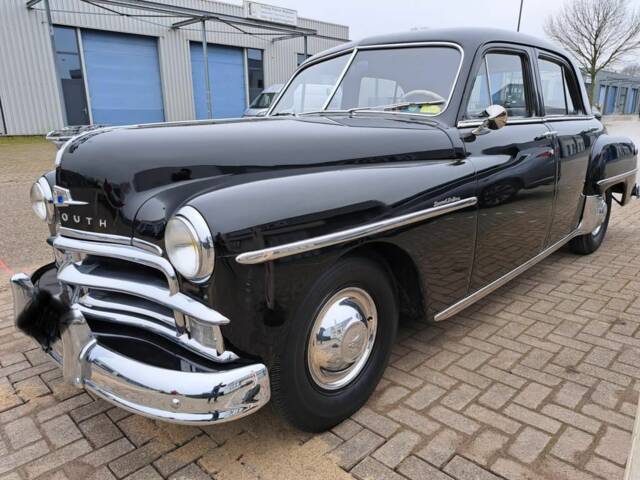
1950 | Plymouth Special Suburban
Plymouth Deluxe | 1950 | Route 66 Auctions - For sale by auction. Estimate 15000 EUR

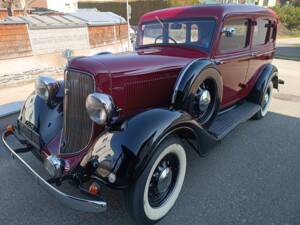
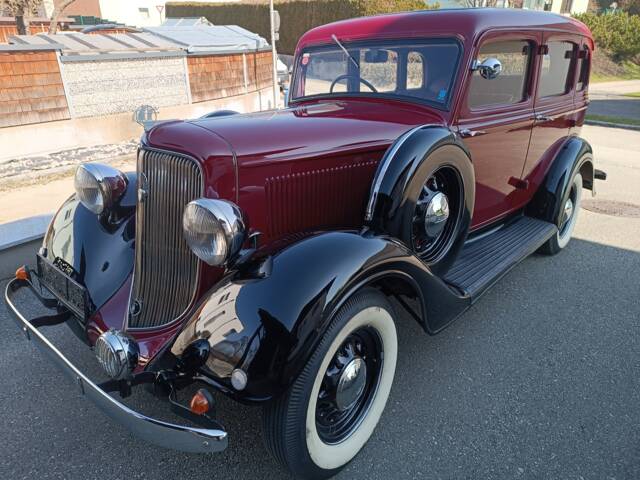
1934 | Plymouth Deluxe
Sedan P.F.

Plymouth Deluxe listing references from Classic Trader
Below you will find listings related to your search that are no longer available on Classic Trader. Use this information to gain insight into availability, value trends, and current pricing for a "Plymouth Deluxe" to make a more informed purchasing decision.
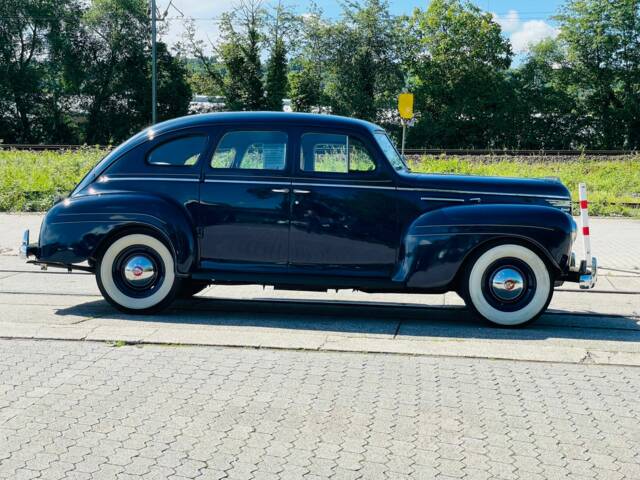
1940 | Plymouth Deluxe

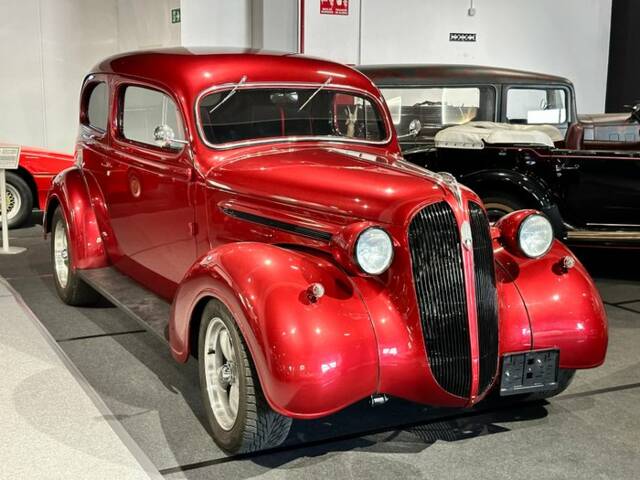
1937 | Plymouth Deluxe
Plymouth - De Luxe Hot Rod 2 dr. - 1937
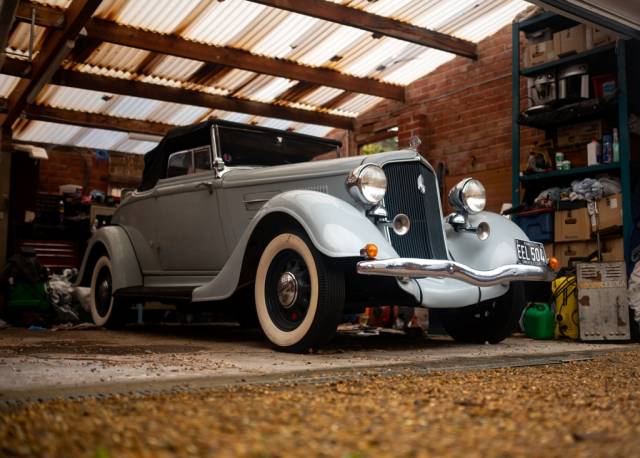
1934 | Plymouth Deluxe
Chrysler Plymouth Deluxe Convertible Coupé

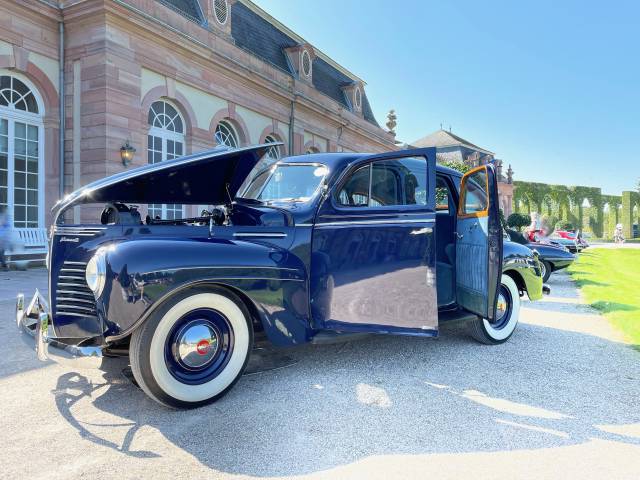
1940 | Plymouth Deluxe
Suicide Doors
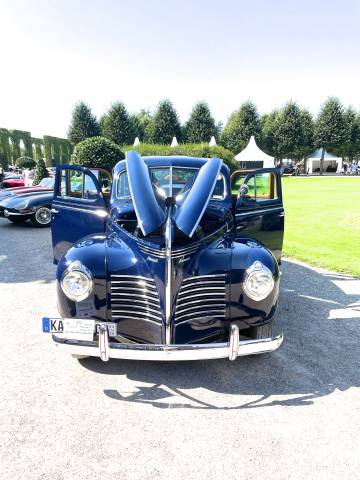
1940 | Plymouth Deluxe
P 10 mit Suicide Doors
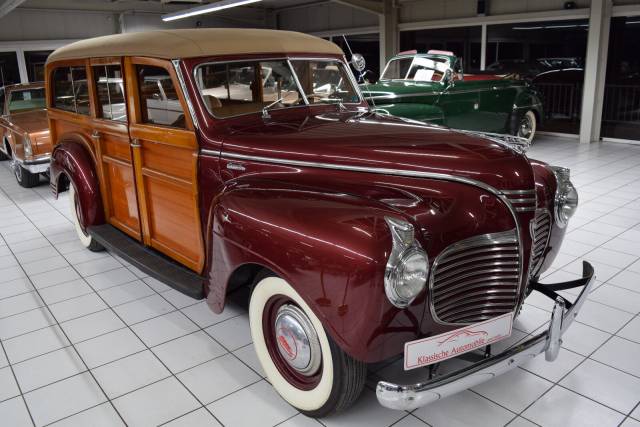
1941 | Plymouth Special Deluxe
Special Deluxe Woody im Sammlerzustand
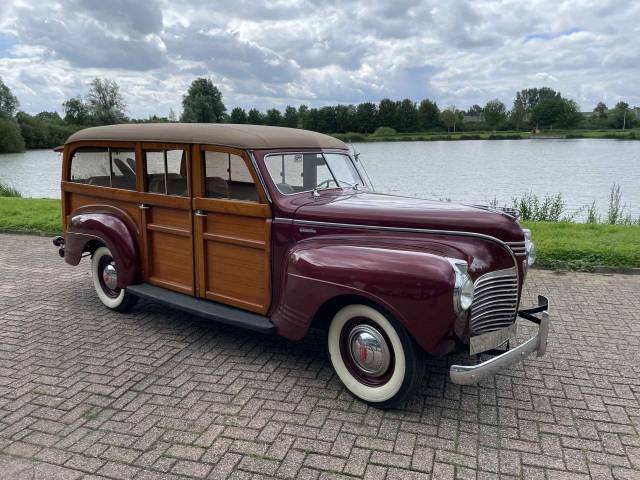
1941 | Plymouth Special Deluxe
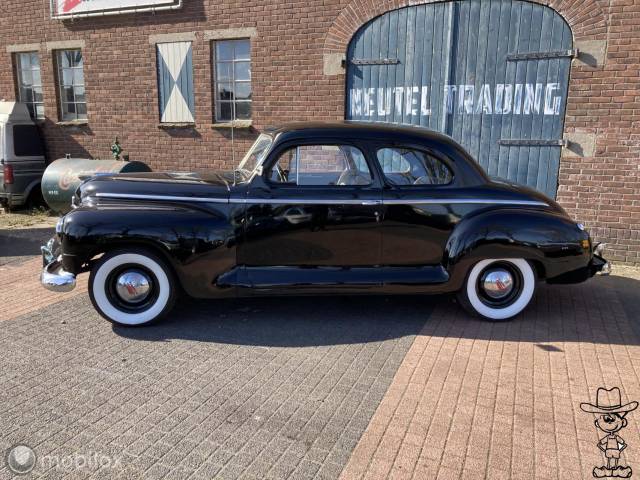
1948 | Plymouth Deluxe
Plymouth special deluxe business coupe hot rod dodge
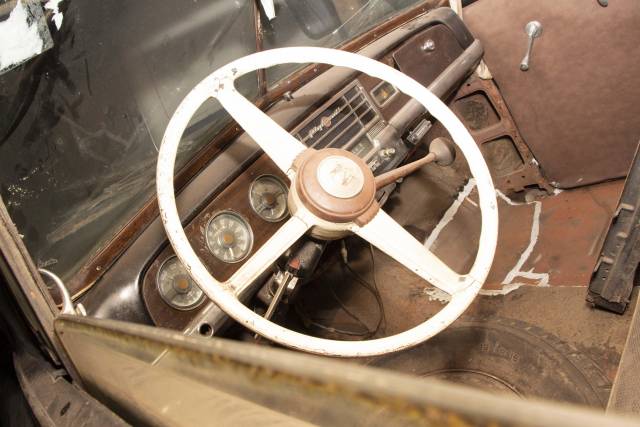
1950 | Plymouth Deluxe
Plymouth Coupe 1950

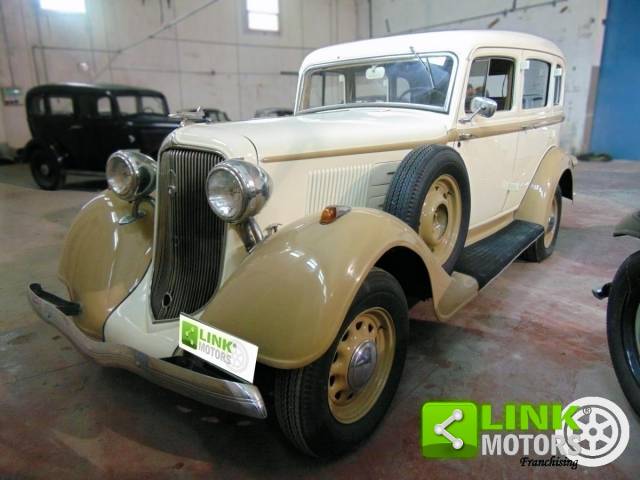
1934 | Plymouth Deluxe
Plymouth Deluxe PE Sedan, immatricolata anno 1934 in Uruguay, parzialmente restaurata, un gioiello

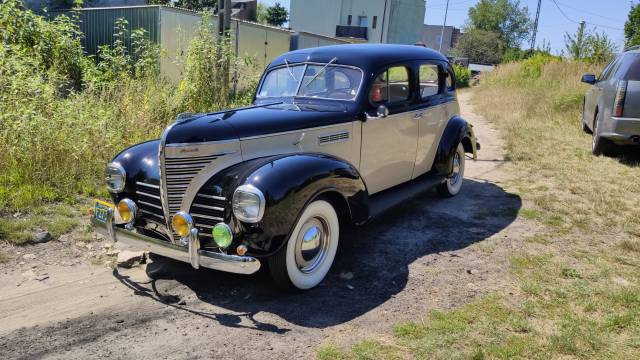
1939 | Plymouth Deluxe P8
100% renovated, perfect condition

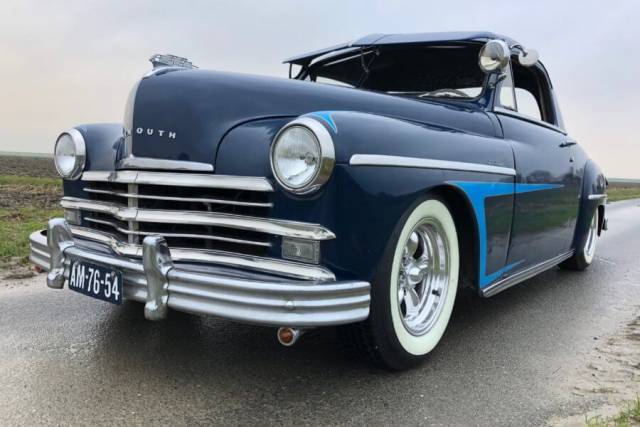
1949 | Plymouth Deluxe
Business Coupé
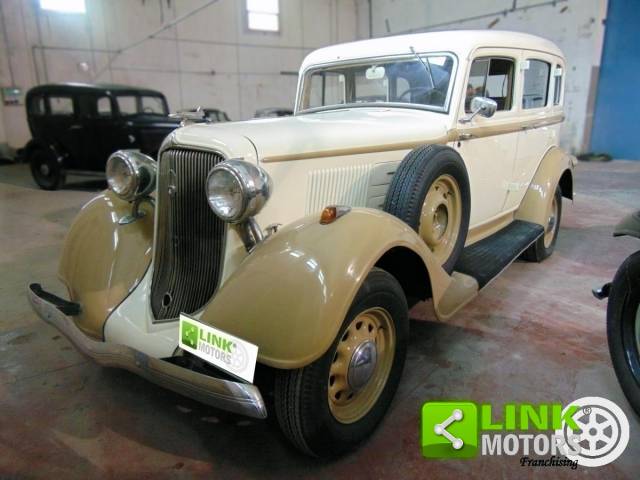
1934 | Plymouth Deluxe
Plymouth Deluxe PE Sedan, immatricolata anno 1934 in Uruguay, parzialmente restaurata, un gioiello
Plymouth Deluxe Classic Cars: Prices & Market Values
History of the Plymouth Deluxe
The Plymouth Deluxe was introduced in 1933 as a full-size model by the US marque Plymouth, a division of Chrysler. The Deluxe replaced the New Finer Plymouth and quickly set itself apart as the most generously equipped line in Plymouth’s range until 1942, when the Special Deluxe joined as an even more upmarket sibling. Production paused in 1942 due to the Second World War but resumed in 1946, continuing through to 1950. Throughout the years, the Deluxe consistently embraced cutting-edge design trends, with its 1934 model epitomising streamlined art-deco style that defined an era. Originally available as saloon, coupé, and convertible, the Deluxe also catered to custom coachbuilding thanks to its configurable chassis. The introduction of an electrically-operated soft top in 1939 marked a milestone in convertible technology worldwide.
Model Range and Evolution
Between 1933 and 1950, the Plymouth Deluxe saw nearly continuous development across 19 distinct versions. The initial Model PC (1933) was quickly followed by the more upmarket PD, offered both as complete vehicles and as bare chassis for custom builds. In 1934, the PE variant arrived with a longer wheelbase and more powerful engine, and a five-door station wagon with timber-framed bodywork—one of the earliest examples of the 'woody' style. From 1935 to 1938, updates came in the form of PJ, P2, P4, and P6 models, with periodic mechanical and cosmetic improvements. The 1939 P8 Deluxe set new standards by introducing the first power-operated convertible top. Later models, such as the P10, P11, P12, P14S, P14C and P15, demonstrated further technical advances and post-war volumes. The final iterations, including the P17 to P20, pushed engine power to 97 hp while retaining the family-friendly body styles that made the Deluxe a household staple in pre- and post-war America.
Unique Features and Market Insights
The Plymouth Deluxe distinguishes itself with its aerodynamic, flowing bodywork characteristic of the mid-1930s, and by offering a robust 3.3-litre flathead inline-six engine—delivering both reasonable performance and reliability. The saloon and convertible bodies provided flexibility for customers, while the use of high-grade interior materials and luxurious appointments reflected a strong commitment to passenger comfort. The availability of special features such as factory-fit radios, rear fender skirts, and classic dashboard instruments echo the premium aspirations of the Deluxe range. Production included extremely limited runs for certain variants; for example, only 387 examples of specific models were produced, increasing their desirability for today’s collectors.
Technical Data
Special Editions and Collectible Models
Some Plymouth Deluxe variants have achieved special status due to limited production numbers or technical milestones. Notably, the 1939 Deluxe was the first convertible model in the world fitted with a power-operated cloth roof. Certain body styles, such as the timber-bodied five-door estate ('woody'), are particularly valued among collectors for their rarity and craftsmanship. Special trim editions and coachbuilt versions, built on bare chassis supplied by Plymouth, allow for a variety of unique, custom-bodied examples. Model years with very low production figures, like specific 1934 versions, have especially high collector interest.
Engine, Transmission and Driving Experience
The Plymouth Deluxe’s hallmark was its smooth-running, side-valve straight-six engine, offering satisfying torque delivery and reliability. Its three-speed manual transmission provided a relaxed driving experience, particularly suitable for the long, straight roads of its era. Chassis robustness and four-wheel hydraulic brakes meant a secure, confident ride—superior to many period competitors. The streamlined body design further contributed to its reputation for quiet and comfortable cruising at higher speeds. - Plymouth Deluxe P10 (1939-1940): Most popular for its innovative features and high market demand today (accounting for over 60% of current listing views). Features power top in the convertible, large flathead-six, advanced for its time.
- Plymouth Deluxe P12 (1941): The refined evolution with updated styling, also a mainstay in current listings (holding 28.6% share).
- Plymouth Deluxe Woody Estate (mid-1930s): Standout for its timber-framed bodywork, a niche favourite among collectors.
- Postwar P17/P18 (1949-1950): Celebrated for improved power output (up to 97 hp) and more spacious, modernised interiors.
Interior, Comfort, Exterior and Design
Plymouth Deluxe cars advanced American automotive aesthetics in the 1930s by introducing streamlined, Art Deco-influenced contours and elegant features. The 1934 models in particular showcased refined curves and a more aerodynamic approach than previous boxy sedans. Inside, deluxe versions offered upholstery in leather or premium fabric, colour-coordinated carpets, and detailed instrument panels, with an emphasis on craftsmanship and passenger comfort. Factory options included period-typical luxuries such as radios, chrome accents, rear fender skirts, and specialist dashboards. The wheel designs ranged from spoked to steel rims, often dependent on trim level. Notable is the convertible variant’s retractable soft top, which set a new standard for open motoring comfort. From station wagons with wooden panelling to subtly updated postwar saloons, the range reflects a diversity of US car culture design philosophies from the era.
Other features
The availability of bare chassis allowed for an array of custom coachbuilt creations, making the Plymouth Deluxe a popular choice for enthusiasts wanting tailor-made vehicles. The robust frame and mechanical layout enabled easy adaptation to different body styles and uses. Originality is highly regarded among restorers—details like factory-correct screws, specific interior fabrics, and period accessories add significant value to preserved examples.
Summary
The Plymouth Deluxe played a key role in shaping the full-size American car market across pre-war and postwar decades. Renowned for pioneering advances in style, technology, and comfort, it offered both reliability and distinctive aesthetics. With strong representation and demand for certain models—most notably P10 and P12—today, the Deluxe remains a prized piece of American motoring heritage for collectors seeking originality, craftsmanship, and a true statement of 1930s–40s automotive innovation.