Peugeot Type 57 classic cars for sale
The Peugeot Type 57, introduced in 1904, stands as an early example of French automotive engineering, representing Peugeot's pioneering role in motor vehicle development. With just 149 units produced, the Type 57 showcases both exclusivity and technical innovation of its era. Read more to discover its history and unique characteristics.
Search results
Currently, there are no matching listings for your search.
Create search alert
Let yourself be notified as soon as a listing is published that matches your search filters.
Create listing
Do you have a Peugeot Type 57 that you want to sell? Then create a listing now.
Create listingPeugeot Type 57 listing references from Classic Trader
Below you will find listings related to your search that are no longer available on Classic Trader. Use this information to gain insight into availability, value trends, and current pricing for a "Peugeot Type 57" to make a more informed purchasing decision.
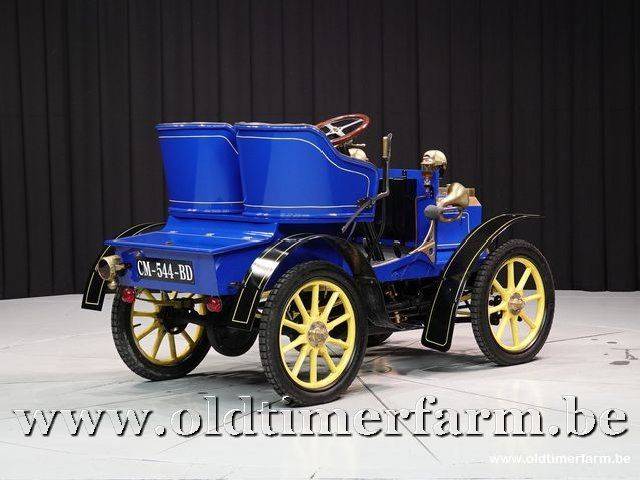
1904 | Peugeot Typ 57
1904 Peugeot Type 57 '04

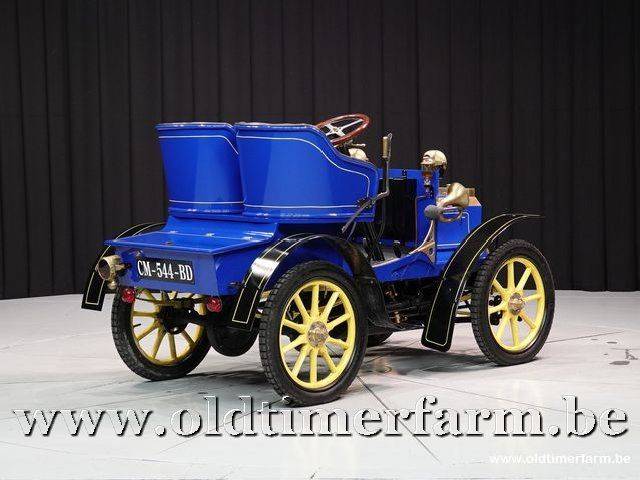
1904 | Peugeot Typ 57
1904 Peugeot Type 57 '04
Create search alert
Let yourself be notified as soon as a listing is published that matches your search filters.
Create listing
Do you have a Peugeot Type 57 that you want to sell? Then create a listing now.
Create listingPeugeot Type 57 Classic Cars: Prices & Market Values
History of the Peugeot Type 57
Manufactured at Peugeot's Audincourt plant in 1904, the Type 57 marks a defining chapter in early automotive history. This model emerged during a period of rapid experimentation and advancement in car design, when Peugeot was establishing its reputation in the fledgling automobile market. The production run of only 149 vehicles underscores its rarity and the progressive spirit that defined Peugeot at the turn of the century.
Model history
The Type 57 followed a sequence of experimental and low-volume Peugeot models, contributing to the foundation for the brand's later successes. At the time, Peugeot did not assign clear-cut model succession as seen in later decades. Instead, each number represented either a technological step or response to new engineering challenges. The Type 57 thus stands as a milestone within Peugeot's evolutionary narrative at the dawn of the motor age.
Highlights of the Peugeot Type 57
The Type 57 distinguishes itself through its very limited production — only 149 were built — making surviving examples highly unusual for collectors of early French vehicles. As a 1904 vehicle, it reflects a rare window into the dawn of automotive technology, with characteristic design conventions and technical solutions from the veteran era of car manufacturing.
Technical data
Special Editions and Collectible Models
No officially recorded special editions of the Peugeot Type 57 are known due to its low total production and the practice of singular builds in this automotive era. Each existing unit is itself a significant historical artefact.
Weak Spots and Common Issues
No detailed data is available on serial weak spots, partly owing to the model's age and rarity. However, as is common with vehicles from 1904, restoration and upkeep of mechanical, wooden, and leather components require specialist knowledge and sourcing of authentic materials.
Engine and Performance, Transmission and Handling
With roots in early automotive engineering, the Type 57 utilises primitive mechanics by modern standards, featuring basic drivetrain concepts and straightforward transmission technology. Performance figures are modest, focusing on reliable, simple operation suited to unpaved roads and rudimentary infrastructure of the era. Due to only 149 vehicles built, every listed Type 57 is notable in itself, with technical authenticity and completeness being primary points of interest for collectors.
Interior, Comfort, Exterior and design
The Peugeot Type 57 showcases a carriage-inspired body with exposed mechanics, simple seating, and an emphasis on mechanical accessibility over luxury. Colours and trim would have been determined at production or through coachbuilder input, often in natural hues and materials such as wood, brass, and buttoned leather. Special equipment was uncommon, with instruments and controls engineered for maximum function and reliability.
Other Features
Owing to its era, the Type 57 may exhibit period accessories such as carbide lamps, toolkits, and badges from early automobile clubs or rallies, each granting additional historical value to individual vehicles.
Summary
The Peugeot Type 57 stands as a scarce relic of pioneering French automotive history, capturing the innovative mindset and manufacturing ambition of the early 1900s. Its minimal surviving numbers and early mechanical concepts set it apart as a unique chapter for connoisseurs of pre-war automobiles.