Peugeot 207 classic cars for sale
The Peugeot 207, produced from 2006 to 2014, stands out as a practical and well-engineered supermini from the French manufacturer. With its variety of engines and body styles, the 207 covers a spectrum from economical city driving to sportier variants. Discover more about this model’s technical depth and versatility.
Search results
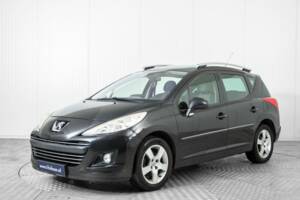
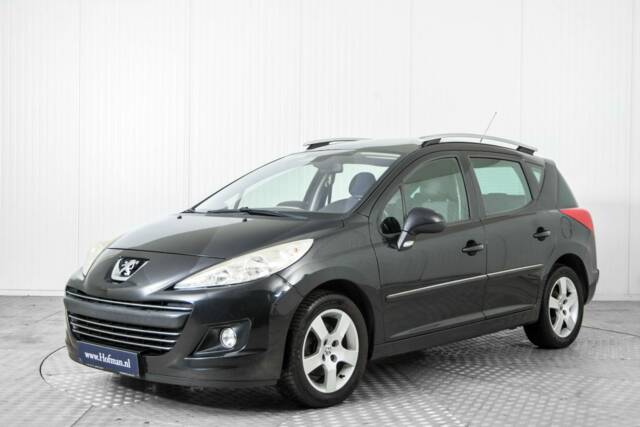
2010 | Peugeot 207 1.6 VTi SW
Peugeot 207 SW 1.6 VTi Première

Peugeot 207 listing references from Classic Trader
Below you will find listings related to your search that are no longer available on Classic Trader. Use this information to gain insight into availability, value trends, and current pricing for a "Peugeot 207" to make a more informed purchasing decision.
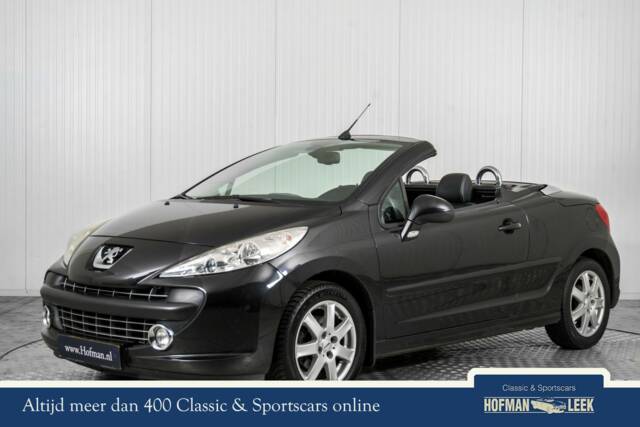
2009 | Peugeot 207 CC 1.6 VTi
Peugeot 207 CC 1.6 VTi Roland Garros
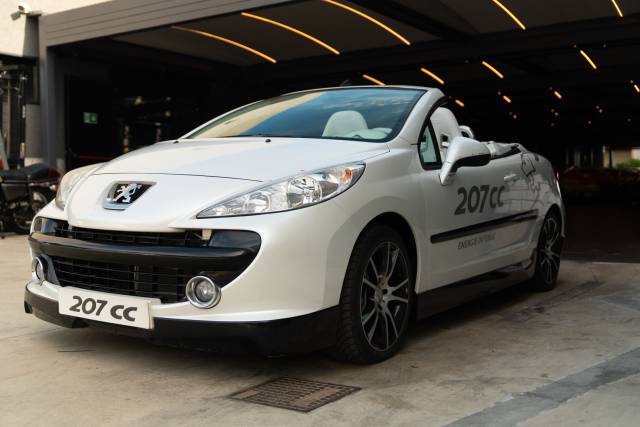
2007 | Peugeot 207 CC 1.6 VTi

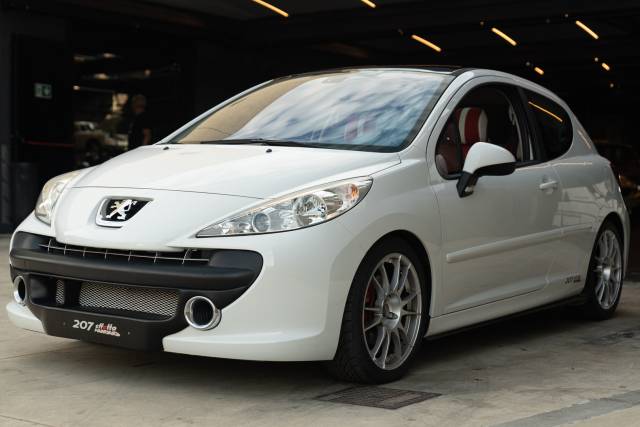
2006 | Peugeot 207 CC 1.6 VTi
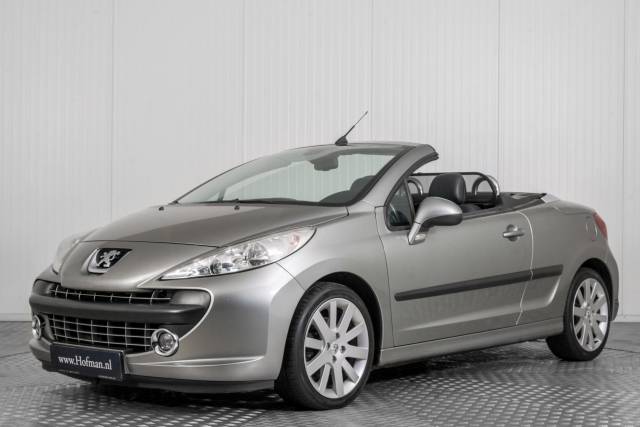
2007 | Peugeot 207 CC 1.6 VTi
Peugeot 207 CC 1.6-16V T Sport
Peugeot 207 Classic Cars: Prices & Market Values
History of the Peugeot 207
Peugeot introduced the 207 at the 2006 Geneva Motor Show, launching it as the direct successor to the bestselling 206. By sharing its platform with the Citroën C3, the 207 streamlined production within the PSA Group. The model aimed to refine the segment with enhanced interior space, improved ride comfort, and advanced safety features for its class. Production continued until 2014, solidifying its place as a versatile choice in the supermini class.
Model History
The 207 succeeded the Peugeot 206 in early 2006 and remained in production until 2014, when it was replaced by the Peugeot 208. Throughout its run, the 207 was available in several distinct forms: three- and five-door hatchbacks, a stylish coupé-cabriolet (207 CC), and a practical estate version (207 SW). This breadth of choice enabled the 207 to appeal to a wide range of drivers, from families to style-conscious commuters.
Highlights of the Peugeot 207
The Peugeot 207 attracted buyers with flexible body options, including hatchback, estate, and coupé-cabriolet types. It offered refined suspension tuning, effective noise insulation, and a spectrum of petrol and diesel engines. CO2 emissions for the series ranged from 145 g/km to 173 g/km, with average consumption between 6.1 and 7.2 l/100 km depending on the variant. Buyers could select from energy efficiency classes B to D, and the 207 met Euro 4 emissions standards during its time.
Technical Data
Special Editions and Collectible Models
Among the noteworthy 207 models were the 207 CC (a coupé-cabriolet with a folding hardtop roof), the 207 SW Outdoor (estate with SUV elements), and trim-specific editions like the Roland Garros and GTi versions. The GTi variant in particular attracted attention for its sportier suspension setup and more powerful engine options, targeting drivers seeking more dynamic handling within the supermini segment.
Weak Spots and Common Issues
Common issues reported for the Peugeot 207 involve minor electrical problems, such as sensor faults or glitches in the on-board electronics, which are not unusual in compact cars of this era. Pay attention to the timing belt intervals, especially for diesel variants, as well as regular checks of the cooling system, which can be prone to leaks if neglected. Suspension components, such as bushings and drop links, may require attention with age and higher mileage.
Engine and Performance, Transmission and Handling
Depending on the engine variant, the 207 delivers between 136 Nm and 240 Nm of torque. Acceleration from 0 to 100 km/h ranges from 8.6 to 12.6 seconds, while top speed lies between 185 km/h and 210 km/h—figures that matched or exceeded most competitors in the segment at the time. The available 5-speed manual gearbox is precise, and the 4-speed automatic suits relaxed city driving. The front-wheel-drive layout and well-tuned suspension yield balanced road manners, while the relatively compact wheelbase of 254 cm ensures agility in urban conditions. Popular versions include the 207 GTi, known for its 1.6-litre turbo engine, stiffer chassis, and sharper steering; the 207 CC, noted for its innovative electric folding roof; and the fuel-efficient 1.4 HDi diesel, prominent among city drivers for its low consumption figures.
Interior, Comfort, Exterior and Design
Styled with contemporary Peugeot flair, the 207 features swept-back headlights, a prominent grille, and a high, arched roofline that maximises interior headroom. Inside, materials were upgraded compared to its predecessor with soft-touch elements, angled dashboards, and well-bolstered seats. The estate (SW) and convertible (CC) versions further extend the design versatility. Unique trim packs, such as those featuring leather upholstery or special colour palettes, accentuate the comfort and personalisation aspects. Accessories from the era included panoramic glass roofs, upgraded stereo systems, and climate control—making well-specified versions particularly sought-after by enthusiasts.
Other Relevant Features
The 207 achieved strong safety ratings during its lifespan, benefiting from multiple airbags, ABS, and reinforced structures. Optional features like parking sensors or cruise control were atypical for the class at the time, highlighting the model's well-equipped character relative to its contemporaries.
Summary
The Peugeot 207 presents an appealing option among classic superminis, offering wide model variation, efficient engines, and robust technical features. Its prominence in the market, as shown by supply and demand figures, reflects consistent interest from buyers valuing comprehensive practicality, modern (for its time) design, and enjoyable road handling. With specialised variants and optional features across the range, the 207 continues to offer a tailored ownership experience for classic car enthusiasts.