Peugeot 505 classic cars for sale
The Peugeot 505, produced from 1979 to 1992, stands out for its robust engineering, smooth driving comfort and a wide range of engine options, from economical diesels to powerful V6 petrols. With rear-wheel drive and meticulous French engineering, the 505 has earned a strong reputation among enthusiasts for its reliability, comfort and international versatility.
Search results
Currently, there are no matching listings for your search.
Create search alert
Let yourself be notified as soon as a listing is published that matches your search filters.
Create listing
Do you have a Peugeot 505 that you want to sell? Then create a listing now.
Create listingPeugeot 505 listing references from Classic Trader
Below you will find listings related to your search that are no longer available on Classic Trader. Use this information to gain insight into availability, value trends, and current pricing for a "Peugeot 505" to make a more informed purchasing decision.
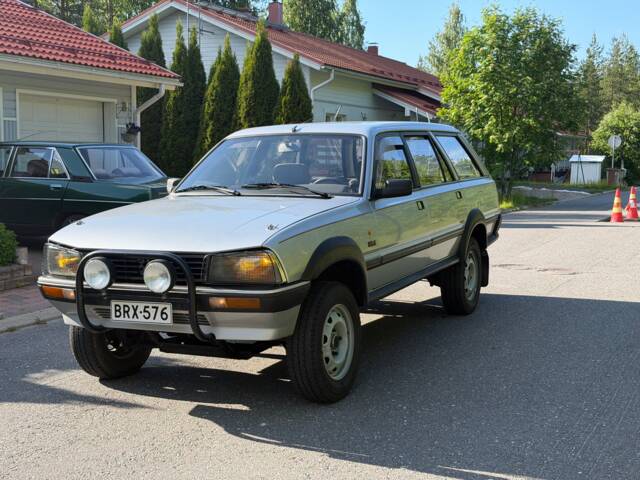
1988 | Peugeot 505 Break 4x4 Dangel
Extremely rare 505 Break 4x4: One of only 500 Dangel estates built, petrol engine, originally produced for North Africa

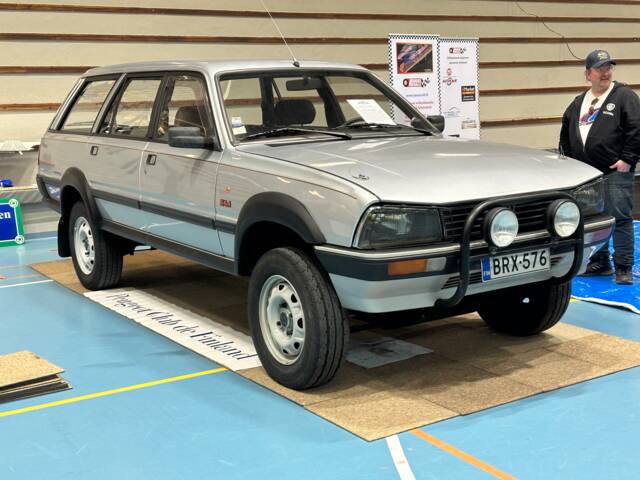
1988 | Peugeot 505 Break 4x4 Dangel
Rare Peugeot 505 4X4 Dangel for sale
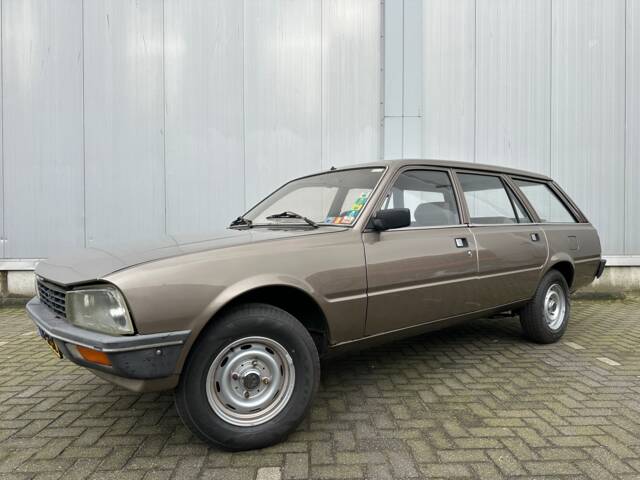
1984 | Peugeot 505 Break
Peugot 505 2.0 GL Familiale 7 Sitze. 72kw. 1985

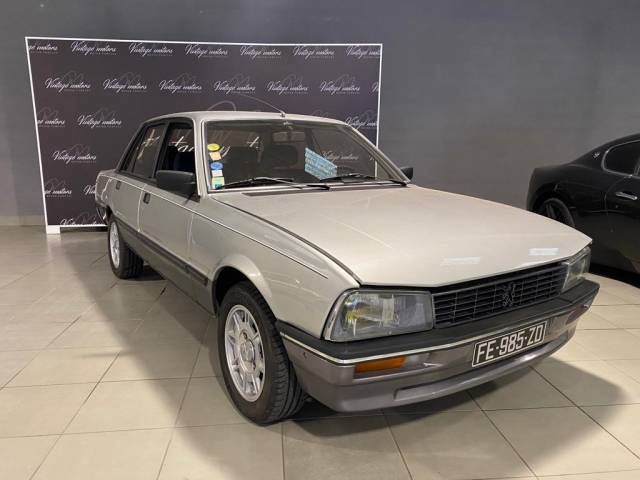
1984 | Peugeot 505 Turbo
505 Turbo Injection

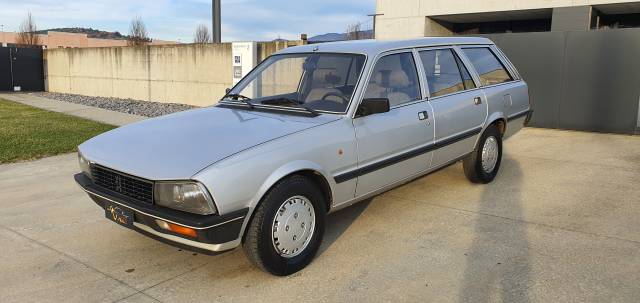
1982 | Peugeot 505 Break
ORO ASI !!! PERFECT CONDITION LIKE NEW !!! FIRST PAINT.

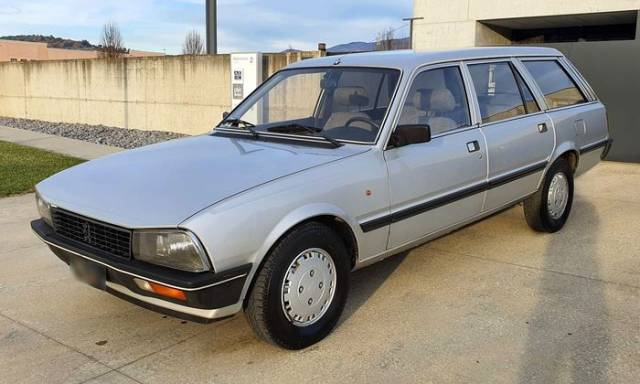
1984 | Peugeot 505 Familiale
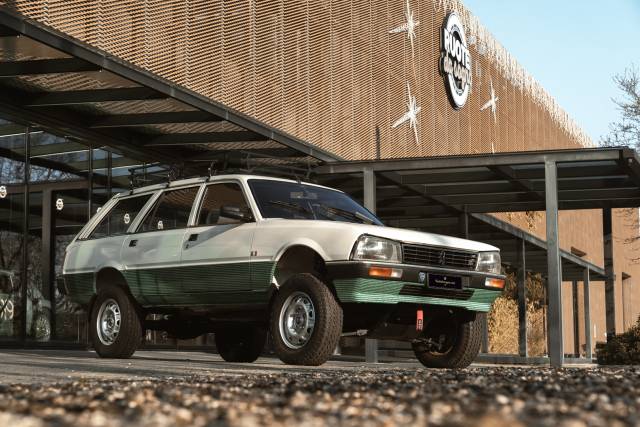
1985 | Peugeot 505 Break
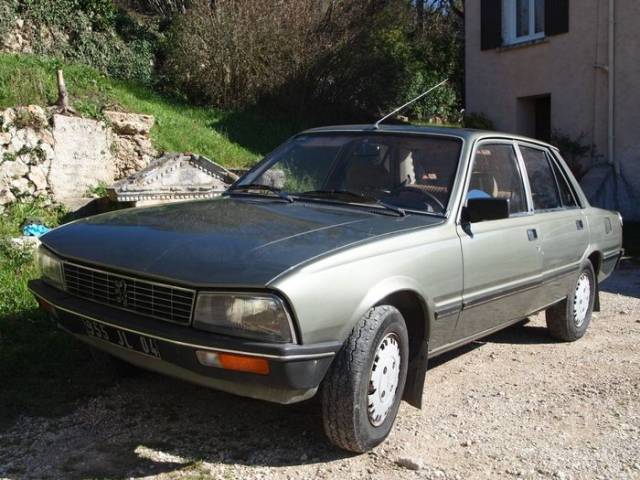
1983 | Peugeot 505
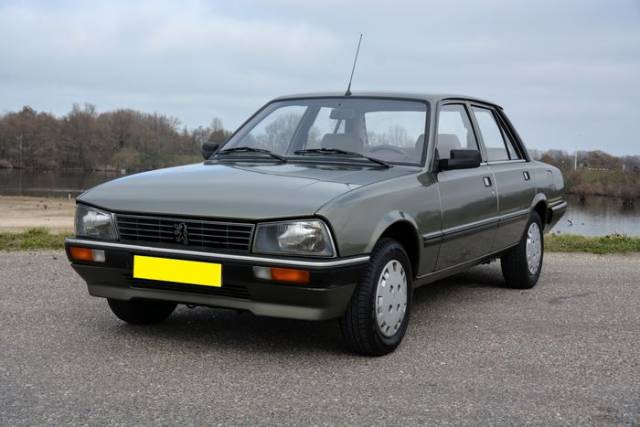
1985 | Peugeot 505
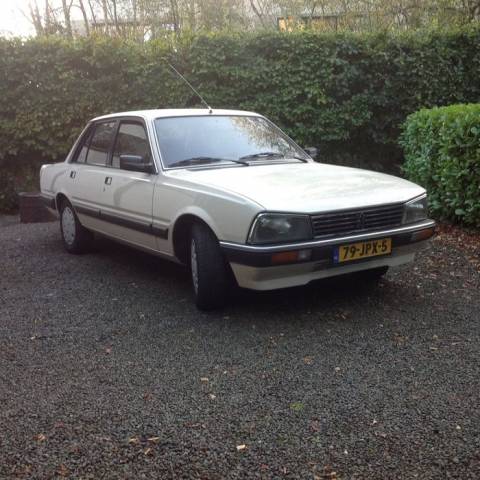
1986 | Peugeot 505 GTD Turbo
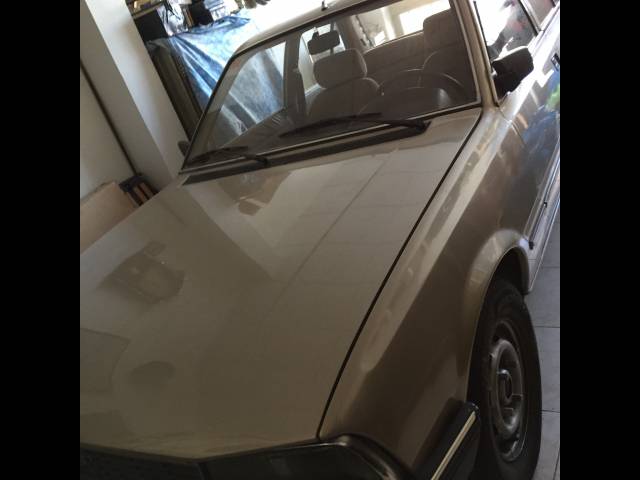
1980 | Peugeot 505 Diesel
Perfecto estado de carrocería. Funcionando.

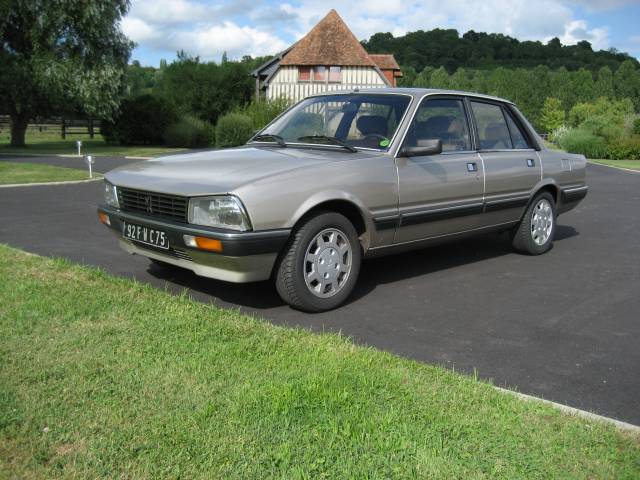
1986 | Peugeot 505
PEUGEOT 505 GTI
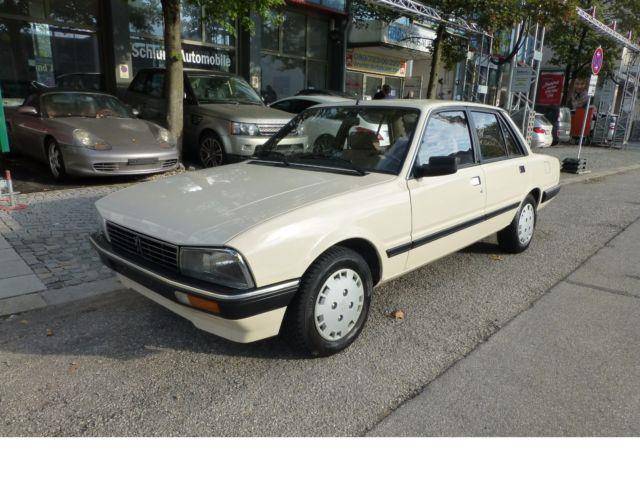
1986 | Peugeot 505 GR Injection
Peugeot 505 GR Injection original 79000 Km H-Kennzeichen

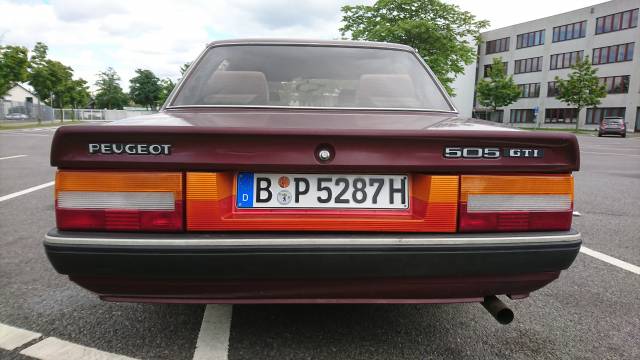
1987 | Peugeot 505
Peugeot 505 GTI mit H Zulassung !
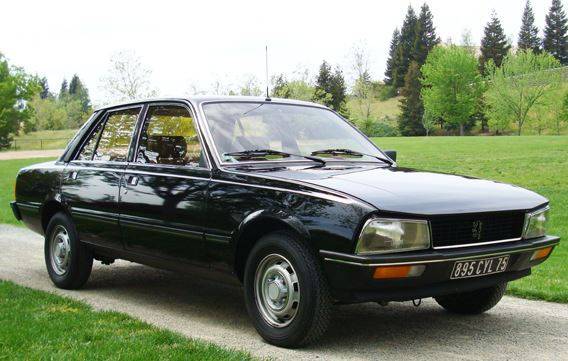
1980 | Peugeot 505
505 | wie aus dem Ei
Create search alert
Let yourself be notified as soon as a listing is published that matches your search filters.
Create listing
Do you have a Peugeot 505 that you want to sell? Then create a listing now.
Create listingPeugeot 505 Classic Cars: Prices & Market Values
History of the Peugeot 505
Launched in May 1979, the Peugeot 505 was introduced as the direct successor to the successful Peugeot 504. Designed by Pininfarina and engineered for versatility, it was initially available as a four-door saloon before a practical estate variant debuted in 1982. The 505 was Peugeot’s last rear-wheel drive model, marking the end of a significant era for the brand. Its production extended far beyond France, reaching countries such as Argentina, China, and Nigeria, and the model's durability led to a remarkable global presence: serving as a workhorse in Africa, a taxi in New York, a police vehicle in France, and even as ambulances across several countries. Its combination of comfort, load capacity, and capability made the 505 a true all-rounder on the road.
Model history
The Peugeot 505 model lineage began with its role as replacement for the Peugeot 504, taking over in terms of mechanical layout and philosophy but modernising where it mattered. The 505 was built with a longitudinal front engine and rear-wheel drive, featuring modernised MacPherson suspensions front and independent rear axles. Over its lifetime, both the saloon and estate ('Break') body styles were available. Notable variants include the Familiale estate with seating for up to eight, and the Dangel 4x4 with four-wheel drive. Although various cabriolet and coupé prototypes existed, they remained one-offs and never entered mass production. The 505 was not immediately replaced at the end of European production in 1992; instead, its spirit lived on in Peugeot’s subsequent family cars, although none would quite match the 505's international breadth.
Highlights of the Peugeot 505
The 505 distinguished itself with extraordinary interior comfort, cleverly engineered seats, and extensive equipment typical for its class: power steering, central locking, sunroof, four disk brakes, and even air conditioning for higher trims. Unique among its contemporaries, its rear-wheel-drive dynamics and long travel suspension allowed for a smooth yet lively driving experience. Special versions, such as the Dangel 4x4 and Familiale estate, offered seven or even eight seats. The model's interior was designed by Paul Bracq, renowned for his work at Mercedes, and combines practicality with high build quality. Body corrosion resistance was improved thanks to partial galvanisation, making rust less of a concern than on many competitors. Original paint colours range from classic tones to metallic greens, often combined with chrome trim details.
Market statistics:
- Among classic Peugeot vehicles, the 505 dominates both supply and demand listings, holding a 100% share in the respective segments. This underscores its singular status and ongoing relevance among collectors and enthusiasts alike.
Technical Data
Special Editions and Collectible Models
Several editions stand out within the 505 family:
- 505 GTI: Equipped with a 2.2-litre engine, 5-speed gearbox and rear limited-slip differential. Valued for its lively performance.
- 505 V6: The fastest in the range, with a 2.8-litre engine developed from a V8 concept, sought after for its rare power and equipment.
- Dangel 4x4: A limited-production all-wheel-drive model, respected for its off-road capabilities, especially in rural and mountainous areas.
- Familiale 8-seater Estate: Appreciated by large families and taxi operators for its exceptional practicality and versatility.
Weak Spots and Common Issues
The 505 benefits from solid mechanicals and a partially galvanised body, making it less susceptible to rust than many of its contemporaries. However, as with any car of this era, intensive use may lead to expected wear on brakes, carburettors and filters, as well as issues with electrical components on higher-specification models (such as power windows and central locking). Keep an eye out for original suspension and exhaust system condition—for aged examples, replacement may be overdue but remains straightforward due to the car’s robust engineering. Routine, attentive maintenance preserves the value and reliability of any Peugeot 505.
Engine, Performance and Handling
The heart of the 505 range is versatility, with engines ranging from the reliable 2.0-litre petrol (107 PS) through the lively 2.2-litre GTI, right up to the muscular 2.8-litre V6 (up to 174 PS). Diesel variants, including the 2.5 TurboDiesel, ensured low running costs and robust performance, especially valued in commercial and high-mileage roles. Most models come with a 5-speed manual, though automatics are available on select variants. The 505’s balanced rear-wheel-drive chassis, MacPherson front suspension and long-travel rear geometry provide excellent ride comfort, confident roadholding and remarkable adaptability, whether on urban tarmac or off-road adventures (especially with the Dangel 4x4).
Popular Models:
- 505 GTI: 2.2-litre engine, 130hp, top speed 185 km/h, 5-speed manual, limited slip differential.
- 505 V6: 2.8-litre, 170hp+, highest performance in the range.
- 505 Dangel 4x4: Rugged off-road capability, highly sought after for rural use.
- 505 Familiale: 8-seater practicality, renowned in the taxi and large family sectors. undefined
Interior, Comfort, Exterior and Design
Styling by Pininfarina gave the 505 a crisp, functional silhouette, while interior design credited to Paul Bracq showcased French comfort. The dashboard evolved through the years, with the later ‘second type’ enjoying improved ergonomics. Interior materials ranged from robust cloth to more luxurious fabric finishes. Factory options often included power windows, sunroof, tinted glass and central locking. Chromed exterior details—door handles, window frames—set the 505 apart from the more austere competition. The combination of generous seat padding, excellent visibility, and spaciousness defined the driving experience, especially in the estate variants, where folding rear seats could create a huge, flat load area.
Special paint colours—especially green metallic—and museum-listed prototypes (cabriolet/coupé) highlight the diverse aesthetic appeal of the series.
Other notable features
The Peugeot 505’s adaptability saw it converted for specialist uses: ambulance, police, funeral car, and even pickups in some markets. With its recognition as a classic eligible for historic registration (H-plate in Germany), the 505’s robust engineering and practical design continue to endear it to collectors and regular drivers alike. Its international assembly also means parts and expertise are more accessible than for many other classics.
Summary
Combining French comfort with engineering durability, the Peugeot 505 stands as a classic for those seeking mechanical robustness, genuine practicality, and nuanced dynamics across a broad model range. From the 2.0-litre saloon to the rare Dangel 4x4, every 505 offers a distinctive experience—making it a unique proposition within both the historic and current classic Peugeot landscape.