Peugeot 305 classic cars for sale
The Peugeot 305, produced between 1977 and 1989, stands for practical design and everyday usability. Available as a saloon, estate and van, it is valued today for its solid engineering, robust four-cylinder engines and straightforward maintenance. The range covers both petrol and diesel options, with documentation and original parts often still available.
Search results
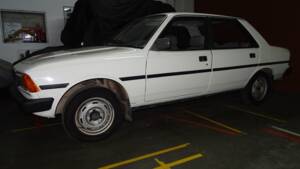
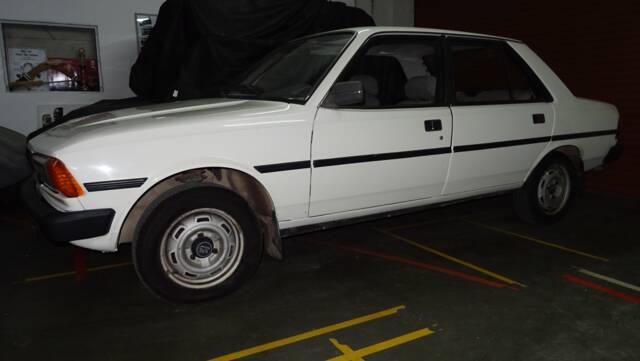
1982 | Peugeot 305
Eingelagertes Fahrzeug

Peugeot 305 listing references from Classic Trader
Below you will find listings related to your search that are no longer available on Classic Trader. Use this information to gain insight into availability, value trends, and current pricing for a "Peugeot 305" to make a more informed purchasing decision.
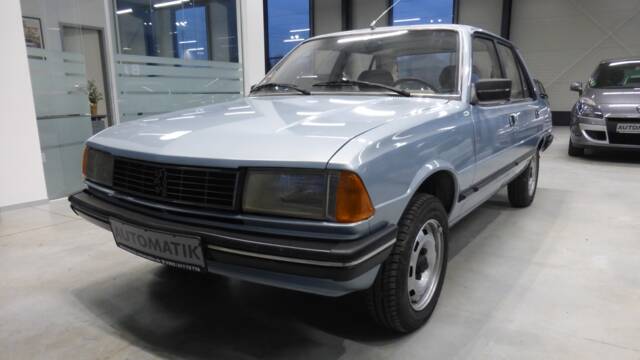
1986 | Peugeot 305
Peugeot 305 1.6 Automatic H-Kennz. nur 66000 km
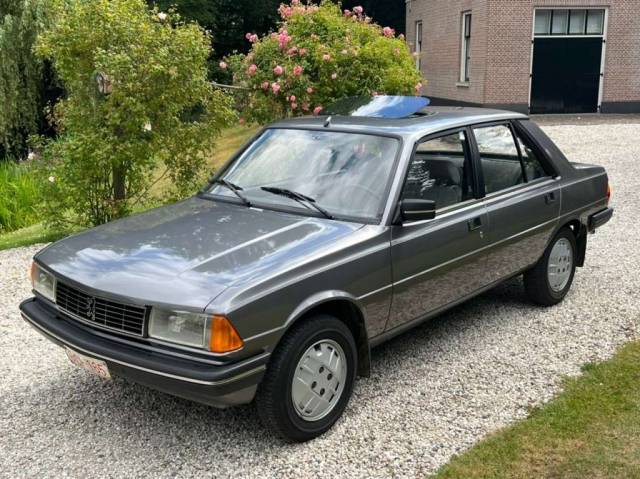
1987 | Peugeot 305
Peugeot 305 1.3 Sedan 1987 1e eig. 12.480km ONGERESTAUREERD #F

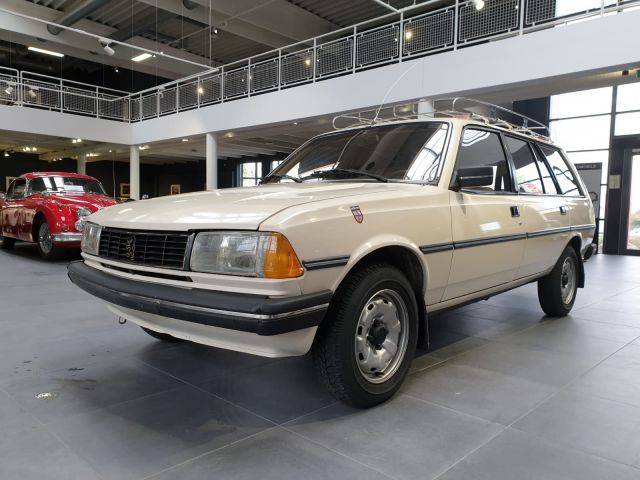
1984 | Peugeot 305 GT Break
Peugeot 305
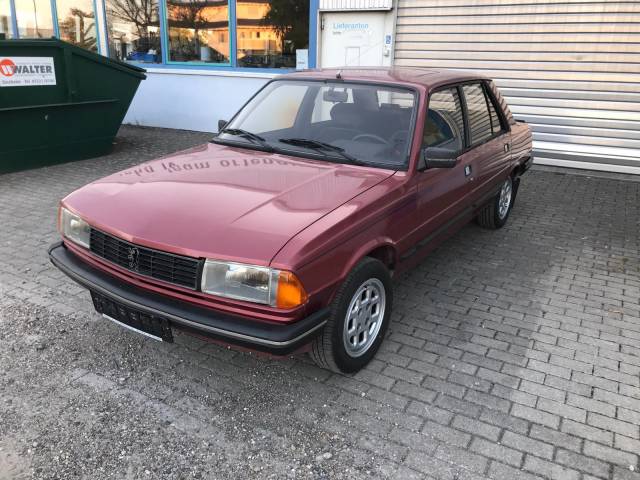
1985 | Peugeot 305
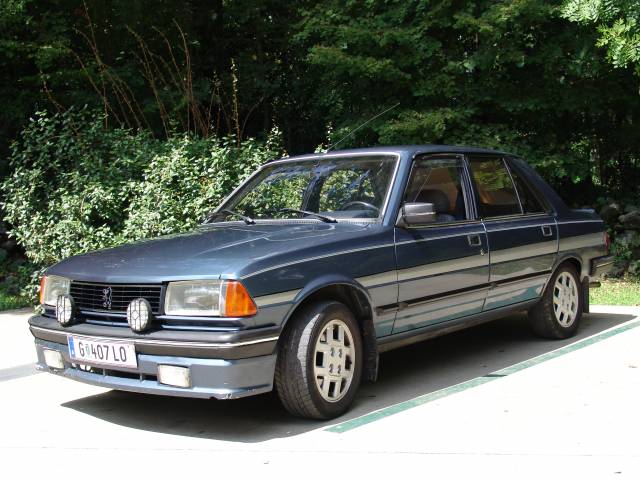
1986 | Peugeot 305
Injektion Automatic

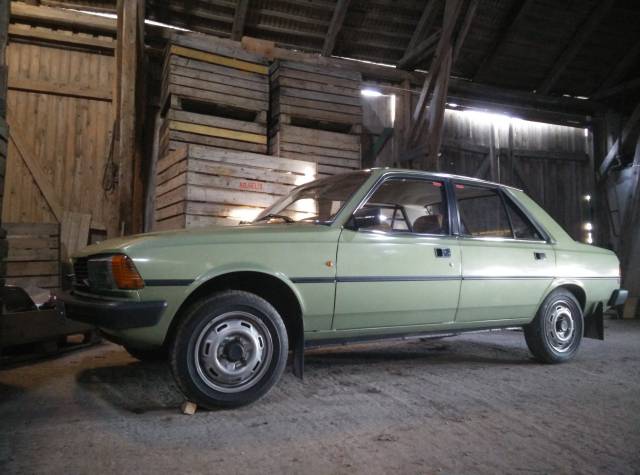
1979 | Peugeot 305

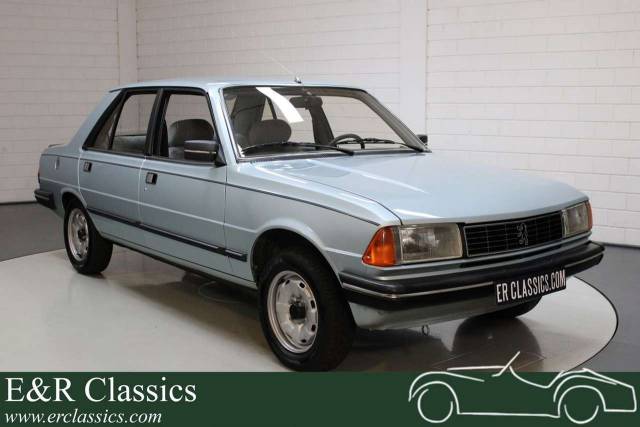
1983 | Peugeot 305
Peugeot 305 GT origineel 37.984 kilometer 1983
Peugeot 305 Classic Cars: Prices & Market Values
History of the Peugeot 305
Introduced in November 1977, the Peugeot 305 replaced the Peugeot 304 in Peugeot's model line-up. With roots deeply connected to France's everyday motoring, the 305 started as a four-door saloon. By August 1980, a traditional 'Break' estate version and the delivery-focused 'Break Service' were added, meeting the needs of families and tradesmen alike. In 1982, the model underwent a significant update: the front end received more aerodynamic shaping and identifying badges moved to the rear. Production of both saloon and estate variants continued until December 1988, by which time the 305 had become Peugeot's most-built model in that era. Its legacy continued in regions like Saarland, Germany, where it served as a police vehicle due to its Franco-German connections. The line was succeeded by the Peugeot 309 from 1985 and later the Peugeot 405 from 1987.
Model History
The 305 emerged as the direct successor to the Peugeot 304 (produced from 1969 to 1980). It debuted in 1977 as a saloon, followed by the estate in 1980, and commercial van variants soon after. Its lifecycle saw a 1982 update that brought revision to its styling and mechanicals, including new XU engines with a classic separation between engine and gearbox. The final 305 rolled off the line in 1988, replaced by the Peugeot 309 and subsequently the 405, both of which built upon the foundation laid by the 305. The 305’s long production run across Europe, especially France and Germany, positions it as a key chapter in Peugeot’s family car legacy.
Highlights of the Peugeot 305
A defining feature of the Peugeot 305 is the combination of practicality and versatility—a true multi-role vehicle. The aluminium four-cylinder engines, either carburetted or diesel, provide durability and economy. The 305’s front-wheel drive architecture, then less common for its segment, elevates interior space and efficiency. Updates in 1982 further improved aerodynamics and day-to-day practicality.
Technical Data
Special Editions and Collectible Models
The Peugeot 305 S5 stands out as an enthusiast edition, equipped with a five-speed manual gearbox, sport wheels and tyres, tachometer, and sport steering wheel. It was aimed at drivers seeking a sportier feel within the pragmatic 305 package.
Weak Spots and Common Issues
Routine maintenance for the 305 focuses on basic service: changing fluids, filters, spark plugs and maintaining the exhaust. Due to its age, attention should be paid to the carburettor (for fuelled models), ignition components, and periodic reviews of the fuel tank and pump, especially after long periods of inactivity. Rubber seals, hoses, tyres and the exhaust system may also require attention. Original documentation and spare parts are often still available, and annual technical inspections (like TÜV in Germany) are the norm for roadworthiness verification.
Engine and Performance, Transmission and Handling
The Peugeot 305 is powered exclusively by in-line four-cylinder engines with notable longevity and low running costs. Power outputs range from 44 kW for entry-level petrol units to 75 kW in sportier petrol versions, while diesel variants range between 36 and 38 kW. Power delivery is to the front wheels via a manual transmission—five-speed gearboxes for sportier editions. The handling is predictable and designed for everyday use, with good stability. The estate versions maintain a balance between load-carrying ability and comfort. The combination of aluminium engine block and overhead camshaft design results in robust reliability for the era. - 305 S5 (sporty, five-speed manual, enhanced chassis)
- 305 Break (estate, versatile loading space)
- 305 Break Service (van version for utility applications)
Interior, Comfort, Exterior and Design
The 305’s design is a study in late-1970s rationality: clean lines, a practical four-door saloon or roomy estate layout, and a cabin focused on utility. Materials used are robust fabrics and plastics suitable for heavy use. Options often included original Peugeot wool blankets or protective accessories for the rear seat. The mid-cycle facelift brought sleeker, more aerodynamic front-end styling. Instrumentation is typically Peugeot, with clear dials and accessible controls. Estate models feature large tailgates and low loading heights, appealing to families and professionals alike.
Other relevant features
Original features often found include lockable fuel caps, full-service booklets, spare keys, and sometimes even showroom literature. Professional appraisals or classic car expert reports are available for the best-preserved examples. The car tolerates long periods of storage but should be properly maintained after layup.
Summary
The Peugeot 305 exemplifies classic French practicality. Its diverse variants, sturdy powertrains, and focus on usability create lasting appeal. Easy maintenance, clear documentation, and a presence across continental Europe make the 305 a relevant option for those seeking a classic car to use and preserve. Its high share in classic Peugeot supply and demand underlines its pivotal role in the marque's catalogue.