Peugeot 307 classic cars for sale
The Peugeot 307 is a compact family car distinguished by its practical design, strong PSA technology and a noteworthy reputation as European Car of the Year 2002. Offered in many body styles and noted for comfort and economy, the 307 continues to draw enthusiasts looking for accessible French engineering and everyday reliability.
Search results
Currently, there are no matching listings for your search.
Create search alert
Let yourself be notified as soon as a listing is published that matches your search filters.
Create listing
Do you have a Peugeot 307 that you want to sell? Then create a listing now.
Create listingPeugeot 307 listing references from Classic Trader
Below you will find listings related to your search that are no longer available on Classic Trader. Use this information to gain insight into availability, value trends, and current pricing for a "Peugeot 307" to make a more informed purchasing decision.
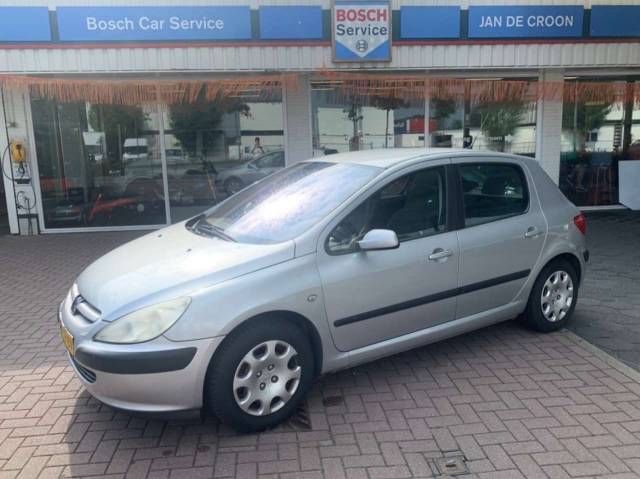
2001 | Peugeot 307 1.6
Peugeot 307 1.6 16v XT 5drs Automaat 2e eig. 105.000km NAP #RI

Create search alert
Let yourself be notified as soon as a listing is published that matches your search filters.
Create listing
Do you have a Peugeot 307 that you want to sell? Then create a listing now.
Create listingPeugeot 307 Classic Cars: Prices & Market Values
History of the Peugeot 307
Launched in 2001, the Peugeot 307 set a fresh benchmark in the compact segment. As the direct successor to the popular Peugeot 306, it was developed on the PSA PF2 platform and immediately caught the attention of motoring journalists, winning European Car of the Year in 2002. Its production run in Europe lasted until 2008, although it was produced further in China and South America until 2014. During its lifespan, the 307 stood out for marrying everyday usability, elevated safety features, and a modest running cost. The model appeal spanned practical hatchbacks, estates, and convertibles, capturing diverse audiences across Europe and beyond.
Model history and development
The 307 replaced the Peugeot 306, a series that had enjoyed almost a decade of success. While retaining front-wheel drive, the 307 introduced a more rounded, aerodynamically-informed design. Over its several iterations, the 307 was available as hatchback, SW estate, and CC coupé-cabriolet. In 2007, Peugeot began phasing out the 307 in most European markets, introducing the 308 as its successor — though the 307 continued to be built and sold internationally for several more years, testament to its adaptable engineering and ongoing demand.
Highlights of the Peugeot 307
Distinctive for its versatile configurations, the 307 offers a notably spacious interior for its class, with clever ergonomics that make the cabin inviting and user-friendly. The vehicle balances effective fuel consumption with a comfortable drive, whether as an urban hatchback or practical SW estate. The 307’s blend of safety equipment, such as ABS and multiple airbags, was ahead of many competitors at market launch.
Technical Data
Special Editions
Throughout its production, the 307 series introduced several special editions tailored for particular markets, including trim variations with upgraded upholstery, unique alloy wheel designs, and exclusive paint finishes. Notably, the 307 CC trim redefined the compact cabriolet experience with its electric folding hardtop mechanism, leading the trend for coupé-cabriolets in the mid-2000s.
Weak Spots and Common Issues
Common points to check on the Peugeot 307 include the durability of electrical systems — particularly central locking, window regulators, and the multifunction display, which are known for intermittent faults. Suspension wear, especially front drop links and bushings, as well as regular maintenance of the timing belt, are essential for reliable operation. It’s vital to assess for water ingress in the cabin and boot, and for evidence of proper coolant system maintenance, as neglected servicing can accelerate head gasket issues.
Engine, Performance, Transmission and Handling
The Peugeot 307 was engineered for balanced, predictable road manners, with progressive steering and well-calibrated suspension focused on ride comfort. With a 5-speed manual and 190 Nm peak torque, the engine delivers ample performance for daily use, achieving 0–100 km/h in just over 10 seconds — competitive for its segment. The front-wheel drive layout gives stable traction in all conditions, while fuel consumption figures reflect its positioning towards practical, economical operation. Highlighted versions include the SW estate for its extended utility and the 307 CC for its innovative retractable roof. These models combine everyday usability with distinctive Peugeot engineering.
Interior, Comfort, Exterior, and Design
Pininfarina-influenced styling is evident in the 307’s proportions and flowing bodylines. The cabin is generously sized, with well-bolstered seats, a sweeping dashboard, and controllable climate options to enhance daily comfort. Unique trim variants introduced special upholstery, two-tone interiors, and custom alloy wheels. The SW model’s panoramic glass roof was a standout feature, lending remarkable light and spaciousness to the interior. Optional extras included parking assistance, advanced infotainment, and premium speaker systems, setting the 307 apart from many competitors in its class.
Other Relevant Features
The 307’s versatility extended to an impressive selection of factory accessories and dealer-fit extras. Roof rails for the SW, modular rear seating, and integrated Bluetooth telephony became available in late-series models. Child safety features such as ISOFIX mounting points and comprehensive airbag packages reflect the car’s attention to family needs.
Summary
The Peugeot 307 holds a significant place in modern Peugeot history, blending the marque’s renowned ride comfort with pragmatic engineering and practical features. Offering a robust supply and demand on the classic car market, the 307 appeals to enthusiasts appreciating reliable, well-equipped compact vehicles with French character and versatile everyday capabilities.