Peugeot 190 Classic Cars for Sale
The Peugeot 190 stands out in the classic car world for its compact size, surprising versatility, and unmistakable 1920s design. With its Torpedo bodywork available as both a utility and convertible, the 190 carves a niche for drivers who appreciate authentic vintage engineering and open-air motoring.
Search results
Currently, there are no matching listings for your search.
Create search alert
Let yourself be notified as soon as a listing is published that matches your search filters.
Create listing
Do you have a Peugeot 190 that you want to sell? Then create a listing now.
Create listingPeugeot 190 listing references from Classic Trader
Below you will find listings related to your search that are no longer available on Classic Trader. Use this information to gain insight into availability, value trends, and current pricing for a "Peugeot 190" to make a more informed purchasing decision.
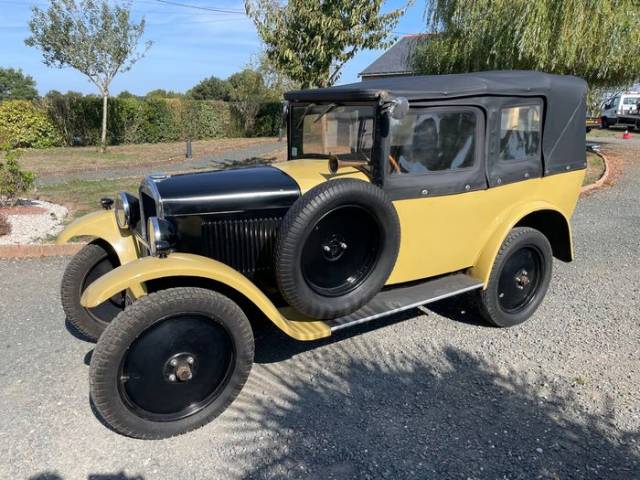
1925 | Peugeot 190S

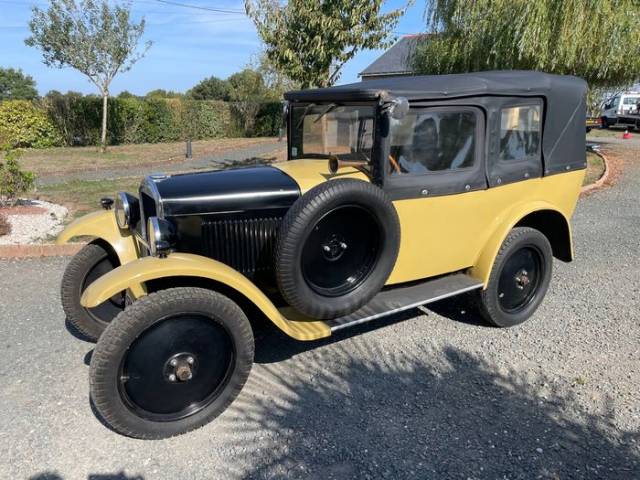
1925 | Peugeot 190S
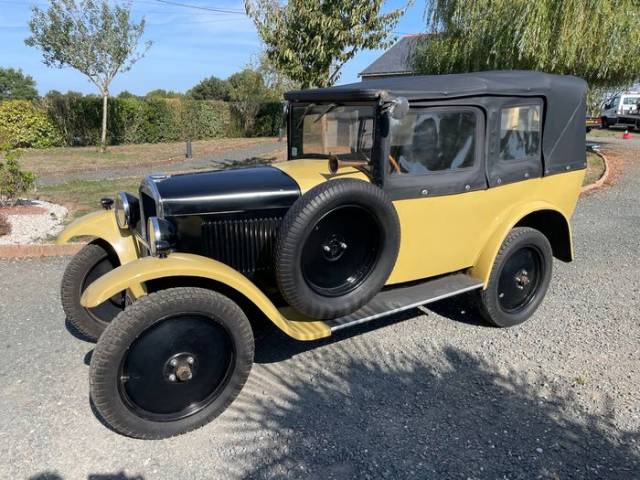
1925 | Peugeot 190S
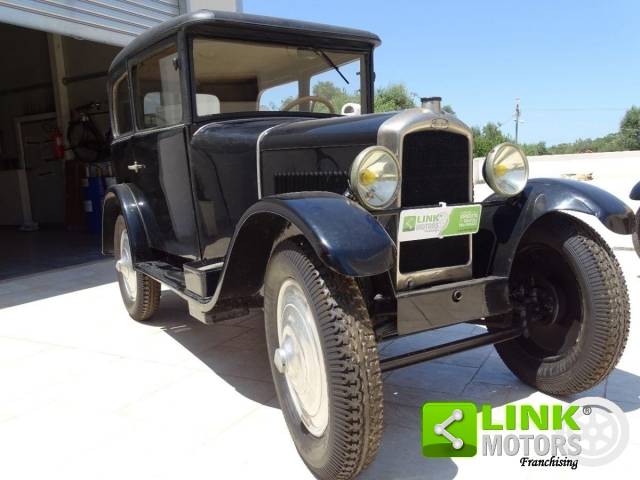
1928 | Peugeot 190S
Peugeot 190S del 1928

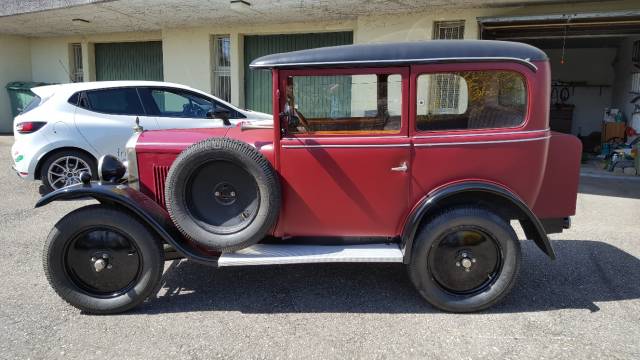
1929 | Peugeot 190S

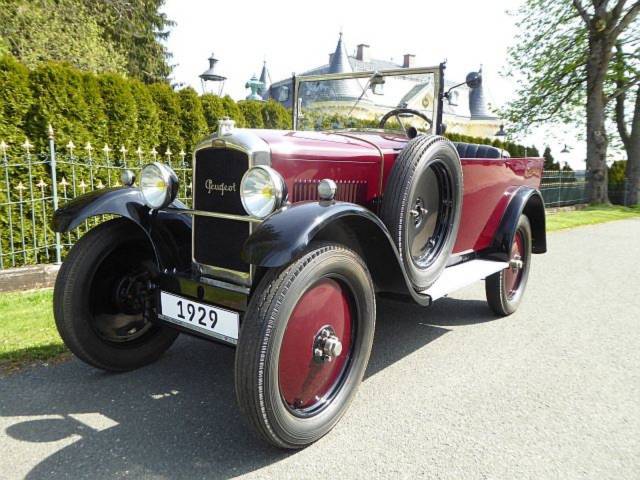
1929 | Peugeot 190S
Peugeot Torpedo 190S Cabrio TÜV - H Kennzeichen

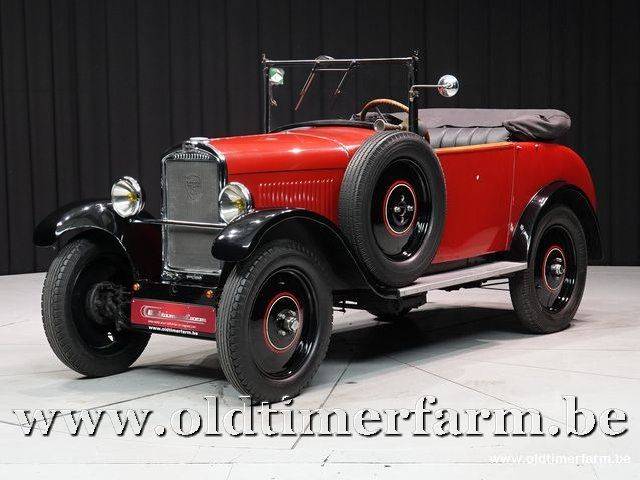
1930 | Peugeot 190S
1930 Peugeot 190S '30

Create search alert
Let yourself be notified as soon as a listing is published that matches your search filters.
Create listing
Do you have a Peugeot 190 that you want to sell? Then create a listing now.
Create listingPeugeot 190 Classic Cars: Prices & Market Values
History of the Peugeot 190
Introduced in January 1925, the Peugeot 190 was designed as an entry-level vehicle during a period when the automobile was becoming accessible to a broader segment of society in Europe. Peugeot, already a well-established manufacturer by that time, positioned the 190 as a compact car suited for city driving as well as for use as a practical utility vehicle. Its lightweight construction, three-speed manual transmission, and rear-wheel drive were typical for the era, and its simplicity made it attractive to first-time car buyers.
Model History
The 190 was produced in a short run, speaking to Peugeot’s experimental approach throughout the 1920s. While direct predecessors included Peugeot's other small and mid-sized cars, the 190’s closest spiritual successor would be later small family cars in the brand’s line-up. Its release slotting between pre-war utility models and the more sophisticated post-war Peugeots, it helped define a segment for lightweight multi-purpose vehicles.
Highlights and Unique Features
With its Torpedo body (cabriolet configuration with soft top), the Peugeot 190 is recognisable due to its classic proportions: 340 cm length, 130 cm width, and a 227 cm wheelbase. The model’s lightweight construction (only 650 kg) and original features such as hand-crank starting and eight-valve inline-four engine make it especially appealing to purists. The 190 was equally available in passenger and utility body styles, reflecting Peugeot’s versatile approach in the 1920s.
Technical Data
Special Editions and Collectible Models
While the Peugeot 190 was mostly produced in standard configurations, cabriolet bodywork with Torpedo styling is particularly notable. Any surviving vehicles with original features in unrestored condition are valued for their authenticity. There are no officially recognised limited-edition variants recorded for this model.
Weak Spots and Common Issues
No specific common technical issues are documented for the Peugeot 190 in the supplied data. However, given the general mechanical principles of vintage vehicles from the 1920s, attention should be given to the lubrication of moving parts, the integrity of the wooden and steel chassis, and regular inspection of the manual ignition and fuel systems. Preserving original features such as the hand-crank mechanism requires experience with period-correct servicing.
Engine, Transmission and Handling
The four-cylinder engine of the Peugeot 190 delivers a modest 14 PS, but its low weight ensures usable performance for city driving typical of its era. The three-speed manual gearbox provides simple yet reliable operation, and rear-wheel drive supports predictable handling on period roads. The Torpedo configuration, with its open top, enhances the driving experience, giving a tangible link to 1920s motoring moods. - Peugeot 190 S Torpedo: Known for its dual role as a utility vehicle and an open cabriolet, original examples offer a direct connection to interwar European motoring.
- Standard Torpedo: Particularly valuable if retaining original features such as the crank starter and period-correct fittings.
Interior, Comfort, Exterior and Design
Externally, the Peugeot 190 is marked by its slim lines, narrow body, and upright Torpedo silhouette. The open cabriolet layout fits two to four passengers, with weather protection via a folding top. Interior appointments are minimal but authentic to the decade—plain instrumentation, exposed controls, and basic seating. Typical materials include simple leathers or textiles, and the spartan dashboard is a study in 1920s utilitarianism. Factory colours varied, but most cars appeared in muted period-appropriate paint schemes with simple brightwork. Only basic accessories, such as a spare tyre mount and foldable windscreen, were offered.
Other Features
The starting procedure on the 190 is a historical feature in itself, relying on a hand-crank system and mechanical fuel priming typical for vehicles before the widespread adoption of electric starters. The versatility as both a passenger vehicle and as a platform for light commercial use set the 190 apart in period automotive culture.
Summary
The Peugeot 190 brings a distinctive slice of 1920s automotive history to today’s classic car scene. Its combination of technical simplicity, multiple body styles, and period-correct driving character makes it a rare—and now exclusive—sight on the market. For enthusiasts searching for a pure automotive experience from a foundational era, the 190 deserves attention.