- Car
- Marcos (7 offers)
Buy Marcos Classic Cars
Marcos combined British specialist-car ingenuity with remarkably low fibreglass bodies, lightweight structures and engines from Volvo, Ford, Rover and Chevrolet. Find a Marcos classic car with its chassis construction, specification and Australian registration history properly documented.
Search results
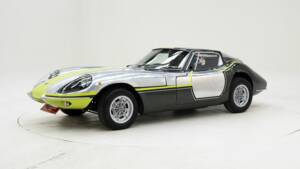
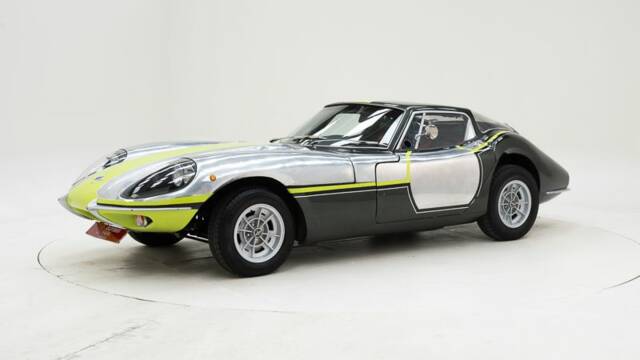
1972 | Marcos 1800 GT
1972 Marcos 1800 Prototype '72

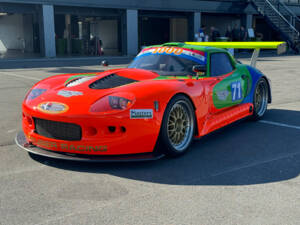
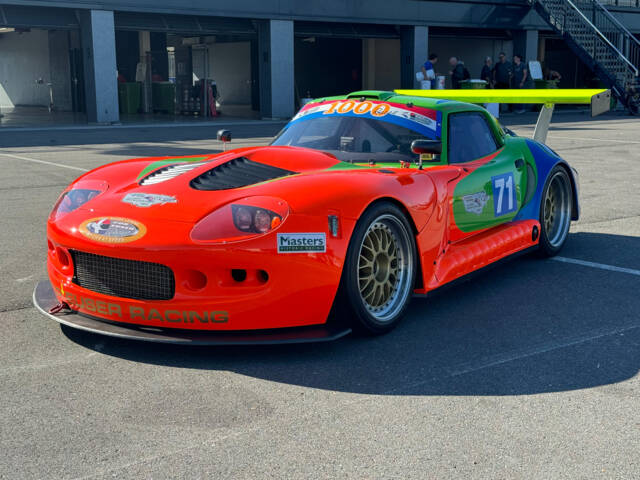
2006 | Marcos Mantis GT3
“Best value for money in Endurance Legends”
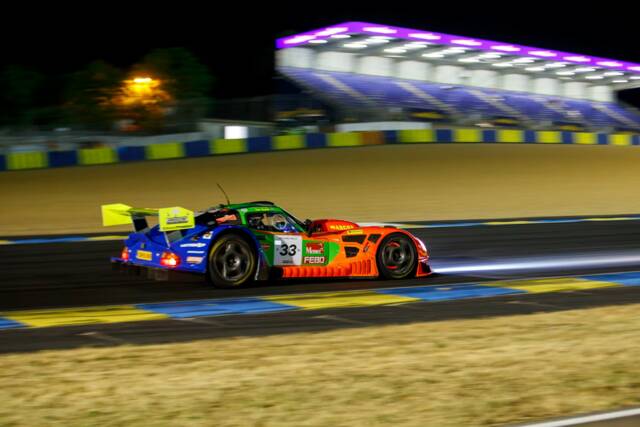
2000 | Marcos Mantara LM600 EVO
“La Bomba”
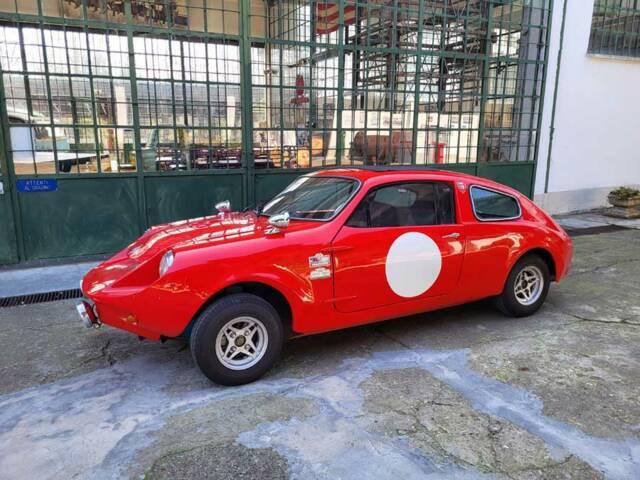
1978 | Marcos Mini Marcos 1300 GT
SUMMER PRICE 2026 @ CITY MOTORS

Newsletter
The best Marcos listings, straight to your inbox
Get hand-picked Marcos listings, plus the best of cars, motorbikes, and auctions on Classic Trader — all in one place.
1999 | Marcos Mantis Challenge
“Anglo-Dutch Challenger”
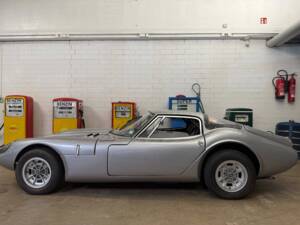
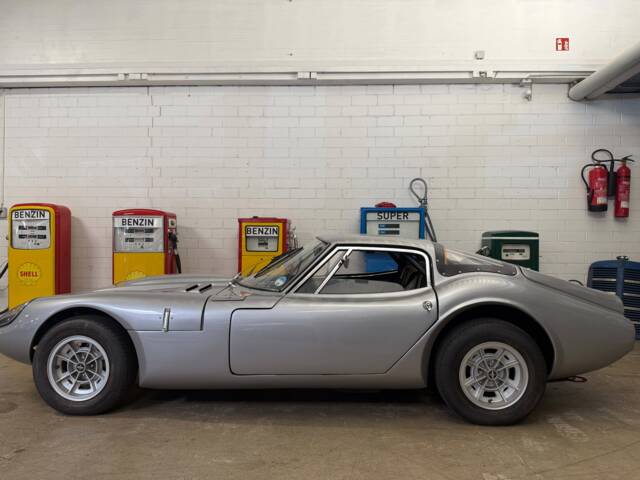
1969 | Marcos 3000 GT
Sonstige Marcos

Marcos listing references from Classic Trader
Below you will find listings related to your search that are no longer available on Classic Trader. Use this information to gain insight into availability, value trends, and current pricing for a "Marcos" to make a more informed purchasing decision.
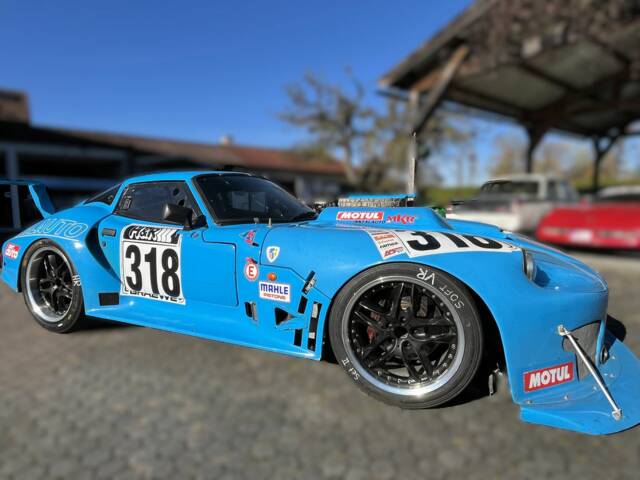
1994 | Marcos LM500
Marcos LM 500 race car | 1994 | Route 66 Auctions - For sale by auction. Estimate 29500 EUR

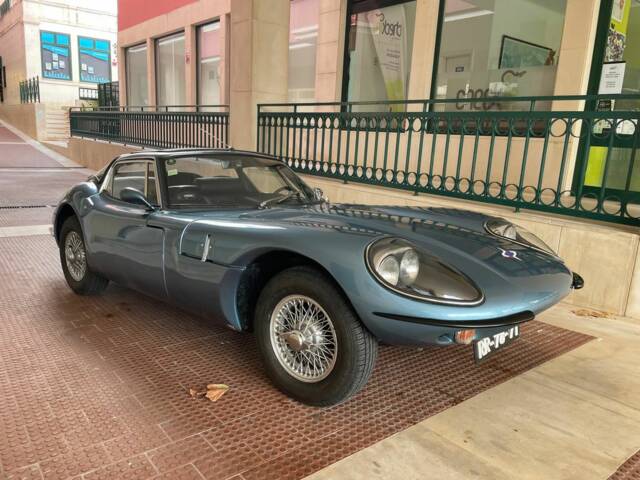
1968 | Marcos 1600 GT
Marcos 1600 GT | 1968 | Route 66 Auctions - For sale by auction. Estimate 23500 EUR
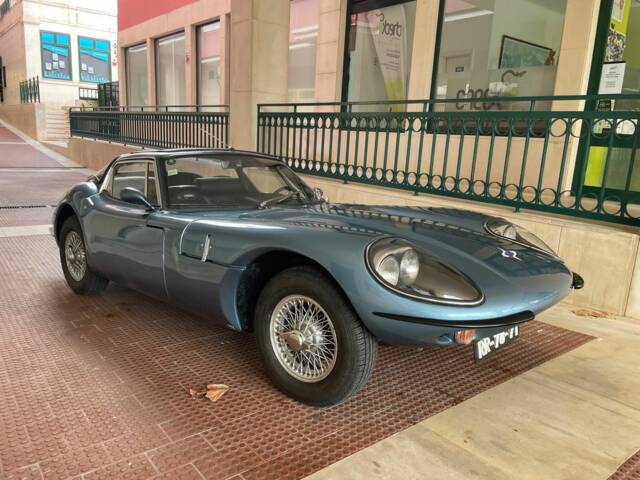
1968 | Marcos 1600 GT
Marcos 1600 GT | 1968 | Route 66 Auctions - For sale by auction. Estimate 23500 EUR
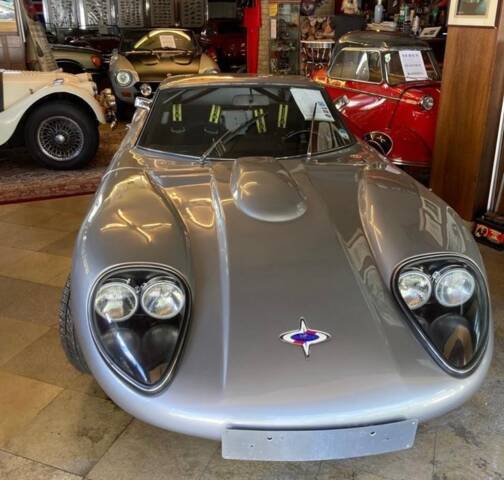
1969 | Marcos 3.0 Litre


1967 | Marcos 1500 GT
1967 Marcos 1500 GT. Im Auktionsverkauf. Schätzwert: 14.000 € - 20.000 €. Ohne Mindestpreis!
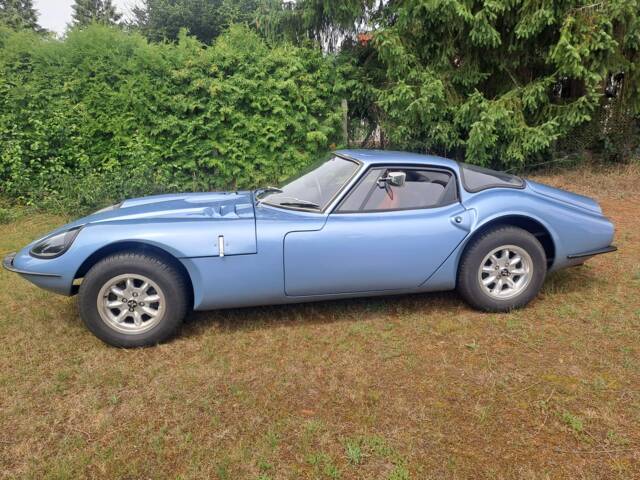
1965 | Marcos 1800 GT
Oldtimer mit H-Zulassung, sehr selten !
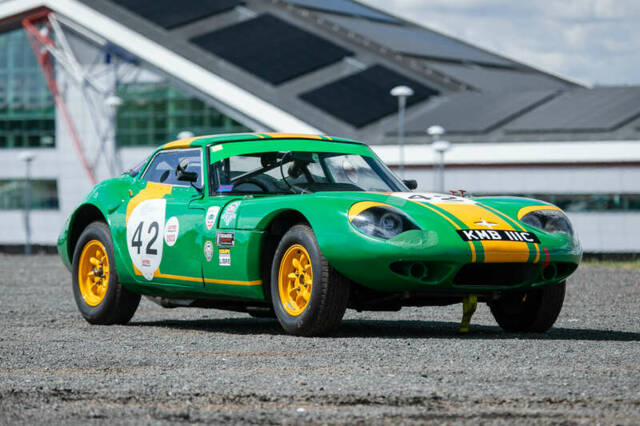
1965 | Marcos 1800 GT
1965 Marcos 1800GT FIA GTP1

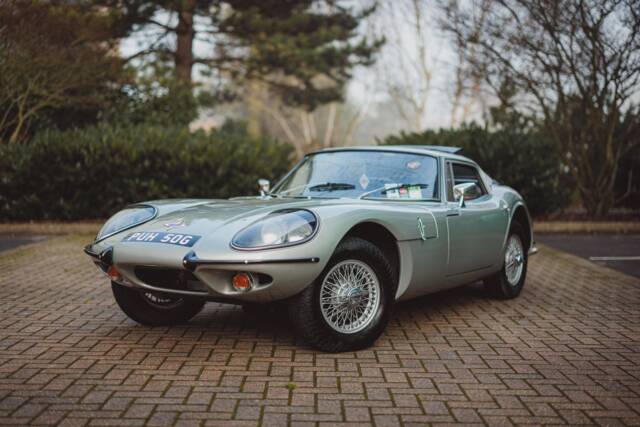
1968 | Marcos 1600 GT
Being sold by the CEO of Marcos Motor Company
History and Heritage of Marcos
Marcos was founded in 1959 by Jem Marsh and Frank Costin, its name made from the first three letters of each surname. It was a small British maker, but never a conventional one. Costin brought aircraft and racing knowledge to the first cars and chose a bonded plywood structure: a deliberate lightweight engineering solution rather than a quaint substitute for steel. The earliest Xylons and Luton-bodied cars were competition-minded machines. After Costin left in 1961, Dennis and Peter Adams gave the marque its lasting visual identity.
That identity arrived with the Marcos 1800 GT in 1964. Its long, low glass-reinforced-plastic body sat over the wooden chassis and enclosed a Volvo B18 1.8-litre four, as used in the P1800. The roof was only about 1,080 mm above the ground. Fixed seats, an adjustable pedal box and a near-reclined driving position made that height possible. Around 100 Volvo 1800 GTs were built, making an authentic example a particularly significant early Marcos. Ford 1500, 1650 and 1600 versions followed, then the Ford Essex V4 and 3.0-litre V6. In 1969 the labour-intensive timber structure gave way to a square-section steel spaceframe.
The badge also appeared on the Mini Marcos, a tiny GRP monocoque using Mini mechanicals. Introduced in 1965, it was the firm’s best-selling design, with more than 1,300 produced across its generations and licensed production. A Mini Marcos finished the 1966 Le Mans 24 Hours, the only British car classified as a finisher that year. This is a fundamentally different prospect from a front-engined GT: front-wheel drive, Mini donor parts and very low mass rather than the GT’s long-bonnet layout.
Marcos overreached with the 1970 Mantis M70, a futuristic four-seat 2+2 with Triumph 2.5 PI power. Only 32 were made before the business collapsed in 1971 amid development, relocation and US-market costs. Marsh kept parts and servicing alive, reclaimed the moulds and name, then restarted production in 1981. The Rover V8 Mantula arrived in 1984; the revised, factory-built Mantara followed in 1992. The later LM racers, 1997 Mantis and Chevrolet-powered TSO showed that Marcos could still make very serious performance cars before production ceased in 2007.
Marcos Highlights and Model Range
The common thread is low weight, fibreglass bodywork, a front-mounted engine and rear-wheel drive—except the Mini Marcos, which is its own Mini-based, front-drive branch. The differences beneath that shared spirit matter more than the badge. A 1965 wooden-chassis 1800 GT, a home-assembled 1980s Mantula and a late Ford-V8 Mantis need entirely different due diligence.
The early GT is the purest expression of the Adams brothers’ shape. Its forward-hinged nose, covered lamps, narrow glass area and sweeping flanks are unusually dramatic for a car powered by a modest four-cylinder engine. The Volvo B18 car has collector appeal for its original specification, overdrive and early De Dion rear suspension. Ford Kent and Crossflow cars are less exotic but can be easier to keep moving because engine, ignition and service parts have strong British-car support. The 3.0-litre Essex V6 adds effortless torque; the Volvo B30 straight-six has its own offset bonnet bulge and is much rarer.
With the Mantula, Marcos applied the established coupé silhouette to the compact aluminium Rover V8. About 170 Mantula Coupés and 119 Mantula Spyders were produced. They offer an engaging V8 sports-car experience without the scarcity of a Mantis, but buyers must distinguish a factory-built car from a component vehicle. A carefully built kit with photographs, engineering reports, receipts and continuous registration can be excellent. An undocumented one can be expensive to register, insure or sell in Australia, no matter how attractive its paintwork appears.
Mantara, Mantaray and GTS cars brought improved suspension, interiors and, depending on version, Rover V8 or T16 turbo power. The 1997 Mantis changed direction completely: a wide-arched, aggressive two-seater with a 4.6-litre Ford quad-cam V8. Just 51 road Mantis were built; fewer than ten supercharged Mantis GTs are generally recorded. These are specialist collector cars, not simply fast versions of a Mantula. Their rarity, electronic systems and modified drivetrains put condition and provenance ahead of headline output.
Technical Data for Key Marcos Cars
The table illustrates the breadth of the make rather than a universal Marcos specification. Small production runs, later upgrades and component-car builds mean that the chassis number, engine number and build record should always override a generic advert. Power figures are period-style bhp where quoted by Marcos sources.
The figures explain why the make is so rewarding, but they do not establish authenticity. Volvo B18/B30, Ford Kent and Essex, Rover V8 and Chevrolet engines are outside-sourced units. That makes mechanical rebuilding feasible in Australia through marque and engine specialists; it also makes substitutions common. On a rare, early GT, confirm the correct engine family, carburettors, overdrive, axle and bonnet profile against the build documentation. A sensible replacement engine may make a car enjoyable, but it should be priced and represented as such.
Market Overview and Buying Tips
The Australian Marcos market is exceptionally thin. Most cars here are imported rather than locally delivered through a period dealer network, so a buyer may be choosing between an already registered right-hand-drive UK car, a more unusual left-hand-drive export car, or importing independently. Treat a compliance file and state registration history as part of the car’s value. A UK-origin right-hand-drive example suits Australian roads naturally, but it is not automatically simpler: check that lamps, tyres, seat belts, modifications and identification details satisfy the requirements in the state where it will be registered.
Recent evidence shows the spread. In Australia, a 1988 Mantula Spyder sold through Smith & Singer for A$41,400 including buyer’s premium; the catalogue described it as the only example in Australia. A locally advertised 1965 1800 GT carried an A$100,000 asking price. These are not a price guide: one is an achieved auction result and the other an asking price, and the difference illustrates how scarcity, provenance, restoration quality and whether a car is road-ready drive Marcos values. For international context, a 1966 1800 GT race car sold for US$40,000 in June 2024, a 1972 GT 2½ Litre reached US$21,000 in November 2025, and a restored 1969 1600 GT sold for US$29,500 in 2026. Currency movement, shipping and Australian taxes make a direct conversion misleading.
For an overseas purchase, build a landed-cost budget before bidding. Australia’s Commonwealth 25-year pathway applies where a vehicle was originally built, or significantly modified, more than 25 years ago; successful applications lead to entry on the Register of Approved Vehicles. Apply before it is shipped. Freight, marine insurance, port and broker charges, biosecurity cleaning, duty, GST and state inspection/registration are separate costs. Duty is commonly 5 per cent of customs value and GST 10 per cent of the relevant import value, although tariff treatment can vary. Luxury Car Tax may also apply above the current threshold. Obtain a written calculation from a customs broker and verify the current rate and any concession with the Australian Border Force and ATO; do not assume an old car is tax-free.
Inspect a Marcos on a hoist, not only in photos. On GTs with a timber chassis, establish why moisture could have entered before judging the timber itself. Inspect around front and rear screens, door apertures, footwells, boot and the engine-bay transition. Soft sections, delamination, steel plates hiding repairs or freshly sealed interior surfaces demand specialist assessment. The bonded structure can be restored, but it is skilled, slow work. Do not fit excessive tyre width or torque to a wooden-chassis car simply because modern aftermarket parts make it possible.
On steel-frame GTs and later cars, GRP sills can hide the expensive problem. Examine longitudinal tubes behind sill covers, tubes behind the front wheels and uprights ahead of the rear wheels with good lighting and, ideally, a borescope. Major corrosion can require separating body from chassis; welding close to fibreglass is hazardous and a superficial patch is not a structural repair. Ask for photographs of a replacement frame, alignment data and corrosion protection rather than accepting fresh black paint as proof.
Check the original mild-steel fuel tank on Mantara-, LM- and Mantis-era cars for corrosion debris and fuel starvation. At the rear suspension, examine differential mounts, control arms and driveshafts for movement or damage. A Mantis should have a documented cooling, fuelling and management history; a supercharger conversion needs equally convincing evidence of calibration, brakes and suspension. Across the range, look for gelcoat cracks at mounting points, uneven panel gaps, repairs that have printed through, door fit and proper bonnet latching. Fibreglass does not rust, but the structure under it can.
Parts require realistic planning. Engines and many consumables are familiar; model-specific glass, seals, trim, suspension components and body panels are not. Marcos Heritage, the Marcos Owners Club and established UK specialists are valuable sources, but shipping time and freight to Australia belong in the ownership plan. Have the chassis number checked through the club or marque specialist, particularly on a kit, a US-returned car or anything described as converted from left- to right-hand drive.
Driving a Marcos
A Marcos feels like a hand-built sports car from the moment you lower yourself into it. In an early GT, the seating position is almost recumbent, the screen is close and the long nose fills the view ahead. The Volvo or Ford four needs deliberate use of the gearbox, but low mass makes ordinary country-road speeds absorbing. Steering inputs and throttle changes arrive with little insulation. That intensity is the point, not a flaw to be engineered away.
The 3 Litre GT has a more relaxed stride, with the Essex V6 delivering useful mid-range thrust, although its extra mass changes the delicate front-end feel of a light four-cylinder car. A well-sorted Mantula has a different charm again: the Rover V8 is compact, eager from low revs and accompanied by a proper V8 soundtrack. Later independent rear suspension makes a meaningful difference over patched Australian back roads. Good tyres, precise wheel alignment and sound dampers matter more than an optimistic horsepower claim.
The Mini Marcos is the outlier. It is tiny, front-driven and startlingly light, with Mini responses amplified by the low body. It rewards a driver who enjoys momentum, quick inputs and the mechanical directness of a well-prepared classic Mini. Mantis and TSO cars move into another league: brutally quick, broader and more demanding. They retain the intimate, low-volume feel of the marque, so a thorough road test should include heat soak, brake feel, cooling, clutch action and low-speed manners—not only a dramatic acceleration run.
Design and Construction
Frank Costin’s legacy is the pursuit of lightness and stiffness; Dennis and Peter Adams supplied the visual language. The 1800 GT was startlingly low when shown in 1964 and did not imitate the rounded Italian coupés of the period. The full-opening nose, covered lamps, small cabin and pinched flanks give it a tension that still looks purposeful. Marcos reused and evolved this form for decades because it was a genuine asset, not because the firm lacked imagination.
Fibreglass made low-volume body production possible without expensive press tooling. The early plywood chassis was assembled from hundreds of bonded pieces and was engineered around low mass. The 1969 steel spaceframe reduced production time and enabled later engine variations, but replaced timber-related inspection with a corrosion problem. Mantula and Mantara updated the original outline with spoilers, wider arches and a more contemporary cabin; the Mantis adopted an unapologetically race-inspired shape. A Marcos collection can therefore be coherent without being repetitive: it charts one British specialist idea through timber, steel, Mini parts, Rover V8s and modern GT racing.
Motorsport and the Australian Ownership Context
Competition is central to the marque’s credibility. The Mini Marcos’s 1966 Le Mans finish remains its most celebrated achievement. In the 1990s, the LM500 and LM600 returned Marcos to international GT racing. Chris Hodgetts won the 1995 British GT2 title in an LM600, while Cor Euser became closely associated with Marcos racing in Europe. A race car deserves a separate standard of scrutiny: establish chassis identity, event history, engine changes, current safety equipment and whether it can be registered for Australian road use. A race-prepared car is not automatically an easy historic-road-car purchase.
Australian ownership also rewards patience. The distance from the UK and Europe makes a pre-purchase inspection before shipment far cheaper than correcting a mistaken purchase after arrival. Use an independent specialist who understands both the particular Marcos chassis and fibreglass repairs; request cold-start, underside, chassis-number and moisture/structure photographs, not a generic inspection summary. For a vehicle already here, confirm the state’s historic or full registration conditions, permitted use and insurer requirements before relying on club registration. Marcos is best enjoyed through its active international club network, but its small Australian population means documentation and parts planning are essential rather than optional.
Buy Marcos Classic Cars with Confidence
A Marcos classic car suits a buyer who values British individualism, low mass and an unusually close connection between driver and machine. Choose an 1800 or 1600 GT for the light, original Adams design; a 3 Litre for torque; a Mantula or Mantara for Rover V8 character; a Mini Marcos for featherweight Mini-based fun; or a late Mantis for a very rare GT-racing-era statement.
Above all, buy documented substance. Have timber assessed by an experienced Marcos specialist, inspect every steel chassis on a hoist, and accept a component car only with a credible build and registration trail. For an import, cost the approval, freight, taxes and state compliance before committing. With those disciplines in place, a rare Marcos can be a compelling and usable Australian classic rather than a difficult surprise.