Marcos Mini classic cars for sale
The Marcos Mini, known for its glassfibre body and Mini underpinnings, combines British motorsport heritage with lightweight engineering. Limited production, a remarkable Le Mans finish in 1966, and extensive tuning options make these compact sports coupés a standout for enthusiasts seeking something rare and technically fascinating.
Search results
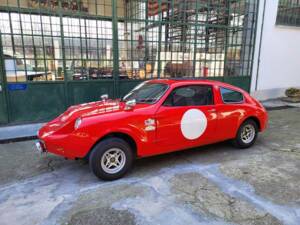
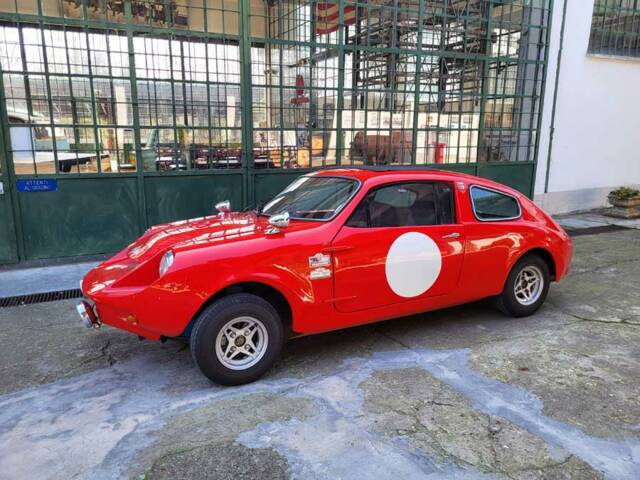
1978 | Marcos Mini Marcos 1300 GT
SUMMER PRICE 2026 @ CITY MOTORS

Marcos Mini listing references from Classic Trader
Below you will find listings related to your search that are no longer available on Classic Trader. Use this information to gain insight into availability, value trends, and current pricing for a "Marcos Mini" to make a more informed purchasing decision.
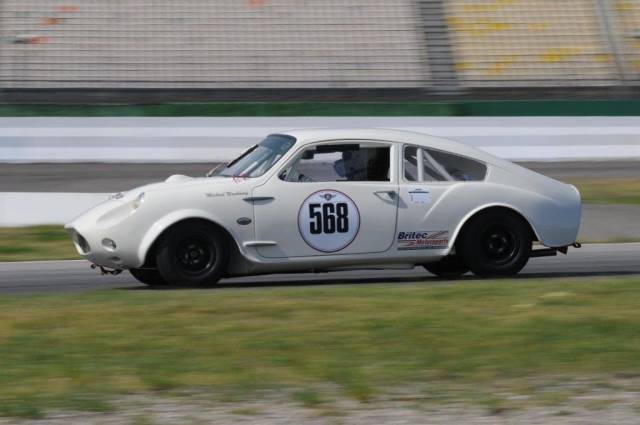
1969 | Marcos Mini Marcos 1300 GT

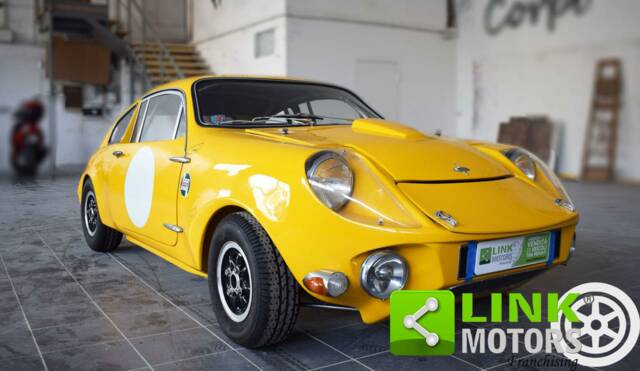
1969 | Marcos Mini Marcos 1300 GT
MARCOS MINI del 1969 PRENOTATA!!!!
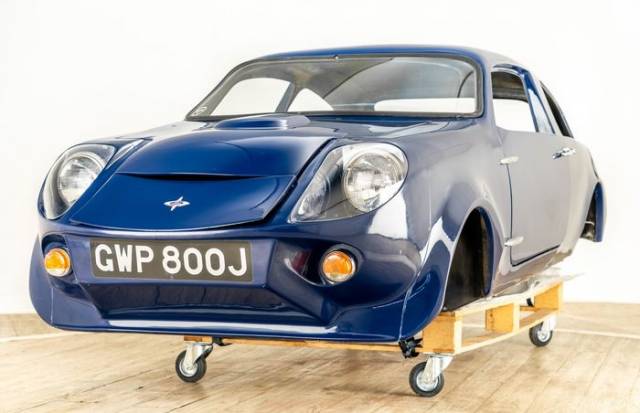
1971 | Marcos Mini Marcos 1300 GT
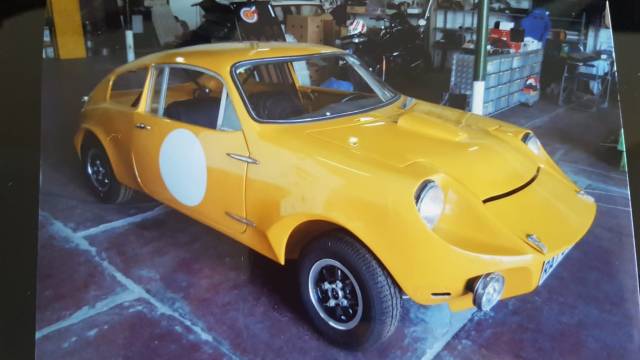
1966 | Marcos Mini Marcos 1300 GT
Mk2 1966 Immatricolazione 1969
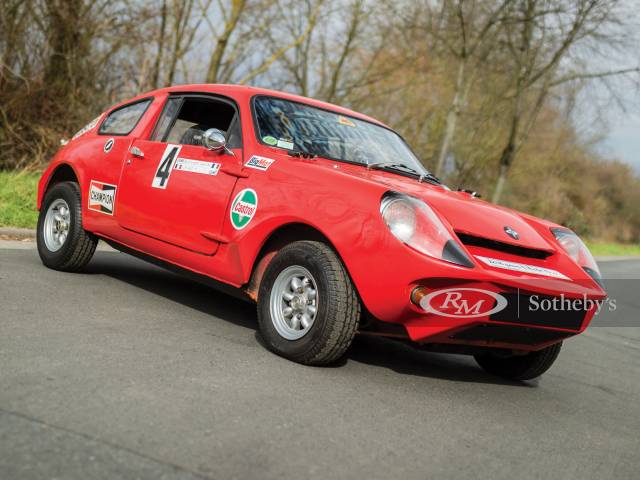
1969 | Marcos Mini Marcos 1300 GT
Online Only: The European Sale featuring the Petitjean Collection

Marcos Mini Classic Cars: Prices & Market Values
History of the Marcos Mini
Launched in 1965, the Marcos Mini—also commonly called the Mini Marcos—originated as a kit car based on the classic Mini. Created by Jem Marsh of Marcos and derived from the DART design, it took much of its running gear from the Mini but clothed it in a compact fibreglass coupé body. The vehicle first appeared as the Mark I, with ongoing Mark II to Mark VI developments over several decades. Early production ran until 1970, followed by phases of external and then revived in-house production, later continuing under Marcos Heritage Spares. The Mini Marcos achieved international recognition with its performance as the only British car to finish at Le Mans in 1966, securing 15th place overall. As both street and race cars, the Mini Marcos exemplified creative engineering during a period of innovative British sports car manufacturing.
Model history: Generations and Evolutions
The Mini Marcos was built in several distinct iterations: Mk I to Mk III were produced by Marcos from 1965 to 1970. The Mk IV came from D & H Fibreglass Techniques between 1974 and 1981, followed by a lengthy pause before the Mk V's relaunch in 1991 by Marcos. The most recent Mk VI has been available since 2005 through Marcos Heritage Spares. Each generation incorporated incremental design tweaks, from dashboard layout to wheel arch flares. Mechanically, the car consistently used Mini running gear—including its transverse four-cylinder engine and associated parts—which allows for broad mechanical compatibility and tuning flexibility.
Highlights and Unique Features
The Marcos Mini stands apart primarily thanks to its hand-laid fibreglass body, significantly lighter than the steel Minis on which it was based. This lightness gives the car impressive agility and allows relatively modest engines to deliver a spirited performance. It was available both as a factory-built car and as a kit for home assembly, letting owners choose their preferred specifications. An extensive roster of interior upgrades—such as leather sports seats, Smiths instruments, and custom dashboards—exists, alongside options for strengthened running gear and upgraded wheels. The coupe also saw action in motorsport, including its celebrated Le Mans finish and multiple British land speed records for sub-1.6-litre vehicles.
Technical Data
Special Editions and Collectible Models
The 'S' model equipped with a 1300cc engine is the rarest and most coveted among enthusiasts. Only a small fraction of the 627 units built (all factory and kit cars from 1967–1970) received this specification. Racing versions, such as those prepared for Le Mans or other endurance events, are also especially prized, as are cars documented in the Mini Marcos Register with original performance and period modifications.
Engine, Transmission, and Handling
Performance is highly dependent on the chosen Mini engine, with cooper units and tuned versions (such as Stage 1 setups with SU carburettors) being common. Thanks to its featherweight body, even modest outputs transform into remarkable agility and brisk acceleration. Most cars have been tailored with modern suspension (Avo shocks, Hi-Lo height adjustable setups) for improved handling. Stainless steel exhausts and improved cooling systems are typical upgrades for spirited driving and longevity. Popular variants include the Mk IV with left-hand drive, and those equipped with Cooper or 1300cc engines. The Le Mans specification GT and the 'S' version with its uprated powertrain also enjoy heightened attention due to their motorsport pedigree.
Interior, Comfort, Exterior and Design
Inside, the Marcos Mini is spartan yet distinctive, often featuring a six-instrument Smiths dashboard, period-correct sports seats (frequently leather or derived from other sporting marques), and classic Les Leston steering wheels. Externally, Rose Petal alloys, Monza fuel filler caps, extra Lucas driving lamps, and distinctive low-drag coupé lines set the car apart from its Mini origins. Many cars are enhanced with stainless undertrays, upgraded electrics, and custom paint schemes. Comprehensive documentation, literature, and parts remain available, making both preservation and customisation feasible.
Other Noteworthy Information
Owing to the flexible kit car nature, many examples have been modified or modernised over time. Original UK registration is common, though left-to-right-hand-drive conversions appear frequently in continental Europe. Clubs and a vibrant parts scene support ongoing ownership, and club registers diligently track provenance and modifications. Homologation and registration in various European countries is possible but may require effort depending on individual vehicle configuration.
Summary
With its racing background, Mini mechanicals, and sleek fibreglass construction, the Marcos Mini offers a blend of rarity and motorsport heritage. Supported by extensive owner's networks and parts suppliers, it remains an attractive option for classic sports car enthusiasts seeking something uniquely British and truly individual.