DKW F2 classic cars for sale
The DKW F2 is a very rare classic car, produced between 1932 and 1935, and was once available as a two-seater cabriolet saloon in the vibrant 'Coral' factory colour. With only a handful of examples known today, the F2 stands out for its longer wheelbase and larger body compared to its predecessor. If you value rarity and early front-wheel-drive engineering, the DKW F2 collection is worth a deeper look.
Search results
Currently, there are no matching listings for your search.
Create search alert
Let yourself be notified as soon as a listing is published that matches your search filters.
DKW F2 listing references from Classic Trader
Below you will find listings related to your search that are no longer available on Classic Trader. Use this information to gain insight into availability, value trends, and current pricing for a "DKW F2" to make a more informed purchasing decision.
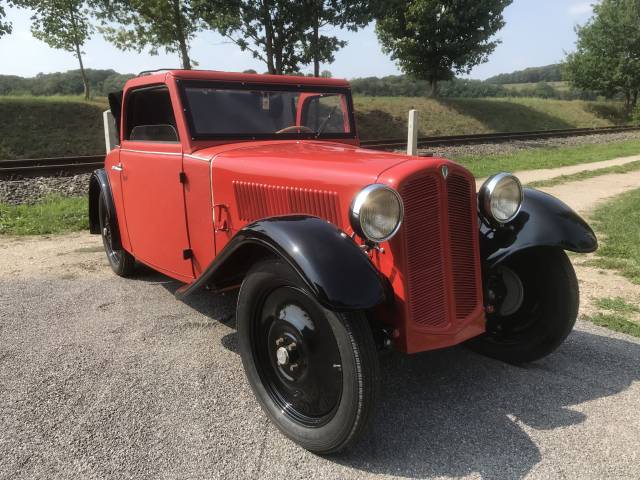
1933 | DKW Reichsklasse
DKW F2 zweisitzige Cabrioletlimousine mit Schwiegermuttersitz

Create search alert
Let yourself be notified as soon as a listing is published that matches your search filters.
DKW F2 Classic Cars: Prices & Market Values
History of the DKW F2
Launched in April 1932 at the Berlin Motor Show, the DKW F2—initially marketed as the 'DKW Meisterklasse'—was manufactured by Auto Union's DKW division in Zwickau. The F2 followed the breakthrough F1 model, maintaining the 584cc two-stroke engine and front-wheel drive setup. With the F2, DKW aimed for more space and improved comfort, introducing a longer wheelbase and a noticeably larger body. This focus resonated in a period where compact yet practical economy cars were in demand, helping DKW solidify its reputation for accessible, technically forward-thinking motoring.
Model history of the DKW F2
The DKW F2 was developed as the successor to the DKW F1, inheriting its compact front-wheel drive layout but addressing critiques on space and versatility. Later models, such as the DKW F5, furthered this evolution. The F2 was available in several body forms, including the rare two-seater cabriolet saloon variant. Over its production run until 1935, the F2 established itself as a pioneer of affordable front-wheel-drive vehicles in Germany, paving the way for the F-series DKW lineage.
Highlights and features of the DKW F2
Notable for its drive technology, the F2 provided front-wheel drive in a budget-friendly package long before it became widespread. The cabriolet saloon stands out due to its rare two-seater configuration and original 'Coral' paintwork. Upholstery options ranged from imitation leather to genuine leather interiors, reflecting its upmarket aspirations for the time. Period-correct restoration and verification by DEKRA with appropriate documentation add to the car's value. The F2 model, especially the Reichsklasse, remains exceptionally rare, with very few surviving units known.
Technical data
Special Editions and Collectible Models
The DKW F2 Reichsklasse variant is particularly noteworthy due to its limited production and current rarity. The two-seater cabriolet saloon version, in authentic 'Koralle' paint, is especially sought after among connoisseurs, demonstrating the diversity available within the F2 model lineup.
Weak Spots and Common Issues
No concrete data on recurring weaknesses or typical issues of the DKW F2 is available. Nonetheless, as with any vehicle nearing a century old, attention should be paid to the condition of the original two-stroke engine, as well as the preservation of the rare bodywork and interior materials—particularly in rare versions with leather upholstery.
Engine and Performance, Transmission and Handling
The front-wheel drive layout of the F2 provided stable road holding and traction—a novelty compared to many rear-driven contemporaries of its class. The lightweight construction, simple transmission, and reliable 584cc two-stroke engine offered pragmatic performance aimed at economy rather than outright speed. The F2 was designed for practical everyday mobility, suitable for the requirements of the early 1930s. The two-seater cabriolet saloon and the Reichsklasse represent the most interesting body and equipment variants, admired for their rarity and specific technical details such as the larger body and authentic period-correct materials.
Interior, Comfort, Exterior and Design
DKW styled the F2 with attention to comfortable daily usability. The longer wheelbase delivered extra space for passengers and luggage. Interiors of some models featured genuine leather—an aspiration for more comfort than typical economy cars of the era. The cabriolet saloon version combines open-top driving pleasure with practical saloon attributes. The choice of the 'Coral' exterior colour adds a distinctive and cheerful character. Special features such as DEKRA documentation and period materials enhance the collectible value of these models.
Other relevant features
In addition to its technical merits, the DKW F2—when available with orig. documentation and expert reports from DEKRA—can be more readily assessed for originality and historic accuracy, appealing to classic car purists. The limited supply of existing F2 units, particularly in well-preserved or restored condition, marks them as profound rarities on the current classic car market.
Summary
The DKW F2, produced between 1932 and 1935, delivers pioneering front-wheel drive technology in a compact and comfortable package. Especially in the Reichsklasse or cabriolet saloon versions in 'Coral', the F2 attracts those seeking a rare, thoroughly German classic. Its technical simplicity and utilitarian design, combined with careful restorations and occasional DEKRA-accompanied documentation, position the DKW F2 as a compelling chapter in early 20th-century car history.