DKW F11 Classic Cars for Sale
The DKW F11 stands as a rare chapter in Auto Union’s postwar history—a compact saloon that advanced front-wheel-drive technology while carrying the design DNA of the early 1960s. Featuring the robust two-stroke engine and a lightweight body, the F11 captures the essence of East German engineering before Auto Union transitioned the line. Enthusiasts appreciate its scarcity and unfiltered mechanical charm.
Search results
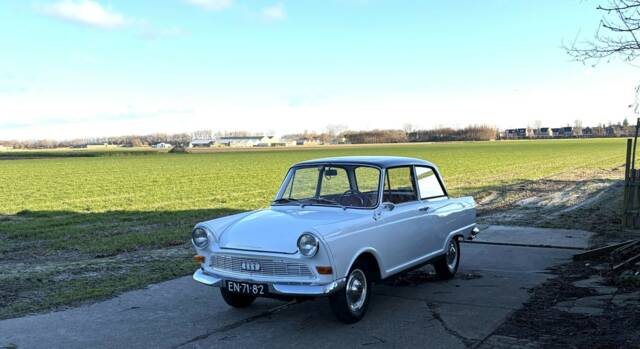
1965 | DKW F11
Highly Original Dutch DKW F11. Very rare!
DKW F11 listing references from Classic Trader
Below you will find listings related to your search that are no longer available on Classic Trader. Use this information to gain insight into availability, value trends, and current pricing for a "DKW F11" to make a more informed purchasing decision.
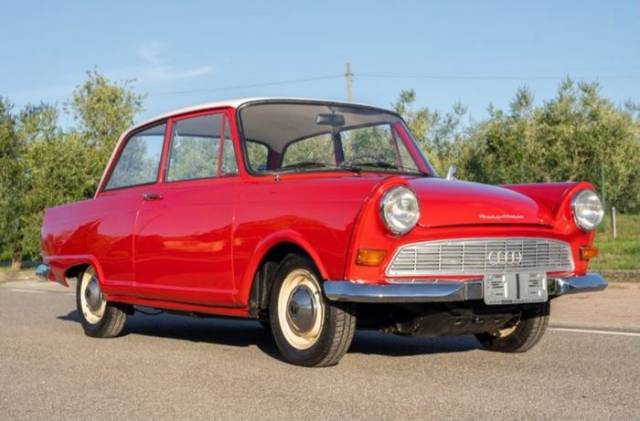
1965 | DKW F11
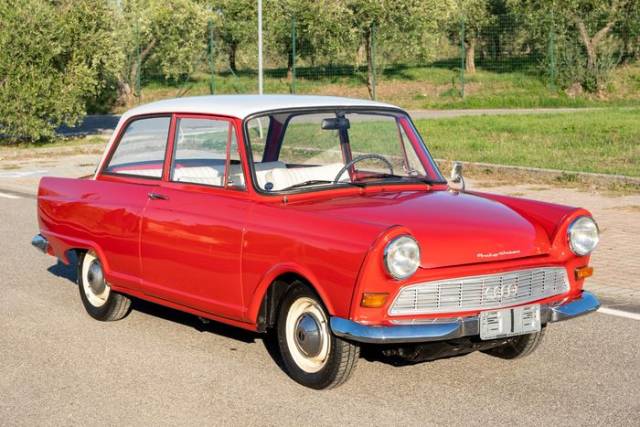
1965 | DKW F11
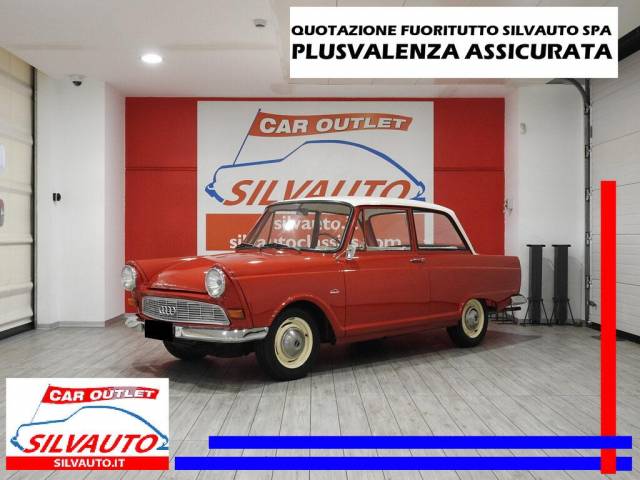
1965 | DKW F11
AUTOUNION DKW F 11 – SUPERPREZZO – QUOTAZIONE FUORITUTTO SILVAUTO SPA – PLUSVALENZA ASSICURATA (1965)

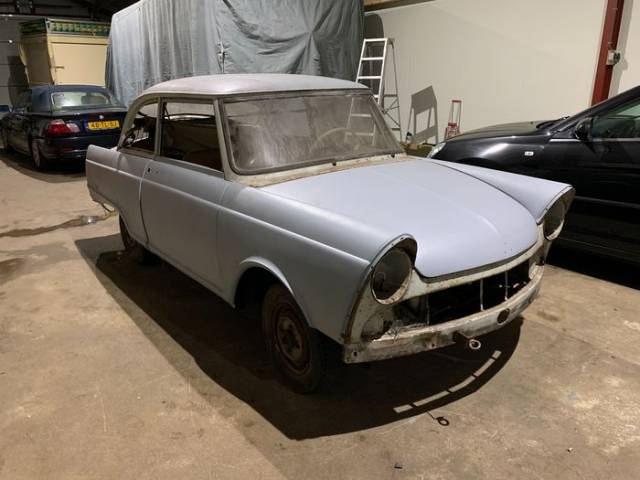
1964 | DKW F11
DKW F11 Classic Cars: Prices & Market Values
Introduction and History of the DKW F11
The DKW F11 traces its lineage back to a period of rapid change in the automotive industry and in the history of Auto Union AG. The original concept, unveiled in 1957 as the DKW 600, represented a new direction for the company, setting its sights on the small car segment. By 1959, the DKW 750 adopted the 'Junior' name, reflecting its positioning as an entry-level offering. However, the F11, introduced in 1963, arrived just as Auto Union was preparing another leap forward with the DKW F12. Production amounted to a comparatively small figure, giving the F11 a notable place as a transitional model between generations. Its presence on today's classic car market is scarce, making every surviving F11 a testimony to a unique phase of the DKW story.
Model History
The DKW F11 was built upon the foundation laid by its predecessors, notably the DKW Junior, which first appeared as the DKW 600 concept. The Junior became the DKW 750 in 1959 before evolving into the F11, which further refined the front-wheel-drive layout and body design. Successors included the DKW F12 and the limited DKW F12 Roadster, each bringing incremental improvements and solidifying the brand’s reputation for compact, innovative vehicles. The F11 stands as the bridge model, illustrating the evolution from classic two-stroke technology toward more modern solutions.
Highlights of the DKW F11
The F11 is distinguished by its compact dimensions, lightweight construction, and the hallmark DKW two-stroke engine. Its front-wheel-drive system—rare in its class at the time—provided improved traction and handling on slippery roads. The body design, unveiled at the 1957 Frankfurt Motor Show, reflected a clean, understated elegance which resonated with buyers seeking practicality over extravagance. Limited production numbers further elevate its status among aficionados of German engineering from this era.
Technical Data
Special Editions and Collectible Models
Though the DKW F11 itself was offered mostly as a standard saloon, its model family included the more exclusive DKW F12 Roadster. The Roadster, built in limited numbers, is especially sought-after due to its open-top design and even lower production run compared to the F11 saloon.
Weak Spots and Common Issues
As with many two-stroke classics, the DKW F11 requires knowledgeable maintenance, especially concerning the engine’s lubrication and mixture settings. The ignition system and fuel delivery need to be kept in optimal condition for reliable operation. Body rust and electrical system faults are potential problem areas because of the age of surviving vehicles and the typical build quality of early 1960s manufacturing.
Engine and Performance, Transmission and Handling
With its light weight, the F11’s three-cylinder two-stroke engine delivers brisk acceleration for a car of its size and period. The front-wheel-drive layout provides confident handling characteristics, even in poor weather. The manual gearbox, though simple, offers a mechanical connection between driver and car that appeals to classic motoring enthusiasts. Notable models within the series include the DKW F11 and its successor, the F12, both powered by the characteristic two-stroke engine. The F11 is especially relevant for collectors interested in transitional models that illustrate the switch between generations in Auto Union history.
Interior, Comfort, Exterior and Design
The F11 showcases clean exterior lines with minimal ornamentation, matching the functional ethos of early 1960s German car design. The interior is straightforward—basic yet thoughtfully arranged, targeting practicality over luxury. Materials used reflect the era, with vinyl seats and painted metal panels. While bespoke colour options and accessories existed for Auto Union models, the F11 is best remembered for simplicity and durability, rather than elaborate features or luxury trim. Aftermarket and period accessories can add individuality, such as period radios, badges, and hubcaps.
Other Relevant Features
The DKW F11, being a niche classic, often benefits from active enthusiast communities that facilitate the search for parts and provide technical support. Owners are advised to consult marque specialists with hands-on experience with two-stroke engines and DKW engineering solutions. Documentation and period advertising material can also add value and authenticity to restored examples.
Summary
The DKW F11 offers a rare glimpse into a pivotal era of German automotive engineering. For those interested in unique driving dynamics, pure mechanics, and the heritage of early front-wheel-drive cars, the F11 represents an engaging proposition. Its scarcity on the market and well-defined character ensure that it occupies a distinct position within the classic saloon segment.