DKW Monza classic cars for sale
The DKW Monza stands as one of the rarest German sports cars of the 1950s. Lightweight, with a glass-fibre reinforced body and a rally-proven three-cylinder two-stroke engine, the Monza impresses with its world record pedigree and limited production. Today, collectors value not only its agile performance but also the extensive original documentation common to surviving examples.
Search results
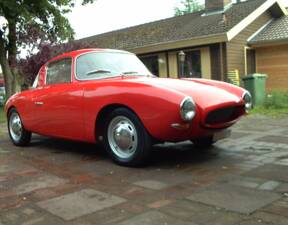
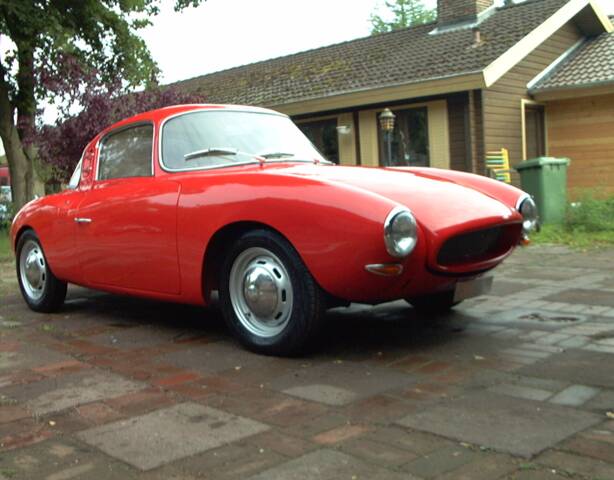

DKW Monza listing references from Classic Trader
Below you will find listings related to your search that are no longer available on Classic Trader. Use this information to gain insight into availability, value trends, and current pricing for a "DKW Monza" to make a more informed purchasing decision.
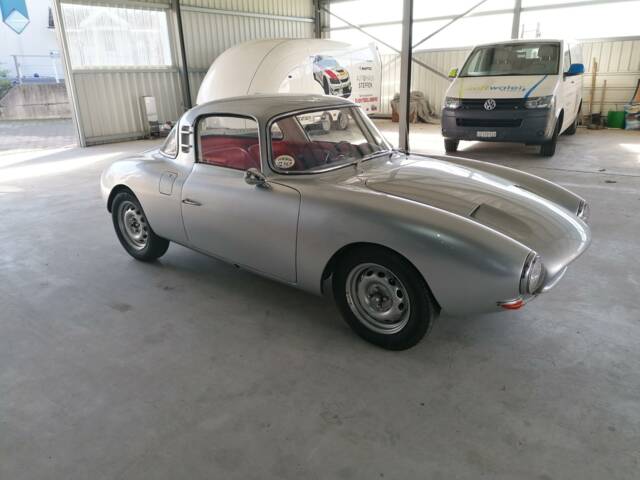
1959 | DKW Monza 3=6
DKW Monza N18 Massholder

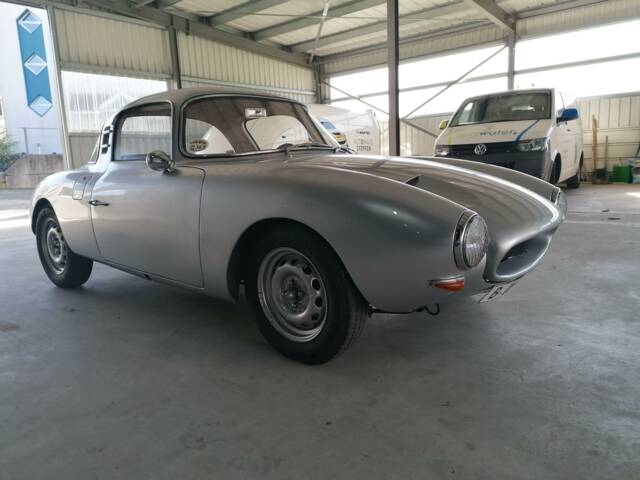
1957 | DKW Monza 3=6
DKW Monza mit ganzer Historie
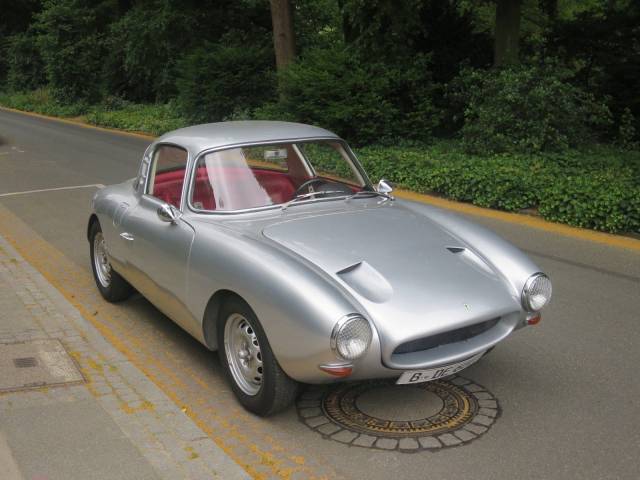
1957 | DKW Monza 3=6
Rarität S2 Massholder Nr. 18 voll Restaurier, 1.2 liter Motor
DKW Monza Classic Cars: Prices & Market Values
History of the DKW Monza
Between 1956 and 1958, the DKW Monza was produced as a sporty coupé built on the Auto Union DKW platform. Named after the famous Monza racetrack in Italy, the car made motorsport headlines by setting five world records in 1956. Initial assembly was undertaken by Dannenhauer & Strauss in Stuttgart, but production later moved through several workshops, overseen by dealer Fritz Wenk and executed in locations including Massholder near Heidelberg. The Monza’s innovative body construction used glass-fibre reinforced polyester, a technical novelty for its era, allowing for a lighter structure and improved aerodynamics compared to steel-bodied DKWs. Production numbers remain unclear, but it is believed around 240 units left the factory, with dealer conversions and modifications further complicating the legacy. Of these, approximately 50 are known to survive, attesting to the car's exclusivity among classic car circles.
Model History
The DKW Monza succeeded traditional DKW sports models with its running gear and frame derived from the Auto Union 3=6 platform. It was replaced in 1958 by the Auto Union 1000 Spezial. Notably, Monza bodies were fitted to both new and, in some cases, used DKW chassis—sometimes converted by specialist firms such as Schenk. This means no two surviving Monza examples are fully identical in specification or provenance.
Highlights and Special Features
The Monza’s most defining feature was its lightweight, aerodynamic body made from glass-fibre reinforced polyester, which set a new standard for German sports coupes of the period. Standard equipment included hydraulic drum brakes and, typically, extensive documentation such as TÜV papers, original registration, and delivery documents—a testament to its careful ownership history. The Monza’s reputation was cemented with its five world records in rally competition in 1956. Vehicles are often found with the original F102-derived three-cylinder engine, some upgraded for higher output. Modern collectors also appreciate the Monza’s eligibility for historic events and its relative ease of re-registration within the EU market.
Technical Data
Special Editions and Collectible Models
Some Monzas, particularly those built by S2 Massholder or with confirmed rally history, enjoy heightened recognition in the classic car community. In addition, certain examples originally exhibited at Auto Union showrooms, such as those used in Berlin in 1957, are particularly well-documented collectors’ pieces. Vehicles with an F102-based engine—often tuned beyond their factory 40 PS—also represent sought-after versions.
Weak Spots and Common Issues
No typical weak spots for the DKW Monza are documented. However, given the rarity of original components and the glass-fibre construction, specialist knowledge is essential when performing repairs. Potential buyers should thoroughly check documentation and the integrity of the polyester body, as well as confirm the provenance and specification of each individual vehicle, given frequent historic modifications.
Engine, Performance, Transmission and Handling
The DKW Monza’s compact three-cylinder, two-stroke engine combines brisk acceleration with a distinctive exhaust note, paired to a manual transmission. The lightweight construction and low centre of gravity promote agile cornering, complemented by a chassis derived from the proven Auto Union DKW saloons. Hydraulic drum brakes provide period-typical stopping power. Contemporary owners praise the lively engine response and engaging driving feel, particularly at moderate speeds. There is considerable mechanical variation between examples, reflecting factory, dealer, and later specialist modifications. Among notable Monza variants are those equipped with the F102 engine, providing approximately 70 PS when tuned, versus the standard output of 40 PS. These versions are particularly valued for their enhanced performance.
Interior, Comfort, Exterior and Design
The Monza’s distinctive fibreglass bodywork allowed for sleek lines and a streamlined silhouette. The coupé features a low-slung roof, wide stance, and sports-inspired cabin layout. Weight savings were achieved through minimalist trim and the use of lightweight materials throughout. Some vehicles were delivered in custom colours and featured optional accessories reflecting the owner’s taste. Surviving examples often include special equipment or period-correct rally modifications, with interiors typically tailored to the individual order. Detailed documentation and original German paperwork are a typical aspect of surviving Monzas, increasing their appeal to collectors.
Other Features
Import and re-registration of the DKW Monza into the EU is generally straightforward, often aided by the availability of historic German documentation, original registration papers, and proof of authenticity. Some vehicles also feature documented provenance as exhibition models or demonstrators, which may influence their value.
Summary
The DKW Monza is one of the rarest classic sports models from the Auto Union era. Produced in minimal numbers between 1956 and 1958, the Monza’s advanced fibreglass construction and motorsport achievements make it a standout among 1950s sports coupés. Surviving vehicles boast extensive documentation and, frequently, unique mechanical modifications, making every Monza a distinct chapter in German automotive history.