DKW Sonderklasse classic cars for sale
The DKW Sonderklasse F91, launched at the 1953 Frankfurt Motor Show, quickly established itself through its innovative front-wheel drive, distinctive 3-cylinder two-stroke engine, and advanced features like telescopic dampers and a panoramic rear window in the Coupé. Available as saloon, coupé, cabriolet, and estate, the Sonderklasse remains notable for its combination of engineering ingenuity and unique comfort for its era.
Search results
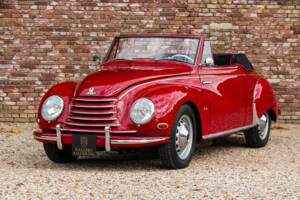
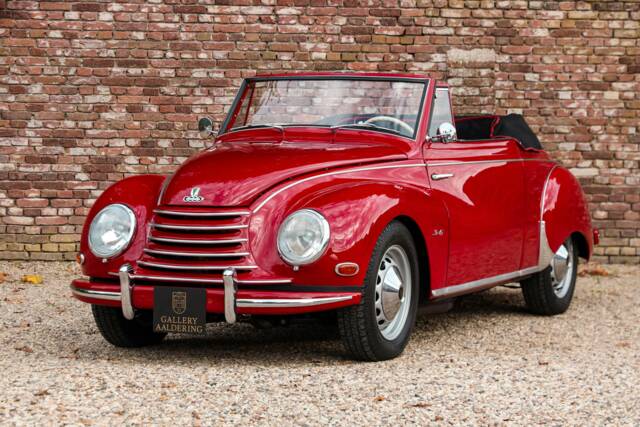
1954 | DKW Sonderklasse
DKW F91 Cabriolet Sonderklasse "49 years of history in Berlin" "49 years of history in Berlin" - With the Kraftfahrzeugbrief as proof,Body-off restored between 2002 and 2006 by the last owner and you can really see his enthusiasm reflected in it, Modestly documented - "Old school owners" weren't really into that,Saw the Berlin Wall being built,"Even the biggest critics of cars can't help but smile at the sound of a two-stroke engine",

DKW Sonderklasse listing references from Classic Trader
Below you will find listings related to your search that are no longer available on Classic Trader. Use this information to gain insight into availability, value trends, and current pricing for a "DKW Sonderklasse" to make a more informed purchasing decision.
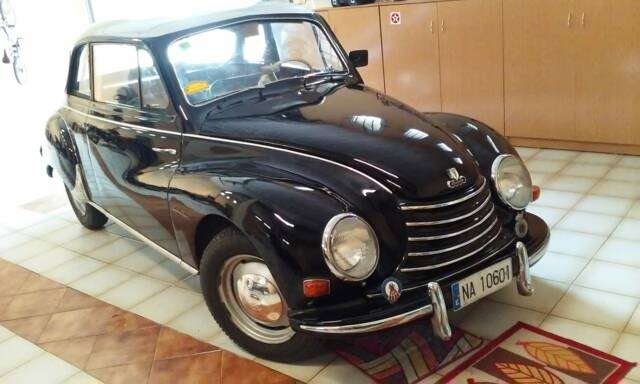
1957 | DKW Sonderklasse

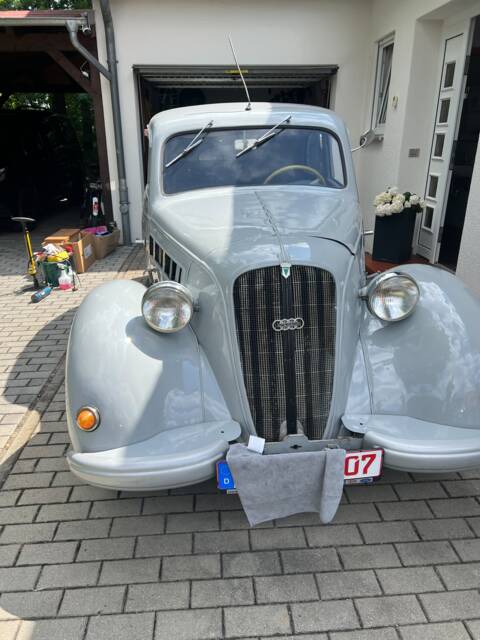
1938 | DKW Sonderklasse
Liebhaberstück zum restaurieren

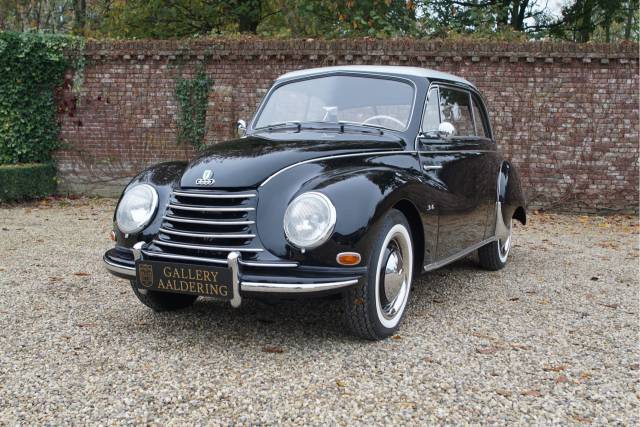
1954 | DKW Sonderklasse
DKW F91 One of the last models the "Sonderklasse" with the panoramic rear window and 4-speed gearbox, The originality of the DKW predominates in this example!
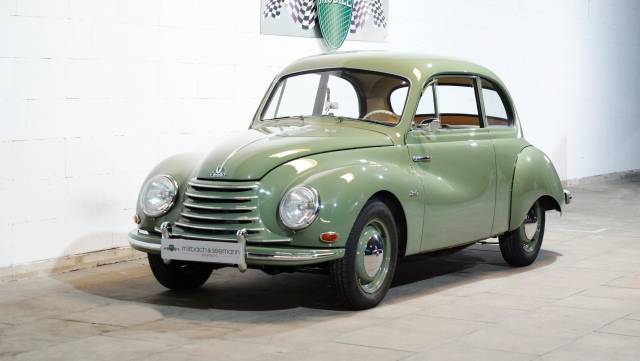
1954 | DKW Sonderklasse
Ausnahme Oldtimer perfekt dokumentiert
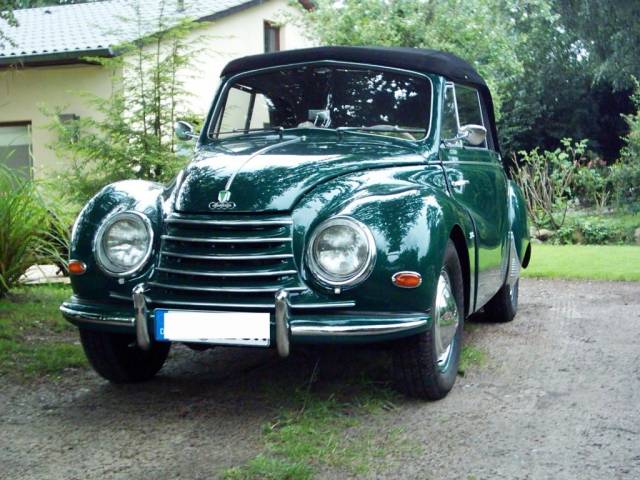
1954 | DKW Sonderklasse
F91 Karmann Cabrio 4-Sitzer
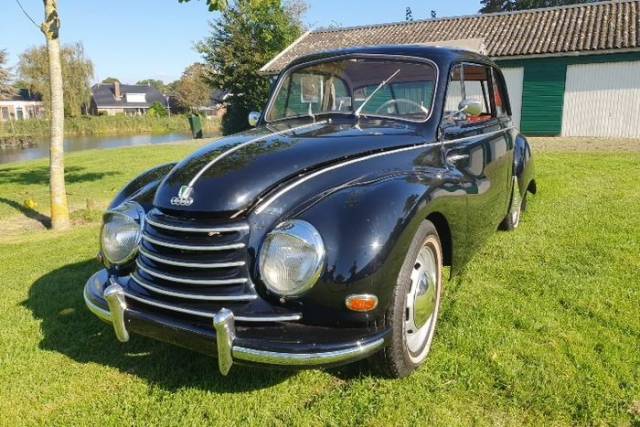
1955 | DKW Sonderklasse
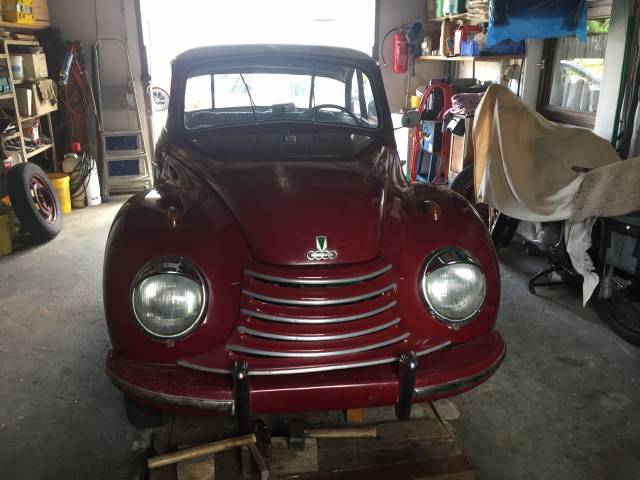
1955 | DKW Sonderklasse
Motor läuft, Getriebe & Elektrik OK, komplett & sauber
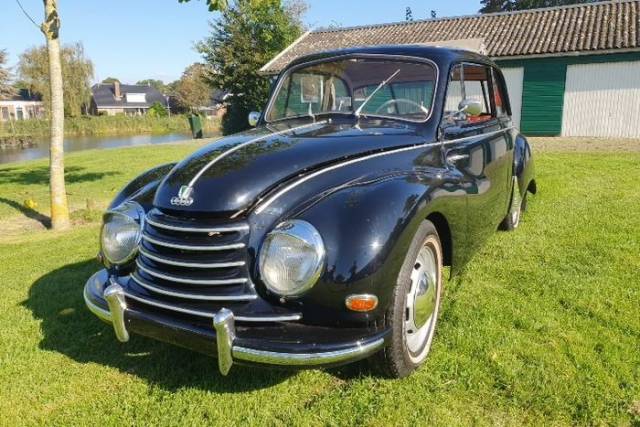
1955 | DKW Sonderklasse
DKW Sonderklasse Classic Cars: Prices & Market Values
History of the DKW Sonderklasse
DKW first introduced the Sonderklasse as a luxurious alternative to the established V1000 in 1932, aiming at German middle and upper-middle class buyers. Early Sonderklasse models, like the 432, were short-lived due to poor sales during the Depression and political shifts, but the model line evolved rapidly following the formation of Auto Union. After several hiatuses and redesigns—most notably in 1937 with a completely new technical layout—the Sonderklasse truly hit its stride post-WWII. In 1953, Auto Union unveiled the modern DKW Sonderklasse F91 at the Frankfurt Motor Show. As a bold step for the company, it offered innovative engineering, reliable front-wheel drive, and contemporary comfort for the time. The model remained in production until phased out in favour of its successor by the end of the 1950s.
Model History: Evolution and Variants
The DKW Sonderklasse model history is a tale of adaptation and technical progress. The original Sonderklasse had its roots in the shifting market and political climate of the early 1930s. The breakthrough came in 1953 with the F91, marking the return of the nameplate with a new interpretation: a 3-cylinder, front-engine, front-wheel drive vehicle focused on affordability and practicality. The F91 series evolved into the F93 and F94 ('Big DKW 3=6'), each with styling and equipment enhancements. The range included saloon, coupé, cabriolet (by Karmann), and even Combi Universal estate versions, continually adapted to suit the tastes of the growing German middle class. Production continued until the late 1950s, with each generation moving closer to the Auto Union 1000.
Highlights and Market Data
The DKW Sonderklasse F91 stood out with its cross-mounted three-cylinder two-stroke engine and front-wheel drive—the latter still an unusual layout in the 1950s compact class. Key design identifiers include the five-bar grille, a panoramic rear window on later coupés, completely retractable side windows, and the absence of a B-pillar on the coupé variant. The model is also recognized for its Bakelite dashboard and copious chrome fitments. Technically, the freewheel transmission and use of telescopic rear shock absorbers contributed to improved ride comfort. From a collector’s perspective, the F91 constitutes 75% of DKW Sonderklasse listings on Classic Trader, with high demand reflected by its 52.9% share of all DKW Sonderklasse page views—demonstrating clear interest compared to other DKW models.
Technical Data
Special Editions and Collectible Models
Distinctive Sonderklasse variants include the Karmann-built cabriolets (1,550 units), offering two- and four-seat open-top options with additional refinement and exclusivity. The Combi Universal, produced until 1957, presented a practical estate format (15,193 built)—attractive for collectors seeking utility and rarity. Early F91s featured uncommon Bakelite dashboards and lower window sills, adding to their collector value.
Engine, Handling and Driving Experience
With 34 PS from its 3-cylinder two-stroke, the Sonderklasse F91 delivered lively mid-range torque and a responsive drive, especially notable given its modest displacement. The freewheel mechanism allowed for smoother cruising and reduced engine wear in urban conditions. Handling benefited from independent suspension and telescopic dampers, providing secure road holding and a more comfortable ride than most contemporaries. The front-wheel drive layout provided superior traction on wet or loose surfaces, distinguishing it from rear-driven competitors. Highlight: F91 Coupé and Cabriolet, with their unique hardtop styling, panoramic glass and strong mechanicals, are particularly noted by enthusiasts for their driving dynamics and visual appeal.
Interior, Comfort, Exterior and Styling
The Sonderklasse featured spacious, sweeping bodywork with striking volumes of glass, creating a light and airy cabin atmosphere. Key cabin features included two-tone dashboards, Bakelite trim (especially in early models), and central instrument clusters. Seat arrangements varied by variant (2- and 4-seat layout for coupé, limousine, and cabriolet). Externally, the five-bar grille, chromed trims, and minimalist B-pillar-free coupé silhouette stood out. The Combi Universal further expanded practicality, and Karmann cabriolets mixed mechanical substance with wind-in-the-hair motoring. Special color and interior material options were offered to customize the car to the buyers’ tastes, matching or even exceeding competitors in the compact executive segment.
Summary
The DKW Sonderklasse F91 and its close relatives marked a pivotal moment for postwar German car culture. Engineered for modernity but with a focus on comfort and practicality, they offered unique technological solutions—front-wheel drive, two-stroke reliability, and innovative body styles. With high supply and demand shares, particularly for the F91, these models remain an intriguing proposition for collectors seeking a combination of 1950s design and engineering ingenuity.