Bentley Speed Six Classic Cars for Sale
The Bentley Speed Six is a true thoroughbred from classic British motoring history, built between 1928 and 1930 as the high-performance version of the 6½ Litre. Known for its racing successes and engineering excellence, the Speed Six remains one of the most distinctive and technically sophisticated vintage Bentleys. Enthusiasts admire its unmistakable presence, advanced mechanicals for its era, and its direct connection to some of early motorsport's highlights. Read more to discover the rich heritage and technical prowess of the Speed Six.
Search results


Auctions ending soon

Loading…
Loading…
Loading…
Loading…
Bentley Speed Six listing references from Classic Trader
Below you will find listings related to your search that are no longer available on Classic Trader. Use this information to gain insight into availability, value trends, and current pricing for a "Bentley Speed Six" to make a more informed purchasing decision.
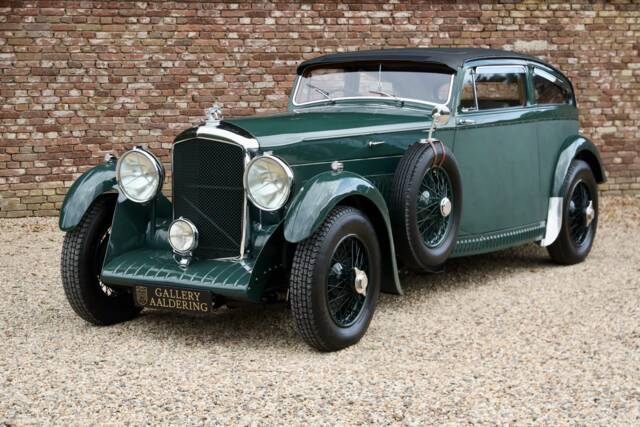
1950 | Bentley Speed Six “Blue Train”
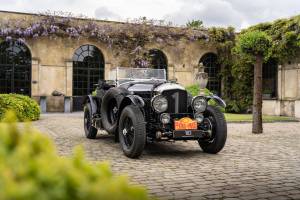
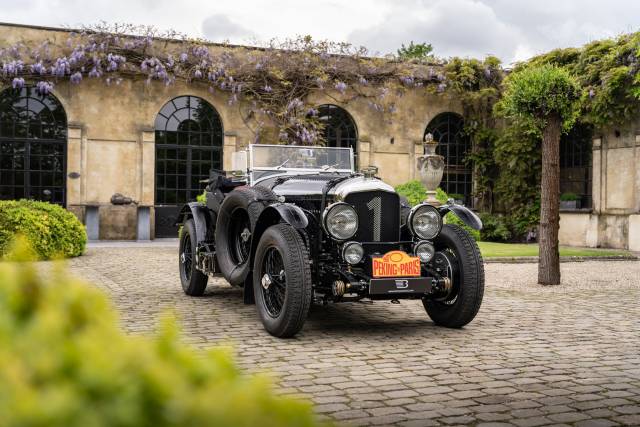
Bentley "Blue Train" Speed Six Special PRICE REDUCTION! A recreation of the "Blu Train" with the "Bullit Prove" Mark 6 engineering and mechanics, Rebuilt by craftsmen in a 2500-hour restoration, More than €100.000 invested in materials and parts, With a proven track record - Meanwhile many tours through Europe, A lovingly-built "Special" of Bentley’s iconic Blue Train, British Racing Green over gray leather

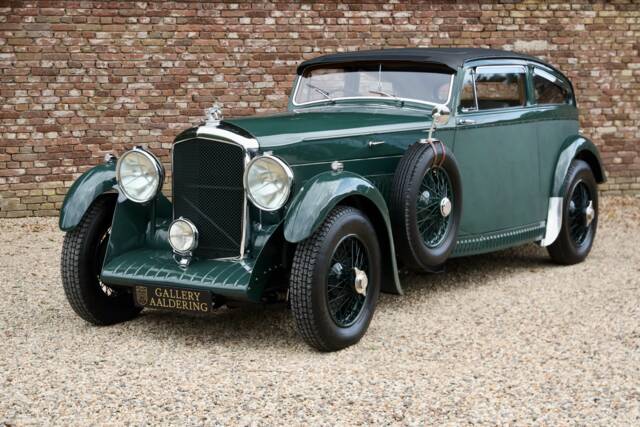
1950 | Bentley Speed Six “Blue Train”
Bentley "Blue Train" Speed Six Special A recreation of the "Blu Train" with the "Bullit Prove" Mark 6 engineering and mechanics, Rebuilt by craftsmen in a 2500-hour restoration, More than €100.000 invested in materials and parts, With a proven track record - Meanwhile many tours through Europe, A lovingly-built "Special" of Bentley’s iconic Blue Train, British Racing Green over gray leather
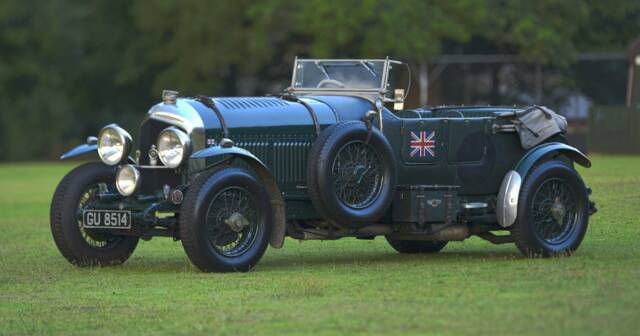
1935 | Bentley Speed Six "Petersen"
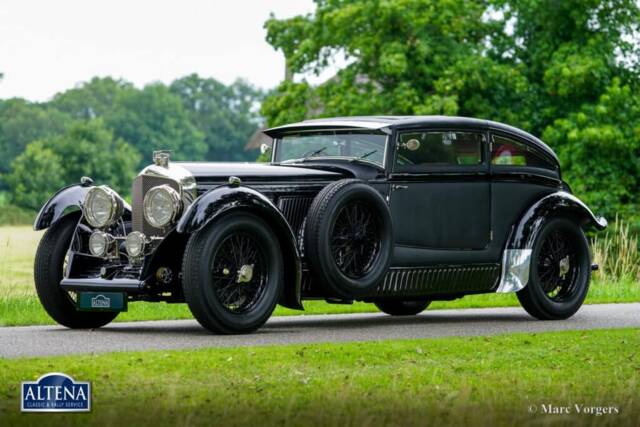
1949 | Bentley Speed Six “Blue Train”
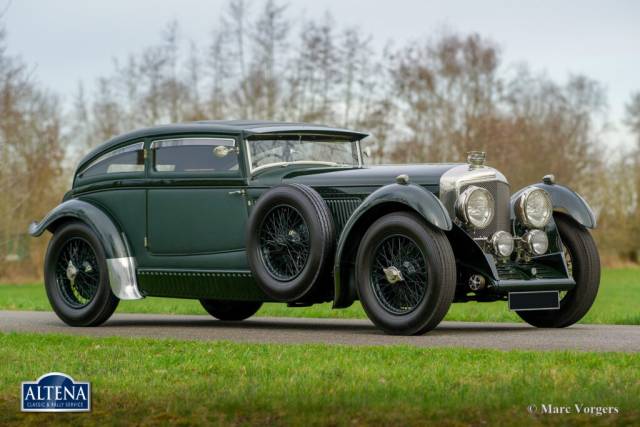
1950 | Bentley Speed Six “Blue Train”
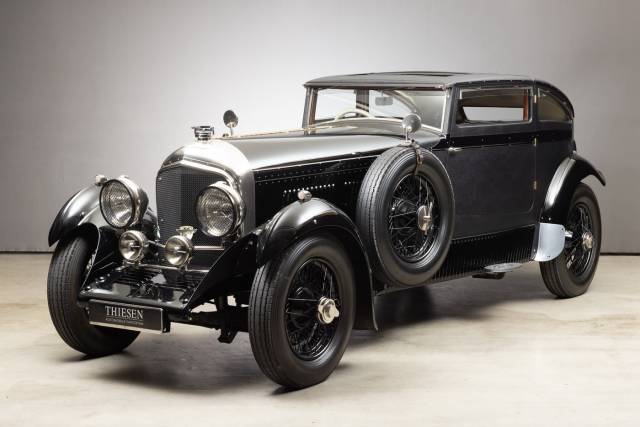
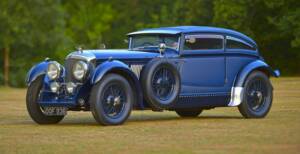
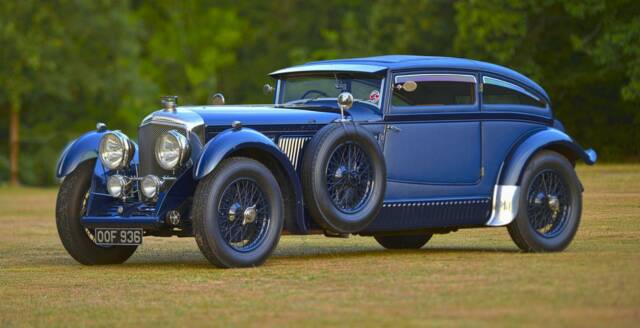
1929 | Bentley Speed Six “Blue Train”
Speed Six "Blue Train" Recreation by Petersen Engineering

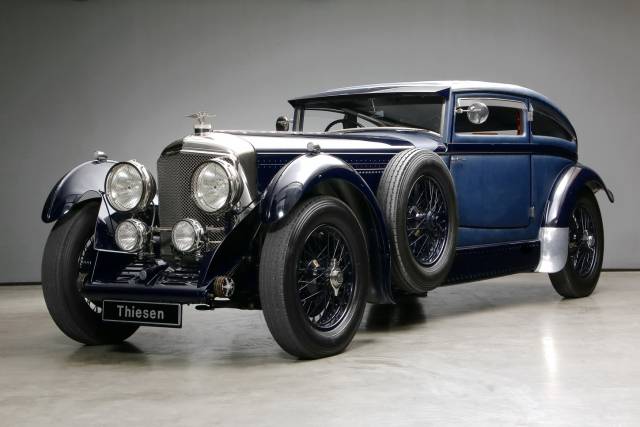
1953 | Bentley Speed Six “Blue Train”
Speed Six "Blue Train" Recreation by Racing Green
Bentley Speed Six Classic Cars: Prices & Market Values
History of the Bentley Speed Six
The Bentley Speed Six emerged in 1928 as the ultimate development of the Bentley 6½ Litre series, tailored for both high-performance touring and endurance racing. Introduced by W.O. Bentley, the model quickly earned its stripes as the most successful racing Bentley of its time, particularly renowned for its Le Mans victories. The Speed Six was born during an era of rapid innovation, where British manufacturers pushed boundaries on and off the track. Its robust inline-six engine and advanced chassis made it stand out at prestigious events such as Le Mans, where it proved its mettle against European competition. The blend of reliability, speed, and endurance led to its legendary status among classic car communities.
Model History
The Speed Six succeeded the standard Bentley 6½ Litre, enhancing its foundation with a more performance-oriented setup. Production spanned from 1928 to 1930. While the 6½ Litre chassis formed the basis, the Speed Six received significant upgrades in tuning, carburation, and mechanical robustness. No direct successor followed immediately, as Bentley’s model lines evolved substantially after the company was acquired later in the 1930s. However, the Speed Six laid technical and reputational groundwork that influenced all sporting Bentleys to follow.
Highlights and Key Features
The Speed Six distinguished itself through several engineering advances. Its high-output straight-six engine delivered exceptional power and torque, paired with sturdy chassis construction and meticulous craftsmanship. Racing derivatives, including famous bespoke models like the "Blue Train" car, offered exclusive bodywork and sporting features. This combination ensured not only top speed but reliability over long distances. Modern recreations, such as the "Blue Train" homage, combine historically accurate designs with robust Mark 6 mechanicals, blending heritage with improved reliability and on-road compliance.
Technical Data
Special Editions and Collectible Models
The most renowned special edition is the "Blue Train" Speed Six, created to celebrate the vehicle’s legendary role in the famous race against the Le Train Bleu in France. Modern recreations pay tribute to this history, often handcrafted with authentic design cues and engineered for both appearance and reliable touring. These models frequently feature craftsmanship and details tailored to collectors, such as bespoke interiors, unique colors, and precision-matching original specification components.
Weak Spots and Common Issues
While the Speed Six was well engineered for its era, originality and correct restoration are critical with these vehicles. Modern recreations often address past weaknesses by integrating more robust Mark 6 technology, making them more reliable for touring and daily use. Proper upkeep and specialist attention are a must to preserve authenticity and performance, especially for early mechanical systems and bespoke bodywork.
Engine and Performance, Transmission and Handling
The Speed Six's six-cylinder engine was tuned for both power and endurance, giving it a remarkable performance edge over many contemporaries. Handling was progressive for a car of this weight and size, with a well-balanced chassis making it suitable for high-speed touring and sporting applications. Modern recreations, based on Mark 6 mechanicals, can match the driving pleasure of the originals while offering enhanced reliability and usability. - Bentley Speed Six "Blue Train" Recreation: Recognised for its historical accuracy, Mark 6 underpinnings, and classic British Racing Green finish.
Interior, Comfort, Exterior and Design
The interior of the Speed Six exemplifies classic English luxury, often featuring grey leather upholstery, handmade wood trim, and minimalistic instrument clusters tailored for drivers. The exterior profile is defined by sweeping fender lines, commanding bonnet, and archetypal long wheelbase proportions. Special paint finishes like British Racing Green were popular. Accessories such as handcrafted luggage and optional open-top arrangements further enhance the period-correct experience in many recreations. Features like a robust chassis, coachbuilt body, and authentic period detailing define the Speed Six’s visual and tactile identity.
Other Features
Current recreations of the Speed Six, such as the "Blue Train" homage, ensure a blend of historical correctness and modern driving reliability, fully road-legal for German roads with required certifications and documentation. These hand-built examples appeal to collectors valuing craftsmanship, driving precision, and historical fidelity.
Summary
The Bentley Speed Six remains a definitive chapter in classic British motor car history, combining competition pedigree, rigorous engineering, and luxurious design. Whether considering a meticulously restored original or an expertly crafted recreation, buyers gain a car that balances historic authenticity with modern-day touring capability. Its exclusive place in both supply and demand statistics on Classic Trader highlights its role as a touchstone for the marque’s performance legacy.