Bentley Turbo R classic cars for sale
The Bentley Turbo R, produced from 1985 to 1999, marked Bentley’s shift to true high-performance luxury saloons. With a turbocharged 6.75-litre V8, revised chassis and refined interior, the Turbo R became a hallmark of British automotive engineering—bridging tradition and modernity. The Turbo R’s reputation comes from improved handling, distinctive styling and a substantial presence on the road.
Search results
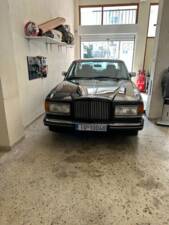
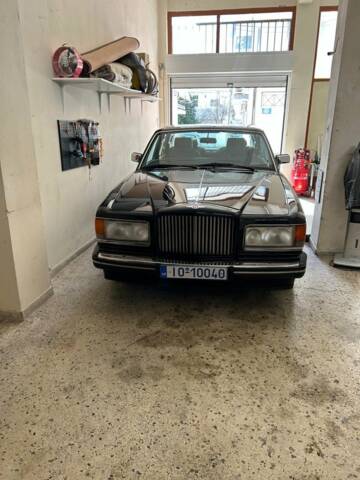
1987 | Bentley Turbo R
Bentley Turbo R | 1987 | Route 66 Auctions - For sale by auction. Estimate 16800 EUR

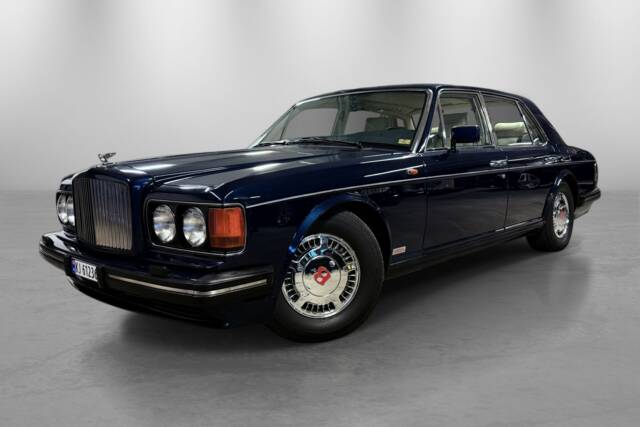
1989 | Bentley Turbo R
Turbo R – An Aristocrat with Soul
Auctions ending soon

Loading…
Loading…
Loading…
Loading…
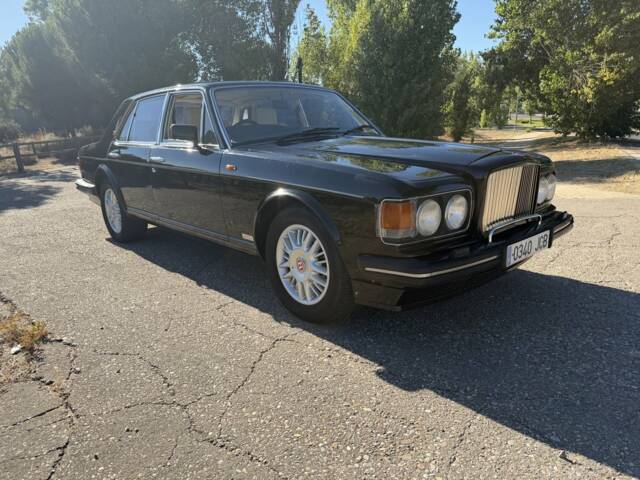
1989 | Bentley Turbo R
Bentley Turbo R | 1989 | Route 66 Auctions - For sale by auction. Estimate 7200 EUR
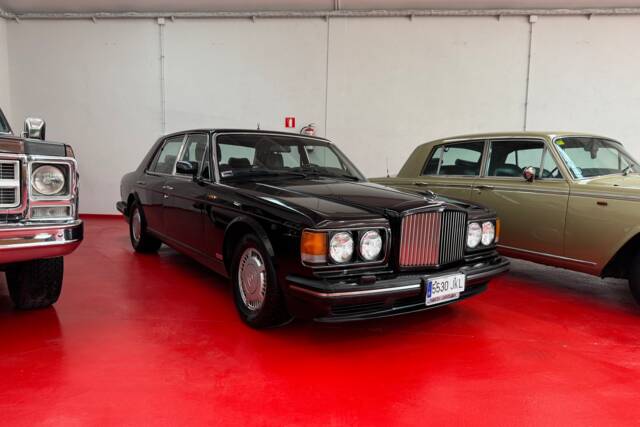
1989 | Bentley Turbo R
V8 Turbo

Newsletter
The best Bentley listings, straight to your inbox
Get hand-picked Bentley listings, plus the best of cars, motorbikes, and auctions on Classic Trader — all in one place.
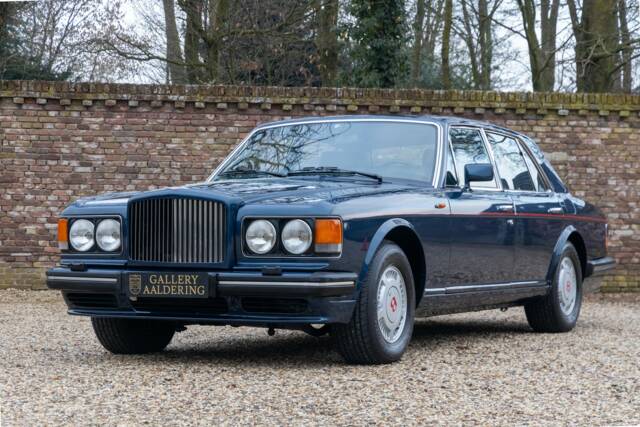
1989 | Bentley Turbo R
Bentley Turbo R Saloon "Service at Jack Barclay" The first owner ordered not one but two Turbo “R” Saloons at the same time, Finished in Windsor Blue over an anthracite hide, Delivered by Rolls Royce dealer Franco Britannic in Paris, "Exceptionally documented" - All booklets- invoices and factory final inspection report (approximately 100 pages), In absolute mint condition,1989 was the best year of the Turbo “R”,
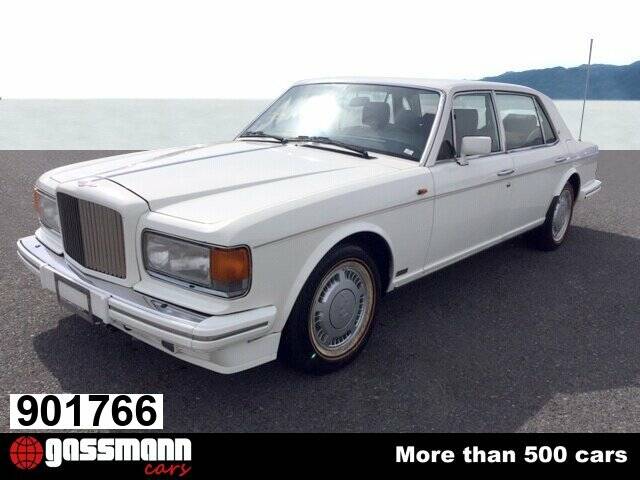
1987 | Bentley Turbo R lang
Turbo R mehrfach verfügbar!

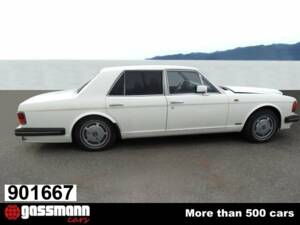
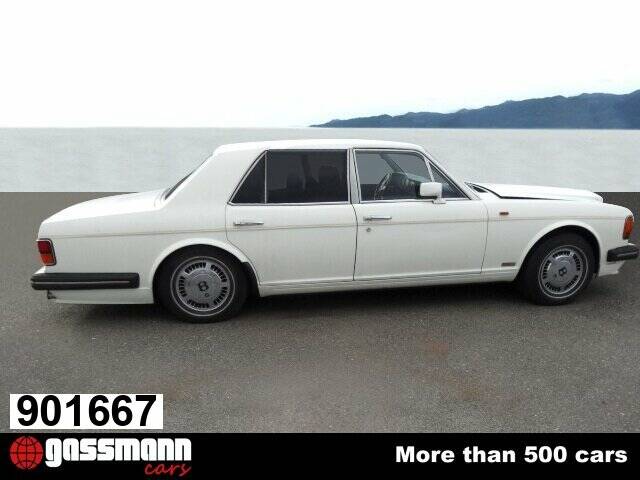
1990 | Bentley Turbo R
Turbo R mehrfach verfügbar!
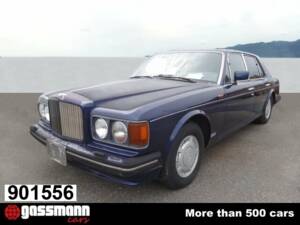
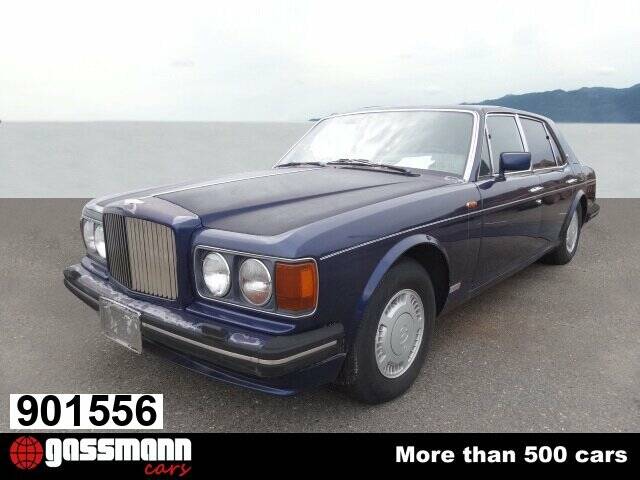
1991 | Bentley Turbo R
Turbo R mehrfach verfügbar!
VAT is reclaimable
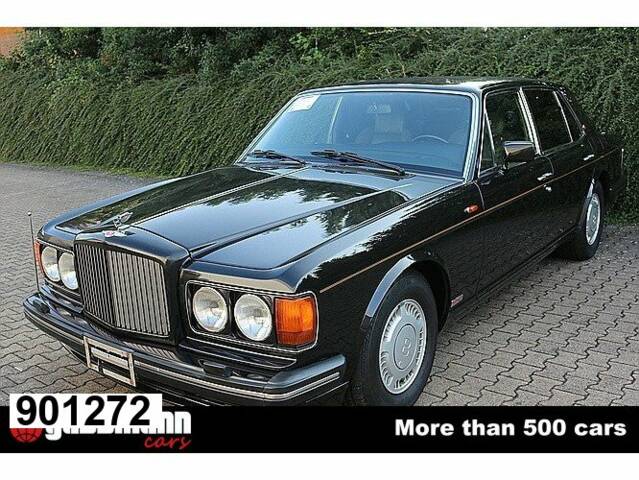
1990 | Bentley Turbo R lang
Turbo R mehrfach verfügbar!
VAT is reclaimable
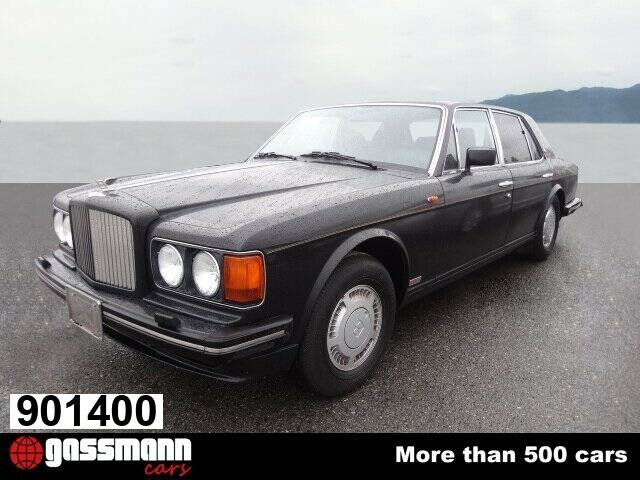
1990 | Bentley Turbo R
Turbo R mehrfach verfügbar!
VAT is reclaimable
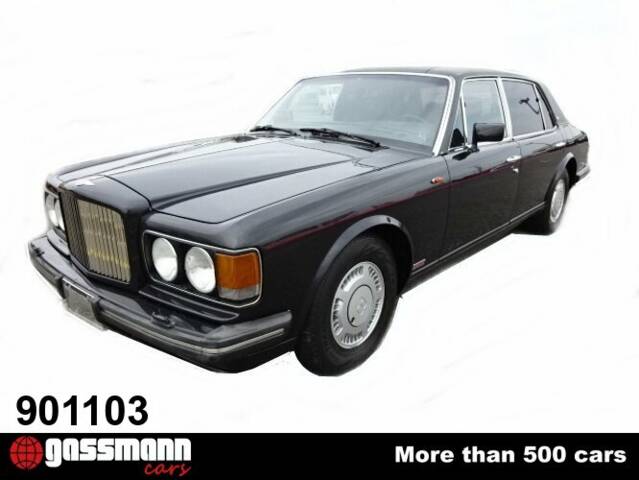
1991 | Bentley Turbo R
Turbo R mehrfach verfügbar!
VAT is reclaimable
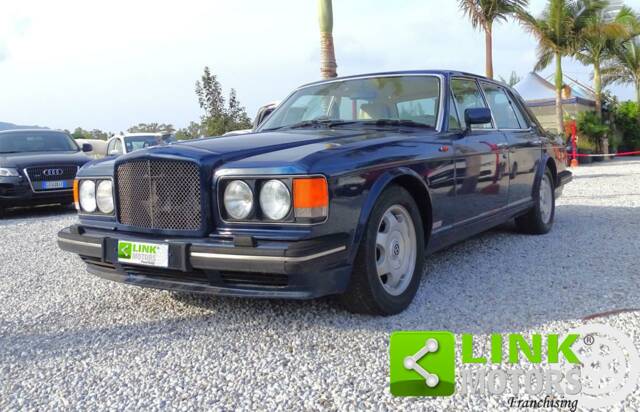
1990 | Bentley Turbo R
BENTLEY Turbo R (1990)

Bentley Turbo R listing references from Classic Trader
Below you will find listings related to your search that are no longer available on Classic Trader. Use this information to gain insight into availability, value trends, and current pricing for a "Bentley Turbo R" to make a more informed purchasing decision.
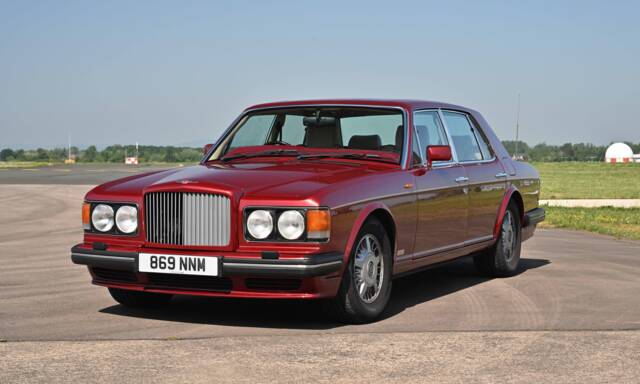
1994 | Bentley Turbo R
1994 Bentley Turbo R

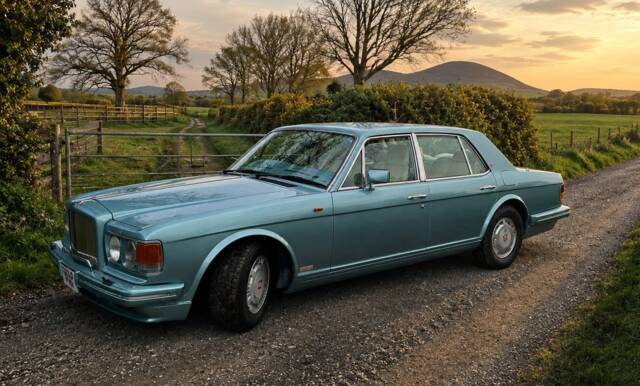
1990 | Bentley Turbo R
1990 Bentley Turbo R
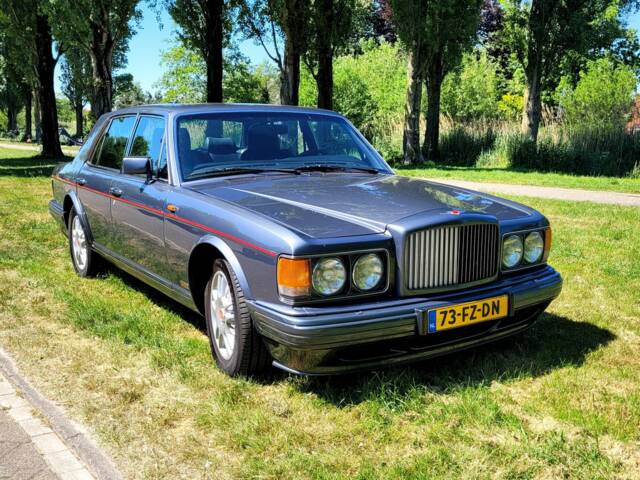
1995 | Bentley Turbo S
Bentley Turbo S | 1995 | Route 66 Auctions - For sale by auction. Estimate 23500 EUR
Bentley Turbo R Classic Cars: Prices & Market Values
The market value of Bentley Turbo R classic cars is primarily determined by technical condition, originality and mileage, as well as rarity, history and documentation. A well-maintained, largely original vehicle with low, verifiable mileage and complete history including appraisals and documentation typically achieves significantly higher prices than a comparable vehicle with deferred maintenance, many modifications or unclear provenance.
Bentley Turbo R: Market Prices & Value Trends
Based on sales data from the Classic Trader marketplace, the Bentley Turbo R market in Europe has shown a broadly stable to slightly firmer tone over the period from February 2021 to November 2025. Asking prices continue to span widely, but the bulk of adverts cluster in the mid-market rather than at the extremes: most well-presented Turbo R examples from the late 1980s to mid-1990s tend to sit around €15,000–€35,000, with stronger, later cars (including long-wheelbase “lang” variants and higher-spec 1996–1997 models) more often appearing towards €30,000–€45,000. Very low figures seen in a handful of entries look like project cars, incomplete data, or atypical offers and should not be treated as representative. Recent German and Italian adverts frequently land in the €20,000–€38,000 bracket, suggesting steady demand for usable, well-maintained cars. This stabilisation is consistent with the model’s appeal as a charismatic, hand-built V8 luxury saloon that remains relatively affordable, while condition, service history and specification still drive the biggest price differences.
History of the Bentley Turbo R
Launched at the 1985 Geneva Motor Show, the Bentley Turbo R was a direct response to falling sales and the need to rejuvenate Bentley’s brand. Replacing the Mulsanne Turbo, it was designed to deliver superior handling and power. Key among its engineering changes was the 'R'—which stands for 'Roadholding'—highlighting the pivotal upgrade in chassis dynamics over its predecessor. Bentley reinforced anti-roll bars, stiffened dampers, and incorporated a Panhard rod to better control rear axle movement, elevating cornering stability. Turbocharged V8 power, upgraded interior trim, and bold, yet classically Bentley, aesthetics kept buyers engaged over nearly 15 years of production.
Model History
The Turbo R replaced the Mulsanne Turbo, only briefly offered alongside its predecessor before taking over completely in 1985. Key updates came throughout its lifespan, such as the adoption of fuel injection in 1987, improvements to the braking system, and a comprehensive switch from a three-speed to a four-speed automatic transmission in 1992. In 1995, further enhancements included a Zytek injection system and cosmetic revamps. Production of the main Turbo R ceased in 1997, while limited numbers of the Turbo RT—regarded as the final, most potent evolution—continued until 1999. Rare versions like the long-wheelbase RL and special editions added further appeal, especially to enthusiasts seeking ultimate comfort and exclusivity.
Highlights and Unique Features
The Turbo R distinguished itself from its predecessor and competitors through a blend of luxury and road-focused engineering. Wide alloy wheels, revised suspension, and a turbocharged 6.75-litre V8 engine delivered both formidable straight-line speed and impressive handling. The Bentley interior featured fine leather, real wood veneers—often bird’s eye maple—and premium touchpoints throughout. Standard features included electric seats, automatic climate control, and cruise, with later models introducing additional luxuries like heated, memory seats, multi-zone climate system, and premium audio setups. Early models are recognised for their rectangular headlights, with a shift to twin round lights in later years. Original accessories like lambswool rugs, picnic tables, and comprehensive tools remain highly prized. Colour palettes reflect typically British tastes: Racing Green, Balmoral Green, Lagoon Blue, Wildberry Red, and more.
Technical Data
Special Editions and Collectible Models
Notable special variants include the Bentley Turbo R Sport—made for the German market—with alloy wheels from the Continental and carbon fibre replacing walnut dashboard inlays. The extremely limited Turbo S (around 50 cars) and late-model Turbo RT stand out for their mechanical refinement and rarity. The Turbo RL, as a long-wheelbase saloon, caters to those prioritising rear passenger comfort—such variants, especially with full service histories, are among the most sought-after.
Weak Spots and Common Issues
Critical weak points for the Turbo R include cylinder head gasket failure, especially in later, high-power variants. Electrical issues such as malfunctioning control units and complex 1990s electronics require careful attention, as does possible corrosion on non-aluminium panels like wheel arches. Enthusiasts favour examples with full service records, low mileage, and original condition. Maintenance costs are above average due to the complexity and exclusivity of parts and service procedures.
Engine and Performance, Transmission and Handling
The 6.75-litre turbocharged V8 delivers substantial torque and seamless power delivery—making fast, refined highway travel a hallmark of the Turbo R experience. Revised suspension, stiffer anti-roll bars and panhard rod stabilisation result in surprisingly agile handling for a car of its weight. The four-speed automatic transmission introduced in the 1990s allowed smoother transitions and better acceleration. Key competitors at the time struggled to match the Turbo R’s blend of ride comfort and driving precision. Notably, the car’s brakes (including ABS from 1987) and the wider tyres enhanced overall confidence in spirited driving. - Bentley Turbo R SWB (standard wheelbase): Noted for a balanced combination of handling and luxury.
- Bentley Turbo RL (long wheelbase): Additional rear legroom, ultimate in comfort for passengers.
- Bentley Turbo R Sport: Exclusive to certain markets, featuring alloy wheels from the Bentley Continental and advanced interior/trims.
- Bentley Turbo RT: Last production run, most powerful version with significant presence and high desirability among collectors.
Interior, Comfort, Exterior and Design
Design emphasis for the Turbo R pairs traditional cues—such as the upright Bentley grille and elegant lines—with incremental modernisation over the years. Notable differences include rectangular headlights on pre-1989 cars, followed by dual round units. Standard wheels are high-gloss alloy, typically shod with quality Avon tyres. Interiors are dominated by rich leather upholstery (colours like Magnolia, Spruce, Sandstone), bird’s eye maple or walnut veneers, and chromed fixtures. Electric and heated front and rear seats were common, as were luxury touches like picnic tables, vanity mirrors, footrests, and often even cocktail cabinets in high-spec models. Later years saw introduced Zytek injection, chromed instruments, updated steering wheels, 17” wheels, navigation and upgraded infotainment. Factory options were extensive and individual—original lambswool floor mats, factory-fitted phones, and fridge sockets in the boot were not uncommon.
Other Features and Additional Information
Multiple accessories and equipment variations exist—ranging from Blaupunkt stereo systems, cassette or later CD changers, automatic cruise control, extensive lighting options and all manner of unique personalisation. Documentation and ownership history are especially important in the value of surviving Turbo R examples. All service books, original toolkits and handbooks are highly prized, enhancing the car’s collectability and ease of ongoing ownership.
Summary
The Bentley Turbo R redefined high-performance luxury saloons through the 1980s and 1990s, bringing advanced engineering and unmistakable presence to the marque’s offering. Its enduring appeal lies in the combination of craftsmanship, formidable V8 power, luxury fitments, and unique British character. The proportion of Turbo R listings and viewing interest confirms its status as the quintessential classic Bentley for enthusiasts and collectors alike.