Peugeot 201 classic car for sale
The Peugeot 201, produced between 1929 and 1937, was the first mass-produced model from the French manufacturer to use the now-trademark three-digit naming scheme. With its innovative independent front suspension, robust four-cylinder engine, and a range of body types including saloon, cabriolet, and van, the 201 played a crucial role in anchoring Peugeot’s reputation during economically challenging times.
Search results
Currently, there are no matching listings for your search.
Create search alert
Let yourself be notified as soon as a listing is published that matches your search filters.
Create listing
Do you have a Peugeot 201 that you want to sell? Then create a listing now.
Create listingPeugeot 201 listing references from Classic Trader
Below you will find listings related to your search that are no longer available on Classic Trader. Use this information to gain insight into availability, value trends, and current pricing for a "Peugeot 201" to make a more informed purchasing decision.
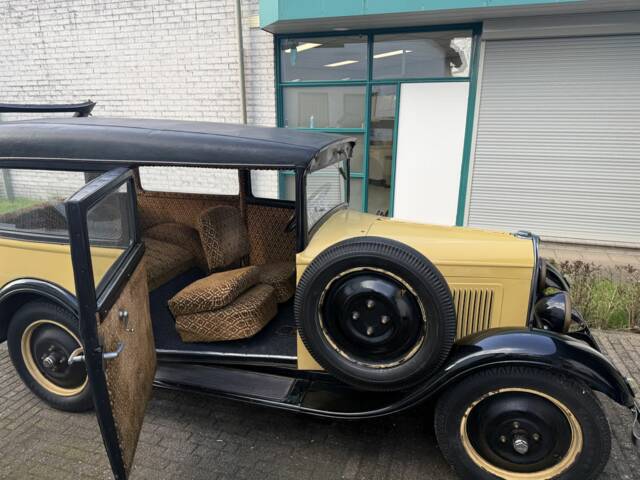
1931 | Peugeot 201
Peugeot 201 Coupe | 1931 | Route 66 Auctions - For sale by auction. Estimate 8500 EUR

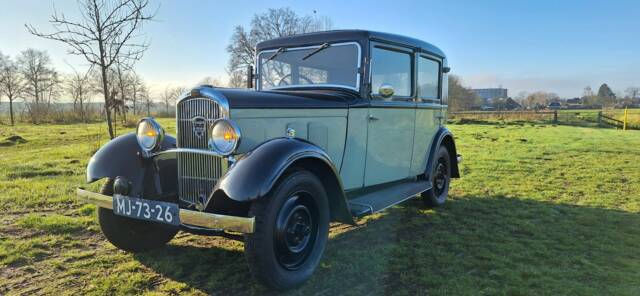
1933 | Peugeot 201
Peugeot 201B uit 1933 met een mooie historie
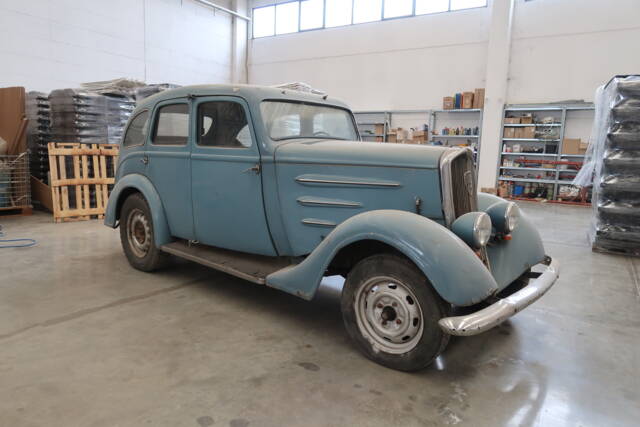
1937 | Peugeot 201
Rare Pre-War Classic
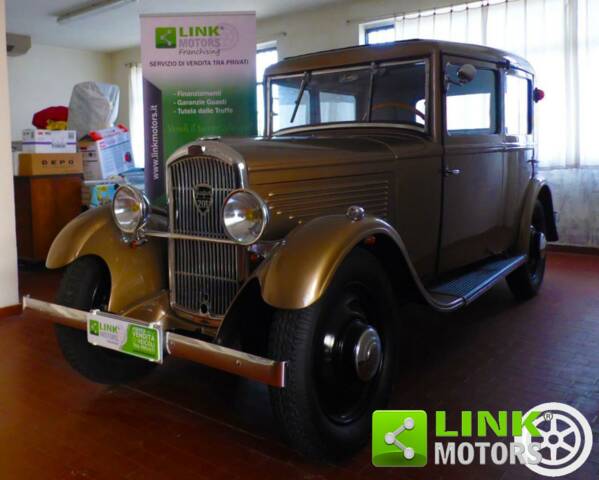
1932 | Peugeot 201
PEUGEOT 201 C

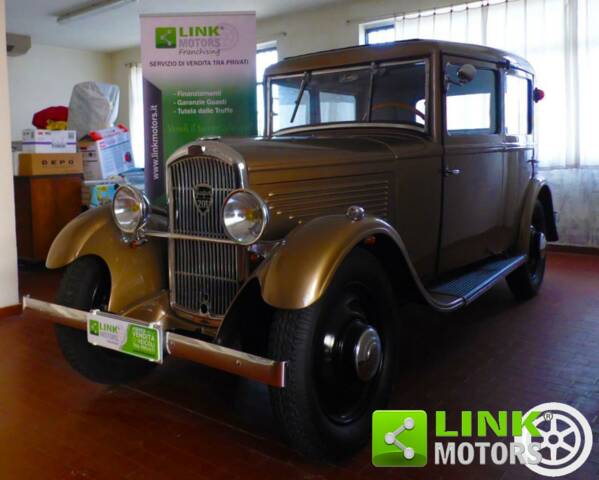
1932 | Peugeot 201
PEUGEOT 201 C
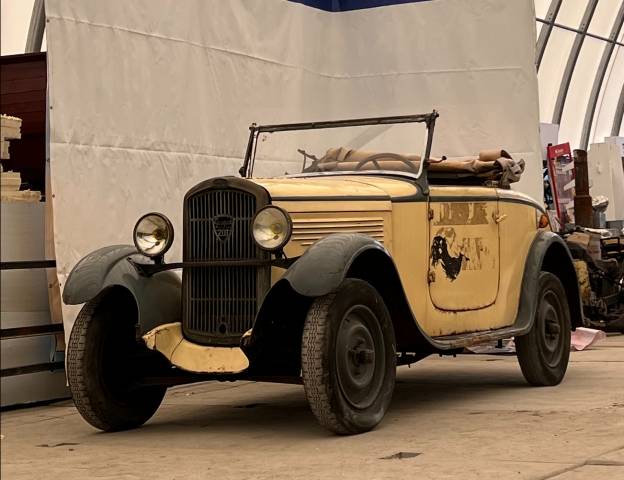
1932 | Peugeot 201
201 CS (352 units)

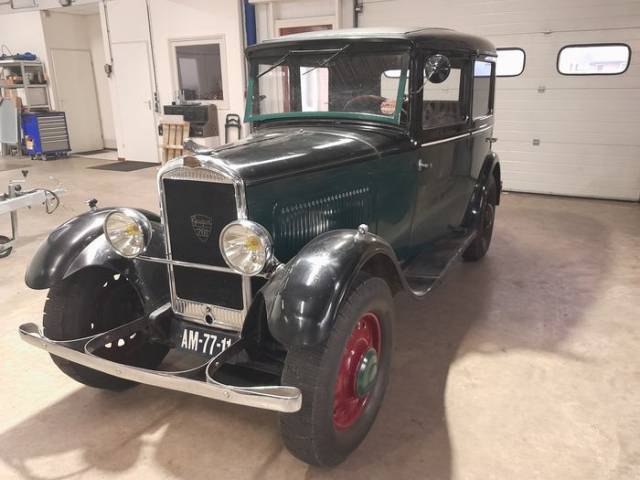
1931 | Peugeot 201
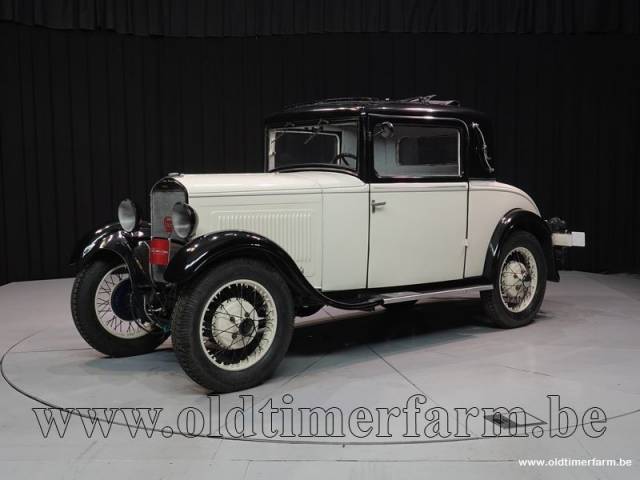
1930 | Peugeot 201
1930 Peugeot 201 '30

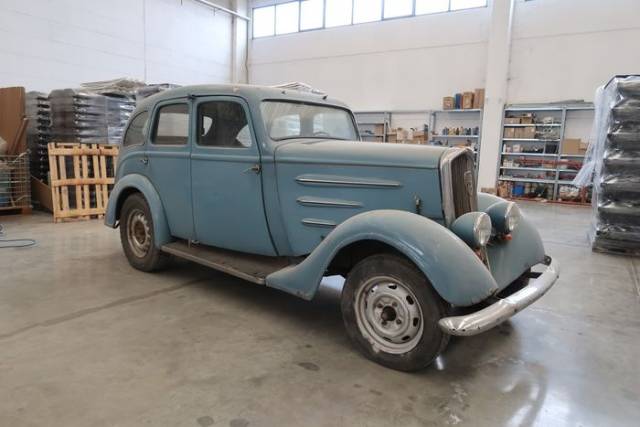
1937 | Peugeot 201
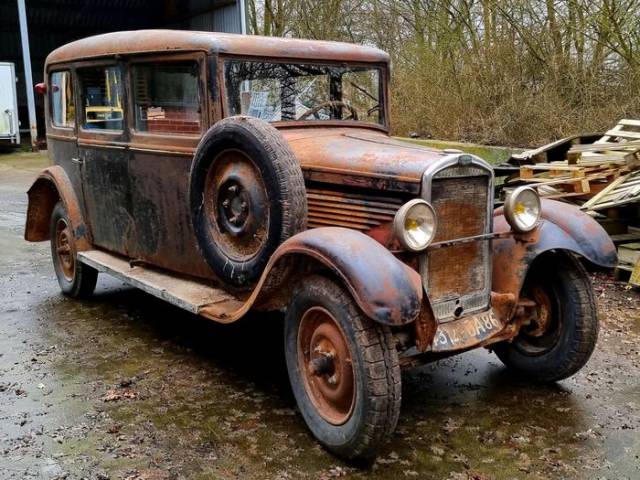
1932 | Peugeot 201
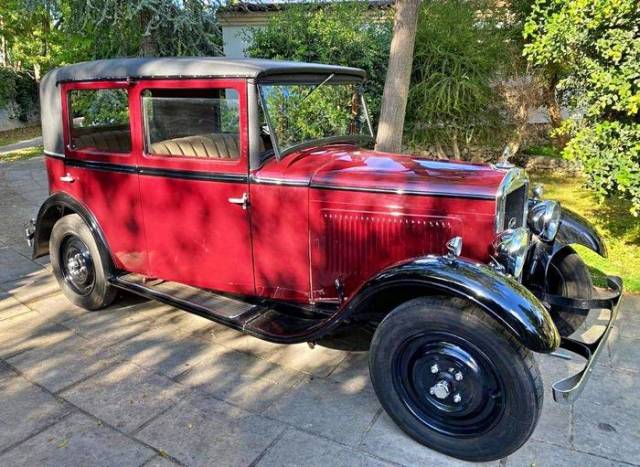
1931 | Peugeot 201
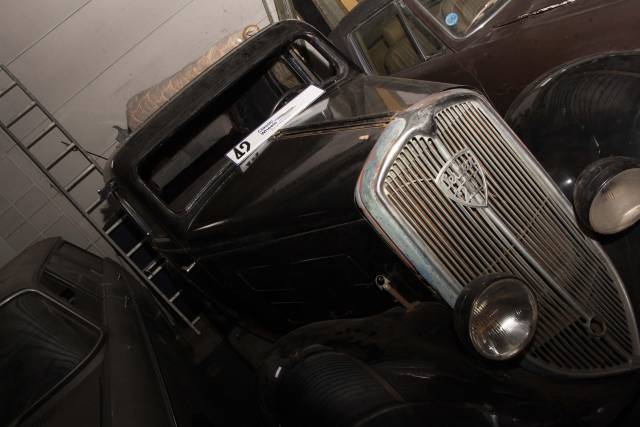
1930 | Peugeot 201
Peugeot 201 1930
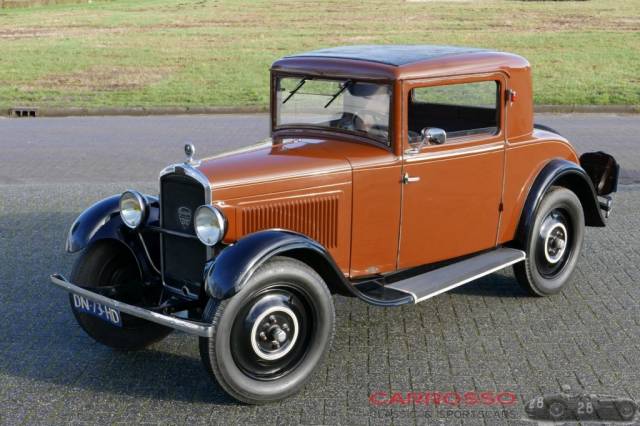
1928 | Peugeot 201
Peugeot 201 E Restored 4 Cil.
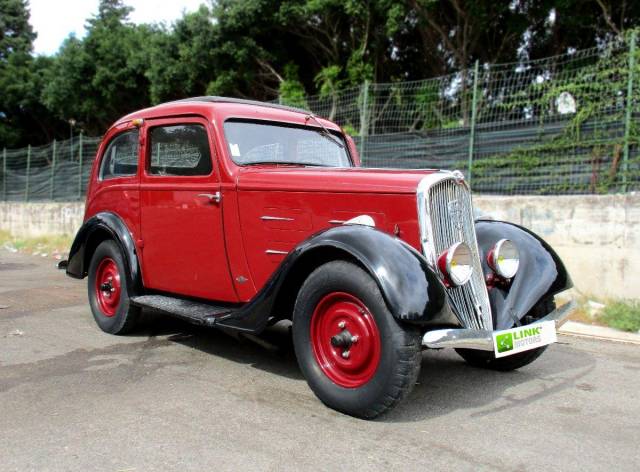
1934 | Peugeot 201
Peugeot 201D Caoch (1938) INTONSA
Create search alert
Let yourself be notified as soon as a listing is published that matches your search filters.
Create listing
Do you have a Peugeot 201 that you want to sell? Then create a listing now.
Create listingPeugeot 201 Classic Cars: Prices & Market Values
History of the Peugeot 201
Launched at the 1929 Paris Motor Show, the Peugeot 201 arrived at the onset of the global economic crisis. Unlike many competitors, Peugeot navigated the era successfully, with the 201’s versatility and robust engineering strengthening the brand's position in the marketplace. Production took place at the Sochaux factory near the Swiss border, and, as the first Peugeot to adopt the now-protected three-digit sequence with a zero in the middle, it began a naming tradition that continues to this day. The initial models featured several body styles on a 2,470 mm wheelbase, and showcased a significant leap in chassis technology with the introduction of independent front suspension in 1931.
Model history of the Peugeot 201
The 201 was developed as Peugeot’s first high-volume car, succeeding the Peugeot Type 190 (“La 5CV Peugeot”). Various derivatives were produced, such as the 201T for commercial and seven-seat configurations. Over its production span, the model saw improvements in engine performance and body options. The successor to the 201 was the Peugeot 202, introduced in 1938, which continued production—with interruptions—until 1949.
Highlights and distinguishing features
The Peugeot 201’s innovative independent front suspension, first fitted in 1931, set it apart from its contemporaries and improved both ride comfort and handling compared to the rigid axles used by rivals. Its distinctive three-digit badge with a central zero became a signature for Peugeot models. The 201 was offered in multiple versions—saloon, cabriolet, commercial van—and its factory colour palette included black as standard, with rare combinations like black/green and black/red also documented. Approximately 63,000 units were produced.
In terms of popularity, the Peugeot 201 stands out on the market for classic Peugeots: According to our supply data, 100% of Peugeot classic cars listed are of the 201 model series. The same applies to demand, with 100% of listing views focused on the 201 in this segment, making it a focal point for both supply and collector interest in early Peugeot classics.
Technical data
Special Editions and Collectible Models
Of particular note is the Peugeot 201-X, a limited-run racing version built by Bugatti for Peugeot, featuring a straight-eight engine derived from the Bugatti Type 35. Equipped with OHC valve gear and, in some models, a Roots centrifugal supercharger, only around 20 examples were made, finished as pointed-tail roadsters or cabriolets. Additionally, the 201M represented a noteworthy variant, and the 201T model was designed for commercial use, accommodating up to seven passengers.
Engine, performance, and driving characteristics
The 201’s initial four-cylinder engine offered modest power output, suited to the car’s light weight. Acceleration is placid by modern standards, but with a top speed of 80 km/h, the 201 kept pace with contemporary traffic. The introduction of independent front suspension in 1931 marked a substantial improvement in both ride quality and handling precision over the solid axle setups. Transmission was manual and rear-wheel-driven, contributing to reliable, straightforward driving dynamics. Brake systems were drum-type all round. Notably, the sports 201-X introduced multi-valve OHC heads and forced induction for competition purposes. - Peugeot 201 (1122cc): 23 hp, top speed 80 km/h
- Peugeot 201 (1465cc): 35 hp (later versions)
- Peugeot 201-X: racing variant, straight-8 engine, unique cabriolet and roadster bodies
- Peugeot 201T: commercial body, up to 7 seats
Interior, comfort, exterior and design
Exteriors typically featured a black paint finish, sometimes combined with contrasting shades like green or red. Bodywork options included sedan, cabriolet, and commercial van, each utilising the same 2,470 mm wheelbase. Period materials included steel bodywork and, on certain versions, a factory-fitted steel roof. The design philosophy focused on utility and understated elegance, eschewing flamboyance for practicality and modernity relative to its time. Interior details were basic but robust, consistent with the vehicle’s role as a mass-market family car. The three-digit central-zero badge was a distinctive visual signature starting with this car. Optional accessories and special equipment variants (such as extra seating or commercial layout) further expanded the 201’s practicality and appeal.
Summary
The Peugeot 201 laid the foundation for Peugeot’s signature three-digit naming convention and established the brand as an innovator with its pioneering front suspension and robust engineering. Over 63,000 examples in various body types were built between 1929 and 1937, and today the 201 represents the entire prewar classic Peugeot market in terms of both supply and enthusiast demand. Its unique technical features, special editions like the Bugatti-built 201-X, and flexible interiors assure the 201’s lasting place in automotive history.