- Motorcycle
- Piaggio
- Piaggio Vespa 90 (1 offer)
Piaggio Vespa 90 – Buy Classic Scooters
The Piaggio Vespa 90 impresses with its compact design, straightforward mechanics and classic appeal. As a rare variant produced primarily in the mid-1960s, it is sought after by fans due to its distinctive structure and reliable engineering. Learn more about this unique Vespa model in the sections below.
Search results
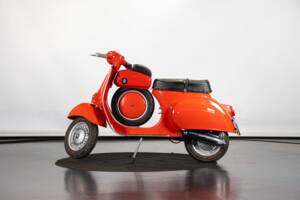
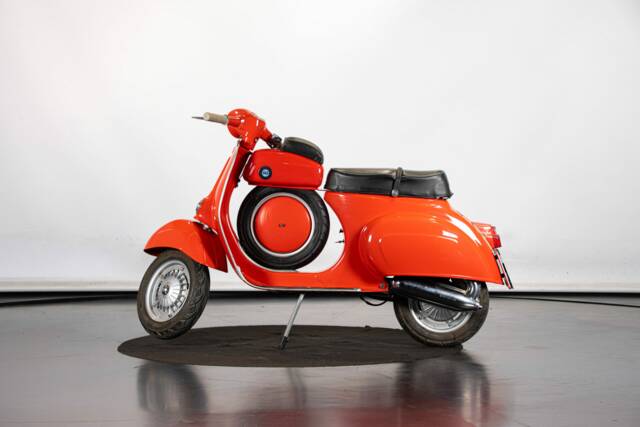
1967 | Piaggio Vespa 90
Piaggio VESPA 90 SS

Piaggio Vespa 90 listing references from Classic Trader
Below you will find listings related to your search that are no longer available on Classic Trader. Use this information to gain insight into availability, value trends, and current pricing for a "Piaggio Vespa 90" to make a more informed purchasing decision.
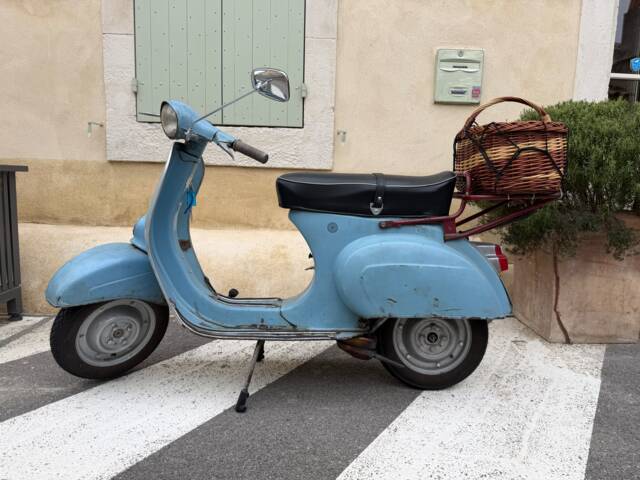
1968 | Piaggio Vespa 90
Rare Vespa 90cc 1968

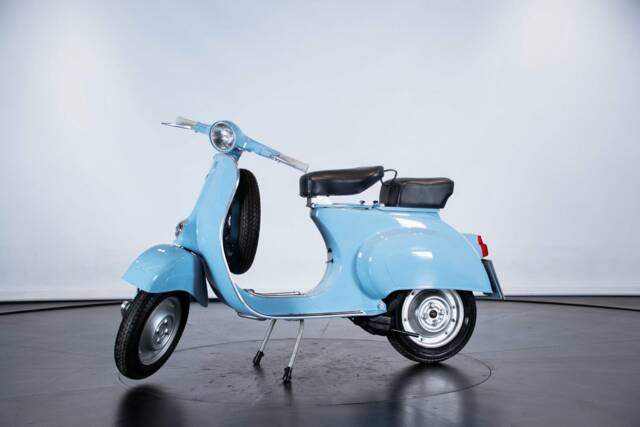
1964 | Piaggio Vespa 90
<p>PRESENTE PAD. 26 - FIERA BOLOGNA - 24-27 OTTOBRE</p>
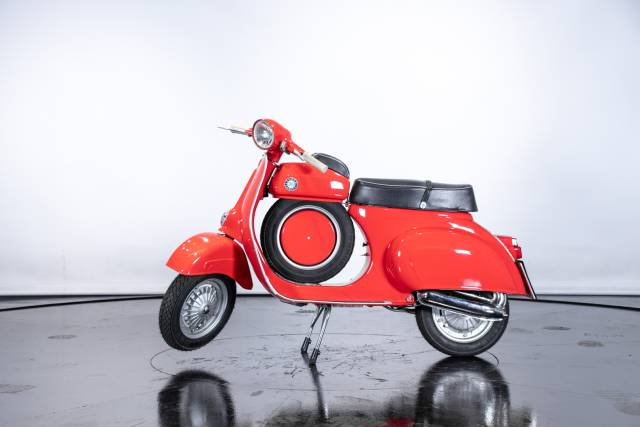
1967 | Piaggio Vespa 90
<p>PRESENTE PAD. 26 - FIERA BOLOGNA - 26-29 OTTOBRE</p>
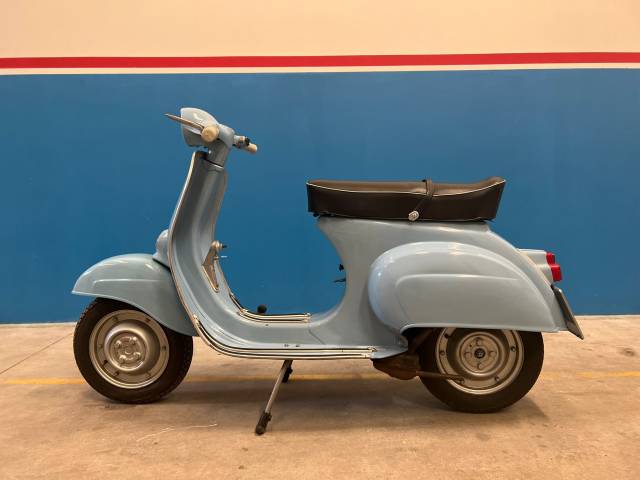
1963 | Piaggio Vespa 90
Piaggio Vespa 90
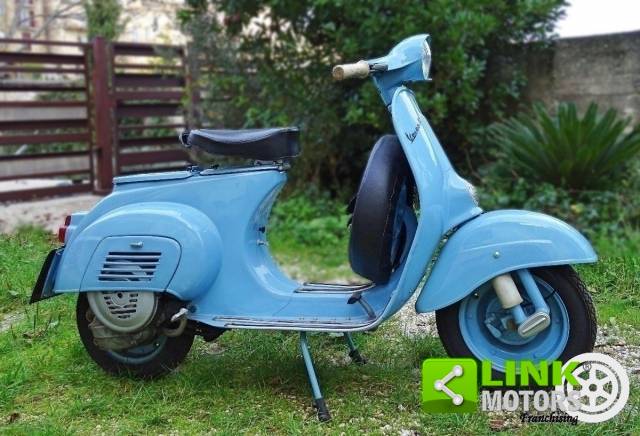
1963 | Piaggio Vespa 90
VESPA 90 1963
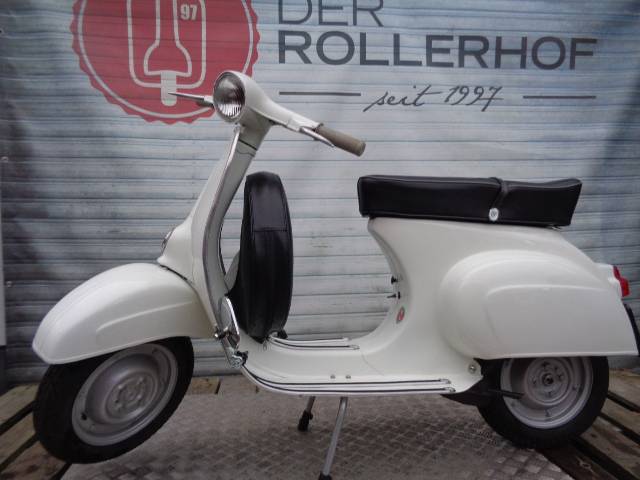
1967 | Piaggio Vespa 90
Vespa Smallframe - Vespa V 90

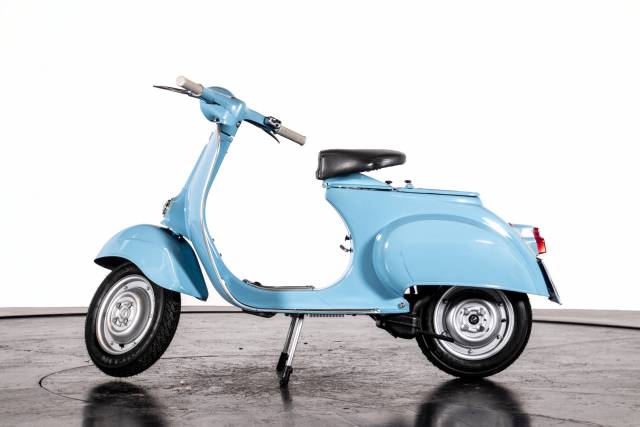
1965 | Piaggio Vespa 90
-
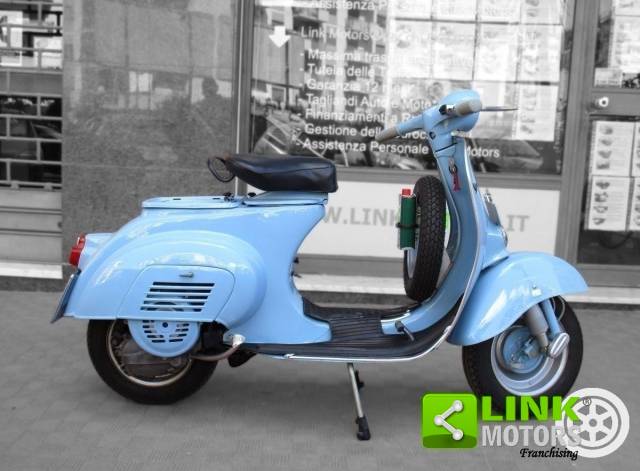
1965 | Piaggio Vespa 90
PIAGGIO Vespa 90 V9A1T (1965) FMI
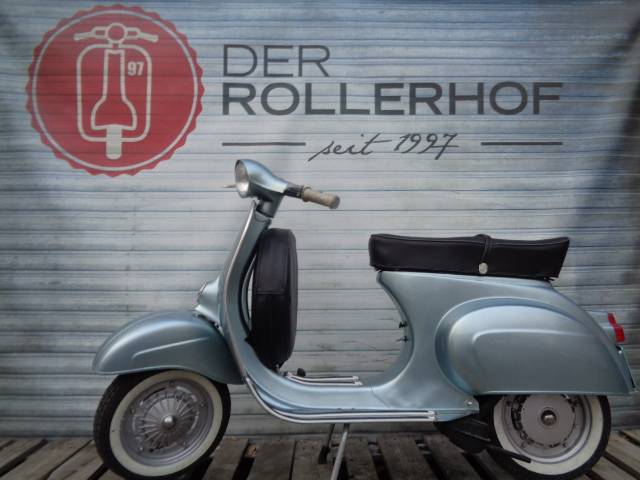
1968 | Piaggio Vespa 90
Vespa Smallframe - Vespa V 90 S - 50ccm hellblau met
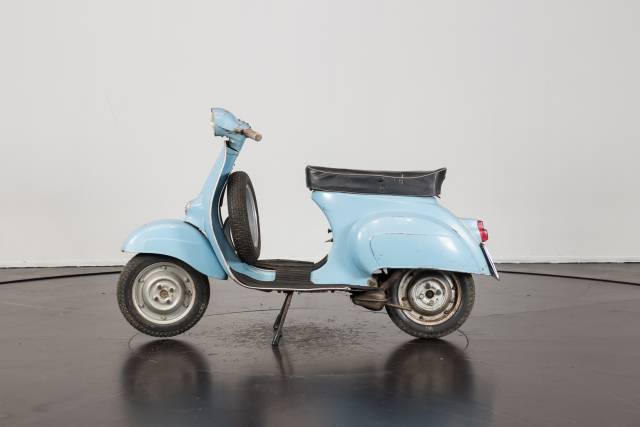
1963 | Piaggio Vespa 90
-
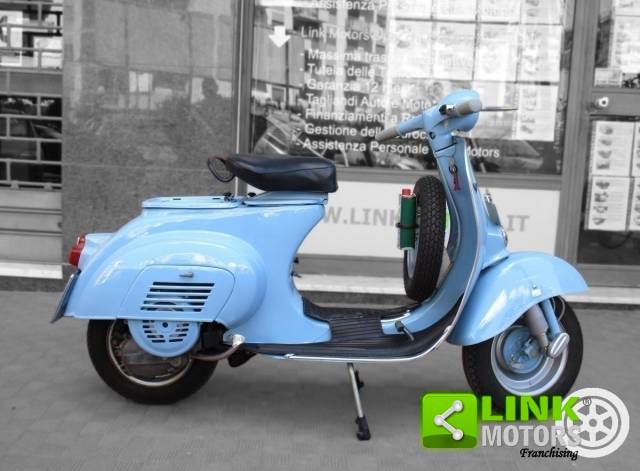
1965 | Piaggio Vespa 90
PIAGGIO Vespa 90 V9A1T (1965) PERFETTA
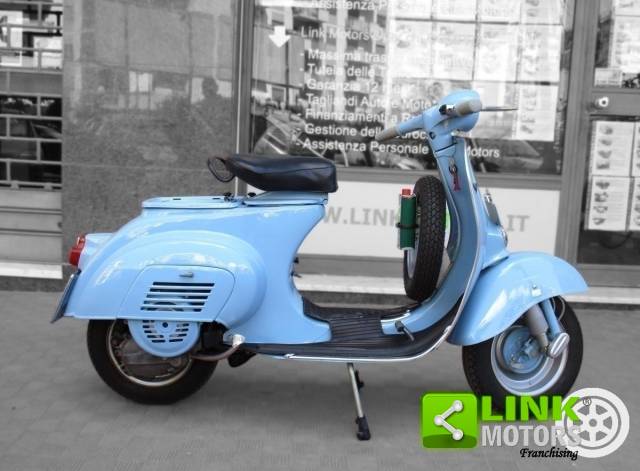
1965 | Piaggio Vespa 90
PIAGGIO Vespa 90 V9A1T (1965) PERFETTA
Piaggio Vespa 90 Classic Motorbikes: Prices & Market Values
Introduction and history of Piaggio Vespa 90
The Piaggio Vespa 90, introduced in 1963, marked a shift in the small-frame scooter market. Developed as a step up from the Vespa 50, it provided riders with greater engine capacity (90cc) and a robust chassis designed for more spirited daily use. Its period of production mainly spanned the 1960s, a time when urban mobility was gaining importance across Europe. Piaggio positioned the Vespa 90 as a practical yet stylish alternative to larger, more unwieldy scooters, targeting younger urban riders and beginners. Throughout its lifecycle, the Vespa 90 became synonymous with Italian city life and was often seen darting through the narrow streets of Rome and Milan.
Model history
The Vespa 90 was presented as an evolution of the Vespa 50, introduced in 1963 as Piaggio’s answer to increased demand for higher performance in a small and approachable package. The Vespa 90 series carries the internal factory code V9A1T. Production continued until it was succeeded by higher displacement small-frames, such as the Vespa 100 and 125 Primavera. Notably, the Vespa 90 was offered in several trim levels, with a special SS (Super Sprint) version catering to enthusiasts seeking more power and a sportier look.
Highlights of Piaggio Vespa 90
One of the main highlights of the Vespa 90 is its lightweight steel monocoque frame, combined with a two-stroke 90cc engine. The scooter’s simplicity in design and accessibility for maintenance make it especially attractive to restoration hobbyists. With its combination of agility, reliability and distinctive lines, the Vespa 90 has earned a reputation for practicality in urban environments. The production numbers for this specific series were limited compared to later models, adding to its appeal for purists.
Technical data
Special Editions and Collectible Models
The most recognised special edition in this series is the Vespa 90 SS (Super Sprint). Built in low numbers, the 90 SS featured a sporty centre tunnel with a faux fuel tank and a glovebox, unique handlebars, and a performance-tuned engine with revised carburettor. These features combine to make the 90 SS much rarer and visually distinct compared to the standard 90. The 90 SS is especially valued among knowledgeable Vespa collectors for its limited production and distinctive styling.
Weak Spots and Common Issues
While the Vespa 90 is renowned for robust mechanicals, buyers should inspect for frame corrosion, especially around floorboards and seams, as moisture and road salt from previous decades can cause rust. Engine seals, electrical wiring, and the condition of the carburettor are common points to check given the scooter’s age. Consumables such as cables, rubber bushings, and brake shoes often require regular replacement, and parts availability is generally strong due to the shared platform with other small-frame Vespas.
Engine and Performance, Transmission and Handling
The air-cooled 90cc engine is known for its rev-happy character and agility in urban traffic. With output ranging between 4 to 5 hp, acceleration is brisk up to 40 km/h, with a realistic top speed near 70 km/h — sufficient for inner-city riding. The three- or four-speed manual gearbox offers positive shifts, and the Vespa 90’s lightweight monocoque chassis provides nimble handling through tight bends. Its drum brakes provide adequate stopping power for the period, though upgrades are available for regular commuters. Particularly, the Vespa 90 SS (Super Sprint) is highlighted for its distinctive performance upgrades, unique styling, and collectability. Standard Vespa 90 models are preferred by riders interested in daily use and ease of maintenance. Technical features such as the lightweight body and compact engine contribute to its dynamic city performance.
Interior, Comfort, Exterior and design
The Vespa 90 maintains the classic small-frame silhouette with compact dimensions, rounded bodywork, and a distinctive horncast. Seats are single or dual, often upholstered in synthetic leather, with chrome accents around the trim. The SS variant features an eye-catching centre tunnel, luggage rack, and unique visual cues such as a ‘fake’ tank between the seat and the legshield. Paint colours of the period typically included white, blue, and red options, with occasional special-order hues. Accessories range from front and rear racks to windshields and period-specific mirrors, enhancing both practicality and period-correct appearance.
Other relevant features
Many Vespa 90 owners value the scooter for its straightforward engineering, allowing home repairs and modifications without specialised tools. The model’s compatibility with a wide range of Piaggio aftermarket and reproduction parts makes it a favourite among tinkerers. It remains a popular choice for classic rally events and urban social rides, thanks to its approachable dimensions and low running costs.
Summary
The Piaggio Vespa 90 balances performance, usability, and classic appeal in a small-frame package. Its historical significance in the Vespa lineup, robust supply of parts, and strong representation in the classic scooter scene make it a logical choice for enthusiasts seeking a city-friendly yet mechanically straightforward classic scooter. For those seeking stand-out visual distinctions, the 90 SS offers unique styling and rarity within the Vespa 90 range.