- Motorcycle
- Norton (5 offers)
Buy Norton Motorcycle
Since 1898, Norton has defined British racing excellence and engineering grit, securing 42 Isle of Man TT victories. From the legendary Featherbed frame to the vibration-free Commando, discover the ultimate expression of British motorcycling heritage.
Search results
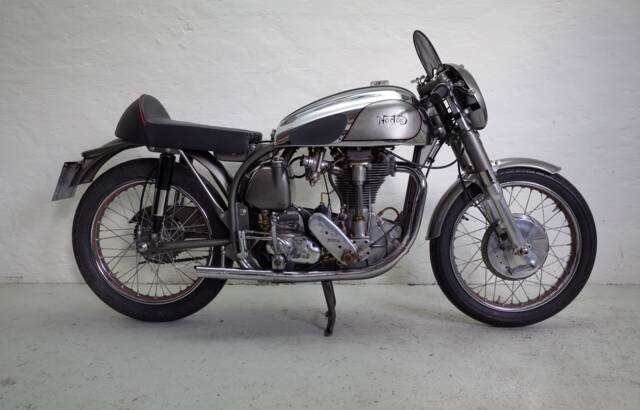
1954 | Norton International Model 40
Genuine Clubman. Raced to 5th place at 1954 Isle of Man Clubman TT




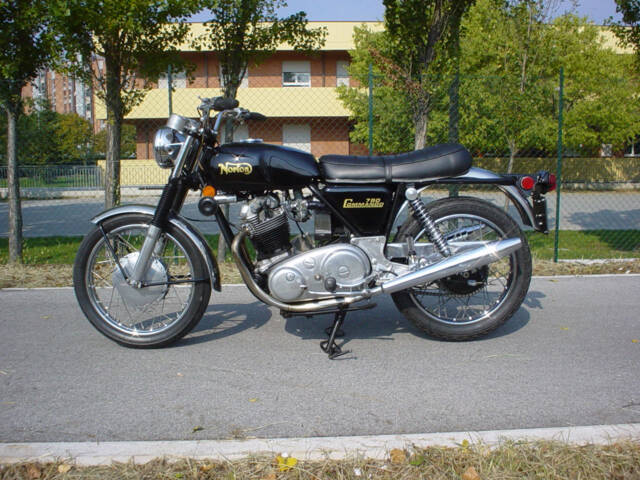

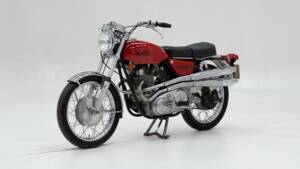
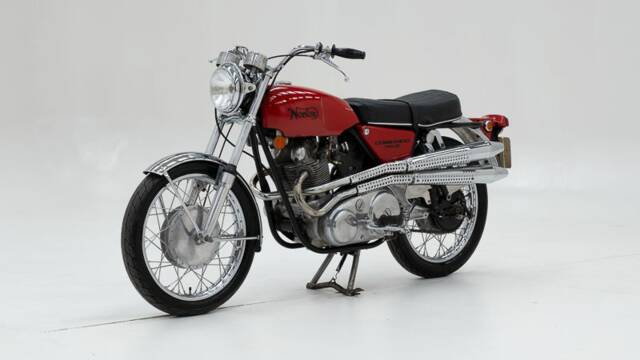
1970 | Norton Commando 750
1970 Norton Commando 750 S '70

Newsletter
The best Norton listings, straight to your inbox
Get hand-picked Norton listings, plus the best of cars, motorbikes, and auctions on Classic Trader — all in one place.
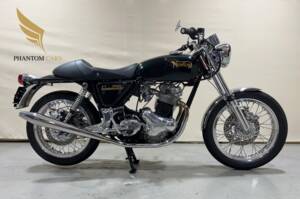
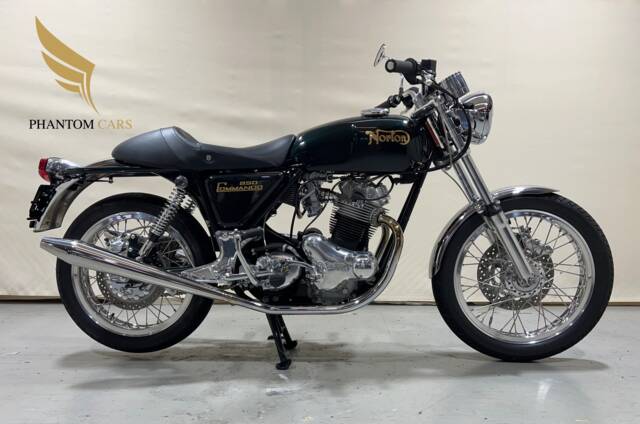
1975 | Norton Commando 850 Roadster
*** TOP ZUSTAND *** Komplett Restauration über Fr. 70'000.- *** Perfekter Zustand *** Eintausch & Finanzierung möglich ***

Norton listing references from Classic Trader
Below you will find listings related to your search that are no longer available on Classic Trader. Use this information to gain insight into availability, value trends, and current pricing for a "Norton" to make a more informed purchasing decision.
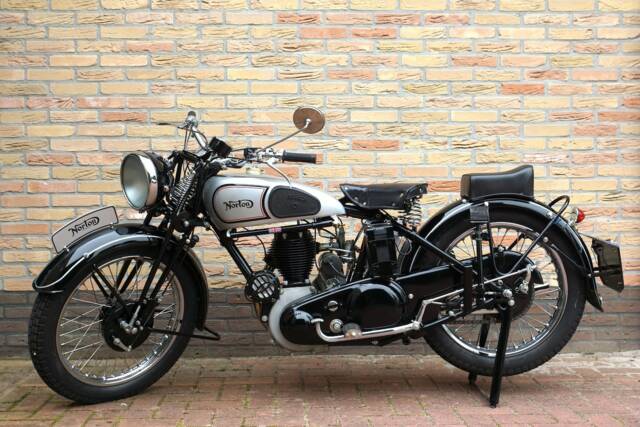
1942 | Norton Big Four 4
Schitterende Norton model 16 H uit 1942
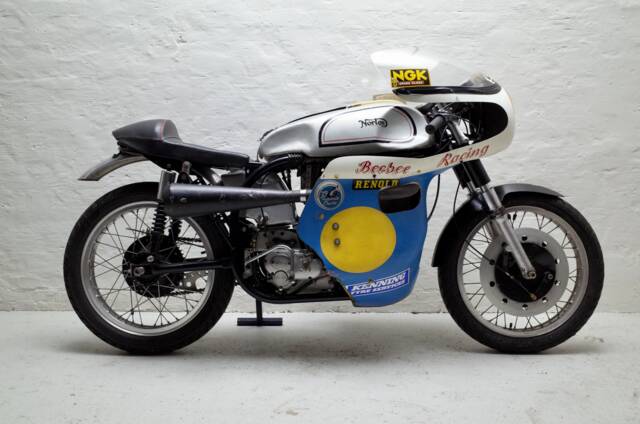
1955 | Norton Manx 500
Norton Manx SOHC Longstroke. Full race fairing. Great patina
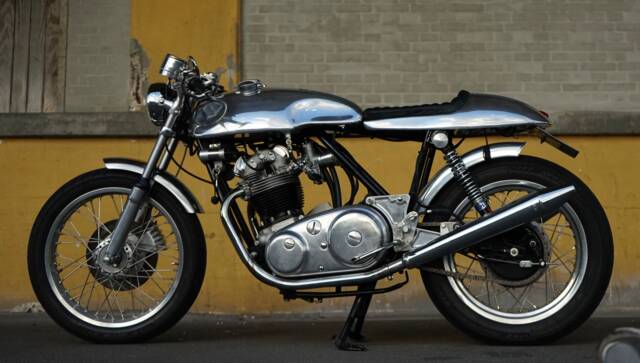
1972 | Norton Commando 750
Norton Commando “Combat”
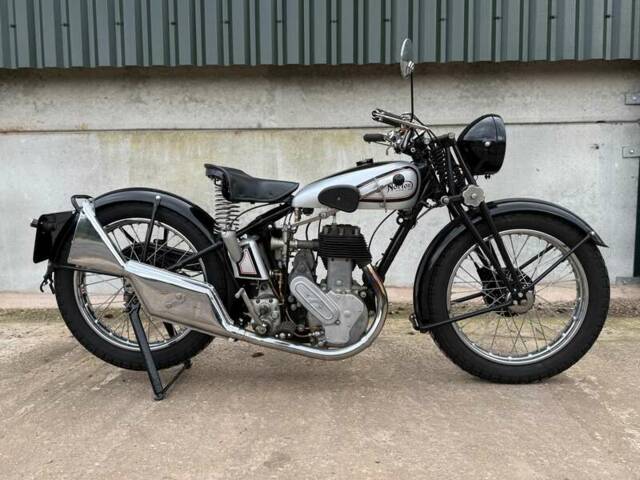
1932 | Norton Big Four 4
1932 Norton Model 1 Big Four 633cc

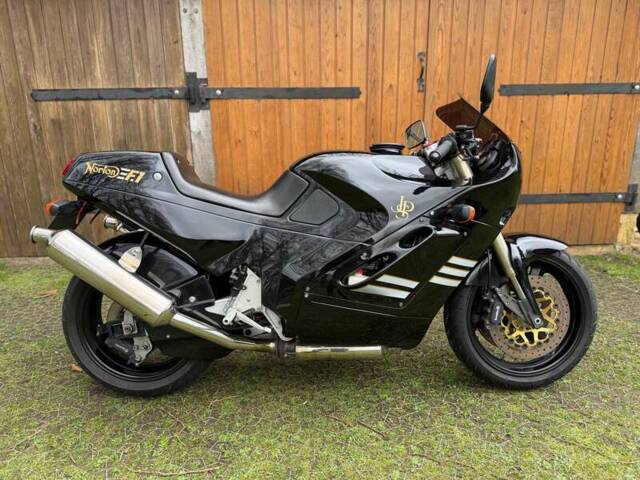
1990 | Norton F1
1990 Norton F1 Rotary 588cc
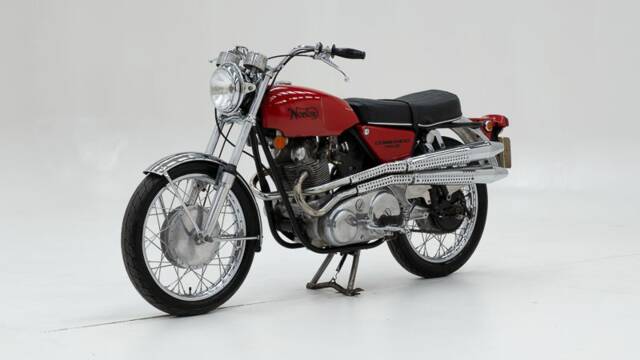
1970 | Norton Commando 750 Fastback
1970 Norton Commando 750 S '70
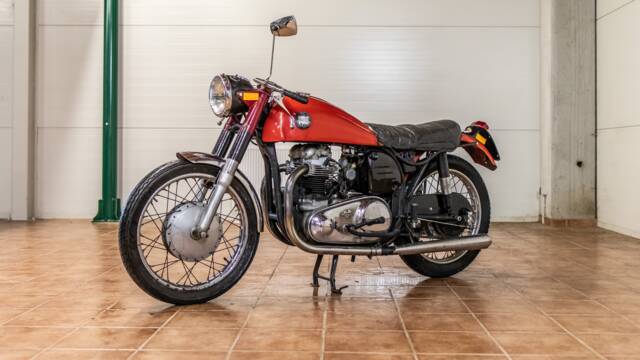
1960 | Norton Dominator 88

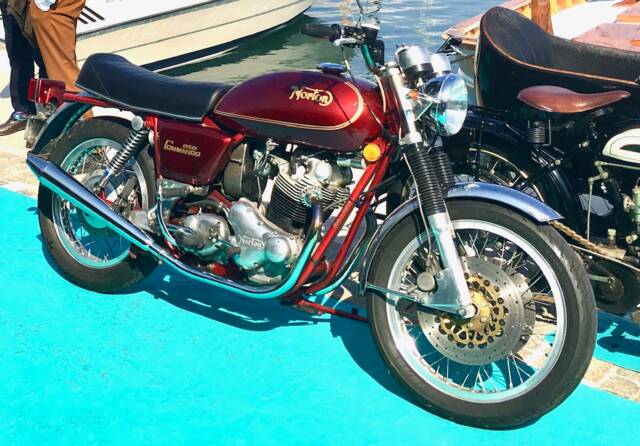
1974 | Norton Commando 850 Roadster
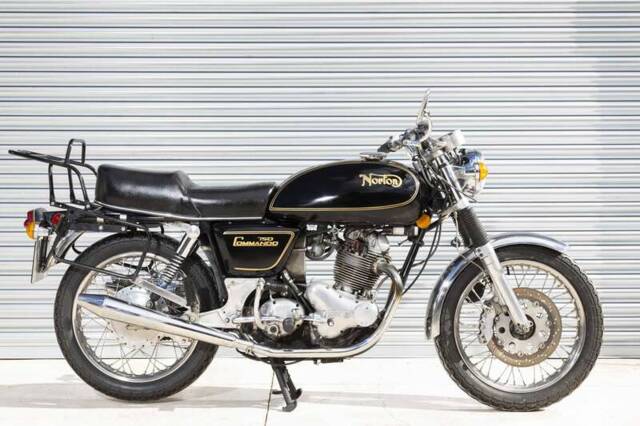
1972 | Norton Commando 750
1972 Norton 750 Commando 745cc
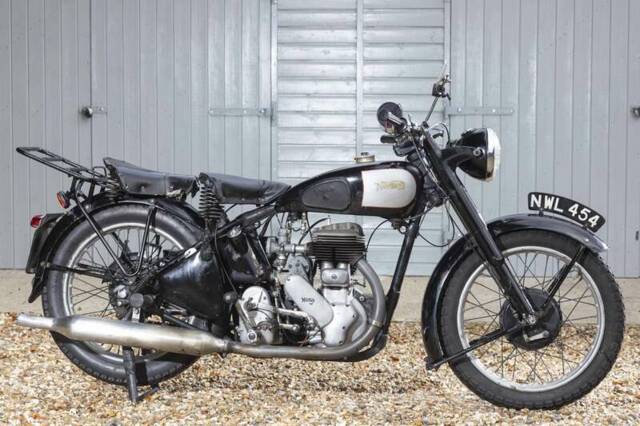
1949 | Norton 16 H
1949 Norton 16H 490cc
History & Heritage
The story of Norton is the story of British motorcycling itself—a narrative of engineering brilliance, racing dominance, and a resilient spirit that has survived numerous financial storms. Founded in 1898 by James Lansdowne Norton (affectionately known as "Pa" Norton) in Birmingham, the company initially supplied bicycle components before producing its first motorcycle, the Energette, in 1902. Powered by a French Moto-Rexe engine, it was the spark that ignited a century of innovation.
Norton's reputation was forged on the mountain course of the Isle of Man. In 1907, Rem Fowler won the twin-cylinder class at the very first Isle of Man TT, beginning a relationship with the event that would see Norton claim 42 victories between 1907 and 1993. This racing DNA became the brand's hallmark, influencing every road-going model that followed.
The interwar years were dominated by the overhead-camshaft (OHC) designs of Walter Moore and later Arthur Carroll. The 1931 CS1 and the subsequent International models made Norton the force to be reckoned with in Grand Prix racing throughout the 1930s. Simultaneously, the Model 16H (introduced in 1921) became the reliable workhorse of the range. During World War II, the military version, the WD16H, saw nearly 100,000 units produced for the British Army, cementing Norton's place in national history.
Post-1945, Norton entered its golden era with the introduction of the Featherbed frame, designed by the McCandless brothers. Debuting in 1950, it revolutionized motorcycle handling. The Norton Manx (1946–1962) became the most successful racing machine of its time, helping Norton secure eight rider world championships and nine constructor titles between 1949 and 1954. On the road, Bert Hopwood’s 1949 Dominator parallel-twin provided the blueprint for the high-performance twins that would define the 1950s and 60s.
In 1953, Norton joined the Associated Motor Cycles (AMC) group, alongside Matchless and AJS. Production eventually moved to London-Woolwich in 1963. The 1960s saw the rise of the Norton Atlas (745cc), designed primarily for the burgeoning US market, but it was the 1967 launch of the Norton Commando that truly saved the brand's prestige. Featuring the innovative Isolastic system developed by Dr. Stefan Bauer, the Commando eliminated the brutal vibrations of large parallel-twins, winning the MCN "Machine of the Year" award five years in a row (1968–1972).
Despite technical triumphs, financial instability plagued the British industry. AMC collapsed in 1966, leading to the formation of Norton-Villiers, and later Norton-Villiers-Triumph (NVT). Production of the Commando ceased in 1977, marking the end of an era. The 1980s saw a fascinating but commercially difficult chapter with Wankel rotary-engined models like the Classic and Commander, which found success in police fleets and racing (the famous "White Charger") but couldn't sustain the company.
After decades of changing hands, the brand was revived in 2008 by Stuart Garner in Donington Park. Following a turbulent period, the TVS Motor Company acquired Norton in 2020, investing over £200 million into a state-of-the-art facility in Solihull. As of 2025, Norton is entering a new "resurgence" phase, with the 2026 lineup featuring the Manx R, Manx, and Atlas models, promising to blend heritage with modern engineering discipline.
Highlights
Norton motorcycles are defined by three pillars: Racing Pedigree, Chassis Innovation, and Parallel-Twin Character.
The Featherbed Frame is perhaps the most significant contribution to motorcycle design. Constructed from Reynolds steel tubing, its "all-welded" duplex cradle design offered a level of torsional rigidity that made contemporary frames look primitive. When paired with Roadholder telescopic forks, it gave Norton a handling advantage that lasted for decades. The Manx Norton was the ultimate beneficiary, becoming the weapon of choice for privateers and factory riders alike.
The Isolastic System was a stroke of genius that allowed Norton to compete with the smooth multi-cylinder bikes from Japan. By mounting the engine, gearbox, and swingarm as a single unit isolated from the frame via rubber bushes, the Commando offered a refined ride without sacrificing the "soul" of a British twin. However, for modern buyers, it is a critical maintenance point; if the shims are not correctly adjusted, the handling becomes "woolly" or unpredictable.
The Norton Commando 750 Fastback (1968–1970) remains a design icon of the "Mod" and "Rocker" transition era. Its distinctive "tail" and sleek tank made it the most stylish bike on the road. For those seeking rarity, the 1974 John Player Special (JPS), with its black and gold livery inspired by the Lotus Formula 1 team, is a highly coveted collector's item, with only around 1,500 ever produced.
The Norton Dominator 650SS (1961–1965) is often cited by purists as the best-handling British twin of the pre-Isolastic era. With its twin Amal carburetors and high-compression head, it was a genuine 110 mph machine that could out-corner almost anything on the road. Today, it represents a "sweet spot" for collectors who want the classic Featherbed experience with enough performance for modern traffic.
Technical Data
Technical Notes:
- Isolastic Adjustment: Essential for handling. Mk III models (1975-on) featured threaded adjusters, making the task significantly easier than the earlier shim-based system.
- Electric Start: Introduced on the 850 Mk III. Early versions were notoriously weak; many owners upgrade to modern high-torque starters.
- Ignition: Most classic Nortons have been converted from Lucas points to Boyer Bransden or Pazon electronic ignition for reliability.
- Oil System: "Wet sumping" (oil draining from the tank into the crankcase during storage) is common. Anti-drain valves are a popular modification.
Market Overview & Buying Tips
The UK market for Norton is vibrant, supported by a dedicated network of specialists and the Norton Owners Club. Prices have remained resilient, with a clear distinction between "riders" and "investment-grade" machines.
Price Ranges (UK Market 2024/2025):
- Norton Manx 500: £25,000–£55,000. Authentic, documented race history can push prices beyond £70,000.
- Norton Commando 750 Fastback: £12,000–£18,000 for excellent examples. Projects start from £5,000.
- Norton Commando 850 Roadster: £7,000–£12,000. The most common and usable entry point.
- Norton Commando 850 Mk III: £9,000–£15,000. Highly sought after for its rear disc brake and (improved) electric start.
- Norton Dominator 650SS: £8,000–£14,000. Rare in original condition; often found as "Triton" donors.
- Norton Atlas 750: £6,000–£9,500. Offers great value for those who can handle the vibration.
- John Player Special (JPS): £15,000–£22,000. Beware of replicas; verify frame and engine numbers.
Recent UK Auction Results (2024-2025):
- 1973 Commando 850 Roadster (Restored): £6,900 (Bonhams, Oct 2024)
- 1973 Commando 850 (Superb condition): £5,750 (Manor Park Classics, Dec 2024)
- 1975 Commando 850 Mk IIA: £4,715 (Manor Park Classics, Sep 2024)
- 1961 Manx Norton 500 (Authentic restoration): £23,575 (H&H, Oct 2024)
- 1964 Dominator 650SS (Restored): £4,600 (H&H, Mar 2025)
Buyer Profiles:
- The Heritage Collector: Focuses on the Manx or early International. Values racing provenance and original "Bracebridge Street" production. Budget: £30,000+.
- The Classic Tourer: Prefers the 850 Interstate. Looks for long-range tanks and reliability upgrades (electronic ignition, modern charging). Budget: £8,000–£12,000.
- The Sunday Scratcher: Seeks a 750 Roadster or 650SS. Prioritizes handling and engine response over absolute originality. Budget: £10,000–£15,000.
- The Restorer: Looks for "basket case" Commandos or Dominators. UK parts availability makes this a viable, if expensive, hobby. Budget: £4,000–£6,000 (purchase).
Inspection Checklist:
- Isolastic Play: With the bike on the center stand, grab the rear wheel and check for lateral movement. More than 1-2mm suggests the bushes need replacement or adjustment.
- Crankcase Leaks: Check the "drive side" (left) for oil leaks. The main bearing seal is a known weak point.
- Gearbox: Norton gearboxes are robust but check for "jumping" out of second gear under load.
- Frame Integrity: Inspect the "headstock" and the area around the Isolastic mounts for hairline cracks, especially on hard-ridden 750s.
- Matching Numbers: Essential for top-tier value. Check the engine number (left side crankcase) against the frame number (headstock plate).
- Combat Engines (1972): Be cautious of 750s with "C" stamped on the head. These high-compression engines were prone to main bearing failure unless upgraded with "Superblend" bearings.
Performance
Riding a Norton is an exercise in mechanical empathy and visceral reward. Unlike the smooth, sewing-machine delivery of a modern bike, a Norton communicates every combustion cycle.
The Commando 850 is the torque king of the British twins. From as low as 2,500 rpm, the bike pulls with a relentless, muscular surge that makes gear-changing almost optional on twisty B-roads. The Isolastic system works its magic above 3,000 rpm; suddenly, the mirrors clear, and the tingling in your hands vanishes, leaving only the deep, rhythmic thrum of the 360-degree crank.
Handling remains the Norton's trump card. The Featherbed-framed bikes, like the 650SS, offer a "planted" feel that inspires immense confidence. They don't "flick" into corners like a modern sportbike; instead, they carve through them with a stability that feels unshakeable. The Commando, while slightly more relaxed in its geometry, still out-handles almost any contemporary from the 1970s, provided the Isolastics are tight.
The braking performance is a tale of two eras. The 8-inch twin-leading-shoe drums of the 1960s are surprisingly effective when set up correctly but fade quickly under hard use. The later Lockheed discs (standard from 1972) offer better consistency but require a firm "two-finger" squeeze. The Mk III's rear disc was a significant safety upgrade for the time.
The Norton Sound is legendary. It is a deep, percussive bark that hardens into a roar as the revs climb. In the UK, the "Peashooter" exhausts are the standard—they offer the perfect balance of flow and that classic British "crackle" on the overrun.
Design
Norton design is characterized by a "lean and hungry" look. There is no fat on a Norton; every component serves a purpose.
The Roadholder Forks and Featherbed Frame are not just functional; they are aesthetic statements. The way the frame tubes wrap around the engine creates a silhouette that is instantly recognizable to any enthusiast. The Fastback seat and tail unit of the early Commando was a bold move into "space-age" styling that still looks fresh today.
The "Norton Green" (British Racing Green) and the Silver/Red schemes of the 1960s are classic, but the Black and Gold livery of the 1970s is perhaps the most iconic. It evokes the era of John Player Norton racing and the height of British cafe racer culture.
Inside the cockpit, the Smiths magnetic instruments are a joy to behold. Their steady needles and clear typography are a reminder of a time when British instrumentation was the world standard. The controls are purely mechanical—heavy cables, solid levers, and a gear change that requires a deliberate, positive action.
Other
The Mod & Rocker Connection: In the 1960s, if you were a "serious" Rocker, you rode a Norton. While Triumphs were seen as "showy," Nortons were the choice of the "Ton-Up Boys" who frequented the Ace Cafe. A Triton (a Triumph engine in a Norton Featherbed frame) was the ultimate hybrid, combining the best engine with the best chassis of the era.
Isle of Man TT Significance: For UK buyers, the TT is the holy grail. Owning a Norton is a direct link to the legends like Geoff Duke, Mike Hailwood, and Steve Hislop. Hislop’s 1992 victory on the Abus Rotary Norton remains one of the greatest moments in British racing history, proving that the "old" brand could still beat the Japanese giants.
Parts Availability: One of the greatest joys of Norton ownership in the UK is the parts situation. Andover Norton holds the original drawings and tooling for almost every part of the Commando. You can quite literally build a brand-new Commando from a catalog today. This makes Norton one of the most practical classics to own and run.
Summary
Norton is more than just a motorcycle brand; it is a symbol of British engineering resilience. From the pre-war International to the world-beating Manx and the revolutionary Commando, Norton has consistently pushed the boundaries of what a motorcycle can be.
For the modern collector or rider, a Norton offers a unique blend of investment stability and riding pleasure. Whether you choose the raw, vibrating power of an Atlas, the refined torque of an 850 Mk III, or the pure racing pedigree of a Manx, you are buying into a legacy that has defined the Isle of Man TT for over a century.
As the brand enters its new Solihull-based era under TVS ownership, the classic models remain the benchmark. They are honest, mechanical, and deeply rewarding machines that continue to turn heads at every bike meet from the Ace Cafe to the Stafford Show. To buy a Norton is to find a piece of history that is very much alive.