- Motorcycle
- DKW
- DKW RT 350 S (2 offers)
DKW RT 350 S classic motorbikes for sale
The DKW RT 350 S stands as a rare and technically sophisticated post-war motorbike, representing one of the most advanced two-stroke models from DKW's East German tradition. With its refined engineering and robust construction, the RT 350 S appeals to collectors and enthusiasts looking for authenticity and historical value in a classic machine.
Search results
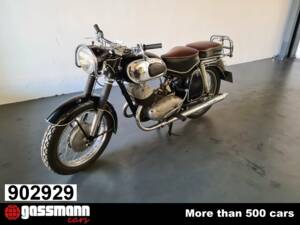
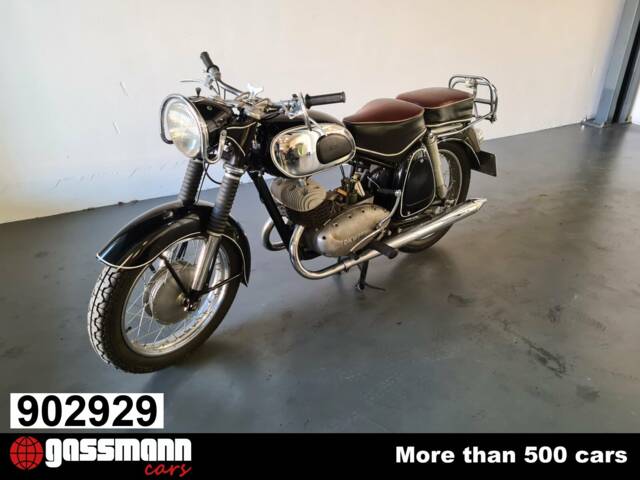
1955 | DKW RT 350 S
RT 350, Auto Union - Restauriert

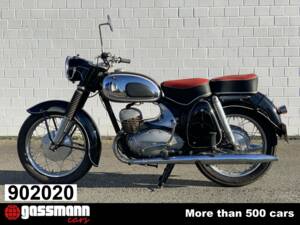
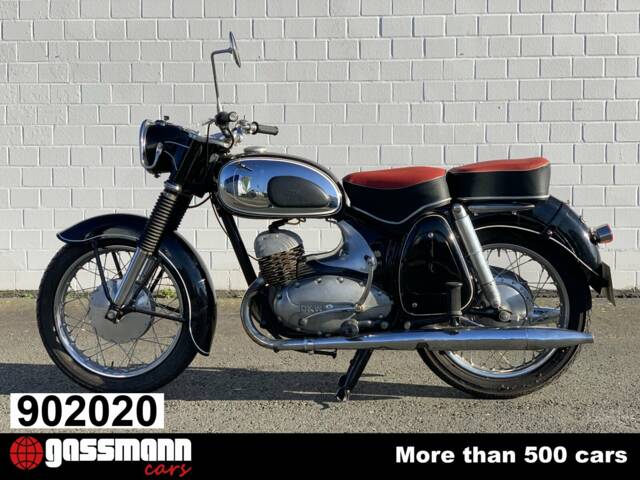
1955 | DKW RT 350 S
RT 350 S
DKW RT 350 S listing references from Classic Trader
Below you will find listings related to your search that are no longer available on Classic Trader. Use this information to gain insight into availability, value trends, and current pricing for a "DKW RT 350 S" to make a more informed purchasing decision.
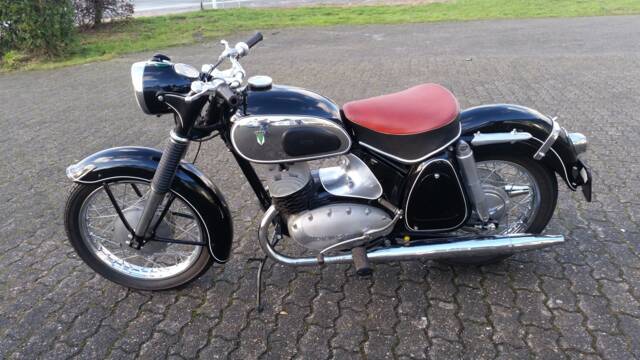
1955 | DKW RT 350 S
Aufgebaut zur Reisemaschine
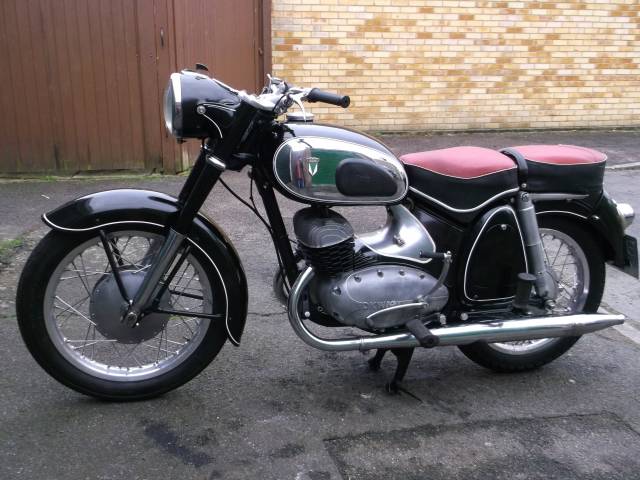
1955 | DKW RT 350 S
One of only 5 in UK

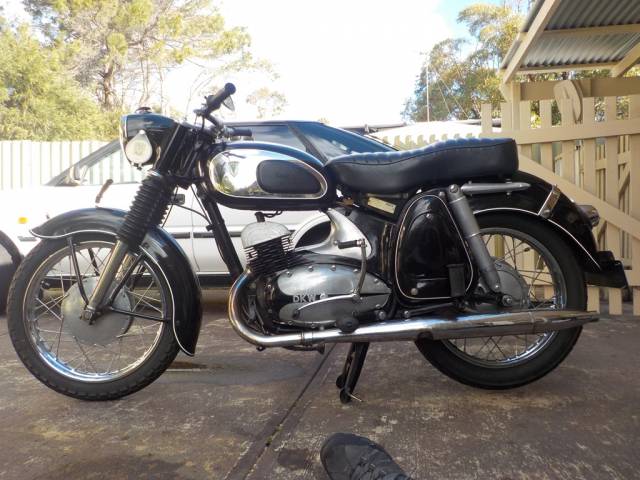
1956 | DKW RT 350 S
DKW RT 350 S Classic Motorbikes: Prices & Market Values
History of the DKW RT 350 S
In the early 1950s, DKW—renowned for its pioneering work in two-stroke engine development—introduced the RT 350 S as a top-tier model in their line-up. Manufactured during a period of economic recovery, the RT 350 S built upon DKW's strong heritage in lightweight motorcycle manufacturing. Its launch marked an important chapter not just for DKW, but also for post-war German motorcycle engineering. The RT series as a whole was part of the backbone of German motorisation during that era, and the 350 S model remained one of the largest and most capable bikes in DKW's East German production.
Model history of the RT 350 S
The DKW RT 350 S is the culmination of several developmental stages started with the original RT models prior to WWII. After the war, production resumed in Zschopau, with the RT 350 S emerging as the high-capacity flagship. It replaced earlier smaller-displacement RT models and stood at the peak of DKW’s two-stroke family of the period. The end of its production saw the shift from DKW-branded machines to the transition towards MZ (Motorradwerk Zschopau), which continued DKW’s technical legacy.
Highlights and special features of the DKW RT 350 S
The RT 350 S is characterised by its robust 346cc two-stroke twin engine, delivering reliable power and smooth performance for its era. Its distinctive enclosed rear suspension and pressed steel frame contribute both to stability and ride comfort. Technical sophistication such as the split single engine configuration and a precise four-speed gearbox set the RT 350 S apart from many contemporary rivals. Its styling is pure early-1950s pragmatism with a functional yet elegant approach to shapes and chrome application.
Technical data of the DKW RT 350 S
Special Editions and Collectible Models
There are no known factory special editions of the DKW RT 350 S recorded in production data. However, models with rare original accessories or period upgrades—such as factory-fitted luggage carriers or optional speedometers—can be regarded as especially significant by collectors.
Weak spots and common issues
No specific weak spots or recurring technical issues have been reported in the available data for the DKW RT 350 S. As with any two-stroke motorcycle of this era, particular attention should be given to piston rings, carburettor settings, and ignition adjustment. Bikes with incomplete engine rebuilds or poorly sourced replica parts may pose challenges in terms of reliability and originality.
Engine, performance, transmission and handling
The DKW RT 350 S is equipped with a 346cc air-cooled two-stroke twin that provides linear power delivery and a broad torque curve for its displacement, making it well-suited for both city and rural road riding. Its four-speed transmission is praised for precise gear changes, contributing to relaxed cruising and agility at lower speeds. The motorcycle’s balanced chassis and suspension setup make for stable, predictable handling, while drum brakes give stopping power appropriate for the period. Enthusiasts appreciate the RT 350 S for its blend of everyday usability and authentic period engineering. While only the RT 350 S is listed, buyers often value machines that retain original factory specification, and those with genuine period accessories command additional interest.
Interior, comfort, exterior and design
Stylistically, the RT 350 S features a pronounced fuel tank with integrated knee pads, practical pressed-steel mudguards, and a comfortable, single-piece sprung saddle. Chromed accents, a simple round headlamp, and minimalistic controls reflect the functional yet high-quality design language typical of post-war East German motorcycles. Accessories such as original saddle bags, toolkits, and supplementary horns are valued within the community. Unique paint schemes, if documented as factory-original, can enhance a bike’s historical relevance.
Other features and interesting facts
A notable aspect of the DKW RT 350 S is its role in sustaining motorcycle mobility in post-war Central Europe. Its mechanical simplicity means that specialist knowledge is widely available, and engine parts are often interchangeable with other DKW or early MZ models, making restoration accessible for dedicated enthusiasts.
Summary
The DKW RT 350 S stands as a well-engineered and technically ambitious post-war two-stroke motorcycle. Its rarity and central role in DKW’s model lineage ensure ongoing interest among serious collectors of German classics. Robust engineering, distinctive design characteristics, and a solid technical and historical reputation make this model a compelling choice for aficionados of 1950s motorcycles.