- Motorcycle
- DKW
- DKW Hobby-Roller (0 offers)
DKW Hobby-Roller classic scooter for sale
The DKW Hobby-Roller stands as a distinctive chapter in German two-wheeler history, combining post-war ingenuity with compact agility. With its nimble frame and innovative two-stroke technology, the Hobby-Roller offers a unique blend of simplicity and everyday usability that continues to fascinate classic scooter enthusiasts.
Search results
Currently, there are no matching listings for your search.
Create search alert
Let yourself be notified as soon as a listing is published that matches your search filters.
Create listing
Do you have a DKW Hobby-Roller that you want to sell? Then create a listing now.
Create listingDKW Hobby-Roller listing references from Classic Trader
Below you will find listings related to your search that are no longer available on Classic Trader. Use this information to gain insight into availability, value trends, and current pricing for a "DKW Hobby-Roller" to make a more informed purchasing decision.
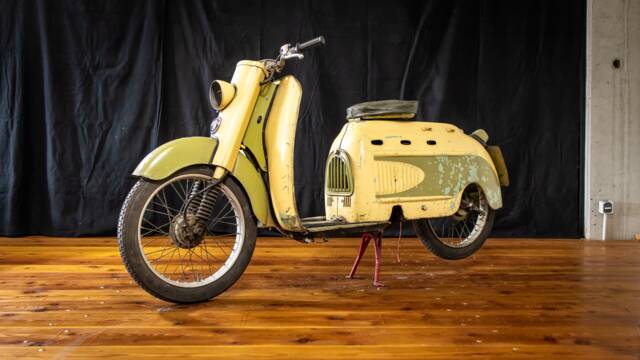
1955 | DKW Hobby-Roller
Built for uncomplicated mobility of the 1950s

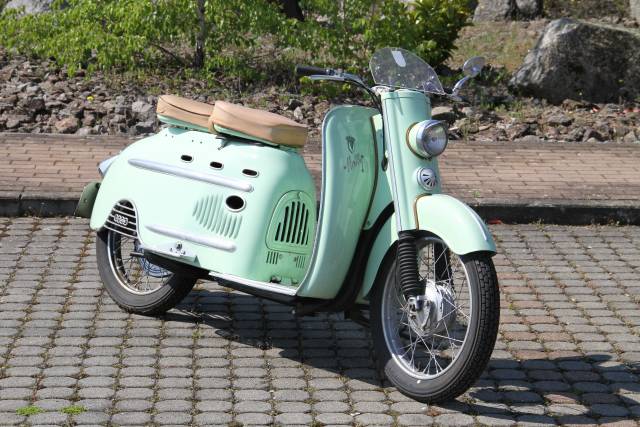
1956 | DKW Hobby-Roller
Hobby-Luxus

Create search alert
Let yourself be notified as soon as a listing is published that matches your search filters.
Create listing
Do you have a DKW Hobby-Roller that you want to sell? Then create a listing now.
Create listingDKW Hobby-Roller Classic Motorbikes: Prices & Market Values
History of the DKW Hobby-Roller
The DKW Hobby-Roller made its debut in the 1950s as a response to the increasing demand for affordable and user-friendly mobility in post-war Germany. Designed and produced by Auto Union under the historic DKW brand, the Hobby-Roller was intended to provide an economical yet practical means of transportation. Its launch represented a significant shift for DKW, which had previously been more focused on motorcycles and cars. As one of the earliest mass-produced scooters in Germany, the Hobby-Roller quickly became a symbol of urban mobility, appreciated for its easy handling and robust engineering.
Model History
The DKW Hobby-Roller was produced primarily throughout the 1950s, filling a market gap between lightweight motorcycles and the burgeoning scooter trend inspired by Italian designs. While DKW had established its reputation with motorcycles like the RT series, the Hobby-Roller marked their foray into the scooter segment. There were no direct successors from DKW after production ended, as the brand gradually shifted focus due to changing market dynamics and increased competition. Preceding the Hobby-Roller, DKW concentrated on motorcycles; after its production run ended, the mobility segment shifted towards larger and more powerful two-wheelers.
Highlights of the DKW Hobby-Roller
The DKW Hobby-Roller set itself apart with its lightweight chassis and uncomplicated two-stroke engine, making it extremely user-friendly for urban commuting. Notable features included its streamlined bodywork, integrated headlamp, and simple kickstart mechanism. Its fuel consumption was remarkably low, which further boosted its popularity during times of economic austerity. Additionally, the Hobby-Roller’s reliability and ease of maintenance made it appealing to both experienced riders and newcomers. The upright seating position and ease of step-through frame contributed further to its practicality.
Technical Data
Special Editions and Collectible Models
No specific limited editions or factory special models of the DKW Hobby-Roller have been documented. However, some variants may feature period accessories or regional modifications, which can enhance collectibility for dedicated enthusiasts.
Weak Spots and Common Issues
While the DKW Hobby-Roller is praised for mechanical simplicity, age and regular use can lead to typical wear issues such as worn engine seals, carburettor problems, and electrical gremlins in the early 6-volt system. Spare parts, while available through specialist channels, can require patience to source. It's essential to check for frame rust, especially under the footboard and beneath the engine, and to ensure proper function of drum brakes and the cable-operated controls.
Engine and Performance, Transmission and Handling
The Hobby-Roller’s small-displacement two-stroke engine provides modest but lively acceleration, well-suited for city traffic and short-distance rides. With its light construction and low centre of gravity, it is easy to manoeuvre, even for riders new to classic scooters. The three-speed manual gearbox allows smooth transitions, and the drum brakes provide reliable stopping power for urban speeds. Handling is responsive in city environments, and the suspension—while basic by today’s standard—delivers sufficient comfort for leisurely commutes. Key models include the standard Hobby-Roller, often equipped with the 75cc two-stroke engine and three-speed gearbox.
Interior, Comfort, Exterior and Design
The DKW Hobby-Roller embraced the design language of the 1950s, with smooth, rounded bodywork and subtle chrome elements. The enclosed engine compartment and leg shields offered good weather protection and maintained a clean look. The seating was comfortable for single riders, and some versions offered an optional pillion seat. Paint options were typical for the era, often in subdued pastels or classic black. Accessories available at the time included handlebar muffs, chrome luggage racks, and weather shields, many of which remain sought-after among collectors.
Other Noteworthy Features
The DKW Hobby-Roller reflects a key moment in German transportation history, offering insight into post-war innovation and practical design. Its continued appeal lies not just in nostalgia but also in its engineering clarity and straightforward maintenance.
Summary
The DKW Hobby-Roller represents one of the most approachable classic scooters within the DKW lineup. Its combination of user-friendly technology, lightweight construction, and efficient design continues to make it a popular choice among vintage scooter enthusiasts who value both history and mechanical simplicity.