- Motorcycle
- BSA
- BSA M 20 (0 offers)
BSA M 20 classic motorcycle for sale
The BSA M 20 is a mechanically straightforward, robust 1940s motorcycle, originally built for military service and later adapted for civilian use. Its matching numbers, good parts availability and easy maintenance make it attractive to both collectors and newcomers. Its unique wartime history and striking presence ensure it stands out at any vintage motorcycle event.
Search results
Currently, there are no matching listings for your search.
Create search alert
Let yourself be notified as soon as a listing is published that matches your search filters.
Create listing
Do you have a BSA M 20 that you want to sell? Then create a listing now.
Create listingBSA M 20 listing references from Classic Trader
Below you will find listings related to your search that are no longer available on Classic Trader. Use this information to gain insight into availability, value trends, and current pricing for a "BSA M 20" to make a more informed purchasing decision.
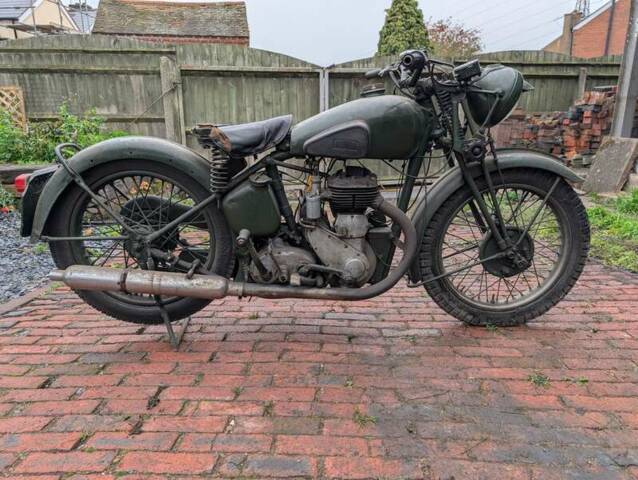
1942 | BSA M 20
1942 BSA M20 496cc

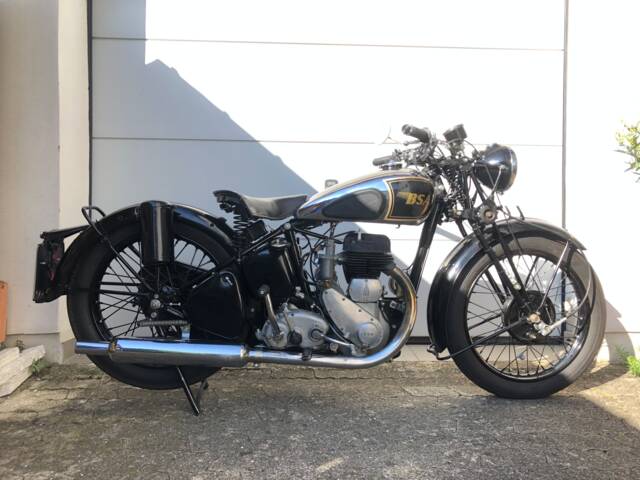
1943 | BSA M 20
Stück Geschichte, Hingucker, zuverlässiger Begleiter für Ausfahrten

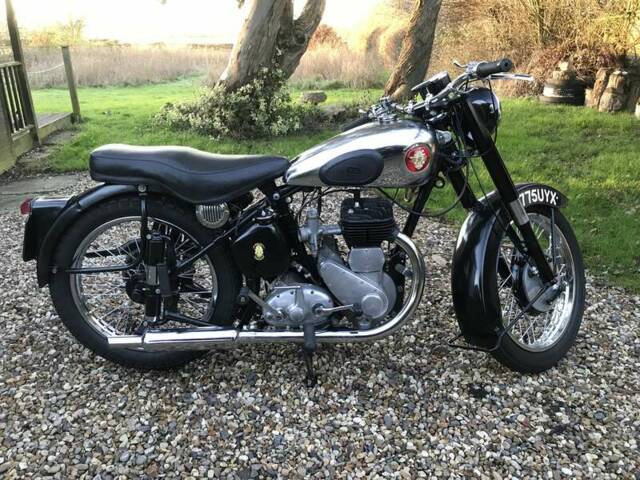
1959 | BSA M 20
1959 BSA M20 496cc
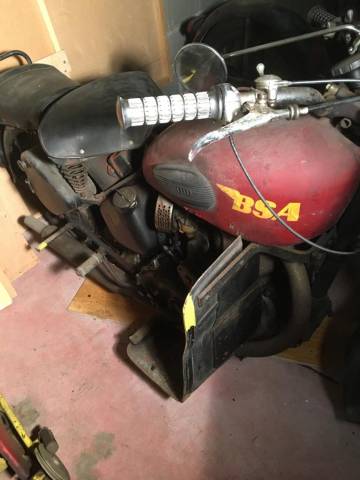
1943 | BSA M 20
BSA WM20 mit Seitenwagen fuer Motorrad Transport

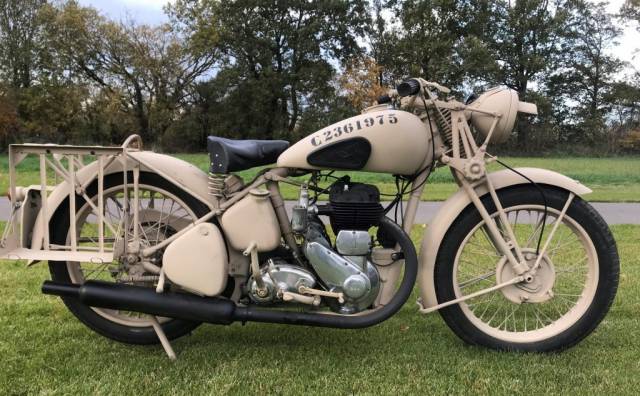
1941 | BSA M 20
BSA WM20 500cc ex world war 2 motorcycle 1941

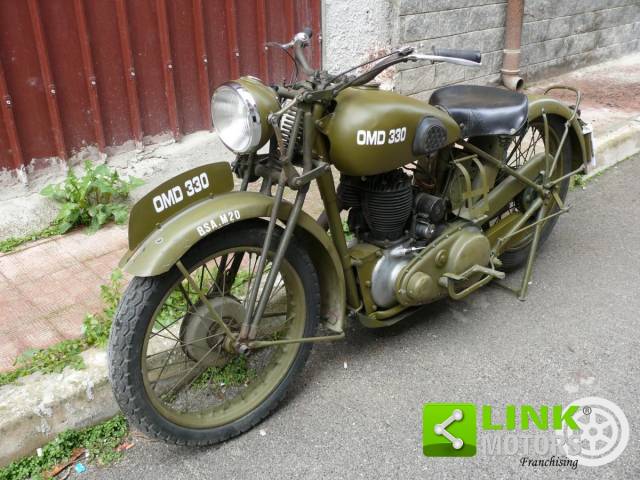
1942 | BSA M 20
BSA 500 WM20
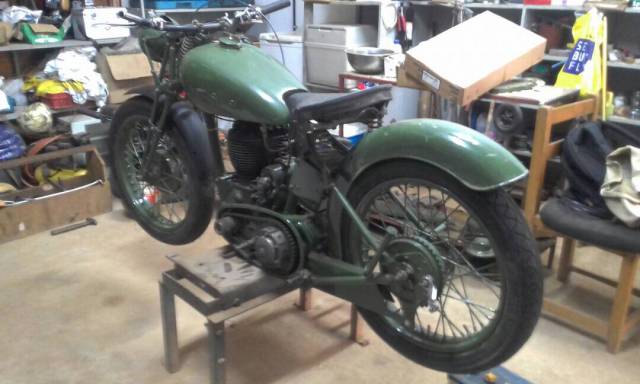
1941 | BSA M 20
Imported into Uganda 1964 through Kenya
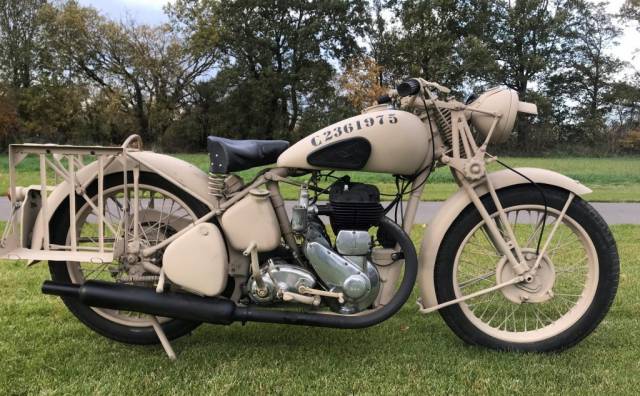
1942 | BSA M 20
BSA WM20 500cc ex world war 2 motorcycle 1942
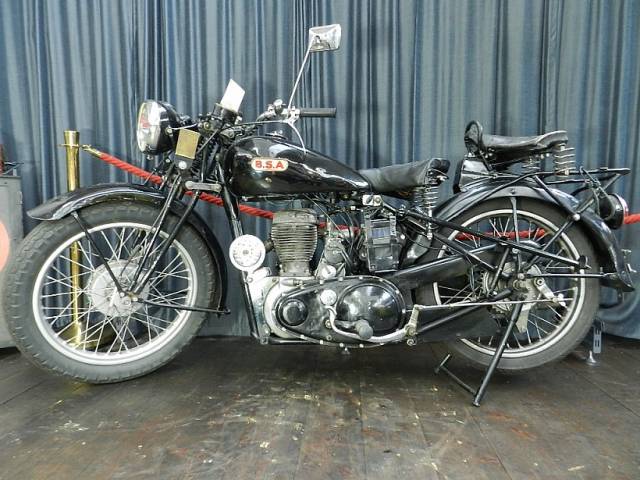
1943 | BSA M 20
500 WM20

Create search alert
Let yourself be notified as soon as a listing is published that matches your search filters.
Create listing
Do you have a BSA M 20 that you want to sell? Then create a listing now.
Create listingBSA M 20 Classic Motorbikes: Prices & Market Values
The market value of BSA M 20 motorcycles is primarily determined by technical condition, originality, and mileage, as well as rarity, history, and documentation. A well-maintained, largely original vehicle with low, verifiable mileage and a complete history including expert reports and documentation generally achieves significantly higher prices than a comparable vehicle with deferred maintenance, extensive modifications, or an unclear provenance.
BSA M 20: Market Prices & Value Trends
Based on sales data from the Classic Trader marketplace, the BSA M 20 market in Europe shows broadly stable pricing over the period from February 2021 to January 2026, with most observed values clustering in the mid-£6,000s to low-£8,000s. Several wartime-era examples (notably 1939–1943 models with around 13 hp) sit repeatedly around £6,900–£8,246, suggesting a consistent baseline for complete, presentable bikes rather than a rapidly rising trend. A later 1952 example appears markedly cheaper at about £3,472, and one 2026 entry shows £0, which is best treated as missing or invalid data rather than a true market signal. Excluding such outliers, a realistic current price band for a typical BSA M 20 is approximately £6,500 to £8,250, with condition, originality and period-correct military specification driving the upper end. Overall, demand is supported by the model’s wartime heritage and steady collector interest, which tends to stabilise values rather than create sharp spikes.
History of the BSA M 20
The BSA M 20 was introduced just before the outbreak of the Second World War and became one of the most widely used military motorcycles of the 1940s. Delivered in olive drab for the armed services, the M 20 supported logistics, communications and messenger roles on all fronts. Its rugged single-cylinder engine, combined with simple mechanicals, made it particularly reliable under harsh conditions. After the war, surplus units flooded into civilian markets worldwide and many were modified for peacetime riding. The bike's history is frequently documented by military registration papers and period-correct details, making it a genuine artifact of its era. Postwar, it remained a popular entry-level motorcycle, especially in countries like Sweden, where many were exported.
Model History
The M 20's lineage began with its predecessor military models, but its direct forebear was the pre-war BSA single. The main production run started around 1939 and lasted through the late 1940s, with continuous use during WWII. After the conflict, the model was updated for civilian use, sometimes repainted and modified for comfort or style. The M 20's robust engine design, simplicity and interchangeable parts with other BSA models (and even Triumph components, depending on what was available during wartime repairs) made it a versatile foundation. Later BSA models moved towards more powerful engines and modern amenities, marking the M 20 as one of the last utilitarian workhorses of the brand's golden age.
Highlights and Statistical Insights
The BSA M 20 stands out for its reliability, easy-to-access mechanics, and authentic military provenance. Matching numbers—original engine and frame—are rare and highly sought after. The model is known for its original features such as the rare mechanical speedometer drive and the Amal carburettor, along with its fundamental ease of restoration. Replacements like primary sprockets or even speedos from other British marques were common during wartime service. Most surviving bikes carry some combination of original and substitute parts, reflecting their survival story.
Technical Data
Special Editions and Collectible Models
Military versions (WM20) in original olive drab, complete with documentation and period accessories—such as the desert stand and full military kit—are especially valued. Civilianised postwar examples often differ in paint, minor components or rear/front wheels sourced from other BSA or even foreign models, highlighting their adaptability. Original tanks, carbs, and gearboxes are of particular interest to collectors.
Weak Spots and Common Issues
While mechanically simple and generally robust, the BSA M 20 does have typical age-related issues. Achieving matching numbers is rare, and the original mechanical speedo drive and associated parts can be difficult to source. Front and rear wheels, along with some fittings like the desert stand, are often replaced or missing. Key wear points include the clutch plates, copper fuel lines and valve guides. Many bikes have seen replacement engines or modified electrics, reflecting decades of varied use and field repairs.
Engine and Performance, Transmission and Handling
The M 20 was never designed for high speed—it has a torquey, low-revving single-cylinder engine designed for reliability, easy starting and steady road performance. The robustness of the engine, combined with its simple mechanicals, means that many examples still start reliably today. Gearboxes or speedometers from Triumph or other BSA models were often used as service replacements. The chassis is suited for moderate speed riding and copes well with rough surfaces, reflecting its military roots.
Notable variants include the WM20 military issue and civilian conversions post-1945, both sharing reliable engines and compatibility with other BSA parts.
Interior, Comfort, Exterior and Design
Designed for military utility, the M 20 features a minimalist, functional aesthetic with olive drab paint on original wartime models. Civilian conversions tend to feature more colourful repaints, often in keeping with 1950s and 1960s British tastes. Accessories like the mechanical speedometer, desert stand and original military toolkit are rare and prized. Most seats are basic, with comfort secondary to durability. The simple electrical system, original fuel copper lines, and basic lighting set-up are all hallmarks of the period. Aftermarket indicators and even modern extras like Bluetooth charge indicators appear on civilianised bikes, but these are easily removed for authenticity.
Other Features
Imported post-war to various countries, the M 20 often comes with supporting documentation of its service life or export history. The interchangeability of components—sometimes with other British or even non-British motorcycles—makes each bike’s story unique and reflects the practical improvisation essential during and after the war.
Summary
The BSA M 20 remains one of the most historically significant and mechanically approachable British classic motorcycles. With 100% marketplace presence among BSA listings, it is the brand's definitive classic. Its robust mechanics, good parts availability and authentic WWII heritage make it accessible for both experienced riders and those just entering the world of classic motorcycling.