- Motorcycle
- BMW(97 offers)
Buy BMW Motorrad
Since 1923, boxer engines have been leaving the Munich factory – each motorcycle bearing the hallmark of a brand that blends engineering precision with riding pleasure. From the R 32 to the G/S: BMW has defined the history of the motorcycle.
Search results
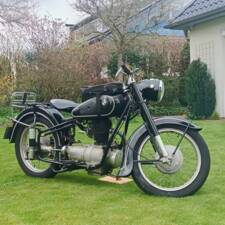
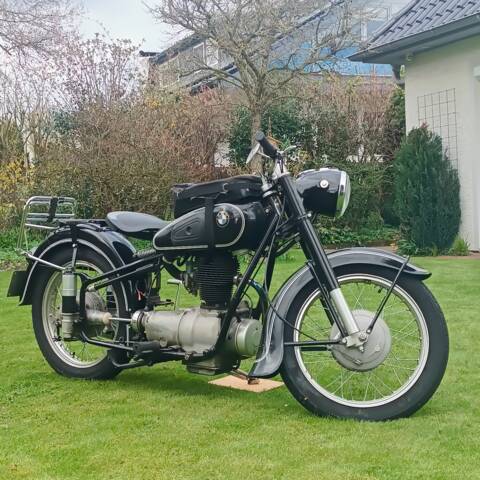
1955 | BMW R 25/3
Ehrliche fahrbereite BMW R25/3 mit Gutachten und Papieren

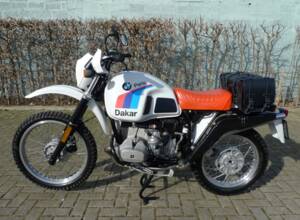
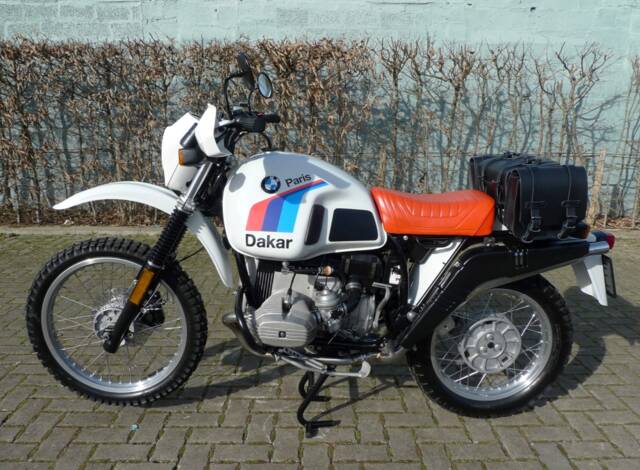
1987 | BMW R 80 G/S "Paris Dakar"
Exemplaire authentique certifié BMW

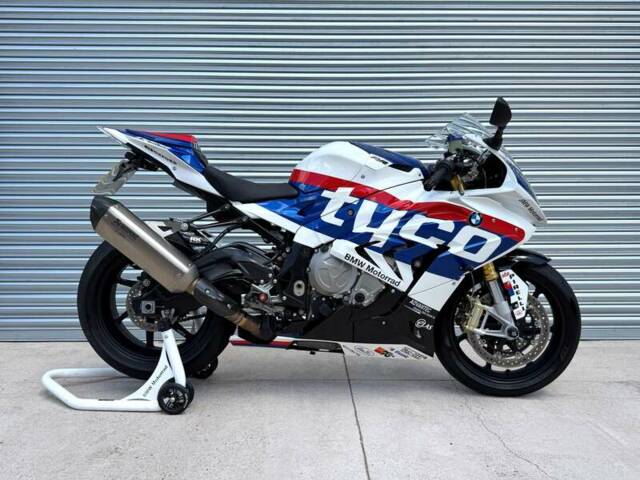
2017 | BMW S 1000RR 'TYCO' BSB Race Replica
2017 BMW S1000RR 'Tyco' BSB Race Replica 999cc

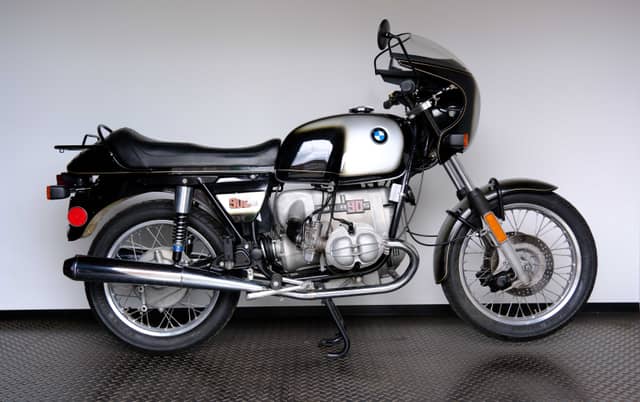
1975 | BMW R 90 S
restored – worldwide delivery
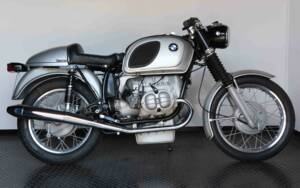
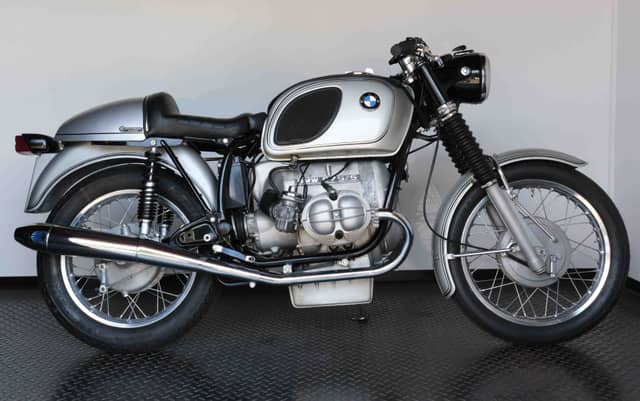
1972 | BMW R 75/5
Cafe Racer Classic – Worldwide Delivery –
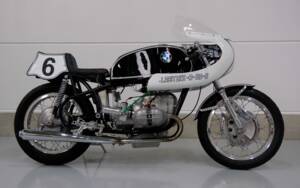
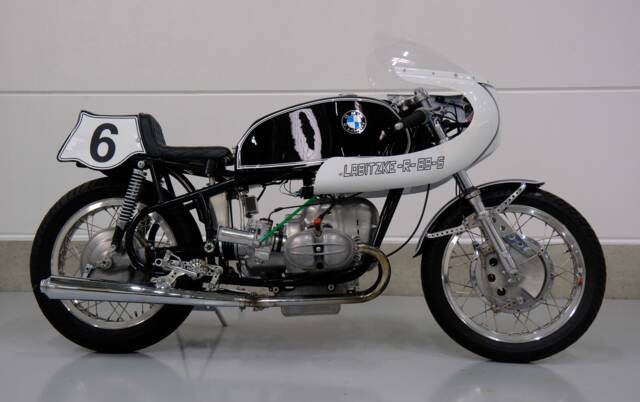
1968 | BMW R 69 S
Labitzke – Restored – Worldwide delivery –
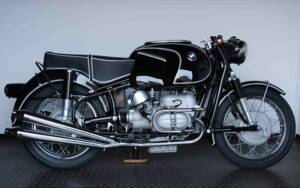
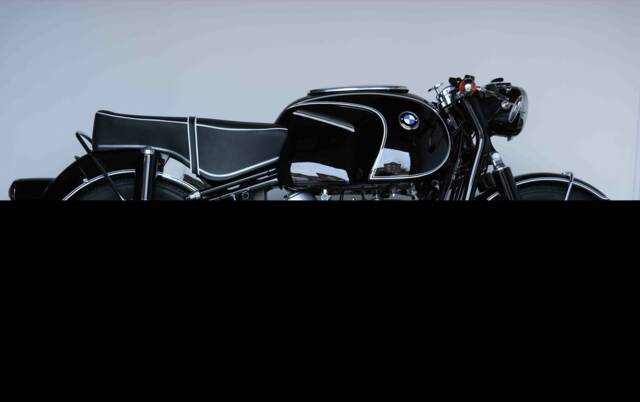
1964 | BMW R 69 S
SuperSport – fully restored – worldwide delivery
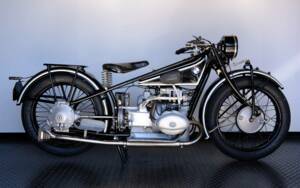
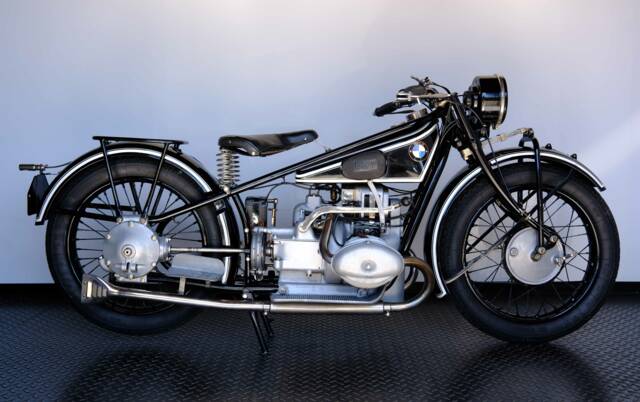
1929 | BMW R 63
originates from a museum – restored – worldwide delivery –
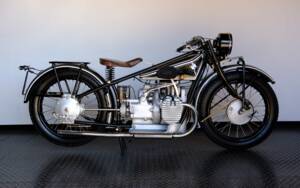
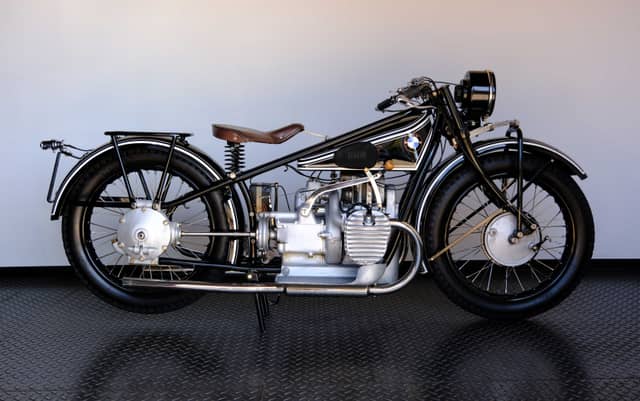
1929 | BMW R 62
comes from a museum – delivered worldwide –
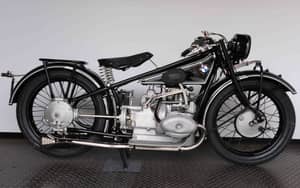
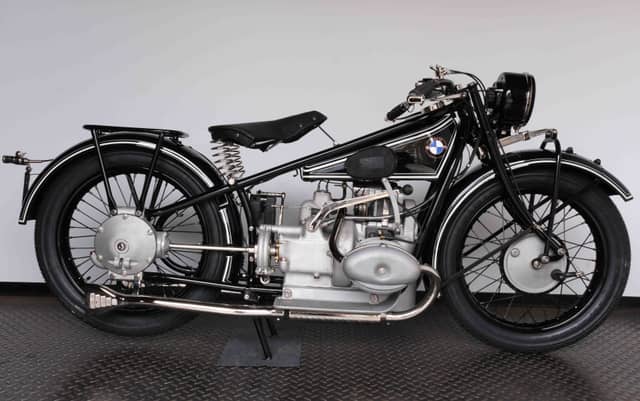
1929 | BMW R 57
Fully restored – Worldwide delivery
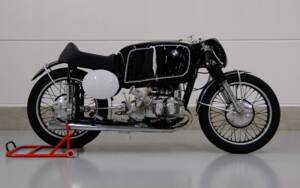
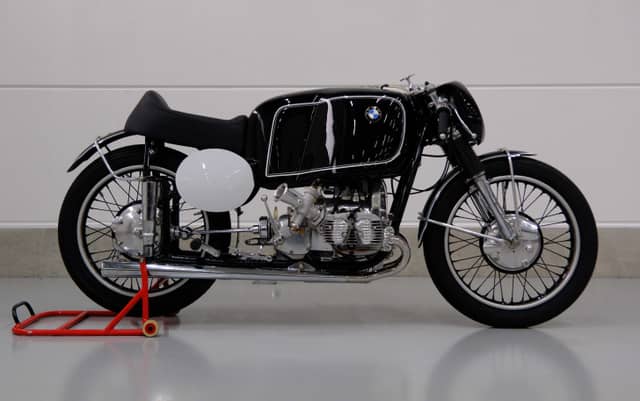
1939 | BMW R 51
Edizione speciale RS - completamente restaurata - spedizione in tutto il mondo -
VAT is reclaimable
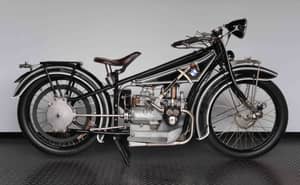
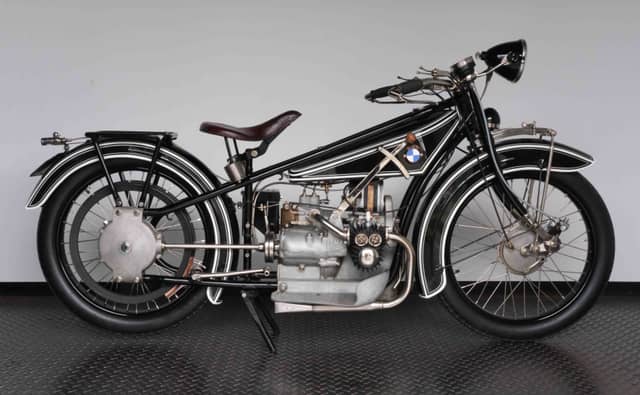
1925 | BMW R 32
restored – original – worldwide delivery –
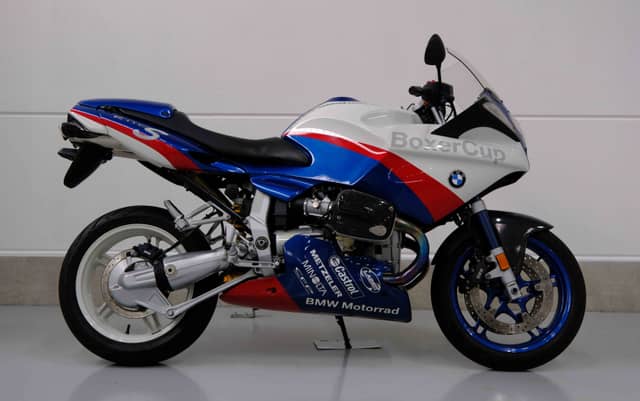
2005 | BMW R 1100 S
- Worldwide delivery -
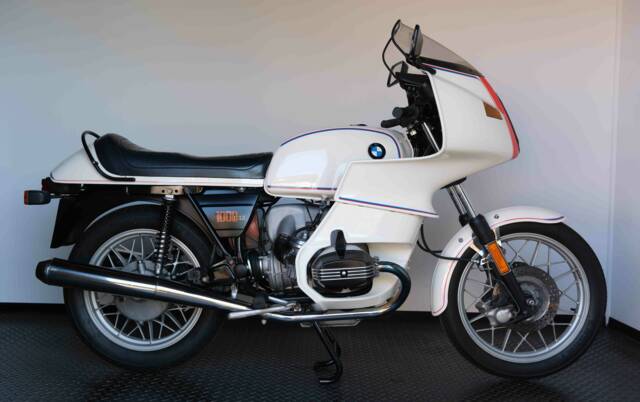
1978 | BMW R 100 RS
Motorsport Limited Edition – fully restored – worldwide delivery –
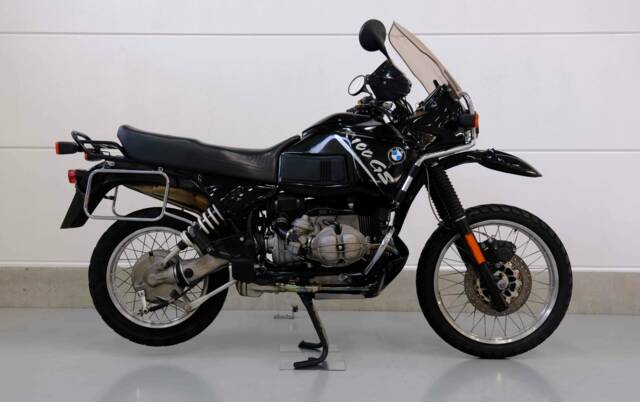
1995 | BMW R 100 G/S "Paris-Dakar"
Good condition – Worldwide delivery –
History & Heritage
The story of BMW Motorrad is one of resilience and engineering brilliance. Following the First World War, the Treaty of Versailles prohibited BMW from producing aircraft engines, forcing the company to pivot. Chief designer Max Friz turned his attention to two wheels, and in 1923, the R 32 was unveiled at the Berlin Motor Show. It featured a 494cc transverse-mounted boxer engine and shaft drive – a configuration that remains the DNA of the brand over a century later. The R 32 produced 8.5 hp and could reach 59 mph (95 km/h). Of the 3,090 units produced, very few survive today; museum-quality examples can fetch over £100,000 at prestigious auctions like Bonhams.
In the pre-war era, BMW established itself as a leader in technical innovation. The R 12 and R 17 (1935) were the first production motorcycles in the world to feature hydraulically damped telescopic forks. During the Second World War, the R 75 "Wehrmachtsgespann" with its driven sidecar wheel and locking differential became a legendary, if sombre, symbol of rugged reliability in extreme conditions.
Post-war production resumed in 1948 with the R 24, a 247cc single-cylinder machine. However, it was the return of the boxer twins that truly restored BMW's reputation. The R 51/3 (1951) was the first significant post-war boxer, followed by the refined /2 series. The R 69 S (1960–1969) became the pinnacle of this era. With its Earles forks and 594cc engine producing up to 42 hp, it was the "gentleman's express" of the 1960s. In the UK, where British twins from Norton and Triumph ruled the roost, the BMW was seen as the expensive, reliable alternative for those who valued longevity over outright speed.
The 1970s brought a radical shift in design. In 1973, designer Hans Muth was brought in to modernise the brand's image. The result was the R 90 S, the first production motorcycle with a factory-fitted cockpit fairing. With its distinctive "Silver Smoke" or "Daytona Orange" paintwork, 898cc engine, and 124 mph (200 km/h) top speed, it proved that BMW could build a sports bike that could compete with the Japanese "superbikes" of the time.
In 1976, BMW pushed the boundaries of aerodynamics further with the R 100 RS, the world's first production motorcycle with a full fairing developed in a wind tunnel. This model effectively created the "Sport Touring" category. It allowed riders to cross continents at high speeds in relative comfort, protected from the elements. The "Airhead" boxers (so-called because they were air-cooled) continued until 1995, becoming some of the most beloved classic motorcycles in the UK.
The 1980s saw BMW diversify. Facing stiff competition and tightening emissions regulations, they launched the K-Series in 1983. The K 100, nicknamed the "Flying Brick" due to its longitudinal, water-cooled four-cylinder engine laid on its side, was a technological tour de force. It featured Bosch LE-Jetronic fuel injection and, in 1988, became the first motorcycle to offer an anti-lock braking system (ABS).
Simultaneously, BMW revolutionised the off-road world. The R 80 G/S (1980) combined "Gelände" (off-road) and "Strasse" (street) capabilities. When Hubert Auriol won the Paris-Dakar Rally in 1981 and 1983 on a modified G/S, the "Adventure" category was born. Today, the GS series is the backbone of BMW's success, particularly in the UK, where it has been a best-seller for decades.
The late 80s also gave us the K1, an avant-garde, fully enclosed sports bike designed for high-speed stability on the Autobahn. While its styling was polarising at the time, it is now a sought-after modern classic.
Highlights & Technical Innovations
BMW has consistently pioneered technologies that have since become industry standards. Their commitment to engineering excellence is evident in several key areas:
Suspension Evolution: BMW's quest for stability and comfort led to several unique solutions. The Earles fork (used on the /2 series) was designed to prevent the front end from diving under braking. In 1993, the Telelever system was introduced on the R 1100 RS, separating the tasks of wheel guidance and damping, which virtually eliminated brake dive while maintaining sensitive suspension response. The Paralever rear suspension (introduced in 1987 on the R 100 GS) neutralised the "shaft-jacking" effect common in shaft-drive motorcycles, where the rear of the bike would rise under acceleration.
Braking and Safety: BMW was the first manufacturer to introduce ABS on a production motorcycle in 1988. Since then, they have led the way in integrated braking systems and traction control. Their ESA (Electronic Suspension Adjustment) allows riders to adjust damping and spring preload at the touch of a button, adapting the bike to different loads and road conditions instantly.
Aerodynamics: The work of Hans Muth and the use of wind tunnels in the 1970s set BMW apart. The R 100 RS fairing wasn't just for show; it provided genuine downforce and weather protection, allowing for effortless long-distance touring. This focus on rider comfort and efficiency remains a hallmark of the RT and K-series tourers.
The Boxer Engine: The flat-twin "Boxer" engine is synonymous with BMW. Its low centre of gravity provides exceptional handling stability. The transition from the "Airheads" to the "Oilheads" (air/oil-cooled 4-valve engines) in 1993, and later to the "Hexheads" and "Camheads," shows a continuous refinement of a classic concept. The latest "ShiftCam" technology allows for variable valve timing, providing a broad spread of torque and high-end power.
Technical Data
Drivetrain: Almost all classic BMWs feature shaft drive (Kardan), which is low-maintenance and durable. Gearboxes evolved from 3-speed on early models to 4-speed in the 1930s, and 5-speed from the /6 series onwards.
Chassis: BMW used heavy-duty steel frames, often with a bolt-on rear subframe. The transition from plunger rear suspension to swingarms in the 1950s significantly improved handling.
Market Overview & Buying Tips
The UK market for classic BMWs is robust, supported by a dedicated community and excellent parts availability. Prices vary significantly depending on rarity, condition, and provenance.
R 32 (1923–1926): The holy grail for BMW collectors. These are rarely seen outside of museums or high-end private collections. In the UK, a genuine R 32 can command between £60,000 and £100,000+. At a 2024 auction, an unrestored but complete example was estimated at £70,000. Buyers must be wary of "bitsas" (bikes built from various parts) and should seek expert verification of engine and frame numbers.
R 51/3 and R 69 S (1951–1969): The R 69 S is the most desirable of the post-war "Airheads." In the UK, expect to pay £12,000 to £18,000 for a high-quality, matching-numbers machine. The R 51/3 is slightly more affordable, typically ranging from £8,000 to £12,000. When inspecting, check the "slingers" (internal oil cleaners); if they haven't been cleaned recently (every 25,000–30,000 miles), the engine is at risk of catastrophic failure. This is a major "engine-out" job. Also, check for original aluminium rims and the correct Bing carburettors.
R 90 S (1973–1976): A design icon. Prices in the UK have climbed steadily, with good examples fetching £10,000 to £20,000. The "Silver Smoke" and "Daytona Orange" paintwork is notoriously difficult to replicate correctly; an original paint bike carries a significant premium. Check the cockpit fairing for cracks and ensure the clock and voltmeter (unique to the S) are functional. The Dell'Orto pumper carbs should be balanced for smooth running.
R 100 RS (1976–1984): The ultimate classic tourer. These are still relatively affordable in the UK, with prices between £4,000 and £8,000. Look for the early "spoke wheel" models (1976–1977) which are more collectible. The full fairing can hide a multitude of sins, so remove panels if possible to check for frame corrosion and oil leaks. The rear main seal is a common leak point on all Airheads; if oil is misting between the engine and gearbox, the seal needs replacing – a labour-intensive task.
K 100 (1983–1995): The "Flying Brick" offers incredible value. Standard models can be found for £1,500 to £3,500, while the K1 or very clean RS/RT models might reach £5,000 to £8,000. The K-series is legendary for its longevity, with many reaching 100,000+ miles. However, the fuel pump can fail if the bike has sat for long periods with old fuel. Check the instrument cluster (the "lunchbox") for fogging or non-functional LCDs. The exhaust manifold can also crack over time.
R 80 G/S (1980–1987): The original adventure bike is now a blue-chip investment. Prices in the UK range from £8,000 to £15,000, with the "Paris-Dakar" special editions fetching even more. Check the rear subframe for cracks, especially if the bike has been used with heavy panniers. The Monolever rear end should be checked for play in the bearings. Many G/S models have been heavily modified or used hard off-road; original, unmolested examples are the most valuable.
General Buying Advice for the UK:
- The BMW Club: Joining the UK BMW Club provides access to a wealth of technical knowledge and a network of specialists.
- Service History: A well-documented service history is vital. BMWs are engineered to last, but they require regular maintenance (valve clearances, oil changes, spline lubrication).
- Corrosion: The UK's damp climate and salted winter roads can be harsh on classic bikes. Check the frame, especially around the battery tray and lower rails, for rust.
- Parts Availability: Companies like Moto-Bins, James Sherlock, and Motorworks in the UK provide excellent mail-order service for both new and used parts.
- Modifications: While "Café Racer" conversions are popular (especially for K 100s), they often decrease the value for serious collectors. Originality is key for investment-grade bikes.
Riding Experience & Performance
Riding a classic BMW is a unique experience that prioritises stability, torque, and long-distance comfort over the frantic pace of a multi-cylinder sports bike.
The Boxer Character: The first thing any rider notices is the "torque reaction." When you blip the throttle at a standstill, the bike leans slightly to the right due to the longitudinal crankshaft. On the move, this disappears, replaced by a low-frequency thrum and a surge of torque that makes overtaking effortless. The low centre of gravity makes even the heavier models surprisingly agile once they are rolling.
The /2 Series (e.g., R 69 S): Riding an R 69 S is like stepping back into a more elegant era. The Earles forks provide a plush, almost "magic carpet" ride, though they can feel slightly vague compared to modern telescopic forks. The engine is incredibly smooth, and the bike feels "all of a piece." It’s not a bike for rushing; it’s a bike for enjoying a Sunday morning ride through the Cotswolds.
The R 90 S and R 100 RS: These bikes feel much more modern. The R 90 S has a sporty edge, with the Dell'Orto carbs providing a crisp throttle response. The R 100 RS is the master of the motorway. Tucked behind that expansive fairing, you can maintain 80-90 mph all day long. The "Airhead" handling is predictable and stable, though the narrow tyres of the era mean you won't be dragging knees in the corners.
The K 100: The "Flying Brick" feels entirely different. The four-cylinder engine is turbine-smooth and loves to rev. It has a much more "planted" feel than the boxers, and the fuel injection ensures perfect starting and running in all conditions. It’s a heavy bike to push around the garage, but on the open road, it’s a formidable mile-muncher.
The R 80 G/S: The G/S offers a commanding view of the road. The long-travel suspension soaks up the UK's increasingly potholed B-roads with ease. It feels light and flickable compared to the tourers, and the 800cc engine has a lovely, punchy character. It’s the perfect "do-it-all" classic.
Design & Aesthetics
BMW design has always been driven by the philosophy of "Form Follows Function," yet they have produced some of the most beautiful and iconic motorcycles in history.
The Early Years: The R 32 established the "black with white pinstripes" look that defined BMW for decades. The exposed cylinders and the clean lines of the shaft drive gave the bikes a technical, purposeful appearance. The quality of the castings and the attention to detail were, and remain, second to none.
The Muth Revolution: Hans Muth changed everything. He understood that a motorcycle needed to be more than just a machine; it needed to be an object of desire. The R 90 S was a masterclass in integrated design. The fairing, the tank, and the seat cowl flowed together, and the "smoke" paintwork added a layer of sophistication never seen before on a motorcycle.
Aerodynamic Purity: The R 100 RS took this a step further. Its fairing was a single, cohesive unit that wrapped around the rider. It looked like nothing else on the road and remains a stunning example of industrial design. Even the "snowflake" alloy wheels of the late 70s became a design signature.
The K1 and Beyond: The K1 was a bold attempt to create a "super-tourer." Its massive, wrap-around front mudguard and integrated panniers were designed for maximum aerodynamic efficiency. While it was controversial in 1988, it is now celebrated as a brave piece of futurism.
The BMW Badge: The blue and white "roundel" is one of the most recognised logos in the world. While often thought to represent a spinning propeller (a nod to BMW's aircraft heritage), it actually uses the colours of the Bavarian state flag. On a classic BMW, that badge represents a promise of quality and reliability that has been kept for over a century.
Racing Heritage & UK Culture
While BMW is often associated with touring, they have a rich racing history that has influenced their production bikes.
Sidecar Dominance: BMW was the undisputed king of sidecar racing for decades. Between 1954 and 1974, BMW-powered outfits won 19 World Championships. This success was built on the inherent stability and torque of the boxer engine, and it cemented the brand's reputation for engineering durability.
The Isle of Man TT: BMW has a long history at the TT. Georg Meier became the first non-British rider to win the Senior TT in 1939 on a supercharged Type 255 Kompressor. In more recent years, the S 1000 RR has dominated the Superbike and Senior classes, but the classic boxers are still a common sight in the paddock during the Classic TT and Manx Grand Prix.
The UK Community: The UK has one of the most active classic BMW scenes in the world. The BMW Club (UK & Ireland), founded in 1951, is the second-largest single-make club in the country. Their monthly magazine, "The Journal," is a treasure trove of technical advice and travel stories. Events like the Stafford Classic Bike Show and auctions at Bonhams and H&H Classics are key dates in the calendar for UK enthusiasts.
The "Airhead" Cult: In the UK, there is a specific subculture dedicated to the air-cooled boxers. These riders value the simplicity and "fixability" of the older bikes. It’s not uncommon to see a 40-year-old R 100 RT loaded with camping gear, heading for the Scottish Highlands or the ferry to Europe. For many UK riders, a BMW isn't just a motorcycle; it's a lifelong companion.
Summary
BMW Motorrad represents over a century of engineering excellence and innovation. From the pioneering R 32 of 1923 to the world-conquering GS series, BMW has consistently defined and redefined what a motorcycle can be.
For the collector, the R 32 remains the ultimate prize, while the R 69 S offers a refined and elegant riding experience. The R 90 S and R 100 RS are design icons that proved BMW could build world-class sports tourers. The K 100 provides a smooth, modern-classic entry point, and the R 80 G/S is the undisputed father of the adventure bike.
When buying in the UK, focus on originality, service history, and provenance. Be aware of common issues like the "slingers" on early models or the rear main seal on later Airheads. With a dedicated UK club and excellent parts support, owning a classic BMW is a rewarding experience.
Whether you are drawn to the rhythmic thrum of a boxer twin or the smooth power of a K-series four, a BMW offers a level of character and reliability that few other brands can match. They are machines built for the long haul, designed to be ridden and enjoyed for generations. Find your perfect BMW on Classic Trader today and start your own chapter in this remarkable story.