Wanderer W 45 classic cars for sale
The Wanderer W 45 stands as a distinctive example of pre-war German engineering, uniting robust construction with characterful design. This model is especially sought after by enthusiasts intrigued by the technical evolution and historic significance of Wanderer’s production line.
Resultados de la búsqueda
Actualmente no hay anuncios que coincidan con su búsqueda.
Create search alert
Let yourself be notified as soon as a listing is published that matches your search filters.
Create listing
Do you have a Wanderer W 45 that you want to sell? Then create a listing now.
Create listingWanderer W 45 listing references from Classic Trader
Below you will find listings related to your search that are no longer available on Classic Trader. Use this information to gain insight into availability, value trends, and current pricing for a "Wanderer W 45" to make a more informed purchasing decision.
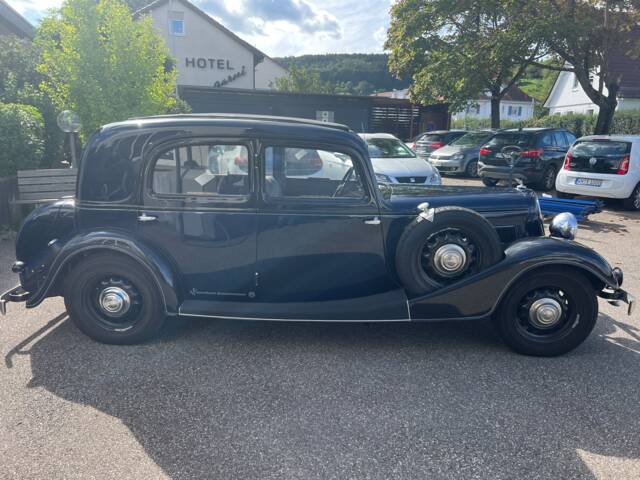
1937 | Wanderer W 45
Create search alert
Let yourself be notified as soon as a listing is published that matches your search filters.
Create listing
Do you have a Wanderer W 45 that you want to sell? Then create a listing now.
Create listingWanderer W 45 Classic Cars: Prices & Market Values
History of the Wanderer W 45
Wanderer, rooted in the Saxon automotive industry, contributed considerably to the technical landscape of early 20th century vehicles. The W 45 model was introduced during an era when German manufacturers sought to combine comfort and reliability for both city and rural drivers. This model embodies Wanderer’s precision-focused approach, developed in a period when the brand was aligning itself as a technological and stylistic innovator among its competitors.
Model History
Within Wanderer's line-up, the W 45 occupies a relevant spot, following earlier models like the W 24 and preceding post-war developments under different ownership. The W 45 reflects the transition from basic transportation towards cars offering more refinement and mechanical sophistication in the 1930s. The model carried forward elements established in prior Wanderer vehicles, yet with notable improvements in chassis strength and drivetrain reliability.
Highlights of the Wanderer W 45
The W 45 distinguishes itself with features representative of advanced engineering for its era: a robust inline engine, well-considered ergonomics, and suspension design optimised for uneven road surfaces. The car’s construction displays attention to durability, while the interior appointments reflected the period’s preference for practical luxury.
Technical Data
Special Editions and Collectible Models
No information available on special editions or limited series models for the Wanderer W 45.
Weak Spots and Common Issues
There is no available data regarding recurring mechanical or structural weaknesses for the Wanderer W 45. However, as with many vehicles from this period, wear on chassis components, electrical systems, and engine seals should be considered during a purchase evaluation.
Engine and Performance, Transmission and Handling
The W 45 was equipped with an engine and transmission tailored for relaxed touring, rather than aggressive acceleration. Its suspension is tuned for comfort over cobbled or unpaved roads, which was especially valued during the 1930s in Germany. Steering and braking systems are reflective of the mechanical layouts of the time—requiring attentive and skilled use by today’s standards. While comparative data for other Wanderer models is lacking, the sole market presence of the W 45 underscores its dominance and recognition within the Wanderer badge.
Interior, Comfort, Exterior and Design
The Wanderer W 45 demonstrates an approach to design where function and elegance intersect. Its bodywork typically features flowing lines and well-proportioned surfaces, with steel or coachbuilt options provided by specialised firms of the day. The interior is marked by robust materials, wooden dashboard elements, and a layout oriented toward driver clarity. Options for special colours or additional accessories depended on the customisation practices available from Wanderer dealerships and third-party suppliers.
Additional Information
No further unique details are available for the Wanderer W 45 at present. Interested parties are encouraged to research production figures and restoration resources for a more comprehensive background.
Summary
The Wanderer W 45 embodies the technical and design ambitions of its era, reflecting early German ingenuity in car building. Its sole representation among Wanderer listings on Classic Trader, coupled with its technical focus and design clarity, make it particularly appealing to those with an eye for the detail-oriented automotive engineering of the late 1930s.