Wanderer W 24 classic cars for sale
The Wanderer W 24, built around 1939 under the Auto Union umbrella, is known for its robust construction and enduring mechanics. Surviving examples are often unrestored, featuring original interiors, documentation, and distinctive patina. Owners appreciate its reliability, historical significance, and suitability for both long-distance trips and classic car rallies.
Search results
Currently, there are no matching listings for your search.
Create search alert
Let yourself be notified as soon as a listing is published that matches your search filters.
Create listing
Do you have a Wanderer W 24 that you want to sell? Then create a listing now.
Create listingWanderer W 24 listing references from Classic Trader
Below you will find listings related to your search that are no longer available on Classic Trader. Use this information to gain insight into availability, value trends, and current pricing for a "Wanderer W 24" to make a more informed purchasing decision.
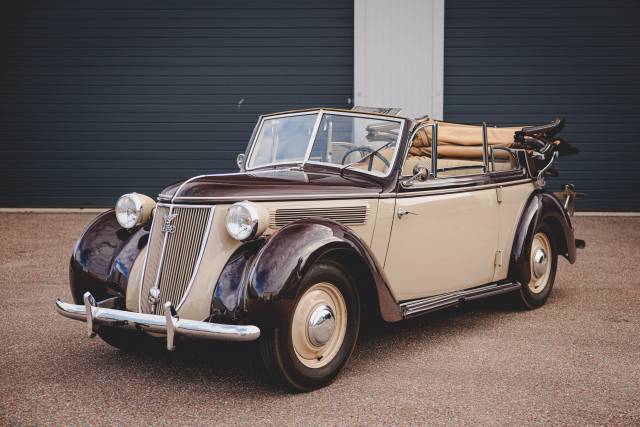
1939 | Wanderer W 24
Rare - Less than 40 Built - Reeds Recommission
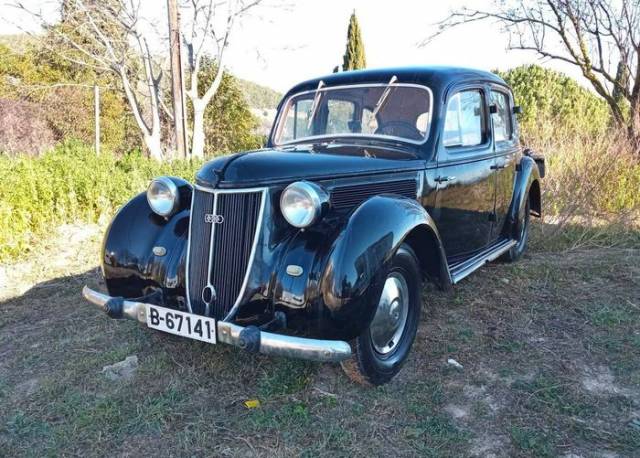
1939 | Wanderer W 24
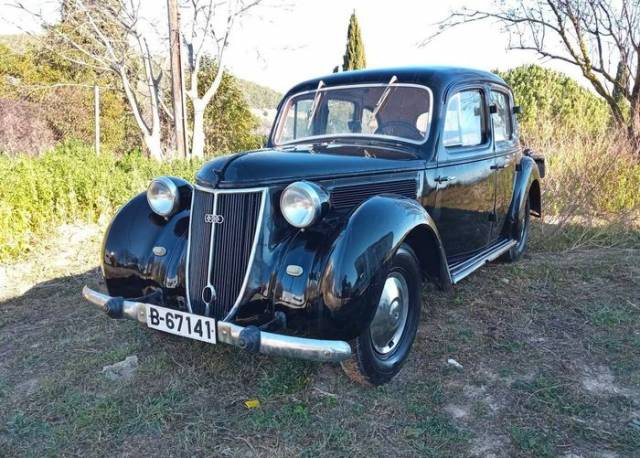
1939 | Wanderer W 24
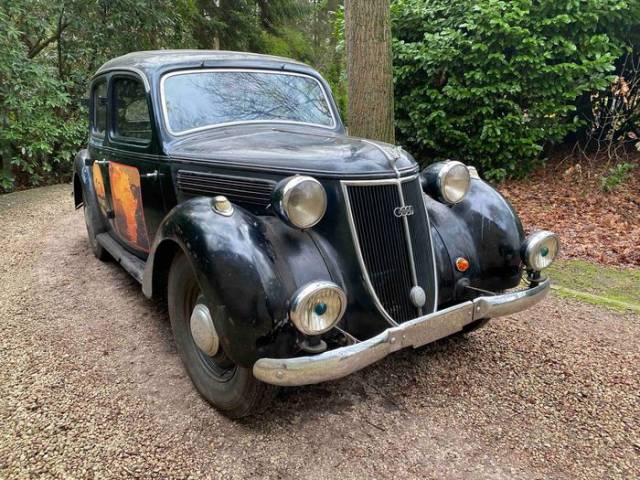
1939 | Wanderer W 24
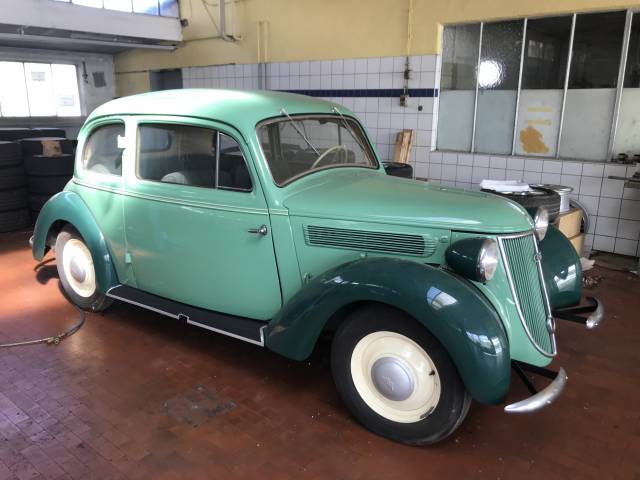
1939 | Wanderer W 24
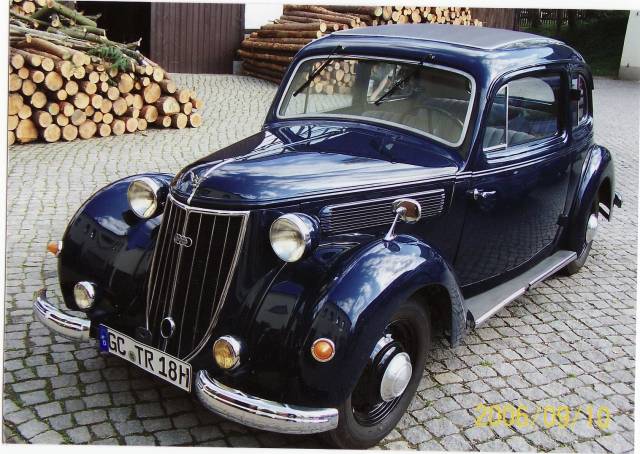
1938 | Wanderer W 24
Gepflegter, in Fachwerkstatt neu aufgebauter Wanderer
Create search alert
Let yourself be notified as soon as a listing is published that matches your search filters.
Create listing
Do you have a Wanderer W 24 that you want to sell? Then create a listing now.
Create listingWanderer W 24 Classic Cars: Prices & Market Values
History of the Wanderer W 24
Wanderer, established in 1911, produced vehicles until 1945 and was a founding member of Auto Union, later known as Audi. The W 24 was introduced during the late 1930s, representing the brand's philosophy of sturdy and dependable German engineering. As a mid-segment model positioned between luxury Horch and budget DKW, the W 24 exemplified solid build quality, at a time when robust and reliable vehicles were in great demand. World War II caused heavy losses in the Wanderer fleet, with just a few hundred examples known to survive today. Collectors appreciate remaining Wanderer W 24s for their authenticity and historical documentation, as many have been in consistent garage storage since their production.
Model History
The Wanderer W 24 followed earlier mid-range vehicles in the brand's lineup and contributed to Auto Union's varied portfolio. Its period of production surrounded 1939, and the W 24 was presented as a practical, durable car fit for daily use as well as long journeys. After production ceased due to the war, Wanderer did not produce direct successors. The limited run and historical events limited the series' survival, making preserved cars true period representatives with layers of documented use and maintenance.
Highlights of the Wanderer W 24
Unrestored examples of the Wanderer W 24 frequently present original interiors, paint, and matching-number documentation. Many units feature complete historic registration papers and often come with original number plates. Longevity is a recurring theme: survivors routinely display evidence of consistent garage storage and maintenance logs, with some still bearing their factory-applied finishes. Reliability, even after long periods of standing, remains a selling point—many can be revived for use with only minor mechanical service.
Technical Data
Special Editions and Collectible Models
No specific special editions of the W 24 are documented. However, vehicles with complete original documentation, number plates, and unrestored paintwork—especially those with known long-term ownership or garage storage—are particularly prized by collectors.
Weak Spots and Common Issues
Due to age, typical points to check include the braking system, engine seals, and condition of original wiring. After long periods offline, technical service is often required—fluid changes and drive belt replacements are routine. The bodywork is known for tolerating small dents, but original paint can reveal chips or cracks, which add to the model's patina rather than detract from value.
Engine and Performance, Transmission and Handling
The W 24 is engineered for reliability and endurance rather than outright power, making it a suitable companion for long-distance drives and classic rallies. Its driving dynamics remain forgiving, with an emphasis on robust mechanical simplicity and period-typical handling. Many existing examples were used sparingly and stored with care, ensuring that their mechanical and drivetrain systems, though not modern, often remain functional and serviceable with standard maintenance. All Wanderer listings on the market currently reference the W 24, making it the dominant (and singular available) post-war Wanderer classic with known technology, reliability traits, and collector appeal.
Interior, Comfort, Exterior and Design
Surviving W 24s often feature interiors that have not been restored, revealing original fabrics, wood trims, and period switches. Exteriors frequently retain their original paint in typical pre-war colours—patina and signs of use are common and valued. Special features include robust metalwork suited to withstand minor knocks. Accessories such as period-correct documentation, number plates, and at times even vintage rally accessories, reinforce the W 24’s authenticity. Optional trim and bespoke equipment were minimal, with the focus on solid function and enduring materials.
Other Notable Features
Wanderer W 24 vehicles are often supplied with comprehensive historical documentation, including original registration, maintenance logs, and period-correct tools. Their proven resistance to the elements, shown through consistent garage storage and survival over many decades, adds to their robust reputation.
Summary
The Wanderer W 24 represents a focused, robust chapter of pre-war German automotive engineering. Known for its solid mechanics, high survivability in original condition, and significant role within the Auto Union group, it offers collectors an authentic ownership experience. For those seeking a pre-war classic suitable for longer journeys and with rich archival background, the W 24 remains a compelling choice.