- Car
- Volkswagen
- Volkswagen Derby (1 offer)
Volkswagen Derby classic cars for sale
The Volkswagen Derby stands as Volkswagen’s answer to the compact saloon segment of the late 1970s and early 1980s: a steel-bodied, booted version of the Polo with distinct styling and technology for its era. Boasting a 4-cylinder petrol engine, manual transmission and a notable trim level for its time, the Derby retains a special place among enthusiasts looking for a distinctly practical and characterful small saloon from the brand’s history.
Search results
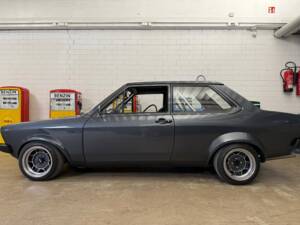
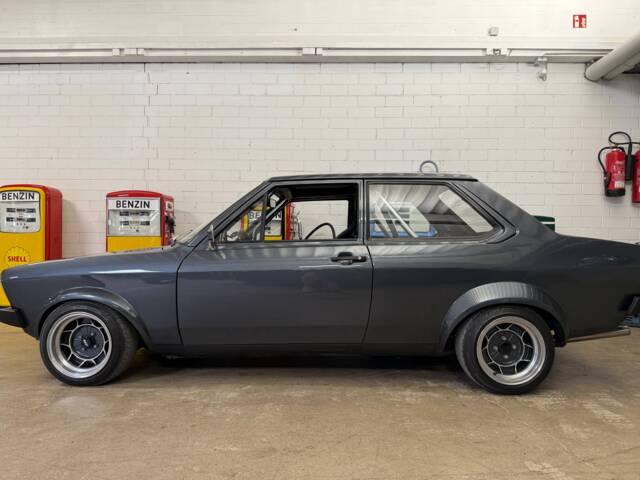
1981 | Volkswagen Derby II 1.1
Volkswagen Derby

Volkswagen Derby listing references from Classic Trader
Below you will find listings related to your search that are no longer available on Classic Trader. Use this information to gain insight into availability, value trends, and current pricing for a "Volkswagen Derby" to make a more informed purchasing decision.
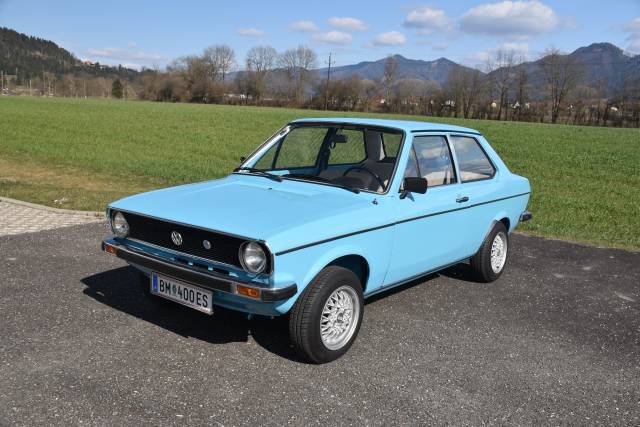
1978 | Volkswagen Derby I 1.1
Das Fahrzeug befindet sich optisch und technisch in einwandfreiem Zustand.

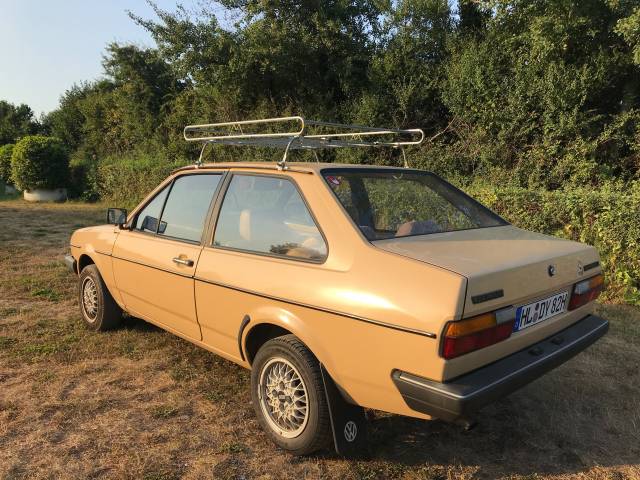
1982 | Volkswagen Derby II 1.1
VW 86c Derby
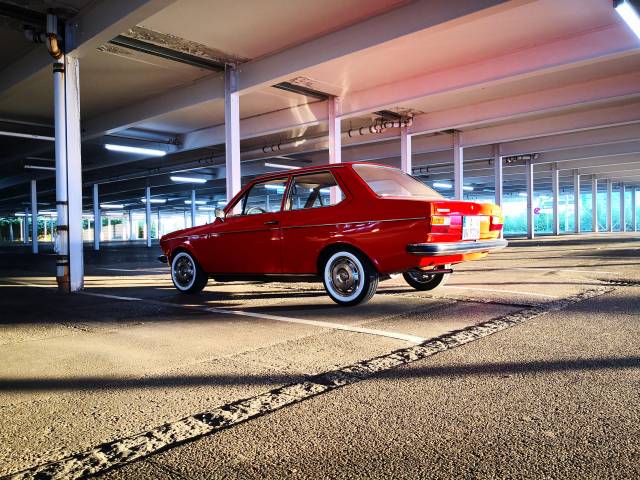
1978 | Volkswagen Derby I 1.1
Derby 86 GLS
Volkswagen Derby Classic Cars: Prices & Market Values
History of the Volkswagen Derby
Launched in 1977, the Volkswagen Derby represented VW’s foray into the supermini saloon market, based technically on the Polo Mk1 but with a distinct three-box design and a separate boot. Produced until 1981 for the European market, the Derby catered to drivers seeking extra luggage space and the practical benefits of a notchback body over a hatchback. Later, the Derby badge reappeared in Mexico, attached to the saloon version of the Polo Classic Mk3, showing the nameplate’s appeal beyond Europe. Its introduction mirrored the shifting market trends toward smaller, efficient vehicles with versatile body styles, all underpinned by VW's focus on reliability and usability.
Model History of the Volkswagen Derby
The Derby originated directly from the first generation Polo, sharing much of its mechanical underpinnings with its platform sibling. Its initial European run, noted for features like chromed bumpers and steel body construction, lasted from 1977 to 1981. The Derby was succeeded initially by the second generation Polo saloon (under different nomenclature), fading out as the market shifted back to hatchbacks. Notably, the Derby Mk1s are often identified by details like chrome bumpers and early trim elements, while any later Derby-branded saloons are specific to regional markets like Mexico. The Derby thus sits as a single-generation oddity in VW’s European line-up, but its role as a small, practical saloon has made it a point of interest for classic car enthusiasts.
Highlights of the Volkswagen Derby
Unique for taking the proven supermini technical package of the Polo and transforming it into a practical saloon, the Derby offered the virtues of compact size with increased luggage space. Its body in high-quality steel, 4-cylinder petrol engines, and manual transmission ensured low maintenance costs and durability, while trim levels and accessories (like original radio and chromed bumpers) were notable for the price segment of its era. With available original colours, such as L51C Miami Blue, and options for both steel rims and period BBS alloys, the Derby presents a vivid snapshot of late 1970s VW engineering.
Technical data
Special Editions and Collectible Models
While the Derby line did not spawn numerous special or limited editions, aficionados note pre-facelift models with chromed bumpers and rare original paint finishes, such as Miami Blue (L51C), as especially collectible within the classic VW community. Well-preserved examples in original condition, with minimal or no rust repairs, are especially sought after for their authenticity.
Engine, Transmission and Handling
The Derby’s 4-cylinder Otto engine combined with a manual gearbox offers straightforward mechanics and user-friendly driving dynamics. Period-typical performance—approximately 60 PS—means modest acceleration but solid everyday usability and reliability. The suspension delivers a comfortable ride, and despite its saloon shape, the Derby's compact wheelbase ensures agility in city environments. Original models may suffer from age-related wear, so prospective owners should check for maintenance on brakes, exhaust, clutch and regular oil changes, as these are common service points. Particularly noteworthy are early production (Vorfacelift) Derby models with chrome bumpers and original VW steel wheels, as well as period accessories like BBS alloy wheels that indicate a well-cared-for example or one with period-correct upgrades.
Interior, Comfort, Exterior and Design
Bodywork is distinguished by classic, three-box saloon lines with a satisfactorily sized boot, a standout difference from the Polo hatchback. Early Derbys feature chrome bumpers and, occasionally, factory-original brightwork on trim and hubcaps. Colours like Miami Blue (L51C) give the Derby visual flair typical of late 1970s VWs. Interiors were trimmed to a higher standard compared to other superminis of the era, with higher-end upholstery, clear instrumentation, and the possibility of period radios or even aftermarket accessories. Available equipment was considered advanced for its class at launch, and well-preserved dashboards, door trims, and original materials boost the model’s appeal for enthusiasts.
Other relevant features
Sourcing spare parts for Derby models remains feasible within Europe, with items such as trim pieces, bumpers, and dashboards available thanks to the car’s underpinnings shared with the Polo. Classic car registration and historic vehicle status (with §23 assessment) are accessible, and Derby models regularly pass engineering inspections (TÜV) if maintained. Restoration levels vary, and original, rust-free cars are increasingly scarce, making provenance and condition key points for buyers.
Summary
The Volkswagen Derby occupies a special niche for those valuing practical saloon design, distinctive late-1970s VW styling, and approachable mechanics. As a single-generation offshoot based on the celebrated Polo Mk1, it offers an unmistakable blend of practicality, retro design details and mechanical reliability. For collectors and classic car fans, especially those seeking the rare combination of compact saloon proportions and authentic period appeal, the Derby presents an engaging and accessible entry point into the world of classic Volkswagens.