- Automobile
- Vauxhall
- Vauxhall 20/60 R-Type (0 offerte)
Vauxhall 20/60 R-Type classic car for sale
The Vauxhall 20/60 R-Type combined British design heritage with technical updates from General Motors in the late 1920s. It stands out for its sturdy six-cylinder engine, robust construction, and mechanical refinements—features that make it a significant representative of pre-war prestige vehicles from Vauxhall.
Risultati della ricerca
Attualmente non ci sono annunci corrispondenti alla tua ricerca.
Create search alert
Let yourself be notified as soon as a listing is published that matches your search filters.
Create listing
Do you have a Vauxhall 20/60 R-Type that you want to sell? Then create a listing now.
Create listingVauxhall 20/60 R-Type listing references from Classic Trader
Below you will find listings related to your search that are no longer available on Classic Trader. Use this information to gain insight into availability, value trends, and current pricing for a "Vauxhall 20/60 R-Type" to make a more informed purchasing decision.
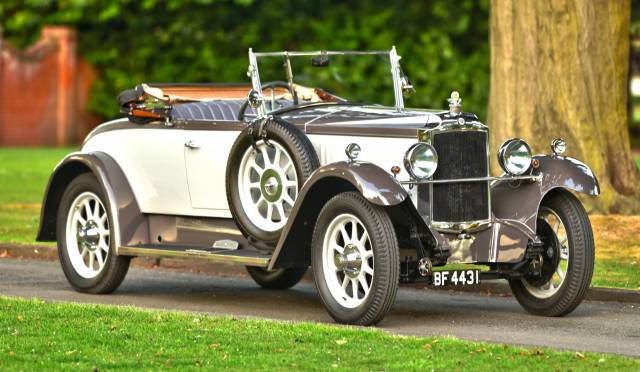
1928 | Vauxhall Tickford Sunshine
Create search alert
Let yourself be notified as soon as a listing is published that matches your search filters.
Create listing
Do you have a Vauxhall 20/60 R-Type that you want to sell? Then create a listing now.
Create listingVauxhall 20/60 R-Type Classic Cars: Prices & Market Values
Introduction and history of Vauxhall 20/60 R-Type
Produced between 1927 and 1930, the Vauxhall 20/60 R-Type marked a transition for Vauxhall as it came under American ownership by General Motors. The model showcased a typical English chassis design, the last under Vauxhall’s independent era, and it utilised engineering choices drawn from the evolving international car market. Its creation was primarily intended to replace the Vauxhall 14/40, and its launch coincided with sweeping changes in Vauxhall's approach to engine technology and body design. Following its production, Vauxhall shifted towards more compact cars, signalling the end of this era-focused model.
Model history
The Vauxhall 20/60 R-Type followed the 14/40 and was later replaced through Vauxhall’s orientation towards smaller cars like the 17 HP Cadet. Developed initially before General Motors’ takeover, its design was influenced by British tradition but incorporated evolving GM-driven features. The six-cylinder ‘Big Six’ configuration set the template for subsequent Vauxhall models before the brand moved to lighter, more economical vehicles in the early 1930s.
Highlights of Vauxhall 20/60 R-Type
The 20/60 R-Type was notable for its large iron six-cylinder engine, robust nine-bearing crankcase, and refined driving comfort. Mechanical reliability was ensured by innovations like double valve springs and high-quality aluminium parts. Features such as a four-speed gearbox, adjustable front seats, and an external luggage rack made it practical and ahead of its time in comfort for its class. The model underwent several modernisations in 1929 and 1930, upgrading engine breathing, exhaust, and brake efficiency.
Technical data
Special Editions and Collectible Models
There were no official special editions of the 20/60 R-Type, but coupé-cabriolet bodywork options were produced in limited numbers. Surviving coupe-cabriolets, in particular, are considered especially desirable among marque aficionados due to their rarity and unique specification profiles.
Weak Spots and Common Issues
While the 20/60 R-Type was respected for engineering reliability in its era, age-related wear is typical after nearly a century. Components to watch include the complex nine-bearing crankshaft, brake hydraulics updated in later years, and chassis corrosion—particularly around older suspension mounts. The original big-six iron engine is sturdy but can suffer from coolant leaks and aging gaskets.
Engine and Performance, Transmission and Handling
The Vauxhall 20/60 R-Type’s straight-six engine contributed to its refined running and smooth driving experience. Period reviews highlighted the model’s quietness, good balance, and comfort at speed, with a top speed reaching up to 120 km/h—exceptional for cars of its class at the turn of the 1930s. The four-speed gearbox, combined with later chassis and brake improvements, provided solid handling given the car’s size and mass. - Vauxhall 20/60 R-Type Limousine (4- or 5-seater): Noted for mechanical reliability, spaciousness and period refinement.
- Coupe-cabriolet: Its limited production means this variant is rarely available, and it features unique design cues and a sportier flair.
Interior, Comfort, Exeterior and design
Under the guidance of Charles Evelyn King, the 20/60 R-Type featured a classic Vauxhall design including a high, upright radiator and robust proportions. Its British roots are evident in the solid, conservative body styles and interior comfort: four doors, wind-up windows, adjustable seats, and generous luggage space on a rear rack. Most models came in deep shades with period-correct finishes, and limited editions offered two-tone paintwork. Original luxury features included elegant dashboards with visible aluminium components and easily removable valve covers for maintenance.
Other relevant features
A particular footnote in the 20/60 R-Type’s story is the unusual fate of surplus bodies, which were exported to Australia and mounted on Chevrolet chassis after production ceased. This transcontinental repurposing is a testament to the rugged flexibility and enduring value of Vauxhall engineering in the interwar period.
Summary
The Vauxhall 20/60 R-Type stands as a noteworthy bridge between pre- and post-1920s British and American automotive engineering. Its straight-six performance, Charles Evelyn King’s design, and mechanical innovations highlight a unique period in Vauxhall’s history, making the surviving models today rare and technically interesting classic cars.