Toyota Prius Classic Cars for Sale
The Toyota Prius pioneered hybrid technology, redefining efficiency with its unique drivetrain — blending a petrol engine and an electric motor in one compact package. First launched in 1997, it quickly set the standard for eco-friendly motoring and remains a milestone in automotive engineering.
Search results
Currently, there are no matching listings for your search.
Create search alert
Let yourself be notified as soon as a listing is published that matches your search filters.
Create listing
Do you have a Toyota Prius that you want to sell? Then create a listing now.
Create listingToyota Prius listing references from Classic Trader
Below you will find listings related to your search that are no longer available on Classic Trader. Use this information to gain insight into availability, value trends, and current pricing for a "Toyota Prius" to make a more informed purchasing decision.

2005 | Toyota Prius
Toyota Prius 1.5 VVT-i

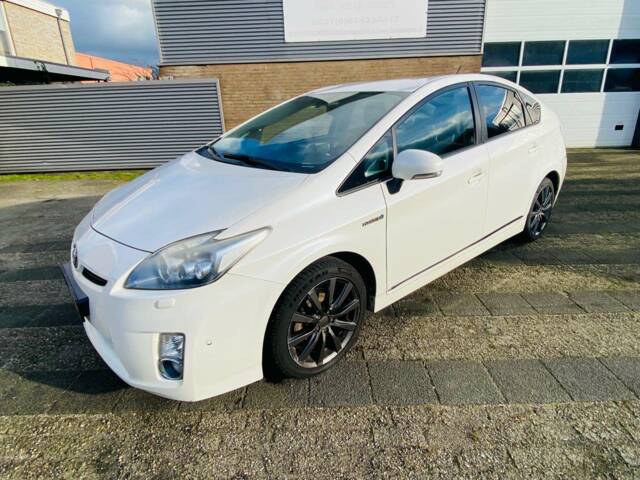
2010 | Toyota Prius
Toyota Prius 1.8 Dynamic 2010 Xenon camera

2006 | Toyota Prius
Toyota Prius 1.5 VVT-i 2006

2003 | Toyota Prius
Das erste Hybridauto: Einer der Letzten aus der ersten Serie (noch als Coupé)

Create search alert
Let yourself be notified as soon as a listing is published that matches your search filters.
Create listing
Do you have a Toyota Prius that you want to sell? Then create a listing now.
Create listingToyota Prius Classic Cars: Prices & Market Values
History of the Toyota Prius
Launched in 1997, the Toyota Prius marked Toyota's entry into hybrid drivetrains, featuring an innovative combination of an internal combustion engine and an electric motor. Originally introduced as a subcompact four-door saloon, it was conceived to address environmental concerns and fuel efficiency. By 2003, Toyota shifted its focus, offering the Prius exclusively as a five-door liftback, cementing its identity as a practical, low-emissions vehicle. Each generation built upon the last, consistently introducing new technology and setting benchmarks for hybrid vehicles in everyday use.
Model History
The Prius began as the NHW10/11, a compact saloon with a pioneering hybrid system, followed by the NHW20, which adopted the five-door liftback layout in 2003. The NHW20 quickly became the dominant variant, accounting for over 83% of current supply. Later generations evolved the drivetrain and design but stayed true to the core formula. The Prius remains in production, now in its fifth generation, continuing Toyota’s innovation in hybrid tech.
Highlights of the Prius Series
The defining feature of every Prius is its hybrid powertrain, which seamlessly blends electric and combustion drive for impressive fuel economy. The liftback body, introduced with the NHW20, maximised interior space without sacrificing aerodynamics. From the outset, the Prius stood out for minimal emissions, reliability and a focus on practical technology for everyday drivers.
Technical Data
Special Editions and Collectible Models
While the Prius is not typically known for limited-edition variants, certain models, such as special colour releases or early production units from the NHW10/11 series, may attract collectors seeking unique features or provenance.
Weak Spots and Common Issues
The Toyota Prius is celebrated for its reliability, but as with any hybrid of its era, pay attention to the condition of the high-voltage battery, especially in earlier NHW10/11 models. Thorough inspection of the hybrid system and electronics is advisable, as replacement parts for older generations may require sourcing from specialists.
Engine and Performance, Transmission and Handling
The Prius hybrid system prioritises smoothness and fuel efficiency. Its continuously variable transmission (CVT) contributes to seamless acceleration, and regenerative braking feeds energy back into the battery for added efficiency. While not built for high-speed performance, it excels in urban and suburban settings, offering quiet operation and low running costs. The NHW20 (five-door liftback) is the standout performer in terms of marketplace interest and practicality, making it a popular choice for enthusiasts and collectors alike.
Interior, Comfort, Exterior and Design
The second-generation Prius (NHW20) introduced a distinctive monoform silhouette, optimised for aerodynamics. The spacious interior, combined with digital instrumentation, set it apart from conventional rivals. Eco-friendly materials, innovative dashboard layouts, and special paint colours mark certain variants. Options often included satellite navigation, premium sound, and smart entry features, reflecting Toyota’s focus on tech-forward usability.
Other Noteworthy Features
Several Prius models have been used in fleets, research, and even motorsports to demonstrate efficiency, hinting at the model’s versatility. The Prius was also an early adopter of keyless entry and push-button start, adding to its forward-looking specification.
Summary
The Toyota Prius reshaped the automotive landscape from 1997 onwards, introducing drivers to the benefits and practicalities of hybrid technology. Its evolution from the NHW10/11 saloon to the NHW20 liftback set a template still echoed in today’s hybrids. With unrivalled efficiency, unique design choices and an enduring reputation for reliability, classic examples of the Prius are now sought after by those who appreciate both engineering innovation and automotive history.