Toyota Hiace classic cars for sale
The Toyota Hiace stands for dependability and impressive versatility, offered across multiple decades and in various body styles—ranging from panel vans to campers and minibuses. Especially the MK2 models from the 1980s, occasionally equipped with their original camping interiors, are now considered rare finds in Europe. Discover the unique character, robust engineering, and practical value of the Hiace models offered on our platform.
Search results
Currently, there are no matching listings for your search.
Create search alert
Let yourself be notified as soon as a listing is published that matches your search filters.
Create listing
Do you have a Toyota Hiace that you want to sell? Then create a listing now.
Create listingToyota Hiace listing references from Classic Trader
Below you will find listings related to your search that are no longer available on Classic Trader. Use this information to gain insight into availability, value trends, and current pricing for a "Toyota Hiace" to make a more informed purchasing decision.
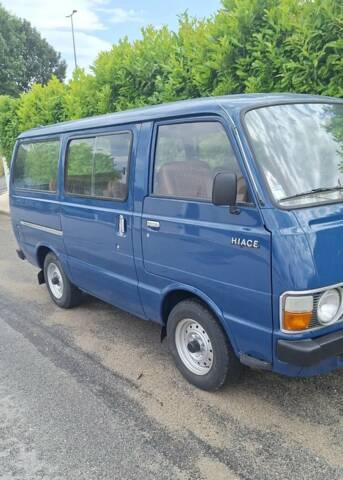
1981 | Toyota Hiace Rio H20
Toyota HIACE LH20 | 1981 | Route 66 Auctions - For sale by auction. Estimate 5500 EUR

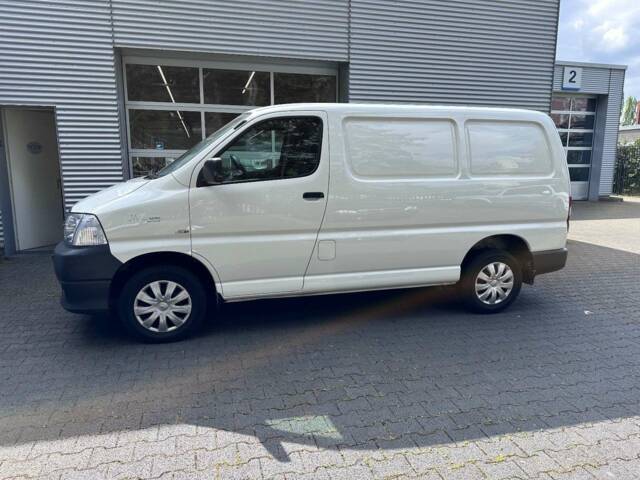
2008 | Toyota Hiace
Toyota Hiace 2.5TD Deutsch, 2.Hand, 148000km

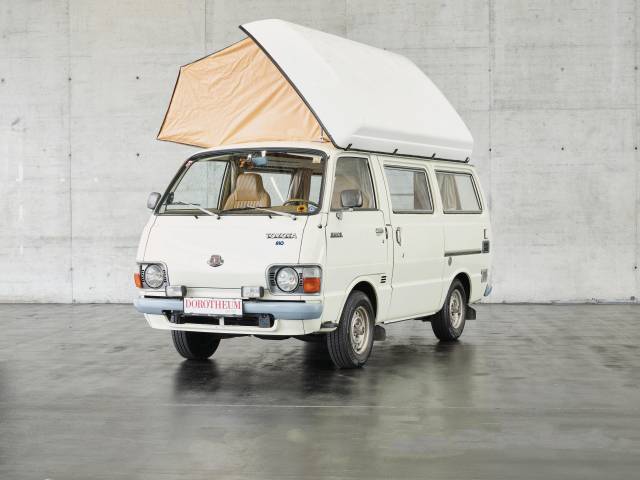
1980 | Toyota Hiace Rio H20
1980 Toyota Hiace Camper Rio
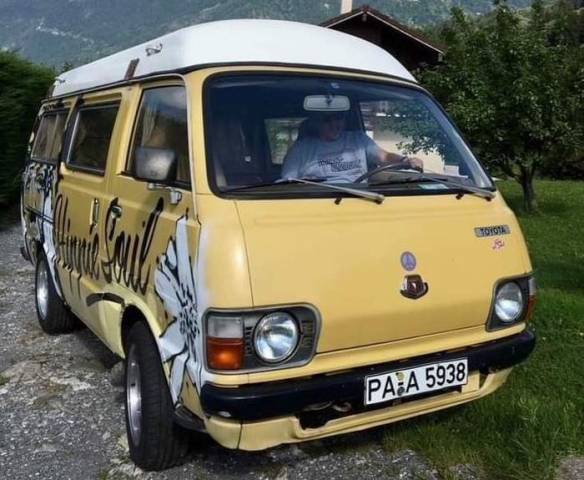
1980 | Toyota Hiace H10 1,6
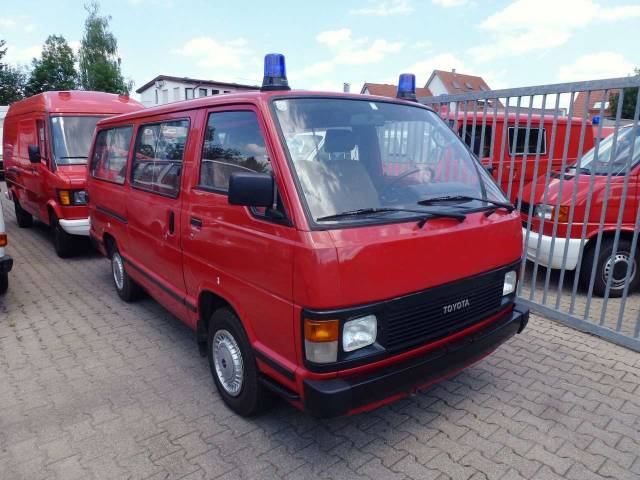
1988 | Toyota Hiace
Toyota Hiace HiAce Bus LH60, 9-Sitzer, 1.Hand, Oldtimer
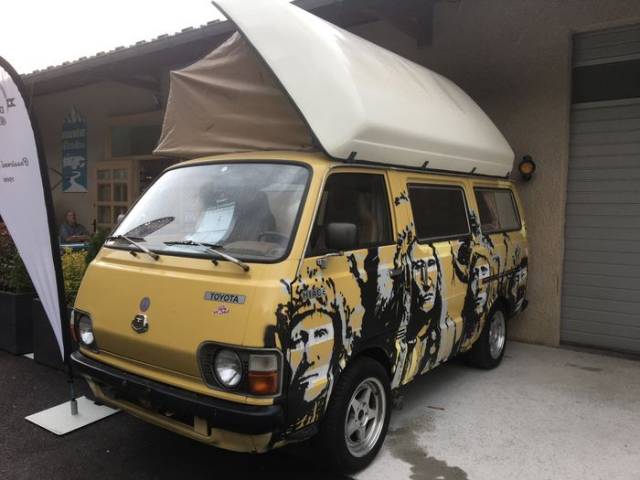
1980 | Toyota Hiace
Create search alert
Let yourself be notified as soon as a listing is published that matches your search filters.
Create listing
Do you have a Toyota Hiace that you want to sell? Then create a listing now.
Create listingToyota Hiace Classic Cars: Prices & Market Values
History of the Toyota Hiace
Introduced in October 1967, the Toyota Hiace established itself rapidly as a backbone of commercial transport and multipurpose utility in many regions. The Hiace was developed to provide a highly adaptable platform; originally, it was available as a simple panel van, then expanded to include minibus, pickup, ambulance, and even taxi variants. Throughout its production, the Hiace maintained a reputation for mechanical reliability and practicality, making it a workhorse in both urban and rural environments around the globe.
Model History
The Hiace line has seen several generations since 1967, always meeting different market demands through its evolution. Early models prioritised usability for tradespeople and commercial fleets, while subsequent versions, such as the MK2 series from the 1980s, became popular for camper van conversions—especially in Europe, where these variants remain rare finds today. Later generations refined both comfort and mechanical robustness. Each new iteration responded to changing expectations for commercial and personal utility vehicles, with variants available to suit everything from family road trips to mobile business use.
Highlights of the Toyota Hiace
The Toyota Hiace is defined by its wide range of body types, sturdy workmanship, and reliability even decades after production. Original camper interiors found in certain MK2 versions underline its enduring suitability for extended trips and mobile living. The Hiace’s reputation for low mileage relative to its age and ability to remain operational with regular maintenance are notable. Its mechanical longevity outweighs many competitors, making select variants appealing for collectors who value vehicles that still stand up to regular driving demands.
Technical Data
Special Editions and Collectible Models
Among Hiace models, factory-built campervans delivered with original camping interior from the MK2 generation are particularly noteworthy. Their rarity in Europe, combined with preserved equipment, sets them apart both from generic commercial vans and subsequent camper conversions. These original camper units are frequently sought after by collectors seeking authenticity.
Weak Spots and Common Issues
Prospective buyers should check for rust, especially in certain vulnerable body areas that may require restoration. Installed appliances and camping equipment often need servicing or repair, especially in vintage campers. Although mechanical reliability is a hallmark of the Hiace, a thorough inspection is recommended, including a personal viewing before purchase or bidding to evaluate condition beyond the usual wear and tear expected of commercial vehicles of its era.
Engine and Performance, Transmission and Handling
Hiace models were designed to meet a broad range of use cases. Engines are generally robust and designed for durability and low operating costs, with both diesel and petrol units available. Gearboxes are straightforward to service, and handling matches expectations of a rear-wheel-drive or, in some markets, four-wheel-drive commercial vehicle. The balance between weight capacity and ride comfort varies with each generation and configuration, but the focus remains on practicality and reliability. Popular models include the Hiace MK2 (notably those with original camper conversions) and the H50-H60-H70 variants, favoured for their long-standing service life and straightforward mechanics.
Interior, Comfort, Exterior and Design
Early Hiace models featured utilitarian interiors focused on durability. Later series introduced improved seat comfort and increased options for passenger configurations and accessories. Campervan variants from the 1980s often retain period-correct materials, wood or laminate cabinetry, and compact yet functional layouts designed for extended travel. Externally, the boxy silhouette is emblematic of practical Japanese design ethos—the vehicle’s lines prioritise cargo space and accessibility. Buyers may encounter special exterior trims corresponding to commercial or minibus variants and original paintwork or period-specific accessories add to each model’s charm.
Other Features
Depending on market and year, factory accessories such as additional heaters, sunroofs, or custom camper equipment were available. Period-correct options and color schemes add uniqueness to individual vehicles. Custom conversions, although not original, are common and can vary in quality and utility.
Summary
The Toyota Hiace stands out as a versatile classic, equally capable as a commercial van, camper, or people mover. Its mechanical reliability, rare original camping variants, and commanding presence in both supply and buyer interest make it an attractive proposition for enthusiasts and collectors alike. Careful inspection is essential due to potential age-related wear, but well-kept examples offer an enduringly practical classic vehicle experience.