Toyota Century Classic Cars for Sale
The Toyota Century stands as the zenith of Japanese automotive luxury, crafted almost entirely by hand for high-ranking officials, aristocrats, and discerning business leaders. Rare outside Japan, this right-hand-drive limousine boasts unique levels of refinement and features developed to satisfy the most traditional tastes. The Century’s restrained exterior hides extraordinary comfort, innovative technology, and an obsession with quiet, dignified travel—hallmarks which have defined the model without substantial change for decades.
Search results
Currently, there are no matching listings for your search.
Create search alert
Let yourself be notified as soon as a listing is published that matches your search filters.
Create listing
Do you have a Toyota Century that you want to sell? Then create a listing now.
Create listingToyota Century listing references from Classic Trader
Below you will find listings related to your search that are no longer available on Classic Trader. Use this information to gain insight into availability, value trends, and current pricing for a "Toyota Century" to make a more informed purchasing decision.
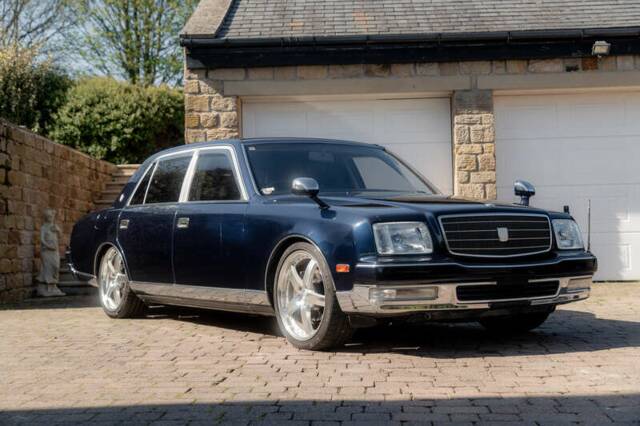
2006 | Toyota Century
2006 Toyota Century V12

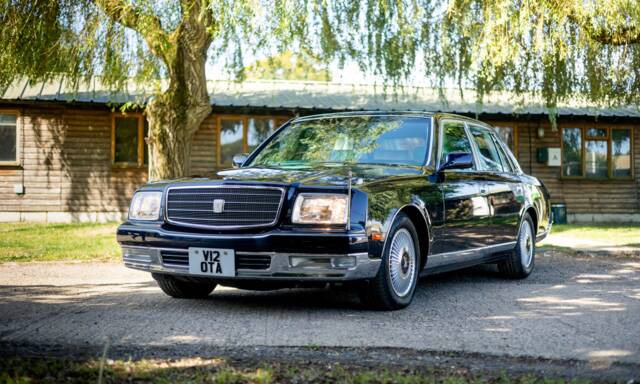
2004 | Toyota Century
2004 Toyota Century
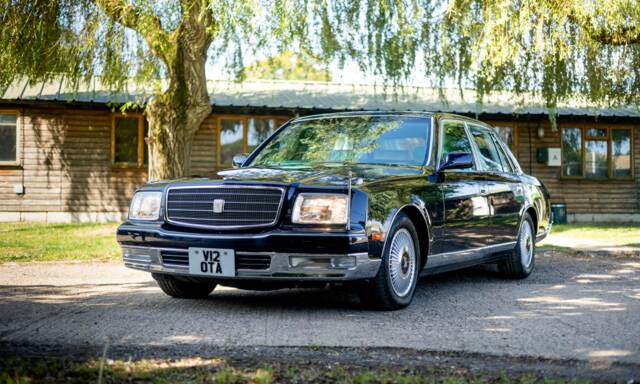
2004 | Toyota Century
2004 Toyota Century
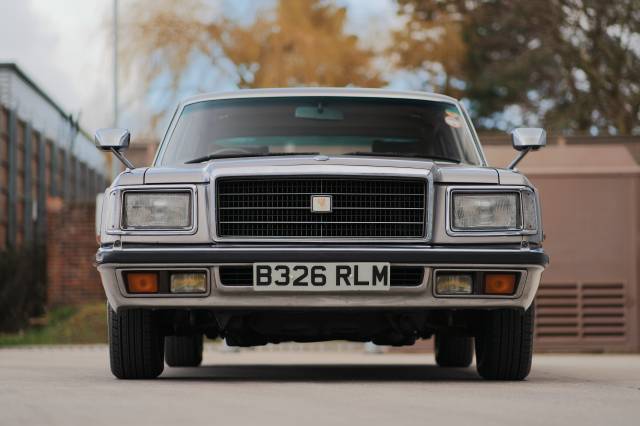
1984 | Toyota Century
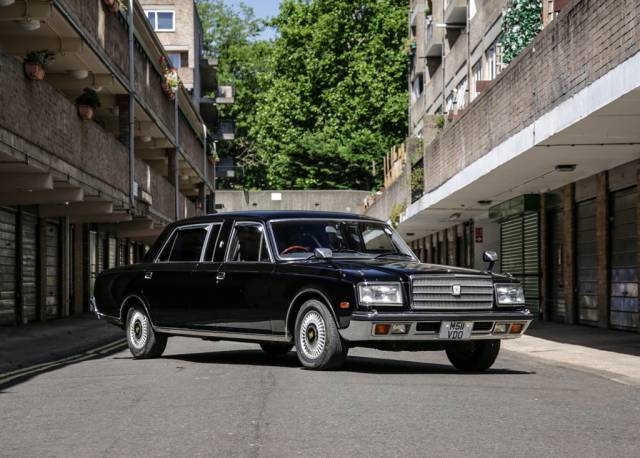
1994 | Toyota Century
Toyota Century Limousine
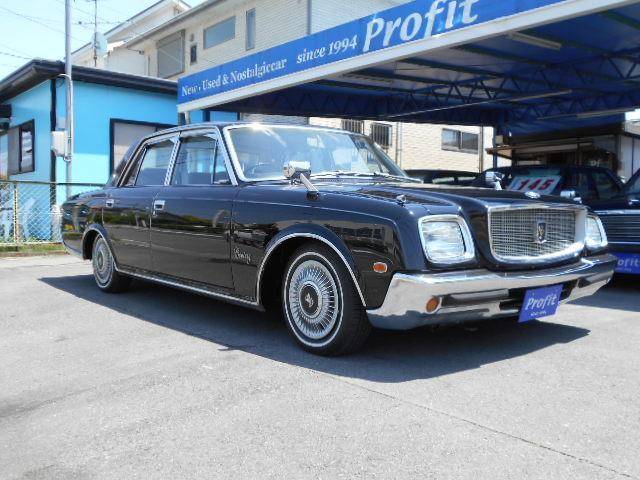
1981 | Toyota Century
Very rare Japanese

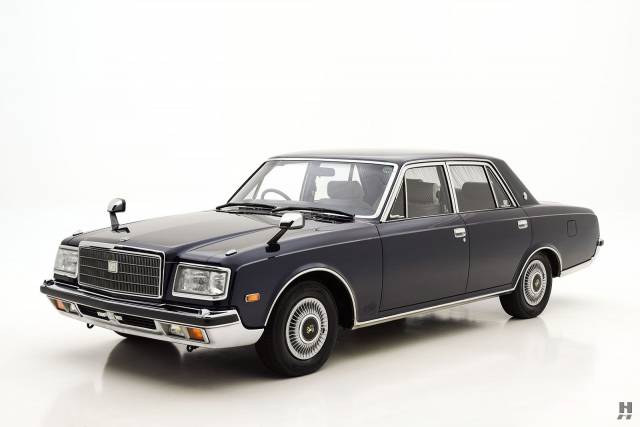
1991 | Toyota Century
Toyota Century
Create search alert
Let yourself be notified as soon as a listing is published that matches your search filters.
Create listing
Do you have a Toyota Century that you want to sell? Then create a listing now.
Create listingToyota Century Classic Cars: Prices & Market Values
History of the Toyota Century
Introduced in 1967, the Toyota Century was developed exclusively for the Japanese market as a luxury limousine that would reflect Japanese prestige and values, unconcerned with Western tastes or trends. Named in honour of Toyota founder Sakichi Toyoda’s centenary, it quickly became the choice for Japan’s imperial family, government officials, and captains of industry. For thirty years, the fundamental design and philosophy of the Century remained nearly untouched, with only subtle evolutions made until the comprehensive redesigns of 1997 and 2018. Uniquely crafted, nearly every Century was produced by Kanto Auto Works—now a specialist Toyota subsidiary—due to the vehicle’s demanding quality standards and the hand-finished nature of its assembly. The car’s exclusivity extends to its sales channels, being available only through select Toyota Stores rather than the Lexus dealerships that might otherwise represent Toyota’s global flagship models.
Model History
Across its lifetime, the Century has seen remarkably few changes in model lineage. The first generation (1967–1997) maintained a consistent style with evolutionary updates: its aluminium V8 grew from 2.6 to 4.0 litres. The second generation (1997–2017) introduced the 1GZ 5.0-litre V12, making it the only Japanese production car to use such an engine. The third and current generation, launched in 2018, modernised the design while retaining clear visual and engineering links to previous Centurys. Each generation features essential, conservative elegance and a chassis tuned for serenity; there are no true equivalents or direct successors, ensuring every Century stands apart in Toyota’s history.
Noteworthy Features and Key Figures
The Toyota Century’s reputation stems from features created specifically for Japanese luxury: quilted wool or high-grade fabric upholstery (quiet and plush, unlike the leather favoured in Western models), lace seat covers, and an array of comfort technologies dating back to the early 1970s. Innovations like power-adjustable seats front and rear, zones for front/rear climate control, electric curtains, and even soft-close boot lids and oscillating air vents are all standard. The limousine’s mahogany accents, multi-language controls, and tradition-driven option list set it apart from any Western rival. The car’s supply within the classic car market is inherently limited, as each model year’s production volume is exceptionally low. According to Classic Trader data, 60% of listed Toyota Centurys feature the “GZG” manufacturer code, and these attract 64.1% of buyer interest within the Toyota Century segment. This data signals significant demand among enthusiasts specialising in rare Japanese luxury sedans.
Technical Data
Special Editions and Collectible Models
Limited-run Century models include commemorative editions for royal events and top government postings, with exclusive colours and detailing, yet most Centurys are already built to an individually commissioned specification. Variants with rare factory paints (notably intricate multi-layer finishes), unique upholstery, or first-run examples of each engine generation are sought after by collectors who prize the smallest factory deviations.
Common Issues and Weak Points
There is currently no known list of typical weaknesses specific to the Toyota Century. Historically, the Century’s hand-crafted elements mean that wear to interior trim (especially fabric and lace), electric curtain or window mechanisms, and rare electronic features require careful inspection—many parts are unique to the Century and can be challenging to source. Regardless of its luxury positioning, regular maintenance remains essential due to the complex electronics and bespoke mechanical assemblies tailored for extreme refinement.
Engine, Performance, Transmission & Dynamics
From the outset, the Toyota Century prioritised barely perceptible engine and road noise, with initial models featuring 2.6-litre and then 4.0-litre V8s. By 1997, the Century introduced the 1GZ 5.0-litre V12—the only production V12 in Japanese automotive history. Power outputs typically range from 165 PS in early V8s to higher figures in V12s, transferred via smooth-shifting automatic gearboxes. Air suspension and power-adjustable setups were engineered to create a floaty yet controlled ride, designed for chauffeur-driven, rear-seat comfort above all else. Handling characteristics prioritise absolute smoothness and near-total isolation from external noise or vibration. Highlights: GZG50 (introduced 1997) with V12 is notable for both performance and collectability; all generations maintain a distinct emphasis on quiet and compliant ride rather than sharp handling.
Design: Interior, Comfort & Exterior Features
The Toyota Century’s design exudes formal restraint: clean, straight lines, substantial chrome, and unique C-pillar styling distinguish the profile. Distinctive elements include turbine-style hubcaps and understated yet complex multi-layer paintwork (often with a lacquered finish requiring up to seven layers). Inside, wool fabric upholstery—not leather—remains the preferred material for its superior silence and plushness. Cabins are accented with mahogany trim, lace antimacassars—a nod to classic Japanese luxury—and an array of comfort accessories seldom seen in other luxury sedans: refrigerated gloveboxes, electrically adjustable and massaging rear seats, independent climate for front/rear, and soft, thick carpets. Accessories like electric rear curtains, oscillating vents, remarkable acoustic insulation, and the signature Century emblems and crests reinforce the car's unique identity.
Other Notable Features
Unique to the Century: features such as electric 'shoehorns' (rear seat extenders), power-closing bootlids, and multi-language switches exist to offer a tailored, dignified experience for rear-seat passengers. Many comfort innovations debuted here before appearing in other luxury vehicles. The Century’s exclusivity is maintained by its almost entirely bespoke construction, with every car exceptionally customised—even in ‘standard’ trim.
Summary
The Toyota Century represents more than Japanese luxury—it’s an ongoing tribute to understated, national prestige, defined by bespoke craftsmanship and a technology suite designed for those who value refinement and privacy over ostentation. Rarely seen outside Japan, and even then mainly in right-hand-drive form, the Century is a singular presence among classic luxury cars, attracting attention from connoisseurs seeking engineering excellence and cultural authenticity.