Sunbeam Tiger classic cars for sale
The Sunbeam Tiger merges British roadster elegance with unfiltered V8 power. Developed from the Alpine and refined with American muscle, this lightweight rear-wheel-drive two-seater offers unmistakable driving pleasure and rich motorsport pedigree. A unique classic for enthusiasts who value authenticity and raw performance.
Search results
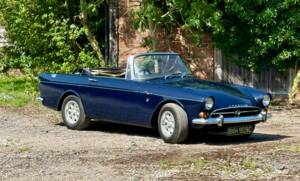
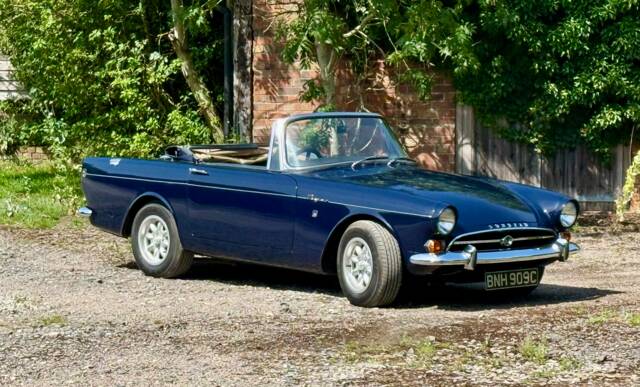
1965 | Sunbeam Tiger Mk I
Sunbeam Tiger


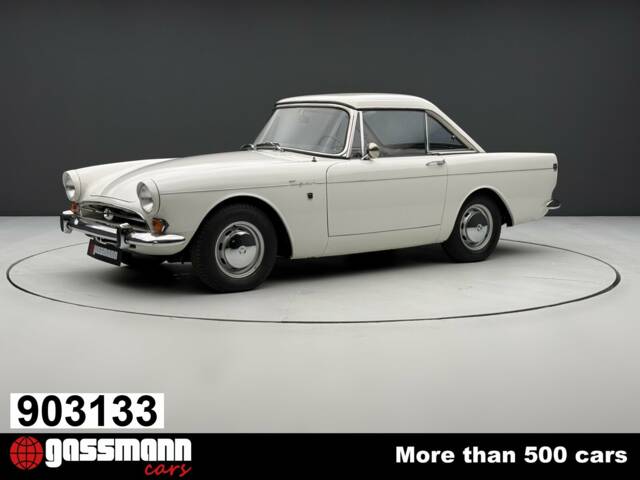
1965 | Sunbeam Tiger Mk I
Tiger Sunbeam MK 1A Roadster mit Hardtop

Auctions ending soon

Loading…
Loading…
Loading…
Loading…
Sunbeam Tiger listing references from Classic Trader
Below you will find listings related to your search that are no longer available on Classic Trader. Use this information to gain insight into availability, value trends, and current pricing for a "Sunbeam Tiger" to make a more informed purchasing decision.
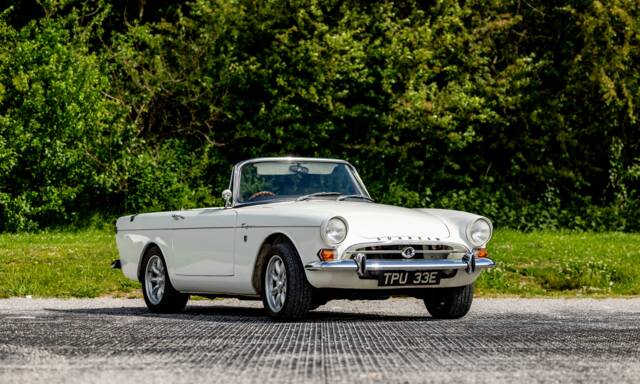
1967 | Sunbeam Tiger Mk II
1967 Sunbeam Tiger Mk. I
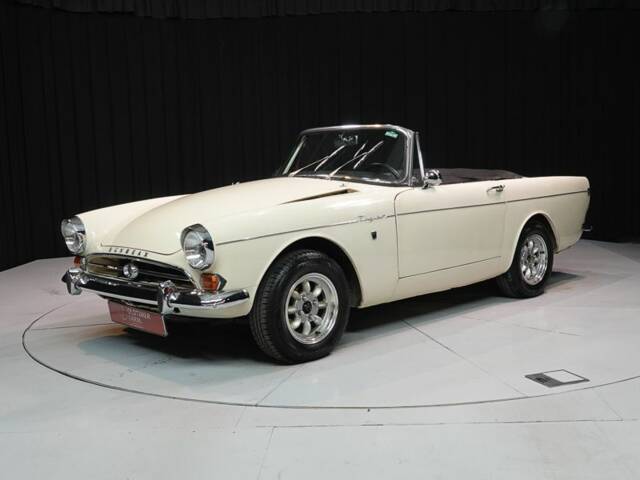
1966 | Sunbeam Tiger Mk I
1966 Sunbeam Tiger MKI '66

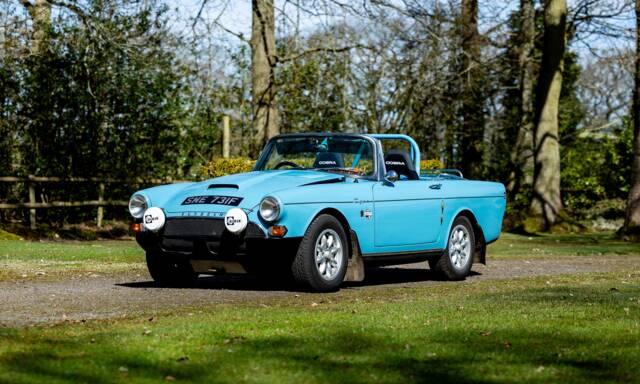
1965 | Sunbeam Tiger Mk I
1965 Sunbeam Tiger Mk. I Rally Prepared
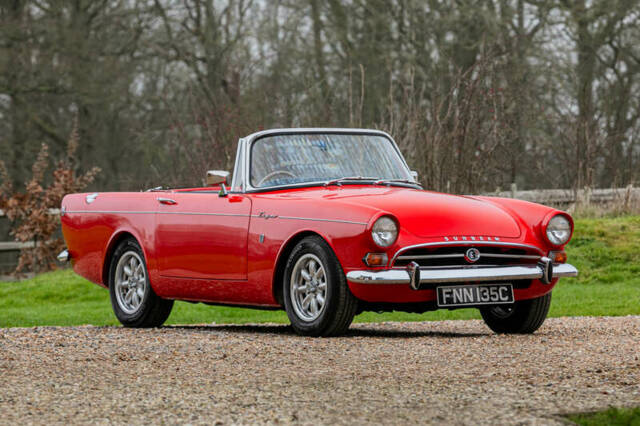
1965 | Sunbeam Tiger Mk I
1965 Sunbeam Tiger Mk1

1966 | Sunbeam Tiger Mk I
1966 Sunbeam Tiger MKI '66
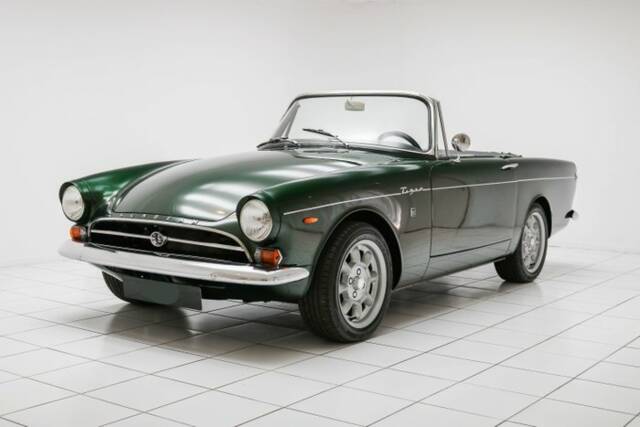
1966 | Sunbeam Tiger Mk I
Sunbeam - Tiger MK1 V8 - 1966

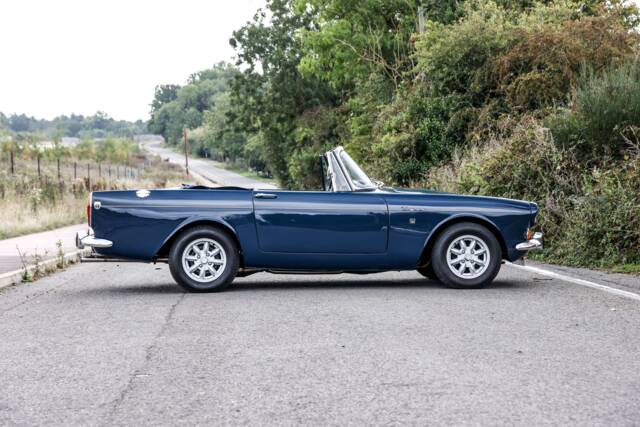
1965 | Sunbeam Tiger Mk I
UK RHD - Restored - Inc. Canvas top

1966 | Sunbeam Tiger Mk I
1966 Sunbeam Tiger MKI '66
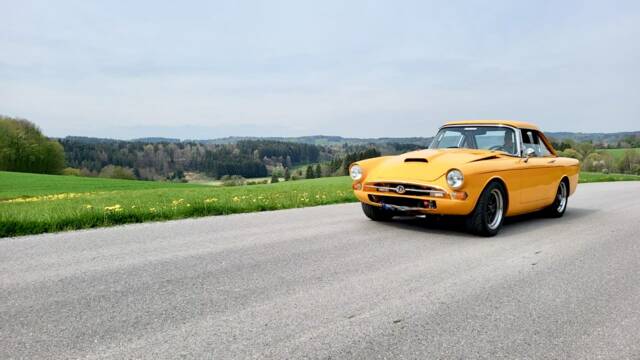
1965 | Sunbeam Tiger Mk I
302 ci road legal racing car
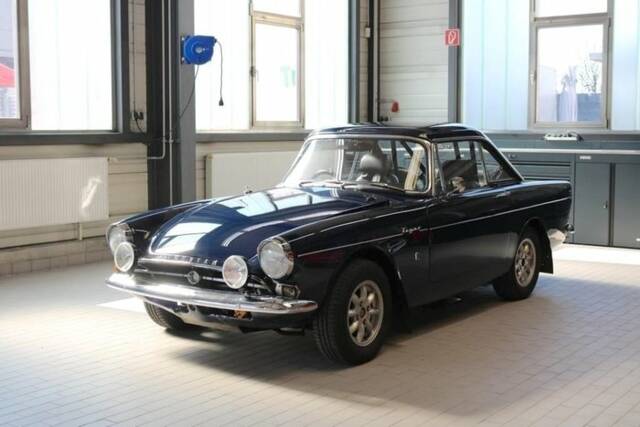
1965 | Sunbeam Tiger Mk I
Sunbeam - Tiger Mk I - RHD - 1965
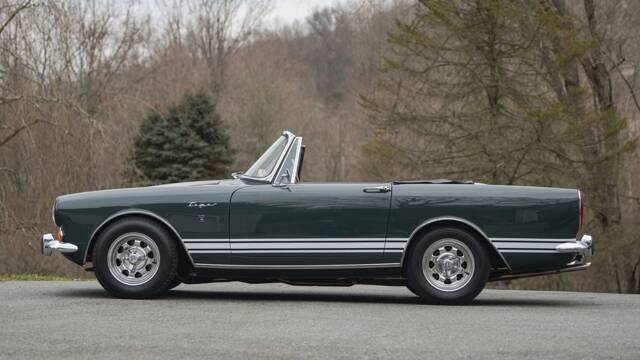
1967 | Sunbeam Tiger Mk II
1967 Sunbeam Tiger Mk II, OFFERED WITHOUT RESERVE
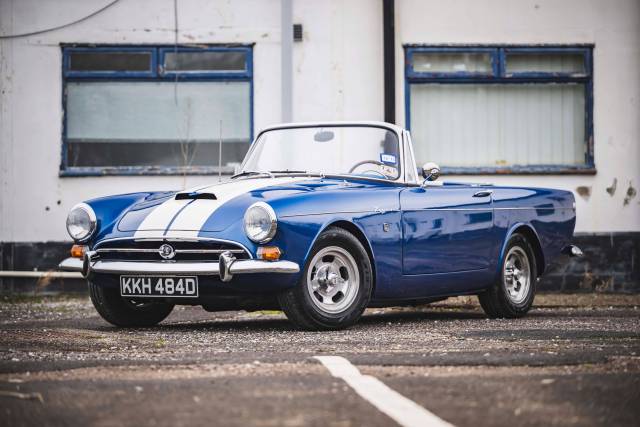
1966 | Sunbeam Tiger Mk I
Iconic Anglo-American V8 Sports Car
Sunbeam Tiger Classic Cars: Prices & Market Values
History of the Sunbeam Tiger
The Sunbeam Tiger was born in 1964 when Rootes Group sought to inject true performance into the Sunbeam Alpine. American input was central: Carroll Shelby, famed for his AC Cobra project, gave the Tiger its beating heart—a Ford V8. Crafted by Jensen in West Bromwich, production ran until 1967. The Tiger's story saw rapid development and a brief motorsport stint, including entries at Le Mans and drag racing successes. Its legacy is tied to the transition of Rootes to Chrysler, ending Tiger production after about 7,080 units as Chrysler lacked a viable engine to continue the line.
Model History
The Tiger's journey began where the Sunbeam Alpine left off. The earliest Mark I featured a 260 cu in (4.3L) Ford V8. A smaller run, Mark II, upgraded to a 289 cu in (4.7L) engine, elevating output and rarity—only 536 of these were made. Enthusiasts sometimes label intermediate late Mark I cars as 'Mark IA'. The Tiger's immediate predecessor was the Alpine, while no direct successor followed, as Rootes—by then under Chrysler's control—halted sports car production.
Highlights and Particulars
The Tiger is a true driver's car: American V8 in a compact British chassis, rear-wheel-drive and a sense of hidden muscle. Designed for both road and circuit, Tigers entered Le Mans and Dragster championships. Its minimalist construction resulted in a curb weight near 1,000 kg, ensuring agile responses matched with impressive acceleration. Today, most Tigers have been modified for better cooling or racing, but original cars remain valued for their historical purity.
Technical Data
Special Models and Limited Editions
The rarest Tiger is the Mark II, with only 536 units produced, featuring a more powerful 289 cu in Ford V8 and design tweaks. Some Tigers wore unusual original colours such as 'Forest Green' and 'Mediterranean Blue.' Authenticity can be proven with certificates like FIVA or Originalitätsbestätigungen from STOA USA and STOC UK.
Weak Spots and Common Issues
Typical trouble spots include engine bay heat management, corrosion—especially at the sills, floors, and suspension mounts—and a cramped engine compartment making maintenance challenging. Many Tigers have undergone race-oriented modifications, affecting originality and upkeep. Potential buyers should inspect for correct bodywork, hidden rust, healthy cooling, and original drivetrain components.
Engine, Performance, Transmission and Handling
The Tiger blends lightweight British sports car construction with visceral Ford V8 performance. The result is strong acceleration and a rousing soundtrack, let down only by the confines of its chassis and basic rear suspension. Most Tigers use a four-speed manual, though enthusiasts have retrofitted five-speed units. Handling remains direct and communicative, but heat dissipation and braking require attention under demanding driving—especially in pre-‘disc’ cars. Notable models include the Sunbeam Tiger Mark I (4.3L V8, ~164 PS), and the sought-after Mark II (4.7L V8, ~200 PS, limited to 536 units). Both were eligible for historic motorsport events (Tour Auto, Eifel Classic, Spa 6h, etc.) and frequently upgraded for motor racing with improved brakes, suspension, and cooling.
Interior, Comfort, Exterior and Design
Sunbeam Tigers exhibit traditional British roadster lines: low waistline, compact proportions, and a functional cockpit. Standard features included both soft and hard tops (with neatly stowing softtops in early cars), bolstered bucket seats, and simple but legible instrumentation. Popular accessories: tool kit, spare wheel, and period-correct wheels. Early Tigers borrowed Alpine Series IV/V bodies; both exterior trim and paint codes offer clues to originality. Distinctive wheel arches and bonnets occasionally housed vents for improved cooling. Rare original colours such as Forest Green and Mediterranean Blue highlight a colourful palette for collectors.
Further Details and Motorsport Heritage
Throughout their short production, Tigers participated in rally and circuit events—a rare sight at Le Mans (1964, 1965) and regulars at championship sprints. Their presence at modern historic races confirms enduring interest. Due to frequent upgrades and modifications, documentation like FIVA or UK STOC certificates is important for authenticity.
Summary
The Sunbeam Tiger combines a distinctly British roadster character with American performance engineering, resulting in an unmistakable classic for purist drivers. Rarity, historical motorsport links, and a robust upgrade scene contribute to its unique appeal. Maintenance and originality are key concerns—all Tigers listed on our platform reflect the full span of Sunbeam’s classic car market.