- Car
- Steyr-Puch
- Steyr-Puch 500 (2 offers)
Steyr-Puch 500 classic cars for sale
The Steyr-Puch 500 combines Austrian engineering with Italian style, making it a unique small car from the late 1950s. Its distinctive boxer engine, compact design, and practical features mark it as an individualistic alternative to typical microcars of its period.
Search results
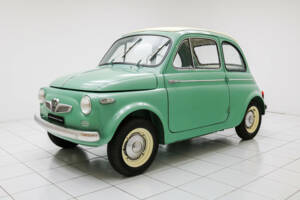
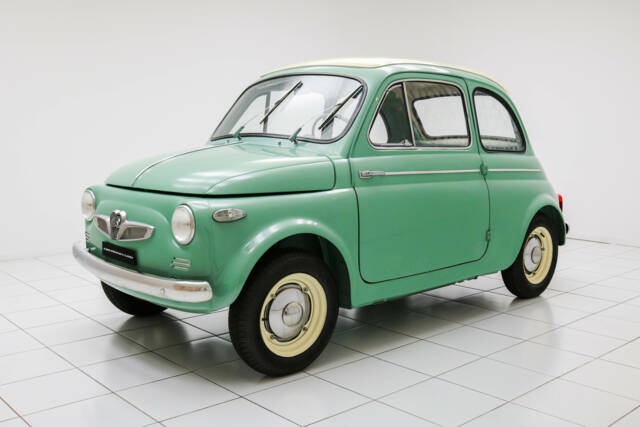
1960 | Steyr-Puch 500 D
Suicide doors – Restored – Matching

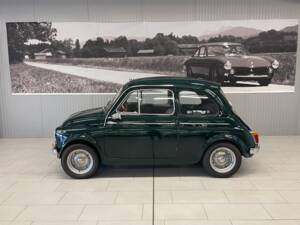
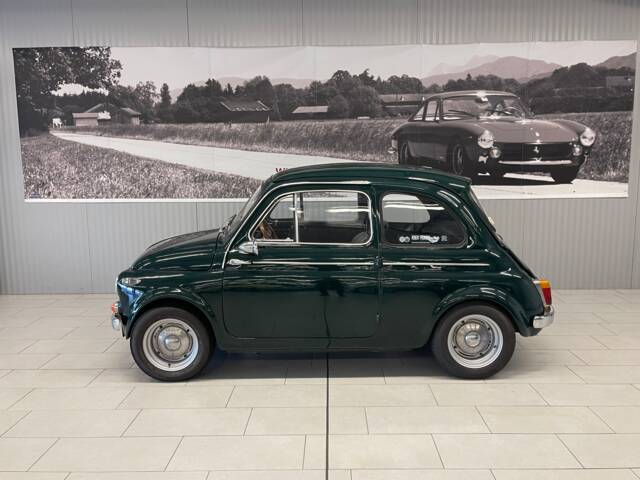
1959 | Steyr-Puch 500 D
Steyr-Puch 500 D1 - Rennsemmel in British Racing Green

Auctions ending soon

Loading…
Loading…
Loading…
Loading…
Steyr-Puch 500 listing references from Classic Trader
Below you will find listings related to your search that are no longer available on Classic Trader. Use this information to gain insight into availability, value trends, and current pricing for a "Steyr-Puch 500" to make a more informed purchasing decision.
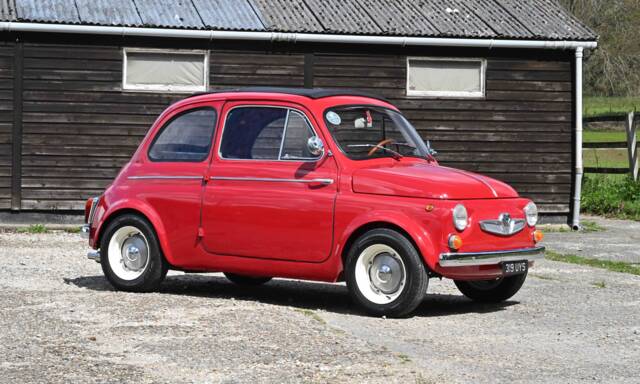
1962 | Steyr-Puch 500 D
1962 Steyr-Puch 500 D

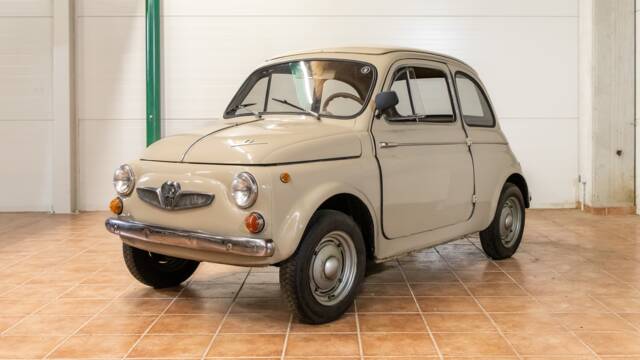
1960 | Steyr-Puch 500 D
Austrian answer to the Fiat 500 with independent technology

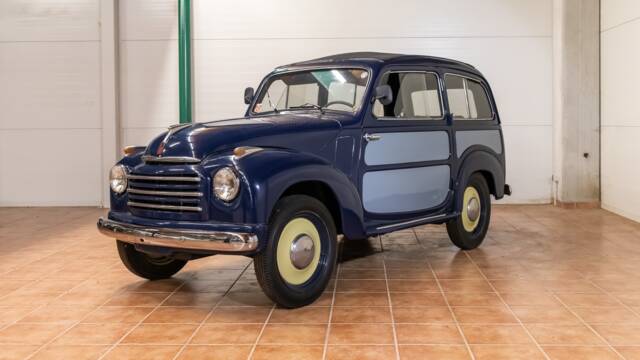
1955 | Steyr-Puch 500 C Belvedere
Stylish classic from Austrian automobile production
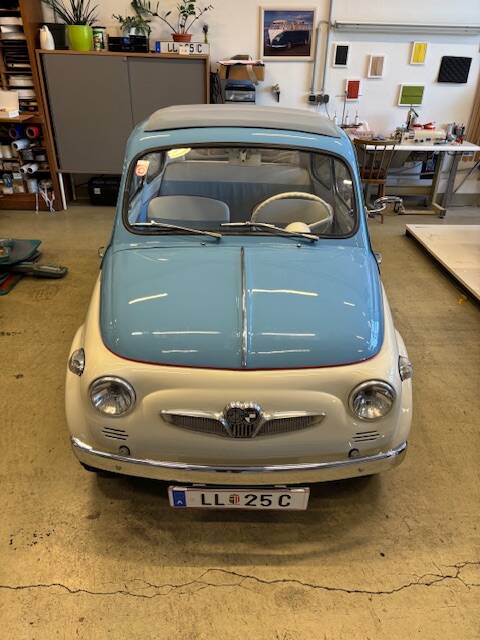
1959 | Steyr-Puch 500
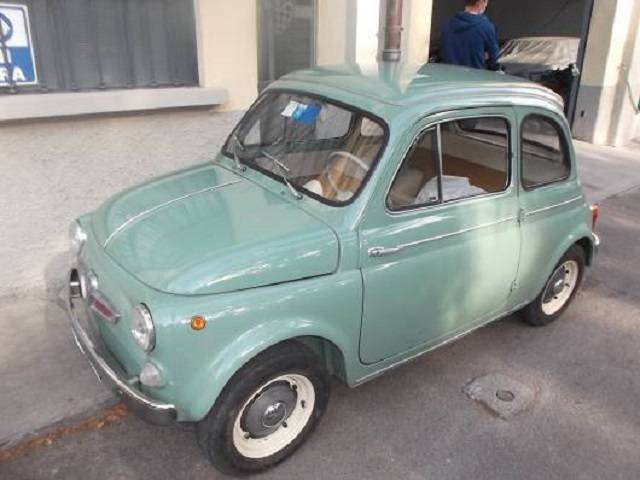
1962 | Steyr-Puch 500 D

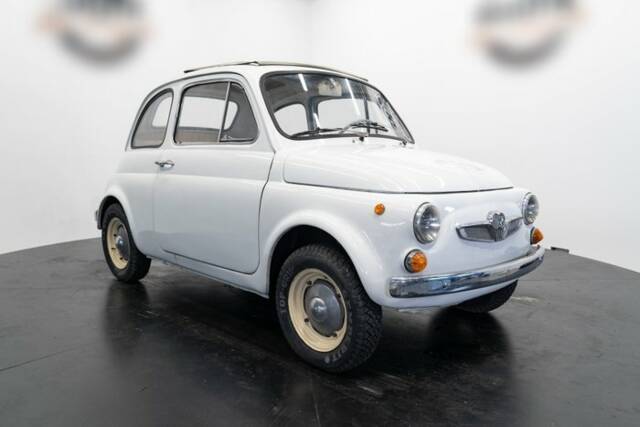
1967 | Steyr-Puch 500 D
Steyr Puch - 500 D - 1967
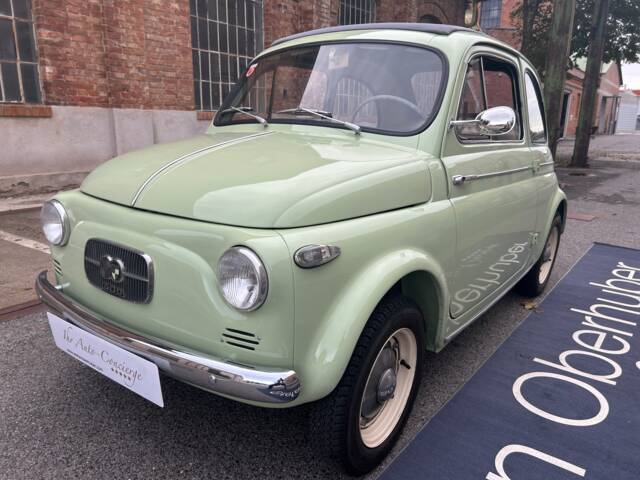
1958 | Steyr-Puch 500
Top restored funcar!
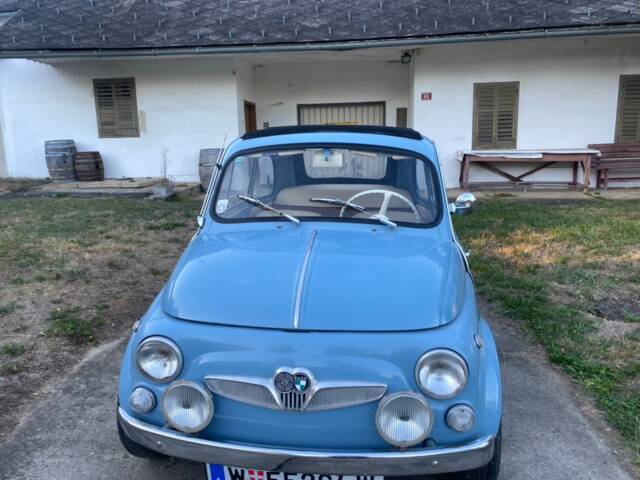
1962 | Steyr-Puch 500 D
Probably the fastest Puch far and wide
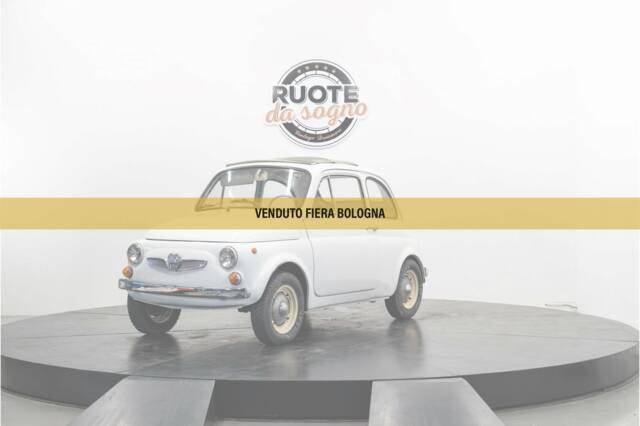
1967 | Steyr-Puch 500 D
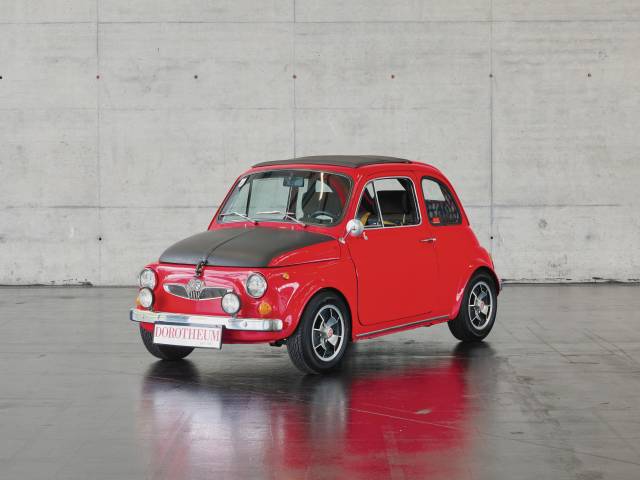
1972 | Steyr-Puch 500 S
1972 Steyr Puch 500
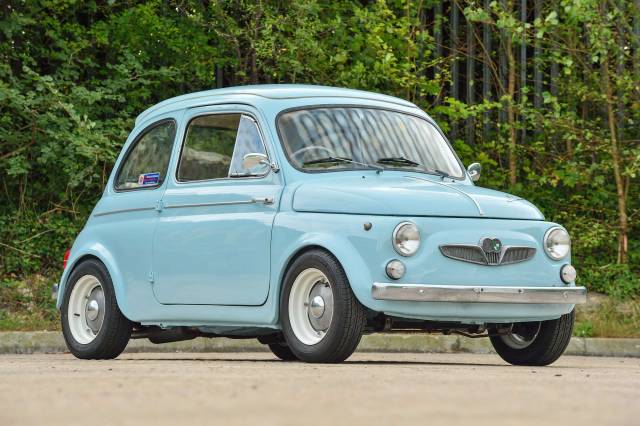
1960 | Steyr-Puch 500 D
1960 Steyr-Puch 500D ●
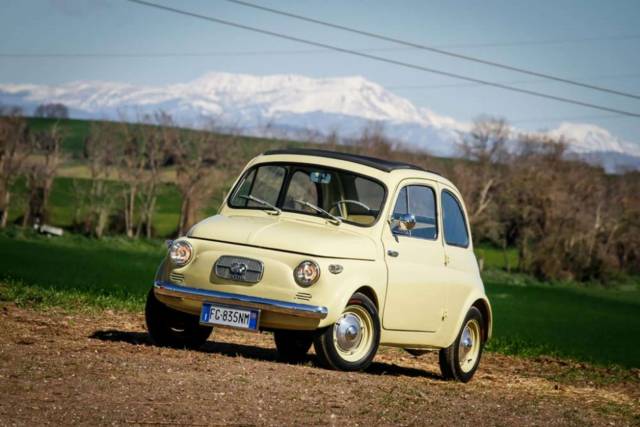
1958 | Steyr-Puch 500
1958 Steyr-Puch 500
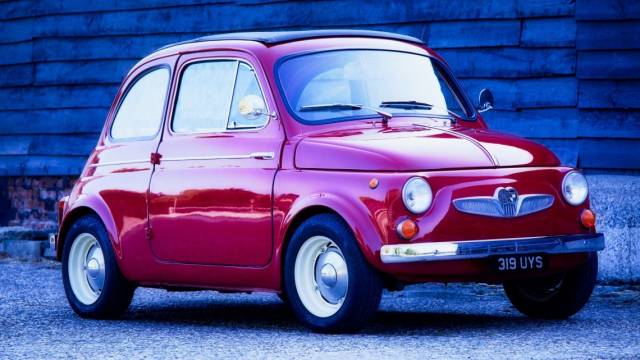
1962 | Steyr-Puch 500 D
Steyr-Puch 500 Classic Cars: Prices & Market Values
History of the Steyr-Puch 500
The Steyr-Puch 500 emerged in 1957, a time when mobility was a growing priority in post-war Austria. To keep development costs low, Steyr-Puch based the car’s bodywork on the Fiat Nuova 500 but differentiated it mechanically. The Austrian-built 500 had a 16 hp, air-cooled, two-cylinder boxer engine contrasting the Fiat’s inline arrangement. Its advanced manual transmission provided noticeable advantages on hilly Austrian roads—a feature particularly appreciated by contemporary drivers. In 1959, the Fiat body shell, including the roof, was fully adopted, further unifying the Italian and Austrian models. By 1969, Steyr-Puch integrated even more Fiat mechanical components, retaining only the engine as a Steyr-Puch specialty. Production continued until the early 1970s, with rare boxer-powered Fiat 126 models built for a brief time after the main run ended.
Model History
The first Steyr-Puch 500 rolled off the line in autumn 1957, quickly receiving a facelift in 1958 that introduced roll-down windows, decorative stripes, and an upgraded interior. Over 60,000 units were constructed, making it a significant model in Austria's motoring history. Its successor at Steyr-Puch’s plant was a short-lived boxer-engined Fiat 126, while the spiritual successor in Europe was the continued lineage of Fiat city cars.
Distinctive Features and Statistics
The Steyr-Puch 500 stands out with its rear-hinged doors (often called 'suicide doors'), a retractable soft-top, and abundant chrome flourishes unique to this version. Its cream steel wheels and roomy interior differentiate it from its Italian counterpart, thanks to a compact boxer engine and clever undercarriage engineering, enabling it to seat four adults comfortably. Nicknamed 'Pucherl' in Austria, it became a fixture of the nation's post-war motorisation. Today, surviving examples are scarce, often held in private hands, and have achieved near-mythical status for fans. A special commemorative stamp issued for its 50th anniversary highlights its cultural footprint.
Technical Data
Special Editions and Collector’s Models
Although there were no official factory special editions, various facelifts and detail changes such as upgraded interior trim and new colour combinations appeared over the production run. Unofficially, yellow Steyr-Puch 500s are highly sought after by model collectors, despite never being offered in that shade from the factory. The 50th-anniversary Austrian postage stamp is a nod to the model's enduring status. Unique vehicles fitted with the boxer engine into Fiat 126 shells are also of particular interest to specialists.
Engine, Driving, and Handling
The Steyr-Puch 500’s air-cooled boxer engine delivers its 16 hp smoothly, and the well-designed manual gearbox is particularly suited to mountainous and winding roads. Thanks to its lightweight construction and responsive steering, the car handles everyday scenarios competently and can comfortably support taller drivers up to 190 cm. Driving comfort is enhanced by the generous interior space, which accommodates four adults—a rarity in this class. Braking and cornering are solid for its time, with the car excelling both on city streets and country roads. Key variants of note include early 500 models with distinctive design elements such as rear-hinged doors and later post-1958 facelift cars with upgraded windows and interiors.
Design, Comfort, and Accessories
The Steyr-Puch 500’s design is shaped by practical decisions: using the Fiat shell for cost efficiency, but augmenting it with exclusive details like a foldable soft-top, quality chrome trim, and unique interior choices, including beige upholstery. Flank stripes and the elegant steering wheel add visual interest, while the low-set rear axle yields more passenger space. Accessories range from period-correct radios to additional chrome elements. Its minimalist dashboard features the essentials: speedometer, indicator lever, and simple control switches, all reflecting the era's functional design approach.
Other Notable Features
The Steyr-Puch 500 frequently features the affectionate nickname 'Pucherl' in Austria. A variety of spare and restoration parts remain available, especially rubber seals and chrome details, easing the restoration process for enthusiasts. Model-building kits and miniatures have kept the 500 alive in popular imagination, with certain versions (such as yellow-bodied die-cast models) particularly prized among collectors.
Summary
The Steyr-Puch 500 occupies a special position in Austrian automotive history, distinguished by its boxer engine, adaptable design, and enduring cultural resonance. Its limited total production and even rarer preservation mean it appeals to enthusiasts seeking a genuinely different classic city car experience.