SIMCA 1308 classic cars for sale
The SIMCA 1308 brought French ingenuity to the family car segment in the late 1970s with its innovative hatchback layout and practical design. Known for spacious interiors and advanced technical details for its time, the 1308 stands out among SIMCA's offerings. Discover what set this model apart from its competitors.
Search results
Currently, there are no matching listings for your search.
Create search alert
Let yourself be notified as soon as a listing is published that matches your search filters.
Create listing
Do you have a SIMCA 1308 that you want to sell? Then create a listing now.
Create listingSIMCA 1308 listing references from Classic Trader
Below you will find listings related to your search that are no longer available on Classic Trader. Use this information to gain insight into availability, value trends, and current pricing for a "SIMCA 1308" to make a more informed purchasing decision.
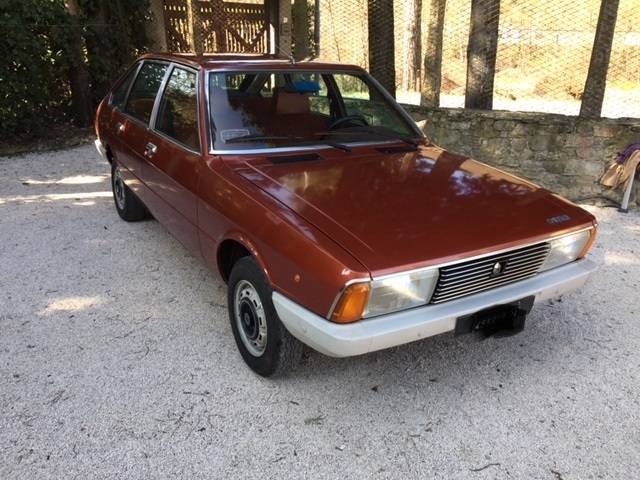
1976 | SIMCA 1308 GT
KM 14.000 ORIGINALISSIMI

Create search alert
Let yourself be notified as soon as a listing is published that matches your search filters.
Create listing
Do you have a SIMCA 1308 that you want to sell? Then create a listing now.
Create listingSIMCA 1308 Classic Cars: Prices & Market Values
History of the SIMCA 1308
Launched in 1975, the SIMCA 1308 marked a turning point in European mid-size cars by embracing a hatchback architecture at a time when conventional saloons still dominated the market. Developed under Chrysler Europe, the 1308 replaced the popular SIMCA 1100-based models and gained attention for its aerodynamic silhouette and thoughtful space utilisation. The car was built in Poissy, France, and targeted buyers seeking comfort and innovation in daily driving, reflecting the changing expectations of drivers in the 1970s. Its arrival coincided with the shift of SIMCA into the hands of PSA Peugeot Citroën, which later influenced the brand's direction.
Model History
The SIMCA 1308, internally known as the 'Chrysler Alpine' in certain export markets, follows the SIMCA 1100 as a modernisation effort for the marque's middle class range. Production spanned from 1975 to the early 1980s, with successors emerging under the Talbot brand after PSA's acquisition. Key updates during its run included subtle design changes and trim upgrades reflecting market trends. The 1308 shared platforms and engines with its siblings, the 1307 and 1309, representing SIMCA’s effort to diversify its lineup while retaining strong value propositions.
Highlights of the SIMCA 1308
Unique among contemporaries, the 1308 offered features like a five-door hatch configuration with ample luggage space, independent suspension, and a focus on driver and passenger comfort uncommon in its class. The model grew a reputation for its soft ride and practical day-to-day usability, setting new expectations for European family cars in the late 1970s.
Technical Data
Special Editions and Collectible Models
Throughout its production, the SIMCA 1308 was available in Deluxe or 'S' trims, which featured upgraded interiors, improved instrumentation, and occasional aesthetic packages. The rare 'GLS' and later Talbot-branded equivalents carried richer upholstery, more exterior trim, and sometimes additional equipment, making them appealing to collectors seeking the highest specification of the model series.
Weak Spots and Common Issues
No specific data about weak spots was provided here. However, as with most vehicles from the 1970s, potential buyers should watch for rust in bodywork, aging electrics, and general wear to mechanical components like suspension and bushings, particularly on cars that haven't been properly maintained or restored.
Engine and Performance, Transmission and Handling
The 1308's drivetrain delivered balanced, dependable cruising performance with a focus on comfort. Its front-wheel-drive layout contributed to stable handling and confidence in varied road conditions, while the four-cylinder engines offered sufficient power and decent torque for everyday use. Manual gearboxes dominated the range, delivering direct shifting suitable for period driving expectations. Other interesting models in the SIMCA range from this era include the 1307 and 1309. These models share many components and engineering principles, with different trim or displacement offerings for varied buyer preferences.
Interior, Comfort, Exterior and Design
SIMCA 1308 interiors featured innovative dashboard layouts for their time, along with a high roofline that maximised passenger headroom. Upholstery materials ranged from vinyl to velour in upmarket editions, with select models offering extra comfort or decorative features. Externally, the car’s fastback silhouette and crisp lines set it apart from typical saloon competitors. Special options included metallic paint colours, unique interior trims, and dealer-fitted accessories like roof racks or fog lamps—highlighting the car’s versatility and practicality for families or long-distance travellers.
Other Features
The SIMCA 1308 was among the early European cars to popularise the five-door hatchback for mass-market buyers, influencing competitors and future models across many brands. Its platform supported a wide range of customisation and practical everyday solutions that appealed to a broad demographic.
Summary
The SIMCA 1308 remains significant for its pioneering hatchback design and versatility in the European car market of the late 1970s and early 1980s. Combining a focus on spaciousness, comfort, and practicality, it captured the spirit of its era and continues to attract enthusiasts who appreciate innovative design and engineering from France’s automotive past.