Rover 400 Classic Cars for Sale
The Rover 400 combines essential British engineering with reliable Honda technology, making it a notable entry among compact saloons and hatchbacks from the 1990s and early 2000s. Its collaboration roots, variety of body styles, and array of engines make the 400 range a practical yet characterful classic for enthusiasts looking for affordable, everyday classics.
Search results
Currently, there are no matching listings for your search.
Create search alert
Let yourself be notified as soon as a listing is published that matches your search filters.
Create listing
Do you have a Rover 400 that you want to sell? Then create a listing now.
Create listingRover 400 listing references from Classic Trader
Below you will find listings related to your search that are no longer available on Classic Trader. Use this information to gain insight into availability, value trends, and current pricing for a "Rover 400" to make a more informed purchasing decision.
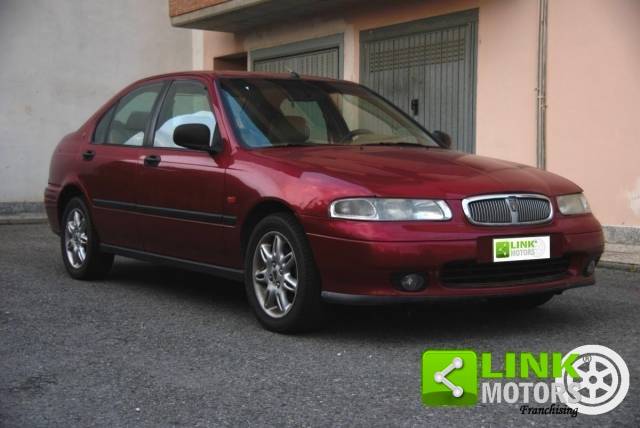
1998 | Rover 420 Di
Rover 400 2.0 Turbodiesel 4 Porte - 1998

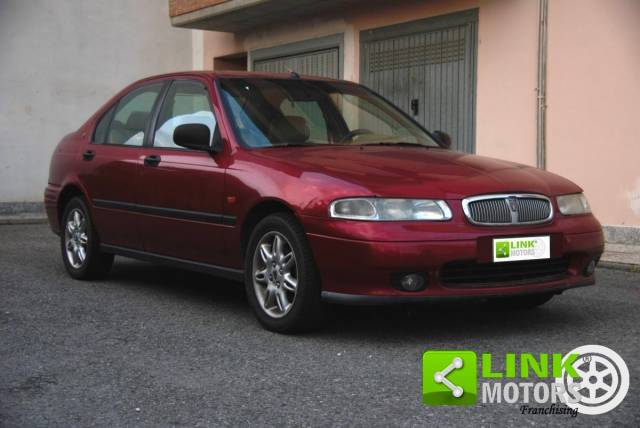
1998 | Rover 414 SLi
Rover 400 2.0 Turbodiesel 4 Porte - 1998
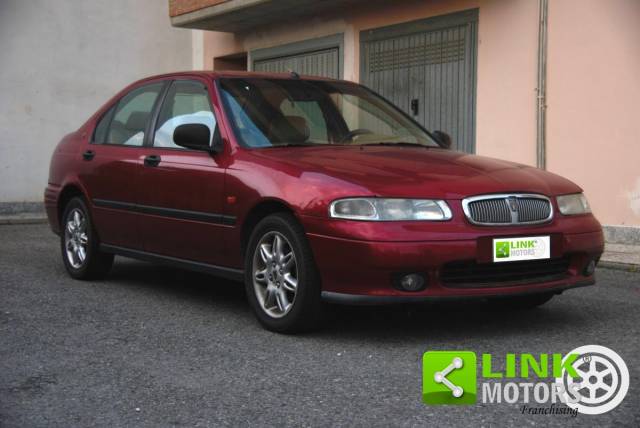
1998 | Rover 416 Si
Rover 400 2.0 Turbodiesel 4 Porte - 1998
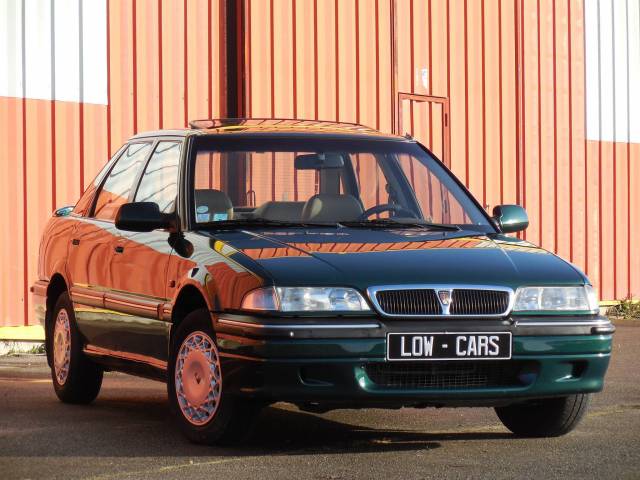
1993 | Rover 414 SLi

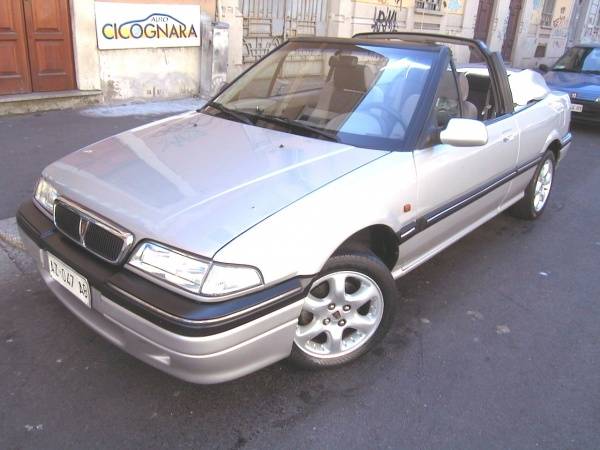
1998 | Rover 400 Convertible
416 cabrio ** whatsapp 3939578915 **
Create search alert
Let yourself be notified as soon as a listing is published that matches your search filters.
Create listing
Do you have a Rover 400 that you want to sell? Then create a listing now.
Create listingRover 400 Classic Cars: Prices & Market Values
Introduction and History of the Rover 400
Launched in 1990, the Rover 400 marked a significant step for Rover as it worked closely with Honda to produce a new generation of compact family cars. Sharing much of its underpinnings and drivetrain with contemporary Honda models, the 400 targeted buyers seeking the style and refinement of a British badge while benefitting from proven Japanese reliability. The 400 Series saw multiple updates during its lifespan (1990–2005) and later evolved into the Rover 45, cementing its place in the history of practical British motoring.
Model History
The first-generation Rover 400 (R8 series) was produced from 1990 to 1995, available as both saloon and hatchback, and based on the Honda Concerto platform. In 1995, Rover introduced an extensively revised version with roots in the Honda Domani/Civic, altering proportions and interior appointments while retaining the pragmatic partnership. The 400 series was ultimately renamed Rover 45 in 1999, aligning with newer Rover nomenclature. The 400/45's direct predecessors included the Rover 200-series saloon, while after 2005, production ended as MG Rover collapsed.
Highlights of the Rover 400
A defining trait of the Rover 400 is its solid mechanical foundation derived from Honda, paired with British styling cues and interior details. Buyers had access to a broad spectrum of engines—including the K-Series petrol, L-Series diesels, and Honda-sourced units—providing choice from economical to brisk performance. A variety of trims and options made the model adaptable; everything from basic family duty to relatively luxurious specifications was possible. Its dual-heritage also meant access to a much wider supplier base for mechanical components, aiding both running and restoration.
Technical Data
Special Editions and Collectible Models
While not widely known for limited-run special editions, certain high-spec trims, such as 400 GSi and Si models, offered uniquely styled interiors and more comprehensive equipment lists. Some late R8 400s featured special paint finishes or unique alloy wheels, aimed at keeping the model competitive against rivals. Enthusiast interest today often targets well-preserved, high-grade examples.
Engine and Performance, Transmission and Handling
Driving a Rover 400 means experiencing the fusion of British ride comfort with Honda’s precise engineering. The suspension delivers a ride tailored to UK roads, and even base models display a level of handling sophistication typical of the segment. Later versions introduced improved refinement, and the range of K-Series engines balances efficiency with usable performance. Diesels proved robust for high-mileage usage, while manual gearboxes offer a direct shift feel. Early automatics can feel slower but provide relaxing urban travel. Popular highlights include the 1.6-litre petrol (noted for its blend of power and reliability) and the 2.0-litre diesel (respected for durability). Variants fitted with Honda’s own engines enjoy a reputation for mechanical strength.
Interior, Comfort, Exterior and Design
Distinctly Rover in look and feel, the 400 provided buyers with plush seats, quality soft-touch materials, and tastefully understated design details. Some trim levels offered wood-effect dashboard inserts and optional leather upholstery, underlining Rover’s heritage for comfort and refinement. Externally, the 400 maintained a restrained, conservative appearance, with subtle chrome accents and a signature grille. Later models received updated bumpers and lighting for a fresher look. Period accessories included alloy wheels, mudflaps, sunroofs, and higher-spec audio systems.
Summary
The Rover 400 stands as an accessible entry into classic British motoring, celebrated for its Honda partnership, diverse body and engine choices, and comfort-oriented ethos. Its single-model dominance within its marketplace niche and mechanical reliability make it a practical proposition for those seeking a usable, affordable classic with character.