Rover 2200 classic cars for sale
The Rover 2200, part of the remarkable P6 series, stands out as a technically advanced mid-size saloon from the 1970s. With rear-wheel drive, an aluminium cylinder head, and practical features like stainless trim and innovative design elements, the 2200 offers durability, engineering depth and distinctive British character.
Search results
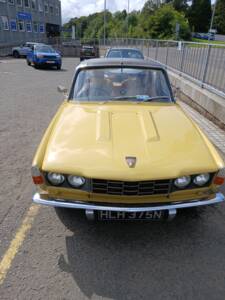
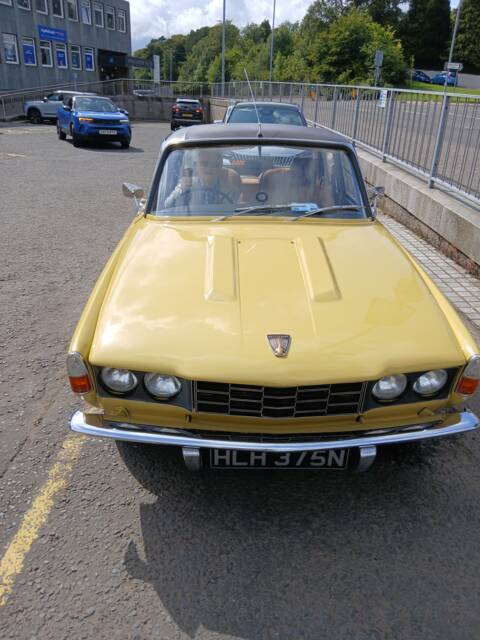
1975 | Rover 2200 SC
Rover

Rover 2200 listing references from Classic Trader
Below you will find listings related to your search that are no longer available on Classic Trader. Use this information to gain insight into availability, value trends, and current pricing for a "Rover 2200" to make a more informed purchasing decision.
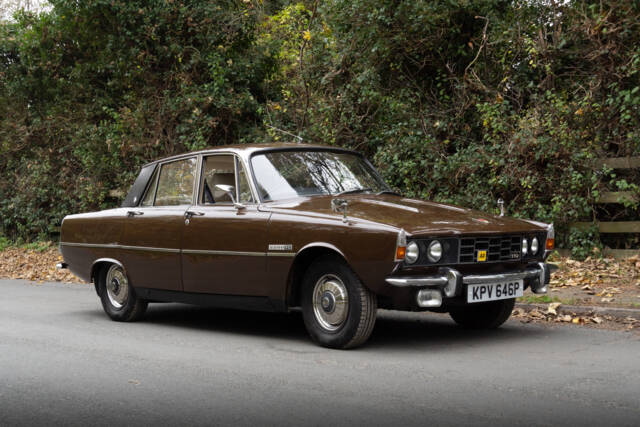
1975 | Rover 2200 TC
1975 Rover P6 2200TC
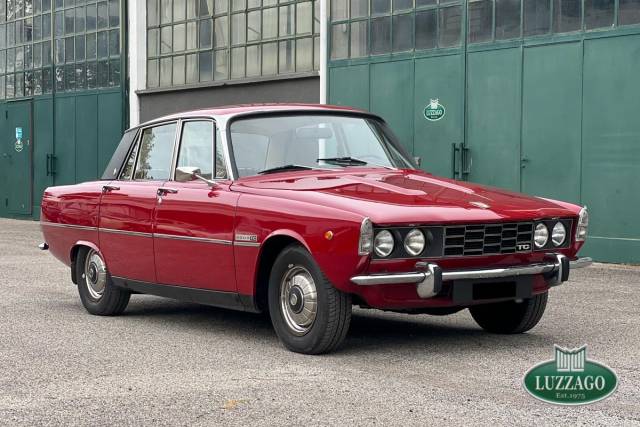
1976 | Rover 2200 TC

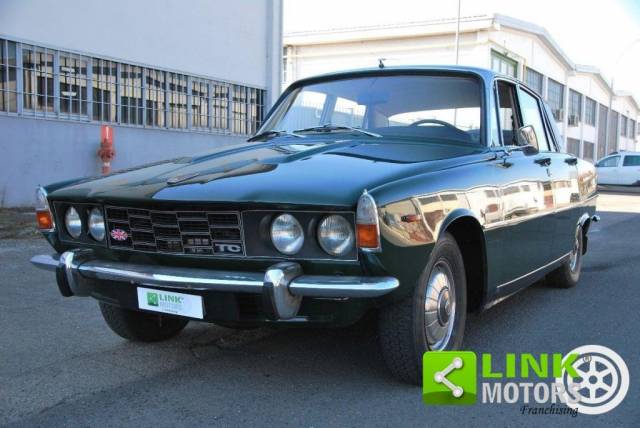
1974 | Rover 2200 TC
ROVER P6 2000 TC "Conservata Originale" - 1974
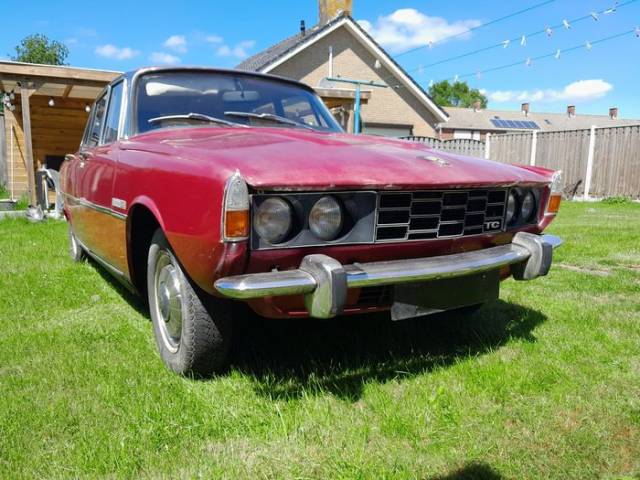
1976 | Rover 2200 TC

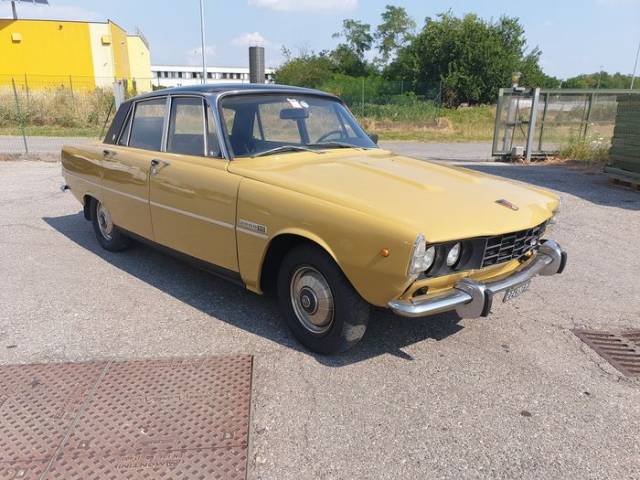
1975 | Rover 2200 TC
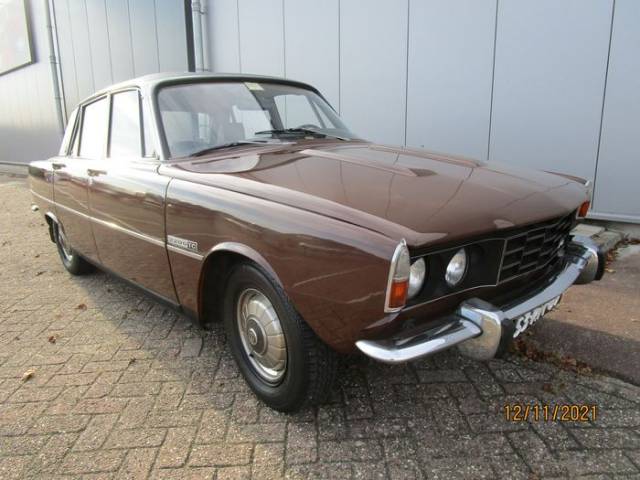
1977 | Rover 2200 TC
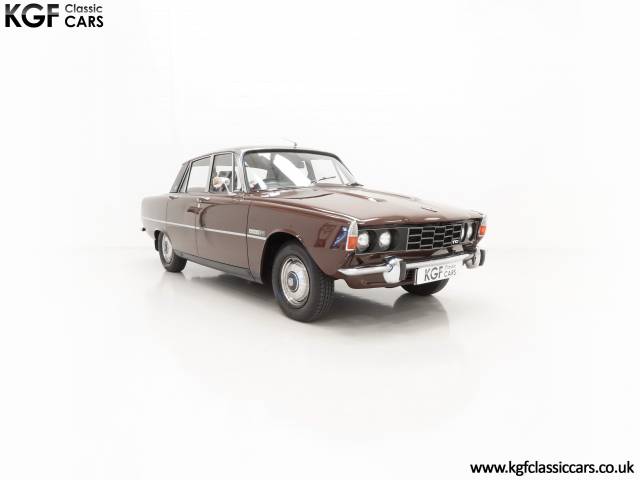
1974 | Rover 2200 TC
A Beautifully Elegant Rover P6 2200TC with Just 42,269 Miles from New.
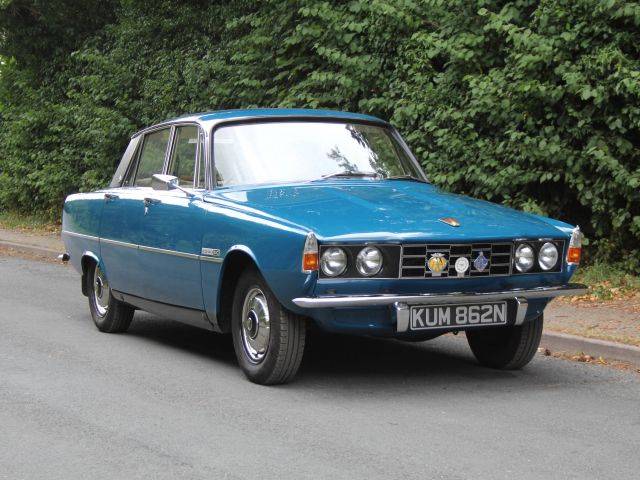
1975 | Rover 2200 SC
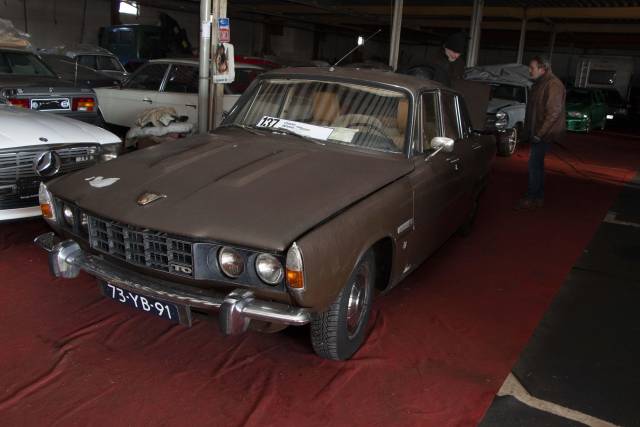
1974 | Rover 2200 TC
Rover 2200 TC 1974

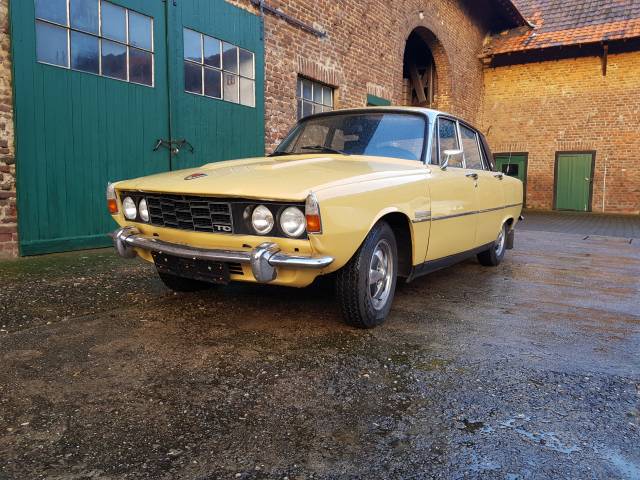
1976 | Rover 2200 TC
Rover 2200 TC P6 Anhängerkupplung

Rover 2200 Classic Cars: Prices & Market Values
Introduction and history of the Rover 2200
The Rover 2200, commonly known as the Rover P6 2200, was produced at Solihull between 1973 and 1977, representing the final evolutionary stage of the P6 lineage. The P6 series itself made its debut in the early 1960s, with the 2200 model establishing itself as a distinct successor to the earlier 2000 SC and 2000 TC variants. The name '2200' directly references the expanded engine displacement, a clear signal of the model’s aspiration towards improved performance and refinement. The P6 platform was recognised with the first-ever European Car of the Year award in 1964, cementing its historic role as a benchmark in executive saloon design. Production peaked in the UK but also found international acclaim, with vehicles exported across Europe and further afield.
Model history
Building on the technological and stylistic platform set by the Rover 2000 series, the 2200 arrived as both the SC (single carburettor) and TC (twin carburettor) models. The transition from the 2000 to the 2200 was marked by an increase in bore size, yielding a total displacement of 2205 cc while maintaining the classic four-cylinder layout. The bodywork continued with the P6’s celebrated proportions and safety-oriented monocoque structure. The 2200 was the immediate predecessor to the Rover SD1, which followed in 1976, moving away from the complex engineering of the P6 towards a more modern, streamlined package. Notably, the 2200 was offered in both right- and left-hand drive, as well as occasionally as an estate variant and as a unique Landaulet for individual commissions.
Highlights of the Rover 2200
The Rover 2200 distinguished itself with a remarkable array of equipment: from its aluminium bonnet and boot-lid to its stainless chrome trim and practical underbody corrosion protection. Equipped with Girling four-wheel disc brakes, De-Dion rear suspension, and a robust steel shell, the 2200 offered characteristics more commonly seen in larger executive models. Interior details such as double-corded, box-pleated seats, dual locking gloveboxes, a factory LW/MW radio, and a full set of engine monitoring instruments (including oil pressure and ammeter) underline the thorough approach to comfort and safety. The design’s practicality extended to boot options—either a traditional underfloor spare wheel or a vertical installation for increased luggage space. Several features, like quad-beam headlights and prismatic sidelights, were advanced for the era. Special note should be made of the unique '2200TC' badging and factory colours such as 'Mexico Brown'.
According to current supply and demand data, all Rover listings for the P6 series are for the 2200 model, making up 100% of both the available supply and demand in this segment. This reflects a focused collector interest and typically means broad parts compatibility and sustained community support for this particular version.
Technical data
Special Editions and Collectible Models
Besides the standard four-door saloon, a limited number of estate (Kombi) conversions and an ultra-rare Landaulet were made, the latter as a one-off for a French cabaret owner. Due to the high cost and minimal cargo space, estate variants are rarely encountered, elevating their interest among specialist collectors. No widely recognised factory ‘special editions’ exist for the 2200, but unique orders and coachbuilt examples provide distinct collector appeal.
Weak Spots and Common Issues
No specific weak spots documented in the provided data. That said, period reports and owner advice often highlight the importance of regular check-ups on the De-Dion rear axle, careful preservation of aluminium panels, and monitoring for electrical wear in the dashboard instruments and lighting system. Thorough protection against corrosion, especially at the steel-aluminium junctions, remains essential for longevity.
Engine and Performance, Transmission and Handling
The Rover 2200 offers a sophisticated ride, a product of its weight distribution and De-Dion rear suspension. The engine, with enlarged bore for this variant, achieves up to 124 hp (91 kW) and 183 Nm torque (TC model), giving the 2200 a top speed of around 175 km/h while maintaining relatively smooth torque delivery. Performance between the SC and TC is differentiated primarily by the use of single versus twin SU HIF 6 carburettors. The manual 4-speed gearbox is praised for its synchronisation, while Girling four-wheel disc brakes provide confident stopping. Drivers note stability at higher speeds and a level of comfort uncommon in its class during the period. - Rover 2200 TC: Known for the twin-carburettor (TC) setup delivering maximum power and increased responsiveness.
- Rover 2200 SC: Single-carburettor model, favoured for everyday reliability and lower maintenance. Both combine period-correct technical sophistication with practical usability, and parts interchange with the rest of the P6 line is extensive.
Interior, Comfort, Exterior and Design
The P6’s David Bache-designed body features both aesthetic and functional detailing: stainless exterior chrome trim, chrome ‘arrow’ roof antenna, and factory metallic hues such as 'Mexico Brown'. The interior typically uses beige or sandalwood box-pleated upholstery (highly durable), optional headrests, and ample finishing in brushed nylon or original leather. Notable are the dual gloveboxes, rotary map lamp, central roof lighting and period-correct LW/MW radio. The design includes quad-beam headlights, prismatic sidelights, unique '2200TC' badging and chromed wheel trims. Factory accessories include front headrests, cigar lighter, and original radio, plus rare factory or period alloy wheels and optional vertical spare wheel fitment for versatile boot space.
Other relevant features
Left- and right-hand drive variants were produced, supporting broad international appeal. The aluminium-intensive bodywork and solid construction have allowed these cars to better resist corrosion than many period rivals, enhancing their viability as classic daily drivers or enthusiasts’ projects. Special attention was also given to underbody waxing from the factory, and features such as waterproofed electricals and fitted over-riders on the bumpers contributed to robust real-world usage.
Summary
Rover’s 2200 P6 represents the zenith of mid-1970s British executive saloon engineering—offering a harmonious blend of technical innovation and driving comfort. Its suite of equipment, innovative suspension and safety engineering, and distinctive design ensure a strong following and lasting usability. With the full spectrum of classic factory features and occasional bespoke variants, the Rover 2200 remains a stand-out choice in the classic car market, catering to drivers who appreciate both period precision and practical refinement.