Rover 12 classic cars for sale
The Rover 12 stands out as a quintessential example of British engineering from the early to mid-20th century. Loved for its robust construction, characteristic driving comfort and features like the original ‘free wheel’, this model appeals to enthusiasts seeking period authenticity and a tangible link to motoring history.
Search results
Currently, there are no matching listings for your search.
Create search alert
Let yourself be notified as soon as a listing is published that matches your search filters.
Create listing
Do you have a Rover 12 that you want to sell? Then create a listing now.
Create listingRover 12 listing references from Classic Trader
Below you will find listings related to your search that are no longer available on Classic Trader. Use this information to gain insight into availability, value trends, and current pricing for a "Rover 12" to make a more informed purchasing decision.
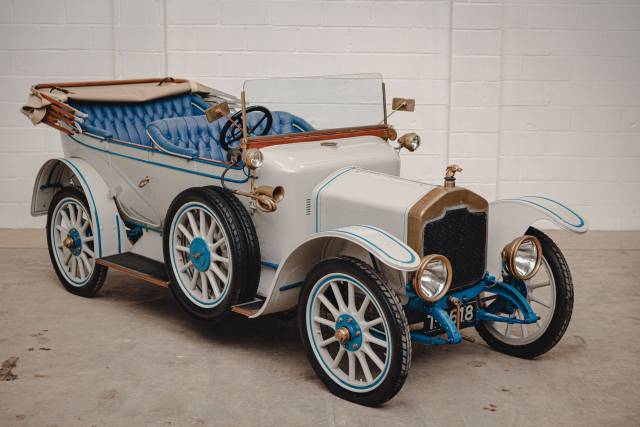
1912 | Rover 12
Edwardian Classic - Highly Collectable - Project

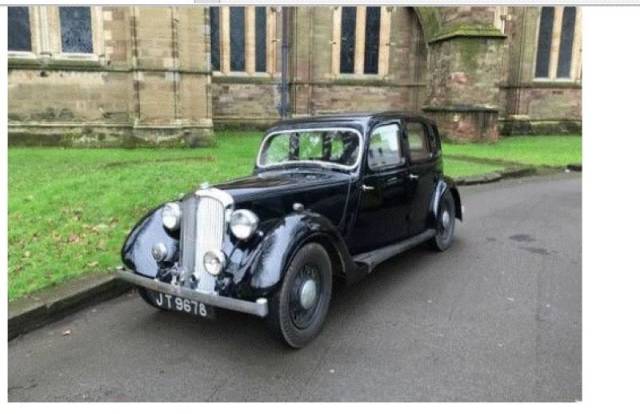
1938 | Rover 12 P2
A JOY TO DRIVE
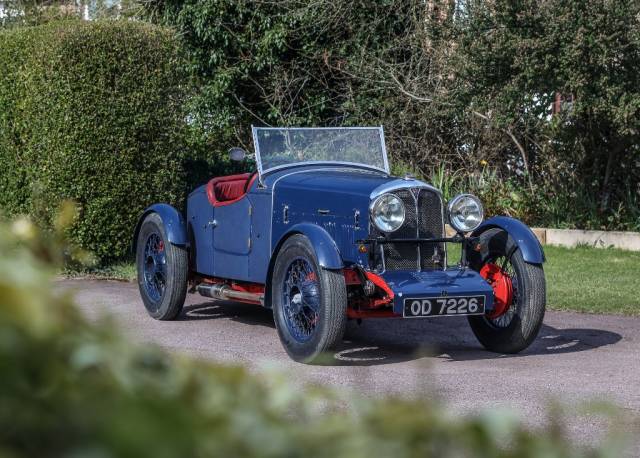
1933 | Rover 12
Rover 12 Special
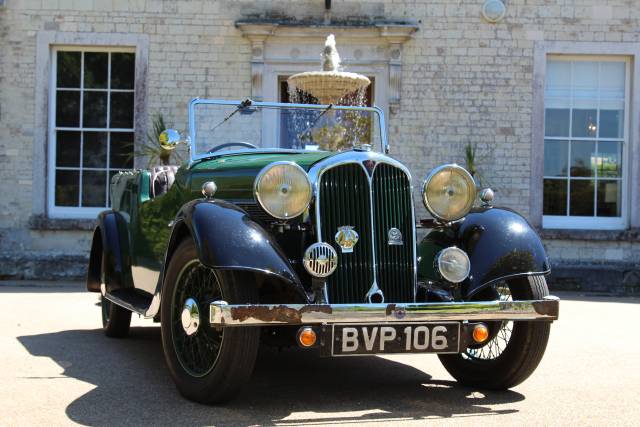
1936 | Rover 12 P2
Beautifully Preserved Rare Example
Create search alert
Let yourself be notified as soon as a listing is published that matches your search filters.
Create listing
Do you have a Rover 12 that you want to sell? Then create a listing now.
Create listingRover 12 Classic Cars: Prices & Market Values
History of the Rover 12
The Rover 12 designation was used from 1905 to 1948 for a series of medium-sized saloons from the Rover Company in Britain. Each generation reflected the evolving design trends and engineering standards of its time, with the 1930s and 1940s models embodying advanced technical solutions and typical British styling. Particularly after the war, the Rover 12 gained recognition for its reliability and sound craftsmanship, making it a choice for families and professionals alike.
Model History of the Rover 12
Throughout its production run, the Rover 12 series underwent several revisions. Early pre-war models gave way to the ‘P2’ variant in the mid-1930s, featuring improvements in suspension and engine refinement. The P2 series remained in production until 1948, after which Rover’s focus shifted towards new post-war designs. The predecessor to the 12 was generally the smaller Rover 10, whilst the successor lines transitioned to the ‘Rover 60’ series.
Highlights of the Rover 12
Key features of the Rover 12 include the signature ‘free wheel’ mechanism, a foldable windscreen, roof with sliding capability, and period-correct details such as the original crank and jack. Interior elements like the rear window blind and the durable seating offer a direct glimpse into 1930s-40s British motoring culture. The car’s mechanical reliability is underscored by its enduring engine, often retaining its original serial number, and a generally smooth ride at cruising speeds.
Technical Data
Special Editions and Collectible Models
While most Rover 12 models followed standard specifications, the P2 series (produced from 1934 to 1948) is particularly notable for its mechanical and cosmetic advancements. Some P2s were equipped with special coachwork, custom interiors, or fitments aimed at discerning buyers, representing coveted variations for collectors.
Weak Spots and Common Issues
Aged interior fittings such as carpets and floorboards frequently exhibit wear, although often remain functional. Routine maintenance issues include inspecting for corrosion—especially in the coachwork and undercarriage—while the original engine, if properly maintained, is durable. Watch out for wear on mechanical components like the free wheel hub and the sliding roof mechanism, and check the completion of prior restoration work.
Engine and Performance, Transmission and Handling
The Rover 12 is powered by a 1.5-litre four-cylinder engine that delivers smooth and steady cruising, particularly at typical touring speeds. The transmission’s signature ‘free wheel’ mode enhances driving flexibility, especially during deceleration. Thanks to balanced chassis setup and characteristic Rover refinement, handling remains controlled and predictable for its era. 1. Rover 12 P2: 1.5L, inline-four, manual gearbox, 45–50 hp, noted for improved suspension and comfort. 2. Earlier Rover 12 models: Simpler mechanics, lower power output, but equally appreciated for their reliability.
Interior, Comfort, Exterior and Design
The Rover 12 showcases classic British design cues: upright grille, round headlamps, and elegantly sculpted wings. Inside, materials like leather and durable textiles resist heavy wear, while features such as the rear window blind and sliding sunroof reflect period luxury. The fold-down windscreen, manually operated accessories (like the jack and crank), and other artisanal details highlight Rover’s craftsmanship approach.
Other relevant features
Original features like the crank and jack are still present in many examples, emphasizing the period-correct completeness valued by collectors. The persistence of the original engine number, folding rear rollo, and functional free wheel system collectively contribute to the authenticity and appeal of well-preserved vehicles.
Summary
The Rover 12 combines robust build quality, advanced engineering for its era, and distinctive period features. With a majority presence in classic Rover listings and a strong following among enthusiasts, the 12—particularly the P2 variant—remains a noteworthy choice for collectors valuing authenticity and British automotive heritage.