Renault Monasix – Buy Classic Cars
The Renault Monasix, produced between 1927 and 1932, established itself as a practical small family car that balanced affordability with several technical refinements for its era. Thanks to its robust build, six-cylinder engine, and a mechanical servo brake system usually reserved for more expensive models, the Monasix found use not just among families, but also widely in taxi fleets. Its design cues and innovations left a clear mark on Renault’s later models.
Search results
Currently, there are no matching listings for your search.
Create search alert
Let yourself be notified as soon as a listing is published that matches your search filters.
Create listing
Do you have a Renault Monasix that you want to sell? Then create a listing now.
Create listingRenault Monasix listing references from Classic Trader
Below you will find listings related to your search that are no longer available on Classic Trader. Use this information to gain insight into availability, value trends, and current pricing for a "Renault Monasix" to make a more informed purchasing decision.
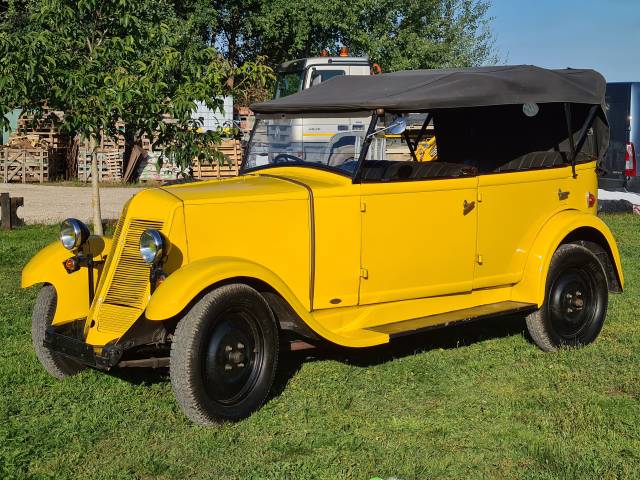
1930 | Renault Monasix
Te Koop Renault Torpedo Monasix

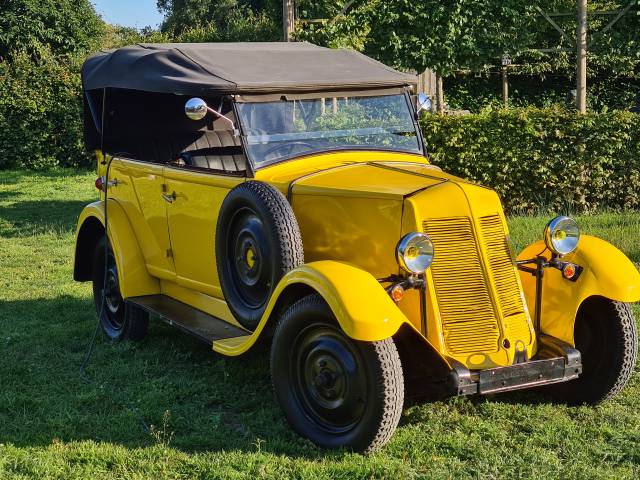
1930 | Renault Monasix
Te Koop Oldtimer Renault Monasix Torpedo
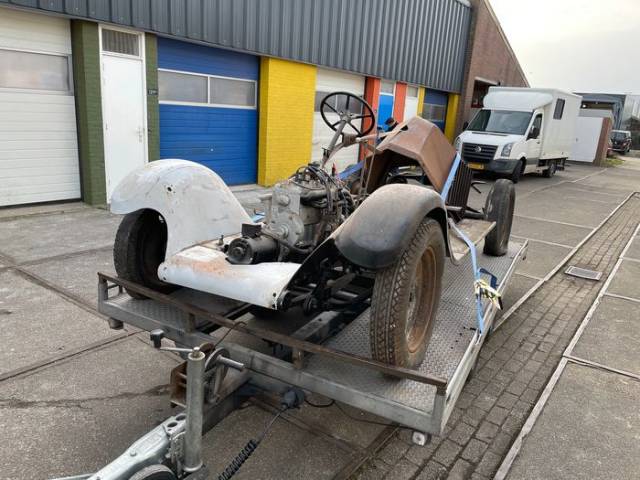
1926 | Renault Monasix

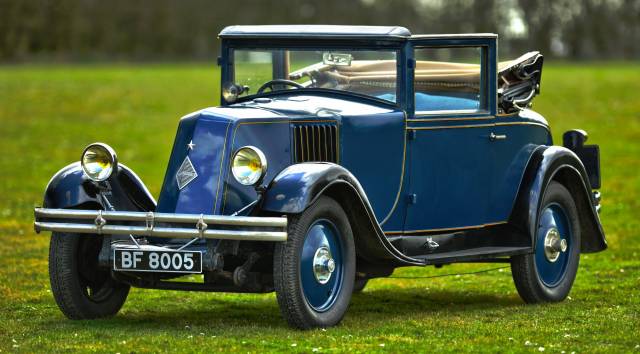
1927 | Renault Monasix
By Mauguy of Paris

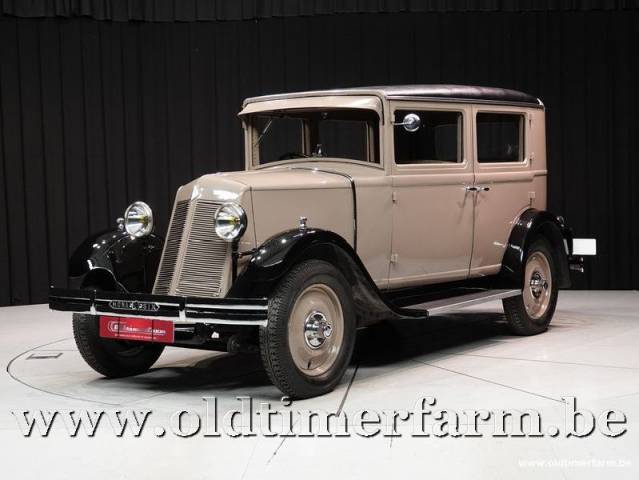
1930 | Renault Monasix
1930 Renault Monasix RY2 '30
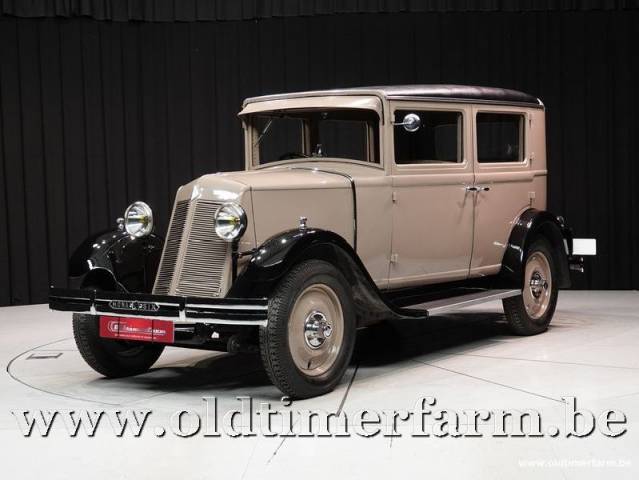
1930 | Renault Monasix
1930 Renault Monasix RY2 '30
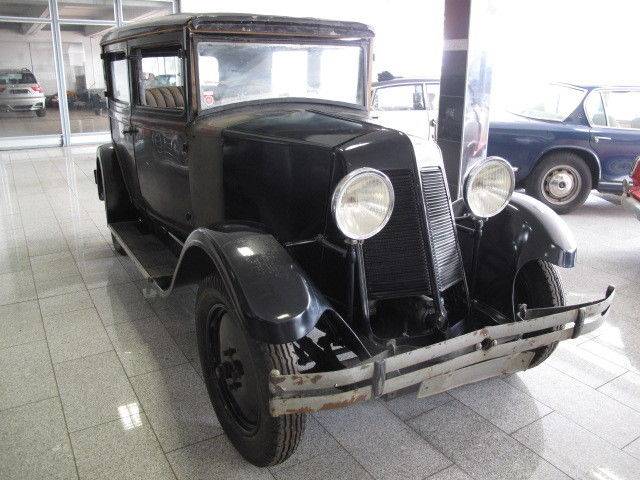
1930 | Renault Monasix
Renault Monasix RY2 6-Zylinder

Create search alert
Let yourself be notified as soon as a listing is published that matches your search filters.
Create listing
Do you have a Renault Monasix that you want to sell? Then create a listing now.
Create listingRenault Monasix Classic Cars: Prices & Market Values
History of the Renault Monasix
Renault introduced the Monasix in 1927 to cater to customers looking for a compact yet reliable vehicle. Positioned within the lower-medium segment, the Monasix was meant to be accessible for a broad audience, blending economical running costs with technical reliability. The vehicle was pioneering for its adoption of a mechanical servo brake, a feature rare outside high-end models at the time. This model also debuted a flat grille design that set a new aesthetic direction for Renault and influenced automotive trends of the subsequent decade. Production ended in 1932, and during its lifecycle, the Monasix was a common sight in European cities, especially as a trusted tool for taxi companies.
Model History
The Monasix was available primarily as a saloon, but also as a cabriolet and a torpedo, the latter being an open version suitable for sporting use or everyday passenger transport. Its direct successor was the Renault Monaquatre, which continued the brand’s philosophy of offering efficient vehicles to a growing market. The Monasix set itself apart by offering features normally associated with higher classes yet maintained low operating costs, making it attractive for both private and commercial clients.
Highlights and Unique Features
Distinctive technical advancements for the Monasix included the mechanical servo brake and the innovative flat radiator grille. Both elements increased safety and contributed to the car’s recognisable exterior. Reliability was a strong suit, which led to the Monasix’s substantial use in taxi service: over 5,000 units were dedicated to this purpose before production ceased. Notably, the rear adjustable bench introduced in the final year of production exemplified practical comfort, which is a rare find in surviving examples today.
Technical Data
Special Editions and Collectible Models
Notable among Monasix production runs are the cabriolet and torpedo open-top variants, which added a degree of versatility and style to the range. The 1931 model year stands out due to the fitting of an adjustable rear seat, a rare comfort feature at the time and especially uncommon among surviving vehicles, making these particular editions of interest to collectors.
Weak Spots and Common Issues
Common points to watch include wear in the mechanical servo brake system due to its complexity compared to standard brake arrangements. As with many vehicles of this period, buyers should closely inspect the integrity of bodywork—especially on open variants like the torpedo version—for corrosion or poorly executed past restorations. Engine and transmission health can be compromised by lack of specialist attention, so a thorough mechanical check is advisable.
Engine, Performance, Transmission and Handling
Powered by a modestly sized 1,476 cm³ inline-six, the Monasix favours smooth running and dependability over speed. Acceleration is slow by modern standards, but the car provides even throttle response and a comfortable cruising experience. The mechanical servo brakes aid stopping power, offering a distinct advantage when navigating busy city streets or managing heavier loads as a taxi. Handling is predictable owing to the straightforward chassis and suspension setup, though steering and braking require deliberate input compared to later models. The Monasix RY 2 stands out as both the most produced and the most available variant today, favoured for its slightly refined engineering updates and more common presence. It shares the technical base with the original Monasix RY, ensuring both variants offer the same driving value but with marginal differences in market availability and demand, as reflected in supply and demand statistics.
Interior, Comfort, Exterior and Design
The most distinguishing visual hallmark of the Monasix is its flat grille, which influenced many pre-war Renault designs and was soon imitated by other manufacturers. Interior layouts prioritised practicality, with the notable addition of the rare adjustable rear bench seat in 1931. Open variants, including the torpedo and cabriolet, diversified the model line’s appeal. Material choices reflected period norms: simple but durable fabrics inside, robust metal and enamel finishes outside. Accessory options on the Monasix were limited but thoughtfully chosen for utility, such as full-weather protection on convertible derivatives.
Other Relevant Features
The Monasix earned a place in the competitive rally scene of its day, achieving commendable performances, particularly in events like the 1928 Morocco Rally. Such results attested to its robustness, and the car’s reputation for reliability became a valuable asset in both civilian and commercial applications.
Summary
The Renault Monasix stands as a technically advanced, versatile compact car that bridged affordability and innovation in late 1920s to early 1930s Europe. With its six-cylinder engine, robust reputation, and technical features usually reserved for higher-end vehicles, it became a foundation for Renault’s future developments in both design and engineering. The Monasix’s steady supply and ongoing interest, particularly for the RY 2 variant, keep it relevant among enthusiasts and collectors looking for a classic Renault with authentic period character.