Pontiac Deluxe classic cars for sale
The Pontiac Deluxe stands as an important chapter in American automotive history, merging six-cylinder innovation with the elegant Art Deco styling of the late 1930s. This classic saloon represented attainable comfort, robust technology and distinctive design—a combination unique to Pontiac's heyday.
Search results
Currently, there are no matching listings for your search.
Create search alert
Let yourself be notified as soon as a listing is published that matches your search filters.
Create listing
Do you have a Pontiac Deluxe that you want to sell? Then create a listing now.
Create listingPontiac Deluxe listing references from Classic Trader
Below you will find listings related to your search that are no longer available on Classic Trader. Use this information to gain insight into availability, value trends, and current pricing for a "Pontiac Deluxe" to make a more informed purchasing decision.
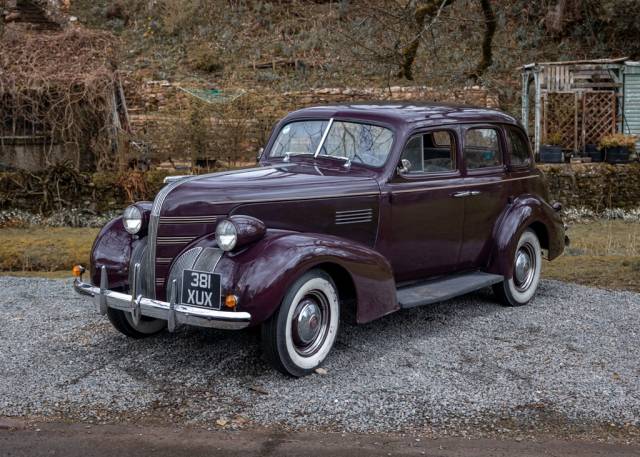
1939 | Pontiac Deluxe Six Silver Streak
Pontiac Silver Streak

Create search alert
Let yourself be notified as soon as a listing is published that matches your search filters.
Create listing
Do you have a Pontiac Deluxe that you want to sell? Then create a listing now.
Create listingPontiac Deluxe Classic Cars: Prices & Market Values
History of the Pontiac Deluxe
The Pontiac Deluxe series finds its roots in the drive for affordability and innovation in GM’s line-up. Introduced in 1935 as an evolution of the original Pontiac 6, the Deluxe carried forward the division's reputation for reliability while introducing new levels of style and comfort available to a broader audience. The model played a central role in establishing Pontiac as a distinct automaker within General Motors, notably overtaking Oakland in popularity, which GM ultimately discontinued in 1933. Deluxe models built towards the decade’s end are especially known for their striking chrome accents, typified by the 'Silver Streak' hood trim first seen in 1939. These details, along with competitive pricing, made the Deluxe a frequent sight on American roads up until the onset of the Second World War.
Model History
The Pontiac Deluxe directly succeeded earlier six-cylinder Pontiacs and represents the brand’s progression from basic affordable transport to stylish motoring with a touch of luxury for its segment. Predecessor models included the original 'Pontiac 6', while later generations transitioned into the 'Streamliner' and post-war 'Chieftain' lines. Each generation of the Deluxe introduced improvements in technical refinement, interior comfort and design complexity, helping to move Pontiac up GM’s brand hierarchy and laying the foundation for the brand’s post-war successes.
Highlights of Pontiac Deluxe
One of the main defining features of the Pontiac Deluxe series is its combination of robust straight-six engines and progressive styling elements—most notably, the Art Deco inspired chrome details and 'Silver Streak' ornamentation from 1939. The Deluxe offered more sophisticated engineering than its in-house competitors like Chevrolet, but at a more accessible price compared to General Motors’ upscale divisions. Inside, buyers found comfortable upholstery and advanced instrument displays for the era, tailoring the Deluxe to those who sought a step above mainstream sedans without entering true premium territory.
Technical Data
Special Editions and Collectible Models
Distinct versions such as the 'Silver Streak' (especially from 1939) stand out due to their elaborate chrome hood strips and enhanced trim packages. Certain limited production models offered bespoke interiors, more elaborate dashboards, and in rare cases dealer-exclusive accessories. These factors contribute to their desirability among those focused on unique period details.
Weak Spots and Common Issues
While the Pontiac Deluxe is known for its sturdy design, age-related wear such as chassis corrosion, ageing electrical systems, and carburettor maintenance challenges are common. Replacement parts can be sourced thanks to shared GM components, but ensuring authenticity for trim pieces—especially 'Silver Streak' ornamentation—can be challenging. Regular attention to lubrication points, brake systems, and cooling components is essential for reliable operation.
Engine and Performance, Transmission and Handling
Powered by inline six-cylinder engines ranging from roughly 3.5 to 4.1 litres in displacement, the Deluxe provided balanced acceleration for its segment in the 1930s. Top speeds were in line with contemporary speed limits, and the manual gearbox allowed for confident, predictable control on the road. The ride was tailored for comfort on American highways of the era, with hydraulic brakes offering dependable stopping power. Among the Deluxe line, the 1939 'Silver Streak' is a particular highlight, notable for its chrome trim and improved interior specification. Both manufacturer codes 26 and 28 are equally supplied on the market, but code 28 sees far greater interest from buyers, perhaps due to trim or engine specifications exclusive to that code.
Interior, Comfort, Exterior and Design
The Pontiac Deluxe is celebrated for its distinctive Art Deco styling—curved fenders, prominent grilles and especially the ribbed chrome 'Silver Streak' strips from 1939 onwards. Interiors were finished with detail-stitched upholstery, chrome-detailed instrument panels and options for custom wood or Bakelite trim. Accessories included radio systems, heater units, and additional instrumentation; exterior options could include extra chrome, custom paint schemes, and period-correct whitewall tyres. The combination of streamlined shape and careful ornamentation marked the Deluxe as progressive yet elegant.
Other Features
The link with Oakland—Pontiac’s original parent brand—brings historical value, as does the Deluxe’s significance in GM’s brand strategy of the 1930s. Owners may appreciate the connection to American industrial history and to the golden age of pre-war mass motoring.
Summary
The Pontiac Deluxe melds technological progress, striking Art Deco design and American motoring heritage. With strong interest from enthusiasts—particularly for models designated by manufacturer code 28—these classic saloons offer accessible entry into the world of pre-war American vehicles, with enough technical sophistication and unmistakable style to appeal to both drivers and collectors.