Nissan Primera classic cars for sale
The Nissan Primera, produced from 1990 to 2007, represents Nissan’s approach to building a truly European-influenced family car. Introduced as a replacement for the Auster/Stanza in Japan, it made its mark on both Japanese and European roads, known for its sharp handling and well-appointed cabins. Explore the various generations and discover what sets the Primera apart from other large family saloons.
Search results
1998 | Nissan Primera 2.0 SLX
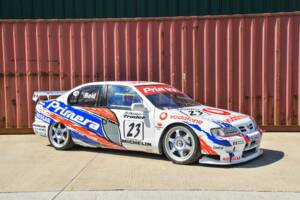
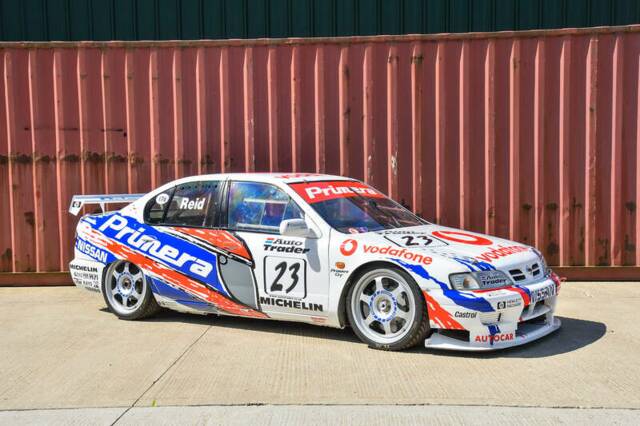
1998 Nissan Primera GT Super Tourer
Nissan Primera Classic Cars: Prices & Market Values
History of the Nissan Primera
Nissan launched the Primera in 1990, targeting the large family car segment in Japan and Europe. It succeeded the Nissan Auster and Stanza in Japan and was exclusively sold through Nissan Prince dealerships. Unlike its predecessors, the Primera featured a more dynamic chassis to suit European tastes, making it much more than just a practical saloon or estate. Its export to North America under the Infiniti badge further demonstrated Nissan’s intention of entering the entry-level luxury and sports sedan market.
Model history
The Primera replaced the Nissan Auster/Stanza in 1990, with production continuing until 2007. It spanned three generations (P10, P11, and P12). The P10 (1990–1996) initially offered saloon and hatchback configurations. The P11 (1996–2001) refined the drivetrain and styling, while the final P12 (2001–2007) introduced more advanced electronics and sleeker design. Over its lifetime, the Primera established a reputation for reliability and advanced chassis engineering, setting it apart from traditional Japanese family cars.
Highlights and distinctive features
The Primera stands out for its precise handling, especially for a front-wheel-drive car of its class in the 1990s. Targeted at European customers, it boasted a multi-link front suspension, responsive steering, and a range of robust naturally aspirated engines. In North America, its close relative under the Infiniti brand underlined the model’s solid build and driving engagement. The model’s influence can be seen in Nissan’s later approach to chassis dynamics across its range.
Technical data
Special Editions and Collectible Models
Notable variants include the sporting editions equipped with Nissan’s SR20DE engines, particularly sought after by enthusiasts for their drivetrain robustness. In some markets, limited editions focused on upgraded trim, unique alloy wheels, and discreet badges. These models are especially attractive to those who appreciate the transitional era of 1990s Japanese engineering.
Weak Spots and Common Issues
While the Primera is regarded for its mechanical durability, buyers should pay close attention to suspension components, especially the multi-link setup at the front, which can wear over time. Early models may show rust in typical areas such as wheel arches and sills, and electronics in later generations require thorough inspection due to their complexity. Regular maintenance is key to preserving the responsive handling that defines the Primera experience.
Engine, Transmission and Driving Dynamics
The Primera’s underlying strength lies in its suspension and handling balance. Engine choices range from lively 1.6-litre units to the sporty 2.0-litre SR20 series in higher specification variants. Transmission options were typically 5-speed manual, with automatics also available. The model’s rigid chassis and multilink setup ensure accurate steering feedback and minimised understeer on twisty roads, a rare feature in the large family car segment of its time. Key highlights include the Primera GT with the SR20DE engine, recognised for its elevated performance, and the later P12 series featuring advanced engine management and safety features.
Interior, Comfort and Exterior Design
The Primera’s cabin prioritised driver ergonomics and visibility, with supportive seats and a logical dashboard layout. Interior materials improved over generations, with later P12s offering higher-grade plastics and additional features such as climate control. Exterior design reflects subtle evolution—from the sharp lines of the P10 and P11 to the more rounded and futuristic appearance of the P12. Optional extras included alloy wheels, leather upholstery, and a factory-fitted sunroof, particularly on high-spec trims.
Other relevant features
Some Primera models introduced in-car navigation and advanced (for the era) electronics, particularly in the Japanese domestic market. These features add rarity value for collectors interested in automotive technology progression.
Summary
The Nissan Primera offers enthusiasts a unique combination of Japanese dependability and European-inspired driving dynamics. Standing apart with its thoughtful engineering, especially in chassis design, and available in a range of models from practical estates to sporty saloons, the Primera remains a compelling choice for those seeking a distinctive and well-designed classic family car.