- Automobile
- Nissan
- Nissan Bluebird (0 offerte)
Nissan Bluebird classic cars for sale
The Nissan Bluebird, produced from 1955 to 2007, stands as one of Japan’s longest-running and most renowned compact sedans. Its reputation for reliability and its broad range of body styles have made it a fixture not just on private driveways but also as a mainstay in professional taxi fleets worldwide. Explore generations of Nissan’s most internationally recognised sedan and discover the range available for enthusiasts and collectors alike.
Risultati della ricerca
Attualmente non ci sono annunci corrispondenti alla tua ricerca.
Create search alert
Let yourself be notified as soon as a listing is published that matches your search filters.
Create listing
Do you have a Nissan Bluebird that you want to sell? Then create a listing now.
Create listingNissan Bluebird listing references from Classic Trader
Below you will find listings related to your search that are no longer available on Classic Trader. Use this information to gain insight into availability, value trends, and current pricing for a "Nissan Bluebird" to make a more informed purchasing decision.
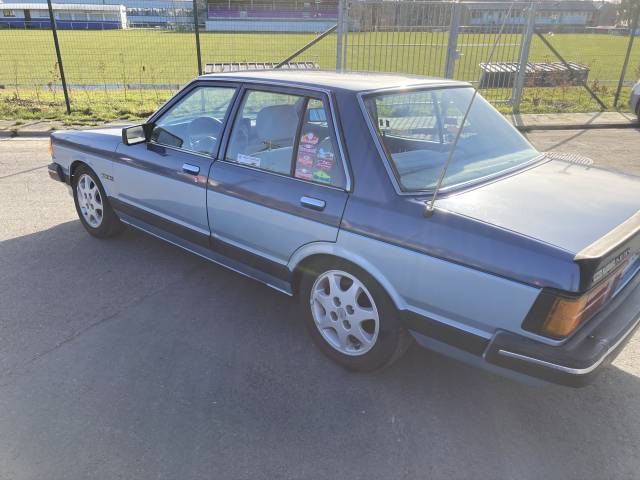
1982 | Nissan Bluebird
Idéale pour commencer rallye de régularité
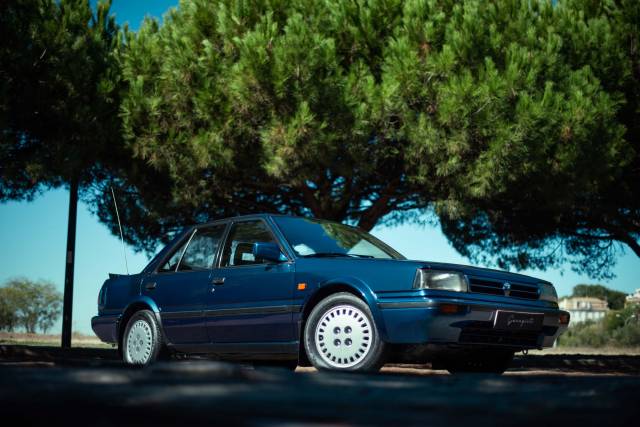
1989 | Nissan Bluebird Turbo GTI
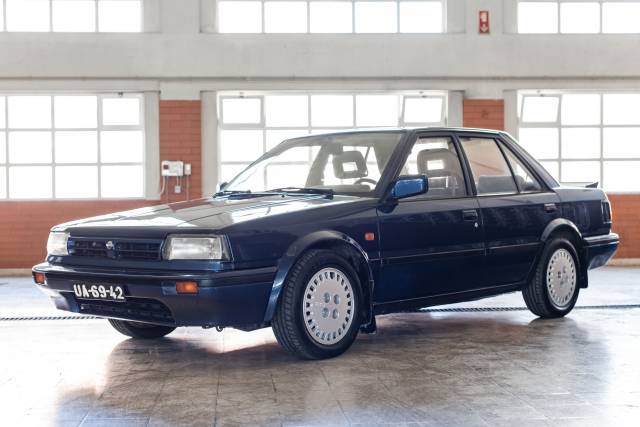
1989 | Nissan Bluebird Turbo GTI
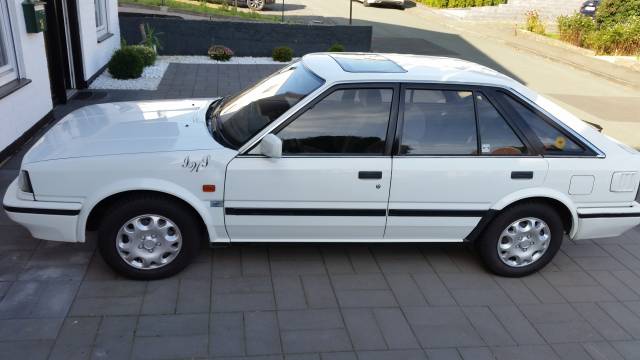
1990 | Nissan Bluebird
Create search alert
Let yourself be notified as soon as a listing is published that matches your search filters.
Create listing
Do you have a Nissan Bluebird that you want to sell? Then create a listing now.
Create listingNissan Bluebird Classic Cars: Prices & Market Values
Introduction and history of the Nissan Bluebird
The Nissan Bluebird holds a special place in motoring history as a compact sedan that set benchmarks for reliability, longevity, and relevance across global markets. Born in the mid-1950s, the Bluebird’s model name first appeared in 1957, with roots tracing back to Nissan’s early ventures in automobile production. Conceived as a direct competitor to the Toyota Corona, the Bluebird consistently balanced affordability with everyday usability, quickly establishing itself as a preferred vehicle for both private motorists and commercial taxi companies. Its adaptability meant it was continually chosen for service vehicle duties, often sharing taxi use with the Nissan Cedric. The Bluebird nameplate became a foundation for evolving Nissan’s presence on the export market, influencing other models such as the Auster and Stanza. Its extended production run and the wide variety of body styles further cemented its reputation among international buyers and enthusiasts.
Model history
Throughout its extensive production life, the Bluebird evolved through multiple generations and model series. Originally aimed at meeting the needs of Japan’s growing middle class, each iteration reflected advancements in design and manufacturing technology. Early generations were notable for their mechanical simplicity and ease of maintenance, which appealed to taxi operators and private owners alike. Its major rival from inception was the Toyota Corona, with which it competed not just in the private sector but also within the commercial taxi market, where both cars remained common sights. While some Bluebird derivatives evolved into models like the Nissan Auster and Stanza, the Bluebird itself held steadfastly to its formula of combining affordability with long-term dependability. The series would eventually see successors emerge as the sedan market evolved, but the Bluebird’s impact remains distinct, especially in regions where its popularity endured for decades.
Highlights of the Nissan Bluebird
The Nissan Bluebird’s significance lies in its unmatched blend of durability, versatility, and international appeal. Known for its service as a taxi, the model regularly featured robust engine options, straightforward maintenance, and adaptability to local market requirements. Variations in body types—including saloon and estate—allowed the Bluebird to meet a wide spectrum of uses, from family transport to commercial deployment. The Bluebird line spawned influential offshoots in the Nissan range, with design cues and mechanical layouts influencing subsequent sedans. Classic Bluebirds also stand out due to their longevity; with core designs running in production for multiple decades, they often serve as a reference point for Japanese automotive engineering.
Technical data
Special Editions and Collectible Models
While the Bluebird range was known for mainstream appeal, certain limited-production runs and market-specific models, such as the Turbo and SSS variants, hold particular interest. These special editions are prized for their enhanced performance specifications, unique trim elements, and, in some cases, sporty suspension setups or exclusive paint options. Their relative rarity makes them desirable platforms for Asian classic car enthusiasts seeking originality.
Engine and Performance, Transmission and Handling
Performance levels in the Bluebird series were designed for reliable everyday driving, prioritising economy and straightforward mechanics over outright speed. Engines, typically inline-fours, offered smooth torque delivery and could endure high mileages with regular servicing. Handling was predictable and designed for stability, making the Bluebird a preferred choice for commercial taxi operators. The range included models with both manual and automatic transmissions, further broadening its market appeal. Particularly, the T72 variant stands out for its updated mechanicals and is often chosen by enthusiasts interested in late-series Bluebirds, as indicated by the supply and demand statistics showing a significant share for this model.
Interior, Comfort, Exterior and Design
The Nissan Bluebird’s styling evolved through generational updates but remained rooted in sensible ergonomics and practical layouts. Interiors balanced simplicity with durability, often utilising hard-wearing materials suitable for high-use environments such as taxi service. Special editions, like the SSS, occasionally featured upgraded interior finishes, bespoke upholstery, or unique dashboard elements. Externally, Bluebirds were marked by clean lines and functional design, rarely indulging in excess but often standing out for their reliability-focused build quality. Buyers occasionally encountered special colours or export-specific accessories, further differentiating market models.
Summary
The Nissan Bluebird, with its long production span and widespread recognition, is a defining model in Nissan’s lineup and Japanese automotive history. Its sustained appeal for both private motorists and taxi fleets speaks to its durable construction, ease of maintenance, and sensible engineering. Enthusiasts seek out Bluebirds for both their history and practical performance, ensuring a continued presence on the classic car scene.