Mazda RX-4 classic cars for sale
The Mazda RX-4 stands as a distinct chapter in Mazda’s rotary legacy, combining advanced engineering with the classic design sensibilities of the 1970s. The series is renowned for its rotary engine technology and sleek appearance, making it a fascinating prospect for enthusiasts interested in Japanese classics from a groundbreaking era.
Search results
Currently, there are no matching listings for your search.
Create search alert
Let yourself be notified as soon as a listing is published that matches your search filters.
Create listing
Do you have a Mazda RX-4 that you want to sell? Then create a listing now.
Create listingMazda RX-4 listing references from Classic Trader
Below you will find listings related to your search that are no longer available on Classic Trader. Use this information to gain insight into availability, value trends, and current pricing for a "Mazda RX-4" to make a more informed purchasing decision.
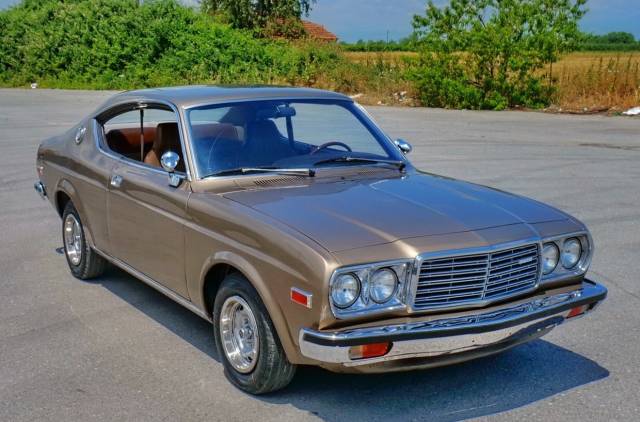
1977 | Mazda RX-4
One Owner From New! - Gorgeous Condition

Create search alert
Let yourself be notified as soon as a listing is published that matches your search filters.
Create listing
Do you have a Mazda RX-4 that you want to sell? Then create a listing now.
Create listingMazda RX-4 Classic Cars: Prices & Market Values
History and Origins of the Mazda RX-4
Mazda introduced the RX-4 in the early 1970s, positioning it as a stylish and technologically ambitious offering in the executive car class. As part of the wider Mazda Luce family, the RX-4 capitalised on rotary engine expertise that set Mazda apart globally. Built during a period of significant change, the RX-4 was among the first cars to bring the Wankel rotary to a broader market outside Japan, highlighting Mazda’s commitment to engineering ingenuity. The model enjoyed considerable export success, sold in some regions as part of the Mazda 929 lineup and representing Mazda’s top-end sedan offering before the Luce evolved into the luxury-focused Sentia in the early 1990s.
Model History
The RX-4 followed the Mazda RX-3 in the rotary lineup, elevating Mazda’s executive car offerings with a larger platform and enhanced comfort. Within the range, sedan and coupé body styles were both available, and the model paved the way for the later Mazda 929 and Sentia models, which inherited its upmarket aspirations and technological focus. The evolution of the RX-4 marks a significant bridge between the smaller sporting Mazdas of the late 1960s and the luxury saloons that defined the brand’s future flagship role.
Highlights of the Mazda RX-4
The RX-4’s main distinguishing feature is its use of Mazda’s signature rotary engine, giving it a unique power delivery and smoothness. The vehicle was also recognised for its crisp exterior design, well-appointed interiors, and competitive equipment levels for its class at the time. Its adoption of independent suspension and available luxury features made it a distinctive choice for those seeking advanced engineering from Japan’s growing car industry in the 1970s.
Technical Data
Special Editions and Collectible Models
While the RX-4 did not have widely publicised limited editions, regional variants with specific equipment levels or trim packages were introduced, tailoring the RX-4 to different markets, especially in North America and Europe. Factory options occasionally included enhanced audio equipment, special upholstery choices, and stylistic updates to cater to specific local tastes.
Weak Spots and Common Issues
As with many early rotary-powered Mazdas, owners should carefully examine the condition of the apex seals within the engine. Rotary engines, though robust if maintained well, are sensitive to neglect, particularly regarding lubrication and cooling. Another area to check is the cooling system, as early RX-4s can be prone to overheating if radiators and hoses are past their best. Electrical system quirks and rust in suspension mounting points and body panels also require attention, given the age of surviving vehicles.
Engine and Performance, Transmission and Handling
The high-revving rotary engine sets the RX-4 apart in its class, with a distinctive, smooth power delivery that appeals to connoisseurs. The typically carburetted 13B unit produces a lively driving experience, while the car's rear-wheel drive and fully independent front suspension give a well-balanced yet comfortable ride on long journeys. The steering is precise for the era, and the car’s light weight by executive standards gives it nimble handling characteristics. Commonly sought-after examples include the RX-4 coupé, prized for its sporty proportions alongside the sedan’s practical layout. Technical enthusiasts often look for models retaining the original rotary powertrain and correct manual transmission pairing.
Interior, Comfort, Exterior and Design
The RX-4 showcased angular, modern lines for its time, with chrome accents, deep grilles, and distinctive profile lines. Interior appointments featured functional, driver-focused dashboards, high-backed seats, and (on higher trims) wood veneer or metallic detailing. Factory accessory lists included unique steering wheels and instrumentation typical of Mazda’s approach to sporting luxury in the 1970s. Regional variants occasionally featured special paint colours and upholstery to cater to market-specific tastes.
Other Features
The RX-4 occasionally featured air conditioning, power steering, and advanced audio equipment depending on the export market and trim level. These features added an extra layer of comfort and luxury to Mazda’s rotary flagship, putting it head-to-head with established European executive sedans of its day.
Summary
A product of Mazda’s pioneering spirit and engineering ambition, the RX-4 offers a unique blend of rotary performance and period-correct comfort. Today, it holds particular appeal for rotary engine fans and those looking to experience Japanese innovation from the 1970s, with the added satisfaction of owning a car that played a pivotal role in Mazda’s transition into the upmarket executive segment.