Matra 530 classic car for sale
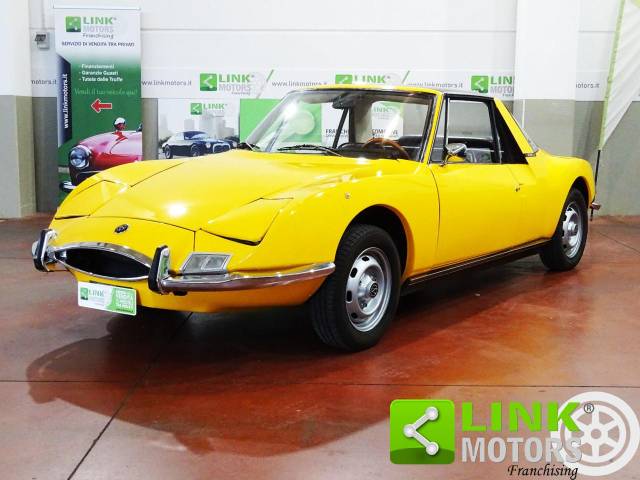
The Matra 530, produced from 1967 to 1973, stands out with its playful French design, mid-engine layout, and the removable Targa roof. Originally equipped with a Ford V4 engine, it is known for its unique blend of French creativity and solid European engineering. Discover what makes the Matra 530 a rarity in automotive history.
Search results
Currently, there are no matching listings for your search.
Create search alert
Let yourself be notified as soon as a listing is published that matches your search filters.
Create listing
Do you have a Matra 530 that you want to sell? Then create a listing now.
Create listingMatra 530 listing references from Classic Trader
Below you will find listings related to your search that are no longer available on Classic Trader. Use this information to gain insight into availability, value trends, and current pricing for a "Matra 530" to make a more informed purchasing decision.
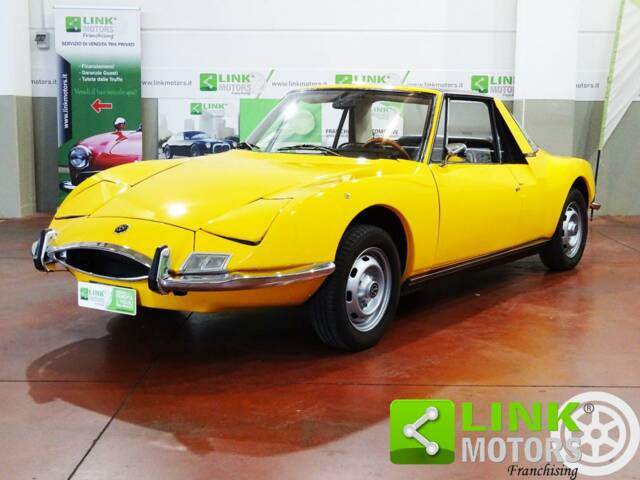
1972 | Matra M 530
OLDTIMER Matra M 530 LX SPORT

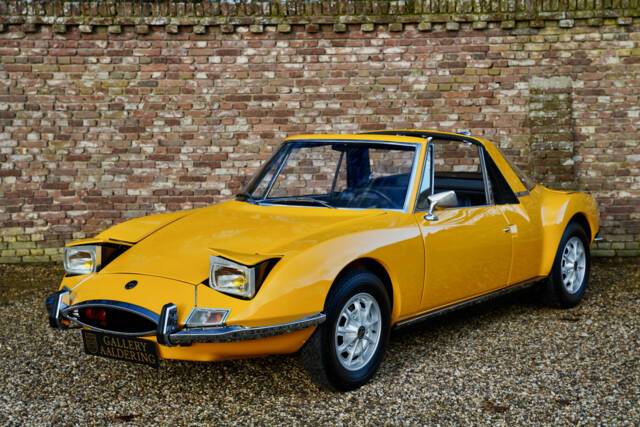
1973 | Matra M 530
Matra M530 LX Sport MINT RESTORED CONDITION! Restored by well-known vintage car specialist, Restored for his own collection, Executed with a sense of high quality, A targa roof - Mid engine - folding headlights : just a few characteristics of a unique design,

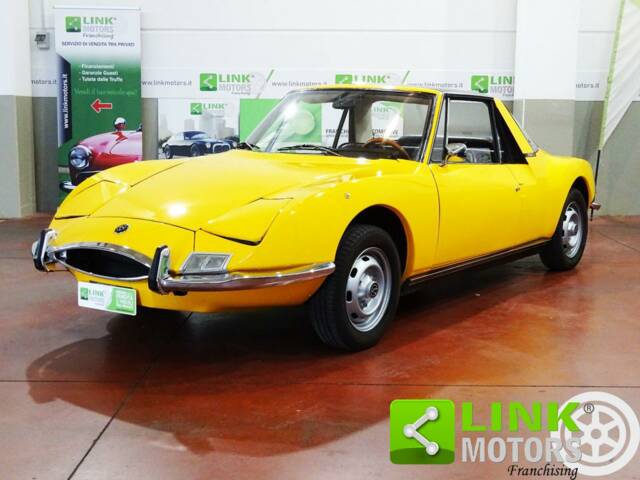
1972 | Matra 530 LX
OLDTIMER Matra M 530 LX SPORT
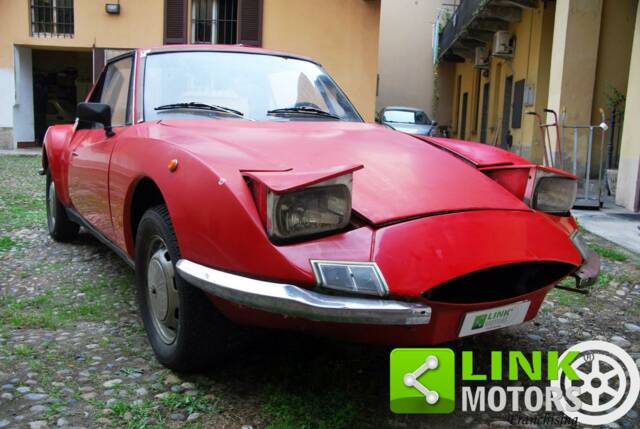
1972 | Matra 530 LX
OLDTIMER Matra M530 LX - 1972
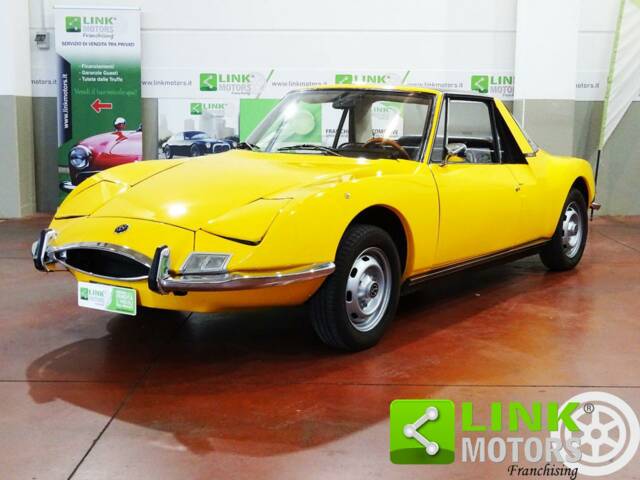
1972 | Matra 530 LX
OLDTIMER Matra M 530 LX SPORT
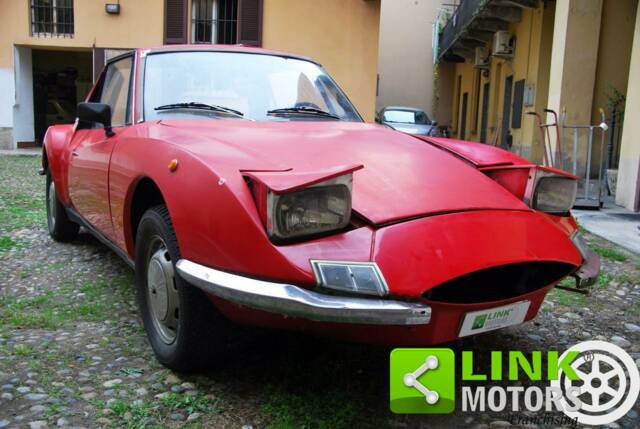
1972 | Matra 530 SX
OLDTIMER Matra M530 LX - 1972
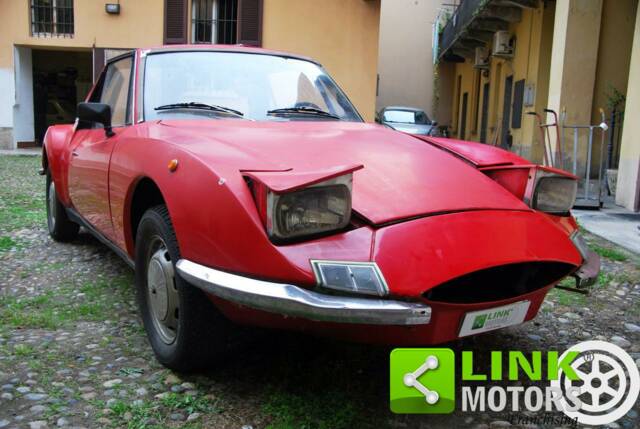
1972 | Matra M 530
OLDTIMER Matra M530 LX - 1972
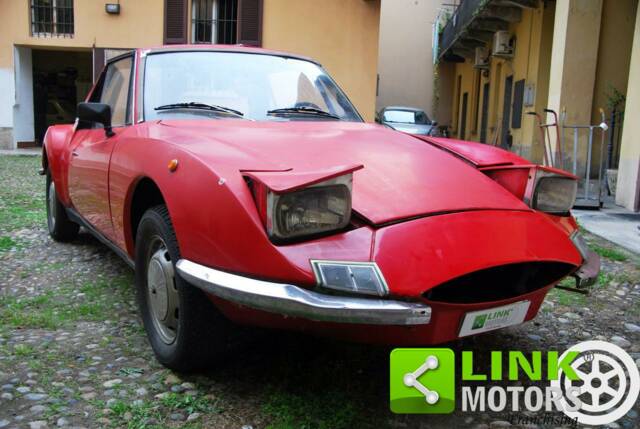
1972 | Matra 530 LX
OLDTIMER Matra M530 LX - 1972
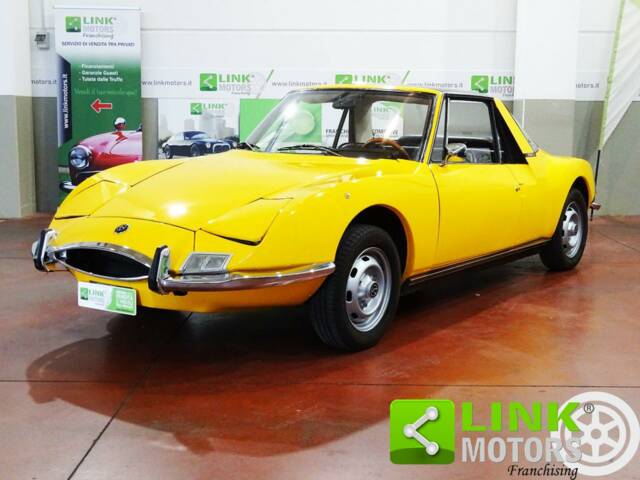
1972 | Matra M 530
OLDTIMER Matra M 530 LX SPORT
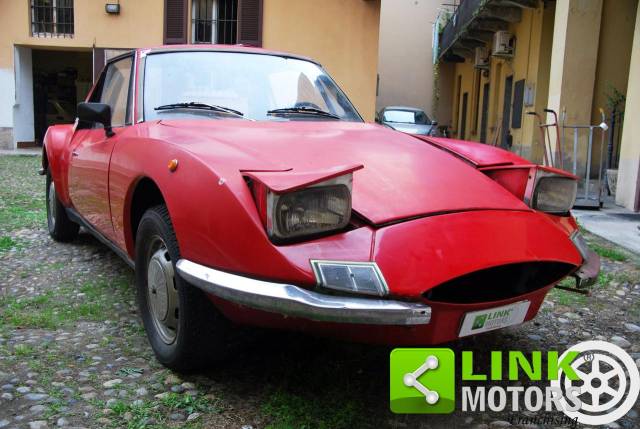
1972 | Matra M 530
OLDTIMER Matra M530 LX - 1972
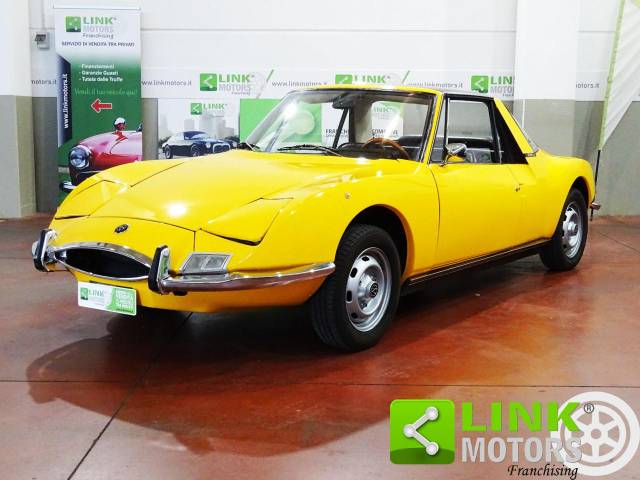
1972 | Matra 530 LX
OLDTIMER Matra M 530 LX SPORT
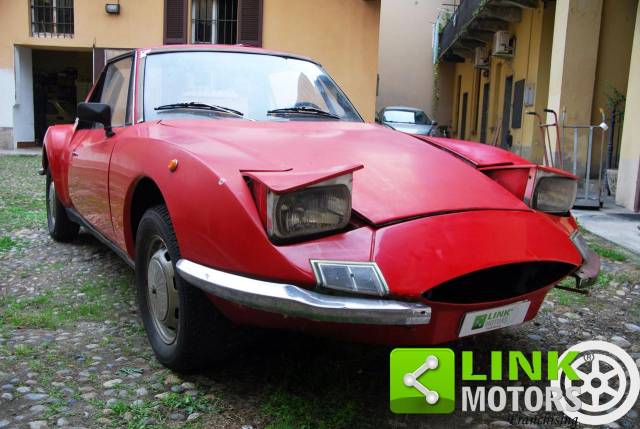
1972 | Matra 530 LX
OLDTIMER Matra M530 LX - 1972
1972 | Matra M 530
OLDTIMER Matra M 530 LX SPORT
Create search alert
Let yourself be notified as soon as a listing is published that matches your search filters.
Create listing
Do you have a Matra 530 that you want to sell? Then create a listing now.
Create listingMatra 530 Classic Cars: Prices & Market Values
History
The Matra 530 marks Matra's bold entry into the sports car segment in the late 1960s. Developed by Matra (Mécanique Avion TRAction), a French engineering and aerospace specialist, the 530 was produced between 1967 and 1973. Matra had shifted toward cars after acquiring René Bonnet in 1960. The 530 was first shown at the 1967 Geneva Motor Show, aimed at families who wanted both sporty looks and practicality. Its body was engineered from welded steel chassis with bolt-on panels of glass fibre and resin, a construction reflecting Matra’s aerospace background. Distinctive in its time, the car featured pop-up headlights, a removable Targa roof with integrated rollover bar, and a curved rear window, all signature elements that made it instantly recognisable. Safety innovations like crumple zones and disc brakes on all wheels further demonstrated Matra’s forward-thinking approach.
Model History
The Matra 530 was positioned as a modern, mid-engined sports car, intended to bring innovation to the family coupe segment. Initially launched with a 1.7-litre Ford V4 engine sourced from the Ford Taunus 17M, the car used the 4-speed manual from the Ford 15M. Production began in Creil but moved to Romorantin-Lanthenay in 1969. From 1970, the car was sold as the Matra 530 LX through Chrysler-Simca dealerships. In 1971, in response to cost and performance criticisms, Matra released the 530 SX: a simplified, lighter version aimed at younger buyers, with around 1,000 units built. By 1973, production stopped after 9,609 examples. The Matra Bagheera succeeded it, representing the next step in Matra’s pursuit of distinctive sports cars.
Highlights
Standout elements of the Matra 530 include its advanced body construction, pop-up headlights, and playful exterior, which set new standards for French sports cars. The mid-engined design balanced fun driving with surprising practicality, offering a spacious interior and large wheelbase. The Targa-style removable roof section and groovy tail created a car that was both fun and visually striking. The Matra 530 is also notable for its clear French design spirit combined with reliable Ford mechanicals, resulting in engaging sound and driving feel. Despite its rarity today, the car maintains a loyal niche following among dedicated enthusiasts.
Technical Data
Special Editions
In 1971, Matra introduced the M 530 SX, a stripped-down and lighter version designed to appeal to a younger demographic at a lower price point. Production of the SX was limited to around 1,000 units, making it particularly rare today. The M530 LX, introduced in 1970, featured updated details, and was distributed through Chrysler-Simca’s network.
Weak Spots and Common Issues
Common issues with the Matra 530 often stem from its unique body construction. The steel chassis, although robust, can be susceptible to rust if previous restorations were not thorough or if water ingress occurs at mounting points. The fibreglass panels themselves are generally durable but require specialist repair if damaged, while the Ford V4 engine and gearbox tend to be reliable if maintained, though sourcing parts might sometimes present challenges. Electrical components, particularly the pop-up headlights, can present intermittent faults due to age. Attention should also be paid to the removable roof seals and their condition.
Engine and Performance, Transmission and Handling
The Matra 530’s mid-engine layout, with its Ford-sourced 1.7-litre V4, provides balanced handling and an engaging driving experience distinctive to this era of compact sports cars. The position of the engine gives the car an agile feel, helped by a long wheelbase and relatively low weight. A 4-speed manual transmission ensures mechanical engagement, while front and rear disc brakes were advanced for the late 1960s. With its sports car seating position and easily removable roof, the experience is immersive and uniquely French, further enhanced by the Ford V4’s sonorous sound character. Noteworthy variants include the Matra 530 LX, highlighted for its practical targa roof and user-friendly upgrades, and the rare 530 SX, preferred by those seeking a purist, lightweight driving experience.
Interior, Comfort, Exterior and Design
The Matra 530 stands out for its playful, aerodynamic shape that was ahead of its time, designed by Guedon. French design cues dominate, such as the sweeping, curved rear glass and targa-style roof. Pop-up headlights and distinctly styled surface details make the car unmistakably Matra. The interior conveys a sporty atmosphere with low, enveloping seats and a clear, driver-oriented cockpit. Unique, period colours and unusual material choices were part of the car’s charm, while accessories like the detachable roof and Sony stereo units, even by today’s standards, add to its sense of flair. The separation of French design ideas and foreign technical solutions is tangible in every aspect of the Matra 530.
Other Notable Features
Space efficiency is a notable strength: the Matra 530 offers enough room for luggage and passengers—a rarity among compact sports cars of its age. The use of glass fibre in bodywork makes it resistant to corrosion compared to contemporary steel-bodied rivals. Its roll bar-integrated targa roof was a forerunner in the evolution of safer, open-air sports cars.
Summary
The Matra 530 occupies a unique niche in classic car history: a French sports coupe blending aerospace-inspired engineering with playful design. With 100% of all classic Matras on the market being 530s, its status as the brand’s most significant model is underlined by supply and demand data. The 530 offers a mix of innovative construction, practical interior layout, and distinctive looks, making it especially appealing to collectors passionate about unusual and technically advanced European cars from the late 1960s and early 1970s.