Lotus Mark X classic cars for sale
The Lotus Mark X stands out as a rare British sports car masterpiece from the 1950s, built in just six examples. This model reflects the pursuit of ultimate lightweight engineering by Colin Chapman combined with aerodynamic advances from Frank Costin. With period-correct race eligibility, substantial performance, and advanced braking for the era, the Mark X offers a unique opportunity for historic motorsport enthusiasts.
Search results
Currently, there are no matching listings for your search.
Create search alert
Let yourself be notified as soon as a listing is published that matches your search filters.
Create listing
Do you have a Lotus Mark X that you want to sell? Then create a listing now.
Create listingLotus Mark X listing references from Classic Trader
Below you will find listings related to your search that are no longer available on Classic Trader. Use this information to gain insight into availability, value trends, and current pricing for a "Lotus Mark X" to make a more informed purchasing decision.
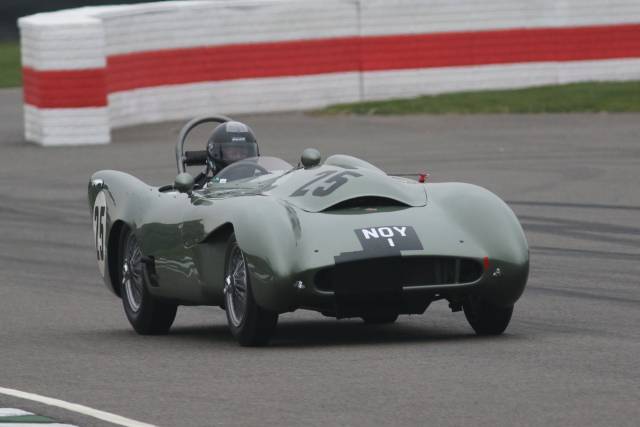
1955 | Lotus Mark X
1955 Lotus Mk X

Create search alert
Let yourself be notified as soon as a listing is published that matches your search filters.
Create listing
Do you have a Lotus Mark X that you want to sell? Then create a listing now.
Create listingLotus Mark X Classic Cars: Prices & Market Values
History of the Lotus Mark X
The Lotus Mark X, introduced in 1955 by Lotus Engineering Company Ltd, represented a pivotal evolution for Colin Chapman’s philosophy of lightness and sporting function. Born from Chapman’s earlier experiments, the Mark X combined a weight-conscious chassis with a streamlined body shaped by renowned aerodynamicist Frank Costin. This partnership pushed the boundaries of post-war British motorsport engineering. Designed to meet demanding targets—a curb weight of just 1100 lbs and a top speed of 125 mph with 85 bhp—the Mark X gained an instant foothold among privateer racers of its day. Its eligibility for revered historic racing events today, such as the Goodwood Revival and Le Mans Classic, underlines its lasting motorsport credentials.
Model history
The Mark X followed Chapman’s earlier sports specials, notably the Mark VI, and incorporated a more powerful 2.0-litre Bristol straight-six engine along with advanced features like disc brakes—rare for its era. Only six units were constructed, each hand-built and tailored for competition. Succeeding the Mark X, Lotus evolved towards more focused race and road models, with the Lotus Eleven directly benefitting from Mark X’s technical lessons in weight reduction and aerodynamics.
Highlights and unique features of the Lotus Mark X
Each Mark X is discernible by its lightweight tubular chassis and an aerodynamically optimised body—a collaboration of Chapman’s vision and Costin’s aerodynamic know-how. The model’s combination of a Bristol 2.0-litre six-cylinder engine and disc brakes provided competitive advantages throughout the 1950s. With a technical historic passport, most Mark X examples remain eligible for blue-chip historic racing events, attracting continued interest among collectors seeking genuine period-correct entries.
Technical data
Special Editions and Collectible Models
Given just six Lotus Mark Xs were produced by Lotus Engineering Company in 1955, each car is, in effect, a bespoke and collectible example. Specific examples that have competed in events like the Monaco GP Historique and Le Mans Classic may be regarded as particularly notable.
Weak spots and common issues
With only six vehicles built, most have been maintained to exceptionally high standards, but status as bespoke racing specials demands careful inspection of chassis integrity, wear to race components, and originality of the Bristol engine. Historic competition participation may increase mechanical stress—checking for well-documented restoration records and technical passports is crucial when purchasing or running a Mark X.
Engine, Transmission and Handling of the Lotus Mark X
Propelled by a 2.0-litre Bristol six-cylinder, the Mark X benefits from strong torque delivery and a racing weight below 1,100 lbs. The combination enabled a projected top speed of 125 mph—exceptional for its time. Coupled with disc brakes and an advanced chassis design, handling remained precise and adaptable for period sports racing. Modern historic racers continue to exploit these characteristics in events across Europe. Noteworthy entries include Mark X models with documentation for participation in the Goodwood Revival, RAC Woodcote Trophy, and GTSCC, highlighting their technical eligibility and historical racing pedigree.
Interior, comfort and design of the Lotus Mark X
The body was crafted for maximum aerodynamic efficiency by Frank Costin, with a low, flowing silhouette and classic British racing details such as long bonnet lines and compact cockpit. Interiors are strictly minimalist, fitting the lightweight ethos—focused on function over comfort, dominated by metal and sparse instrumentation. Authenticity in paintwork, typically British racing green or other period finishes, and the presence of original racing fittings are important details for enthusiasts. Accessories and special equipment, such as historically correct safety harnesses, event logbooks, or custom-fabricated competition components, enhance provenance and appeal.
Other relevant features
Ownership often includes eligibility for elite historic competition, opening a gate to events otherwise inaccessible to most classics. Provenance, restoration history, and event participation records significantly influence value and collectability. Some examples retain technical historical passports, further establishing their status for entry into renowned motoring events.
Summary
The Lotus Mark X encapsulates the genesis of Chapman’s world-beating lightweight racing philosophy, combined with Costin’s innovative aerodynamic design. Representing only six examples, each car is rare and motorsport-ready, often accompanied by eligibility for historic events and bespoke engineering details. For connoisseurs of post-war British sports cars or competition machinery, the Mark X embodies an uncompromising approach to speed, technical advancement, and exclusivity.