- Car
- Land Rover
- Land Rover 86 (1 offer)
Land Rover 86 Classic Cars for Sale
The Land Rover 86, built from 1953 to 1957, marks a pivotal moment in British off-road engineering. Advancing from the original 80" wheelbase Series I, the 86 brought a longer chassis and practical improvements for both farm and everyday use. Equipped with a robust four-wheel-drive system, the Land Rover 86 stands as a symbol of rugged reliability and functional design.
Search results
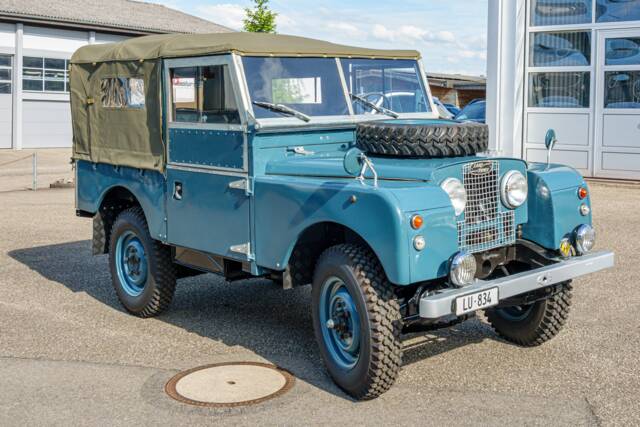
1954 | Land Rover 86
Top Zustand, gepflegt

Land Rover 86 listing references from Classic Trader
Below you will find listings related to your search that are no longer available on Classic Trader. Use this information to gain insight into availability, value trends, and current pricing for a "Land Rover 86" to make a more informed purchasing decision.
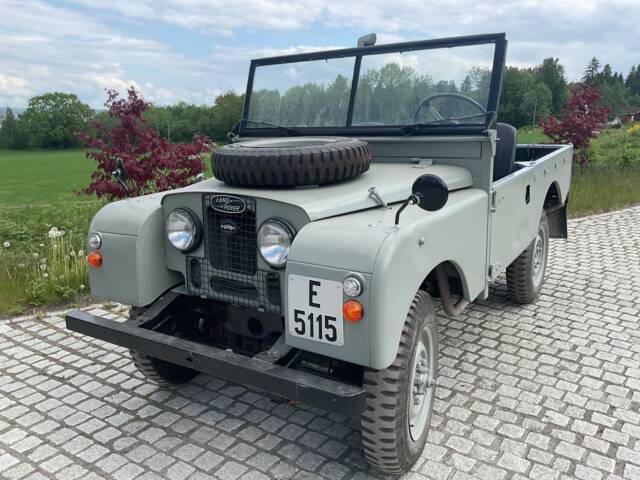
1954 | Land Rover 86
Serie 1. 1954 86 inches
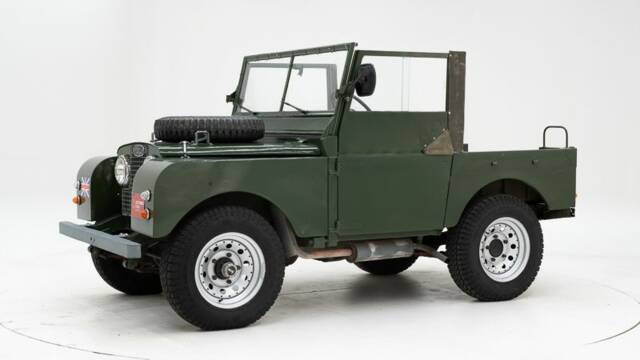
1952 | Land Rover 86
1952 Land Rover Series 1 '52

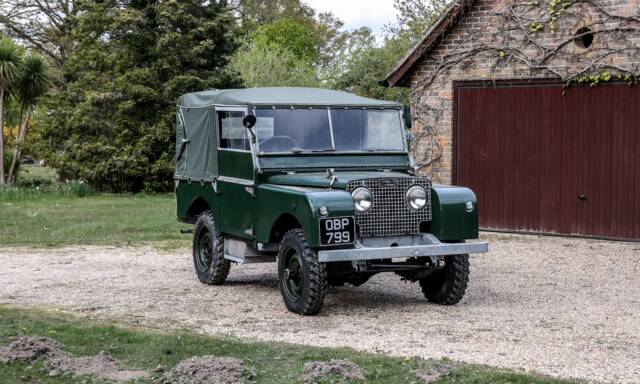
1953 | Land Rover 86
1953 Land Rover Series I (80 inch)

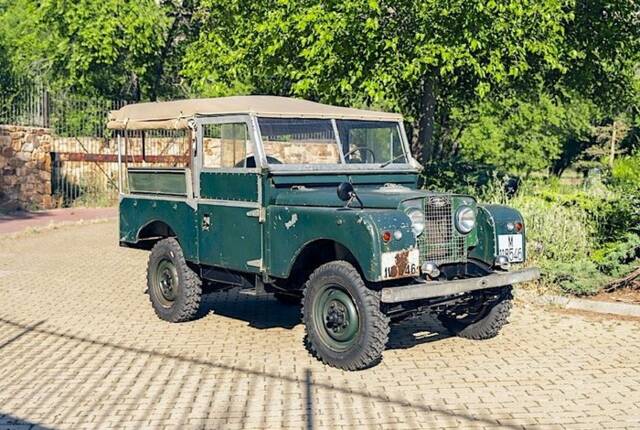
1954 | Land Rover 86
Land Rover - Series One 86 inch 2litre petrol - 1954

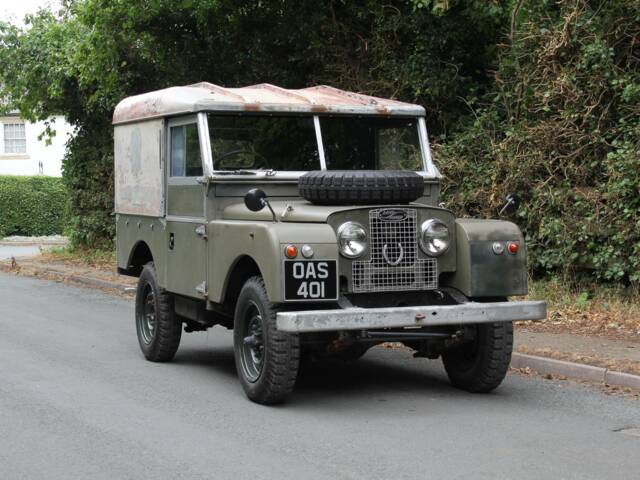
1955 | Land Rover 86
1955 Land Rover Series I 86
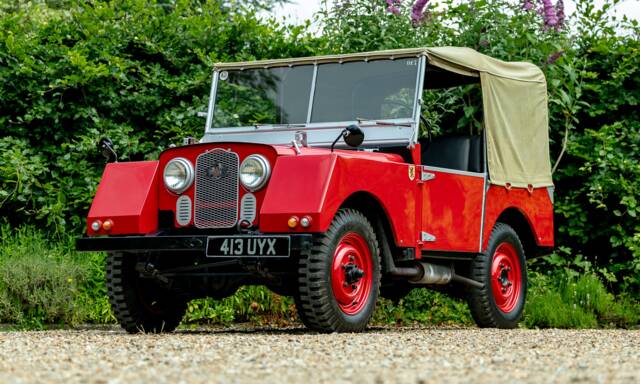
1954 | Land Rover 86
1954 Land Rover Series I Minerva 80”
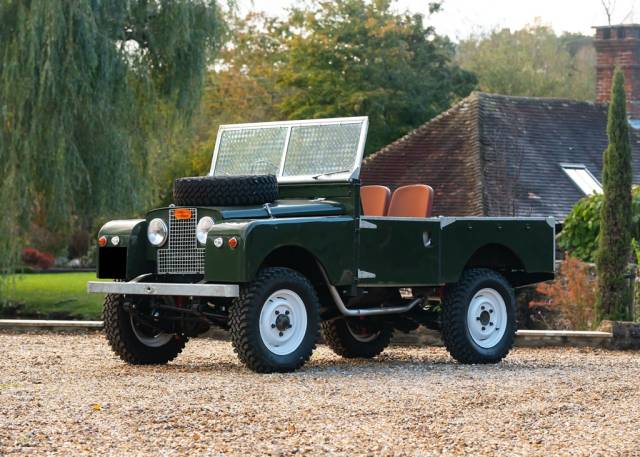
1955 | Land Rover 86
Land Rover Series I (86”)
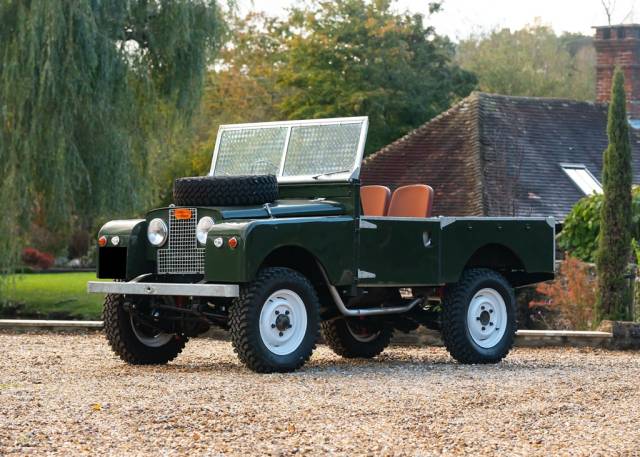
1955 | Land Rover 86
Land Rover Series I (86”)
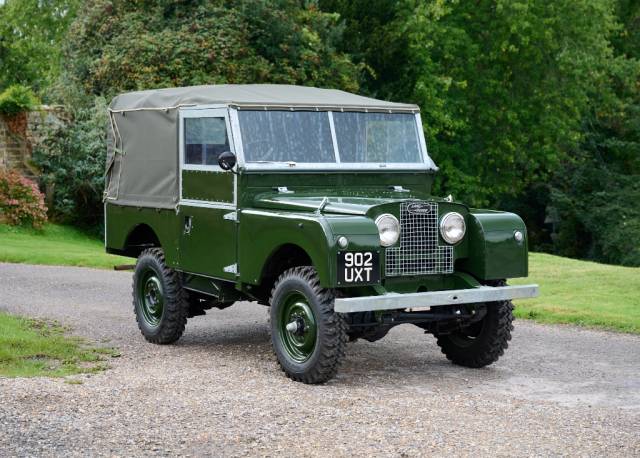
1954 | Land Rover 86
Land Rover Series I (86”)
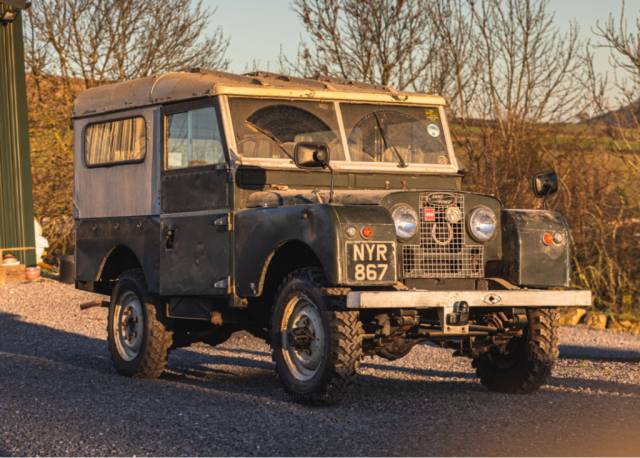
1953 | Land Rover 86
Land Rover Series I (86 inch) *WITHDRAWN*
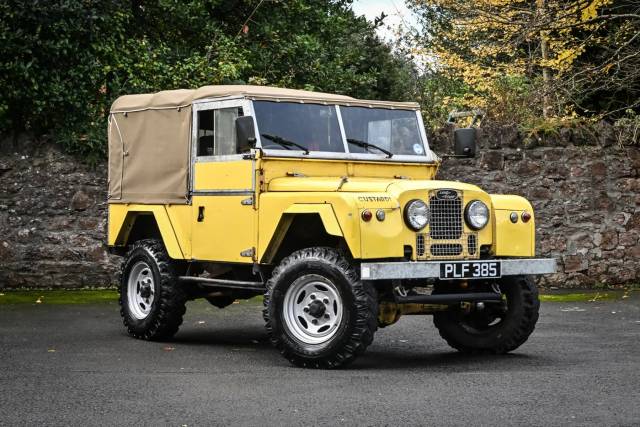
1955 | Land Rover 86
A Ray of Sunshine! - V8 Power
Land Rover 86 Classic Cars: Prices & Market Values
History of the Land Rover 86
After World War II, Land Rover's parent company Rover sought to create a versatile vehicle capable of tackling both agricultural work and daily tasks under harsh conditions. Drawing inspiration from the US Army Jeep, the first Land Rover debuted in 1948 and quickly earned a reputation for toughness, its aluminium bodywork highly resistant to corrosion. The Land Rover 86 was introduced in 1953 as the second version within the Series I lineup, extending the previous 80-inch wheelbase to 86 inches, following demands for more space and flexibility. Production continued until 1957, right before the arrival of the Series II models, with the Series I 86 known for its utilitarian adaptability and robust performance.
Model History of the Land Rover 86
The Land Rover 86 is a direct evolution of the original Series I model, which started in 1948 with an 80" wheelbase. In 1953, to improve off-road ability and versatility, Land Rover extended the wheelbase to 86 inches for standard models, while a pickup variant received a 107-inch platform. Built initially with a 1.6L petrol engine, the 86 later adopted a larger 2.0L engine to better suit demanding workloads. Body styles ranged from soft top and hard top to the practical truck cab, covering broad market needs. The 86 remained in production until 1957 when the more refined Series II took over, and it set the groundwork for future legendary Land Rover generations.
Highlights and Unique Features
The Land Rover 86's appeal ties closely to its pragmatic engineering. Designed primarily for farming and utilitarian work, it offered an innovative layout with PTO (power take-off) points at five positions on the engine and gearbox for powering external equipment such as winches or generators. The modular nature of its aluminium body and chassis ensured simple repairs, with a design that could switch between hardtop, softtop, or station wagon. Its unmistakable flat wings, upright front, and 'lights behind the grille' style further distinguish the 86 visually.
Technical Data
Special Editions and Collectible Models
Several variants of the Land Rover 86 emerged, particularly for export and specialised use. Notably, licensed production took place at Minerva in Belgium, producing both the 80" and 86" models for military and police use—these Minerva Land Rovers are especially prized among collectors. Factory options such as Capstan winches, hardtops, and unique export configurations can also elevate collectibility. Left-hand and right-hand drive versions, differing by original market, and special civilian or military equipment further set certain models apart.
Weak Spots and Common Issues
Although not explicitly detailed in supplied information, the Land Rover 86's design prioritised ease of repair, with most parts easily accessible and a strong network of replacement components thanks to its modular build. The aluminium body resists rust, but steel chassis and structural areas require inspection for corrosion. Older wiring and simple electrics may need attention after decades, and ongoing leaf spring wear and oil leaks from gearbox or axles are typical areas to monitor in classic ownership.
Engine, Performance, Transmission & Handling
Land Rover 86 models deliver uncompromising off-road credentials. With selectable four-wheel drive, robust live axles, and a low-range transfer case, traction on rough and muddy ground is excellent. The improved 86-inch wheelbase means better load balance and handling over earlier iterations, while the unassisted steering and modest power output mean driving is utilitarian rather than swift. The transition from 1.6L to 2.0L engines provided slightly more torque, making the Land Rover 86 better suited for heavier work and towing. Expect a pragmatic driving experience with basic comfort, focused on utility and durability rather than refinement. • Standard 86" soft top: most common and versatile. • 86" hardtop: preferred in harsher climates for weather protection. • Minerva-built 86": rare, especially in original police or military guise. • PTO-equipped models: especially interesting to those valuing functional originality.
Interior, Comfort, Exterior and Design
With its famously boxy, functional good looks, the Land Rover 86 communicates utility with every line. Flat body panels, signature flat topped wings, and the classic tall grille define its exterior, with 'lights behind the grille' marking early models. Interior equipment remains minimal by design—washable floors, simple dash layout, and utilitarian seats make cleaning and maintenance straightforward. Upholstery and soft-top materials were selected for durability. Hardtops, safaris roofs, and a range of exterior accessories, such as winch options, tow hitches, and spare wheel carriers, allowed buyers to adapt their Land Rover 86 to specific needs. Factory colours typically included sturdy greens and off-whites, with original finishes valued by purists.
Other Noteworthy Features
Land Rover 86 models are prized for their modular constructions, which contributed to ease of repair and upgrade. The convertible nature between hardtop and soft top, the availability of military and non-military variants, and the range of bespoke accessories—such as external power take-off machinery and period-correct Capstan winches—have all contributed to the 86 maintaining a strong enthusiast following. Left-hand and right-hand drive options extended its appeal to a global audience.
Summary
The Land Rover 86, produced between 1953 and 1957, stands out as a milestone in the evolution of British off-road vehicles. With its longer wheelbase, versatile configurations, and reputation for durability, the 86 built on the pioneering foundation of the original Series I and set standards for generations of Land Rovers to follow. Its presence in the classic market is reinforced by strong supply and demand, a testament to its enduring reputation among enthusiasts, agricultural professionals, and collectors alike.