Hudson Hornet classic car for sale
The Hudson Hornet, produced from 1951 to 1957, is a prime example of American engineering, well-known for its impressive inline-six engine, distinctive Twin-H-Power setup, and spacious six-passenger comfort. Collectors value its originality, technical innovations, and rare factory colours, making it a rare sight even among classic US sedans.
Search results
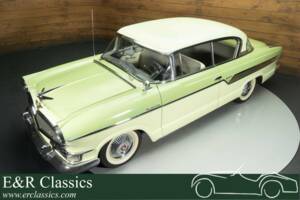
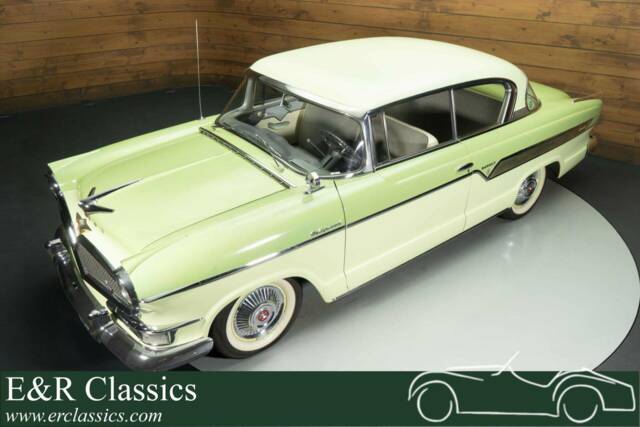
1956 | Hudson Hornet V8 Hollywood
Oldtimer Hudson

Hudson Hornet listing references from Classic Trader
Below you will find listings related to your search that are no longer available on Classic Trader. Use this information to gain insight into availability, value trends, and current pricing for a "Hudson Hornet" to make a more informed purchasing decision.
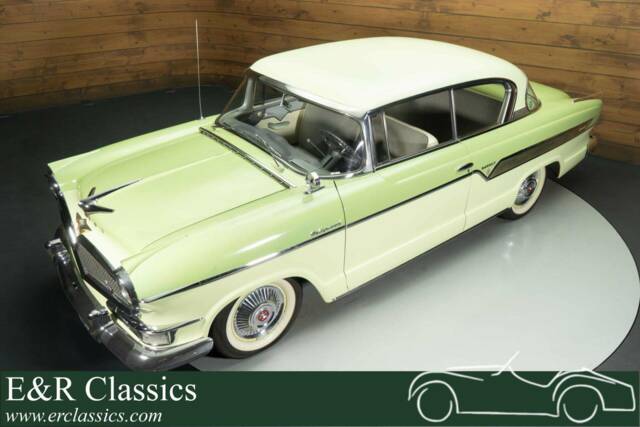
1956 | Hudson Hornet Custom
Oldtimer Hudson
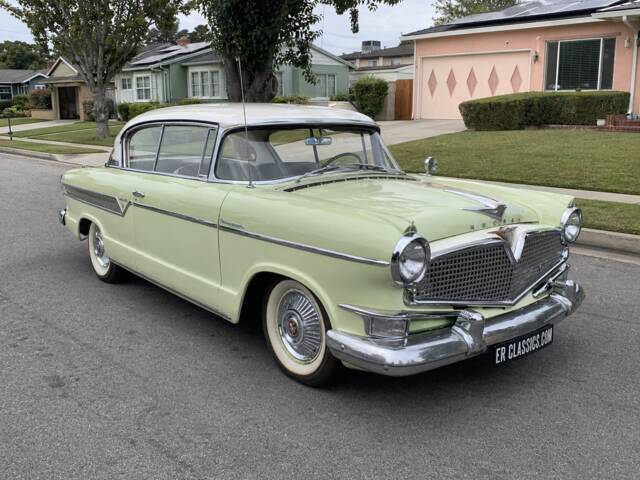
1956 | Hudson Hornet Custom
Hudson Hornet Special V8 Hollywood Hardtop | 1956 | Route 66 Auctions - For sale by auction. Estimate 19500 EUR
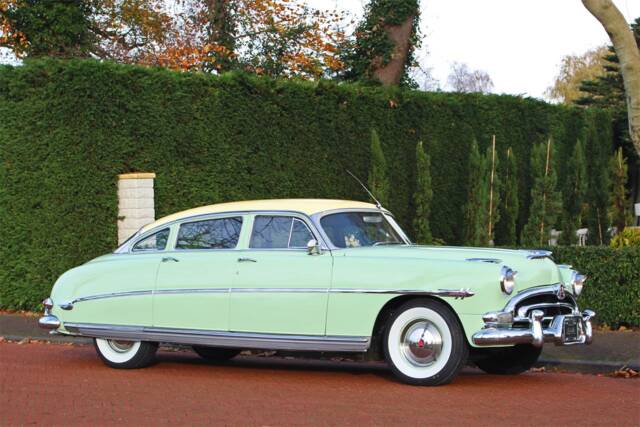
1953 | Hudson Hornet
Twin H-Power
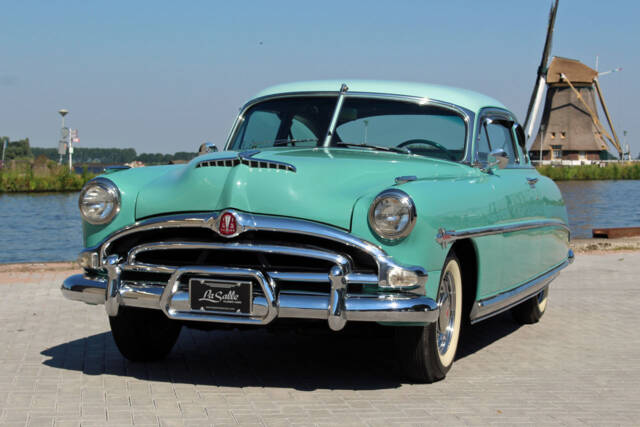
1953 | Hudson Hornet
Twin H-Power 7X racing specs
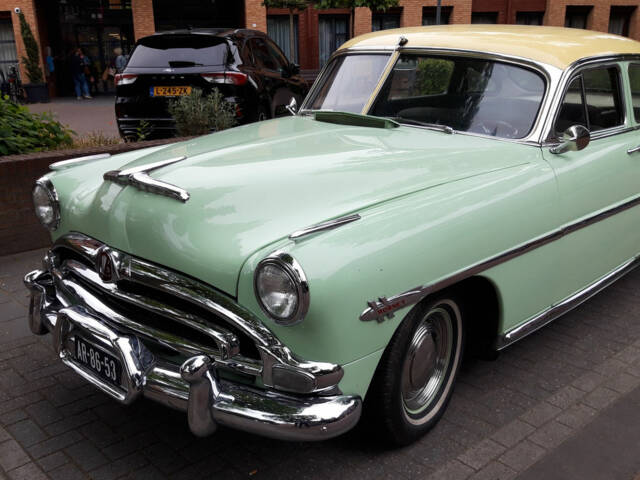
1953 | Hudson Hornet
Hudson Hornet | 1953 - For sale by auction. Estimate 27950 EUR
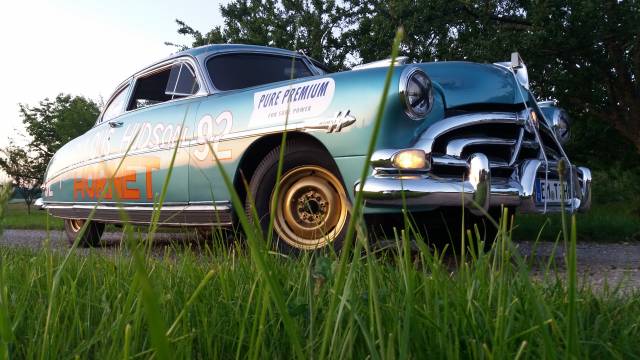
1952 | Hudson Hornet
Fabulous Hudson Hornet NASCAR #92, Herb Thomas

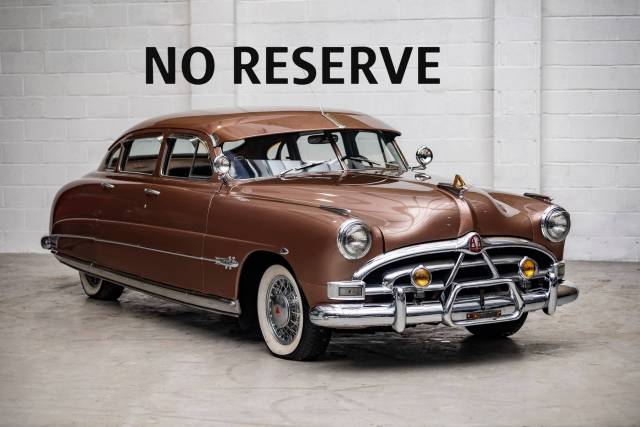
1951 | Hudson Hornet
Iconic 50's Design - Twin H-Power Engine!

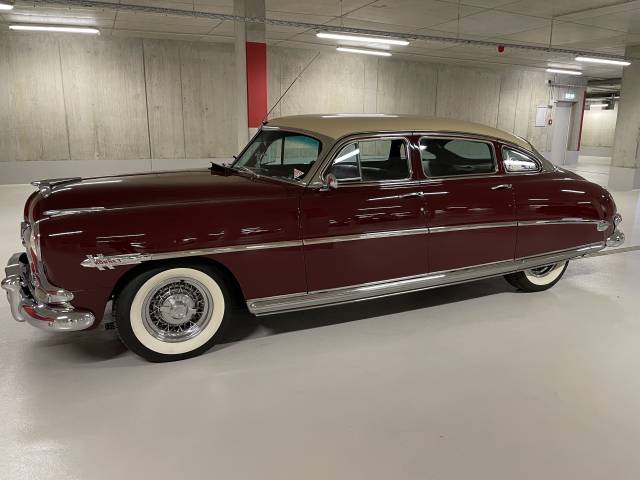
1953 | Hudson Hornet
Aus der Sammlung John Soneff
Hudson Hornet Classic Cars: Prices & Market Values
History of the Hudson Hornet
The Hudson Hornet debuted in 1951 as a direct evolution of the Hudson Commodore and quickly established itself in the upper mid-size car segment. Hudson’s engineering, led from Detroit, put an emphasis on robust mechanicals and a cutting-edge design language. From the beginning, the Hornet was available in two- and four-door sedans, coupés, and cabriolets, powered by the iconic 308 cu.in. (circa 5047 cm³) straight-six flathead engine. The 1952 introduction of the Twin-H-Power option, with dual single-barrel carburettors and a special manifold, lifted output by about 25% compared to the launch model, significantly strengthening the car’s reputation on street and track. For 1954, the Hornet underwent modernisation, featuring updated interior appointments and sleeker, more modern side trims. Following the merger of Hudson and Nash-Kelvinator in 1954, the Hudson brand continued under AMC management until 1957, though cabriolets were no longer offered and the Hornet’s character shifted toward hardtops and saloon variants. The last production year was 1957, after which the Rambler American succeeded the Hornet, though with a markedly different technical and conceptual focus.
Model History
Originating as a successor to the Hudson Commodore, the Hornet developed into a headline model for Hudson in the early 1950s. Distinct stages mark its evolution: initial models (1951–53) with the classic step-down Hudson chassis and a focus on performance, notably with the Twin-H-Power engine. In 1954, a major redesign modernised both the interior and exterior, introducing the Series 80 Limousine and new equipment lines. After AMC took control, changes in design and drivetrain options, including availability of a V8, shifted the Hornet’s positioning. Production ended mid-1957, giving way to the more compact, less luxurious Rambler American for model year 1958.
Highlights and Statistical Context
A defining highlight is the Hornet's combination of power and spaciousness: the combination of the robust 308 cu.in. flathead-six, optional dual-carburettor Twin-H-Power system and optional Hydra-Matic four-speed automatic transmission offered a balance of driving comfort and performance. Special features such as an illuminated Hudson emblem in the grille and rare paint options like 'Toro-Red/Ivory' catch collectors’ attention. Six-person homologation and extensive documentation, including original bulletins and radio warranty cards, are other draws. Historically, the Hudson Hornet gained accolades at Concours d’Elegance events, often for its 'Best Interior' and as an example of 'American Dreamcars.'
Technical Data
Special Editions and Collectible Models
The most collectible Hornets include early Twin-H-Power models (1952–53), the Series 80 Limousine (from 1954) and any factory-built Cabriolet from the initial years. Special paint finishes, such as 'Toro-Red/Ivory,' and configurations with original documentation (manuals, AM radio warranty cards) are highly sought after. Factory accessories like illuminated grille emblems and custom interiors contribute further rarity.
Weak Spots and Common Issues
No explicit recurring weak spots are listed in the documentation provided. However, given the advanced age and technical complexity of components like the Twin-H-Power carburation and Hydra-Matic transmission, thorough maintenance and originality are critical. Restoration to original factory standards is only possible with period-correct parts—a consideration for serious collectors.
Engine and Performance, Transmission and Handling
A Hornet equipped with the Twin-H-Power six-cylinder was famed for its lively acceleration and smooth cruising characteristics, amplified by the over three metre wheelbase and robust suspension setup. The four-speed Hydra-Matic allowed effortless progress, and the interplay of large engine displacement with rear-wheel drive defined both its stately ride and its competitive standing in its era. Noted for its stable handling, especially when compared to its contemporaries, the Hornet’s performance on both road and, occasionally, racetrack was a matter of pride for the Hudson brand. The standout powertrain for enthusiasts is the 308 cu.in. inline-six with Twin-H-Power, especially in pre-1954 bodies. The later Series 80 models, though less common, offer enhanced equipment and the benefit of AMC-era refinements.
Interior, Comfort, Exterior and Design
The Hornet’s design is defined by its 'step-down' chassis, providing a low centre of gravity and generous cabin space. Features such as illuminated Hudson grille badges, unusual dual-tone paintwork ('Toro-Red/Ivory'), modernised dashboard layouts (from 1954) and intricately detailed side trims set it apart visually. Materials in early cabins were plush, with higher levels of comfort and ergonomics than many rivals of the period. Accessories included original AM radios—with surviving warranty cards and factory documentation considered especially desirable—while the later body redesign under AMC brought in distinct 'V Line Styling,' evoking the triangular elements from the Hudson logo.
Other Noteworthy Features
The Hornet was officially homologated for six passengers—a rare feat in US production sedans of the day. The car’s legacy is maintained by participation in events like the 'Rollendes Museum' and prominent Concours d’Elegance wins. Vehicles can register for historic plates ('H-Kennzeichen') in Germany, underlining their collector-grade originality.
Summary
The Hudson Hornet stands apart in American classic car history thanks to its blend of mechanical innovation, collectability, and genuine period luxury. Robust straight-six power, the rare Twin-H-Power setup, advanced (for its era) automatic transmissions, and a distinctive design philosophy—coupled with a decisive share of supply and demand among classic Hudsons—ensure lasting appeal to connoisseurs seeking an authentic US classic saloon or hardtop.